

Lapland
The region of Lapland, Finland, is a dream come true for travelers in search of a real winter wonderland. The area has long been associated with Father Christmas, reindeer and a dense, snow-covered wilderness.
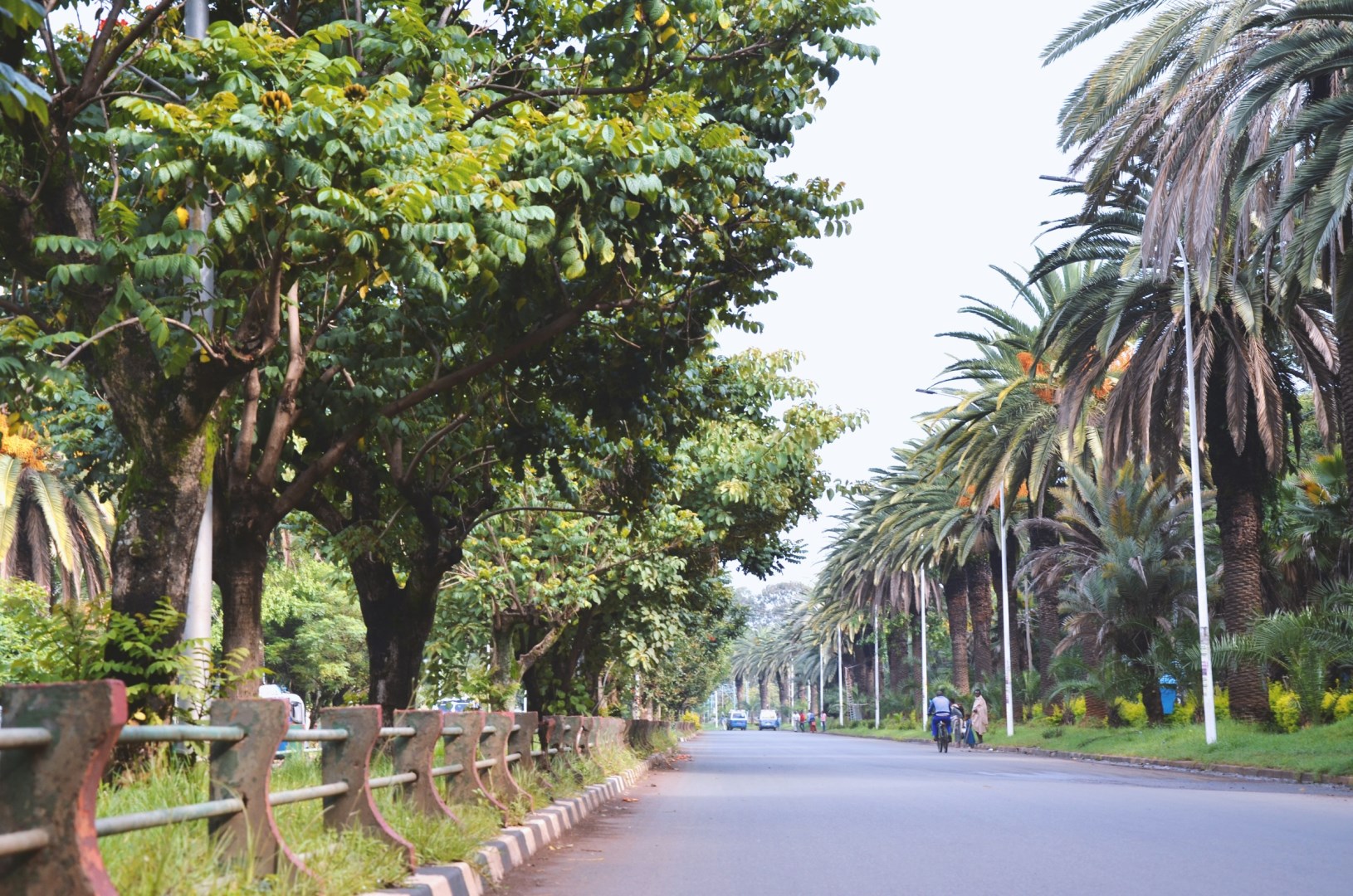
Bahir Dar
A small town located on the shores of Lake Tana (Ethiopia's largest). Visit the ancient monestaries, the beautiful Tissisiat Falls (30km) and the place where the 'Blue Nile' creates smoking waters.
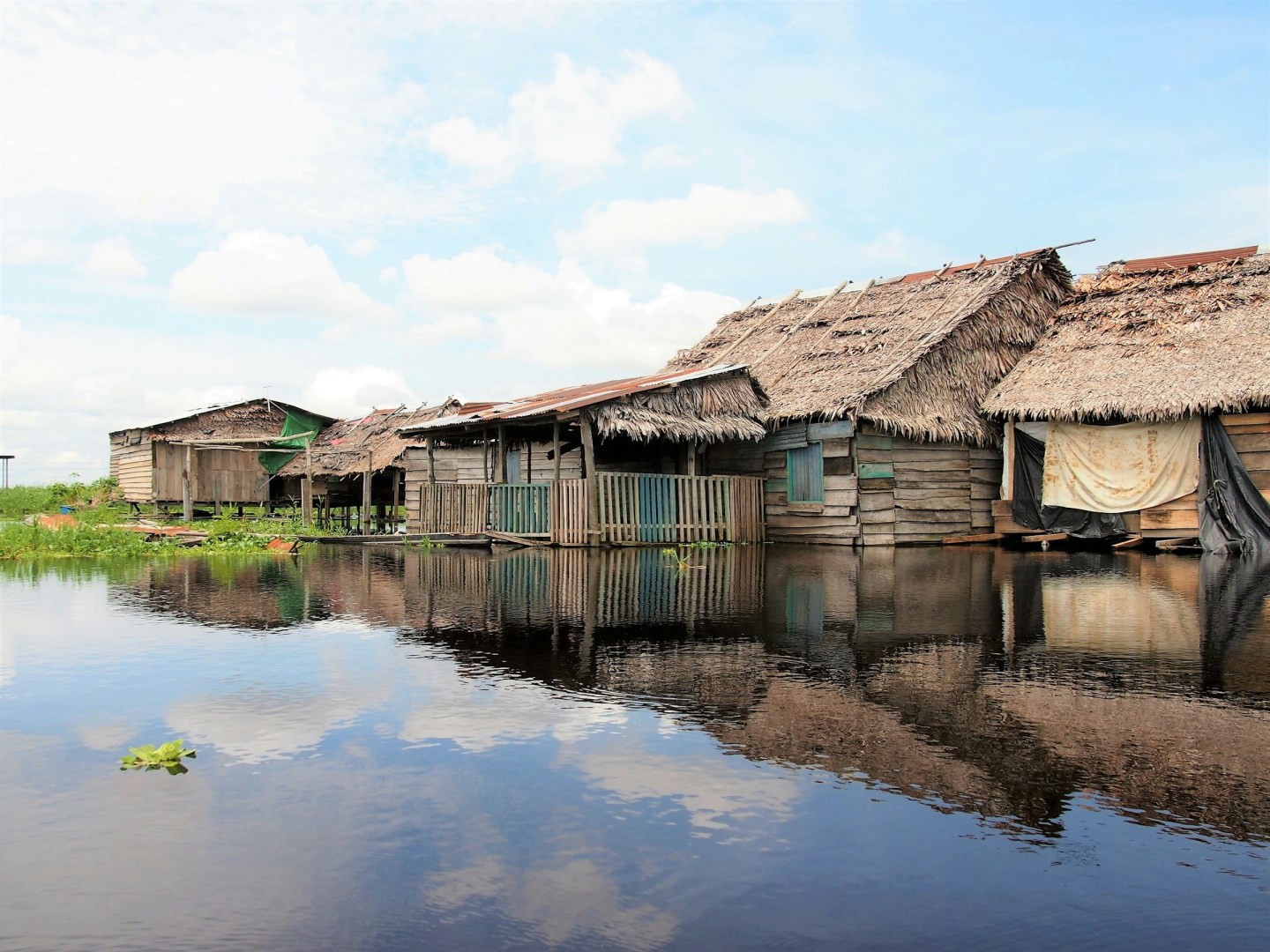
Iquitos
Although not accessible by road, it is Peru's most important commerical center in the east. It is on the Amazon which is wide enough to allow freighters at their busy port. The 1880's saw the rubber boom and recently oil has been the boom.
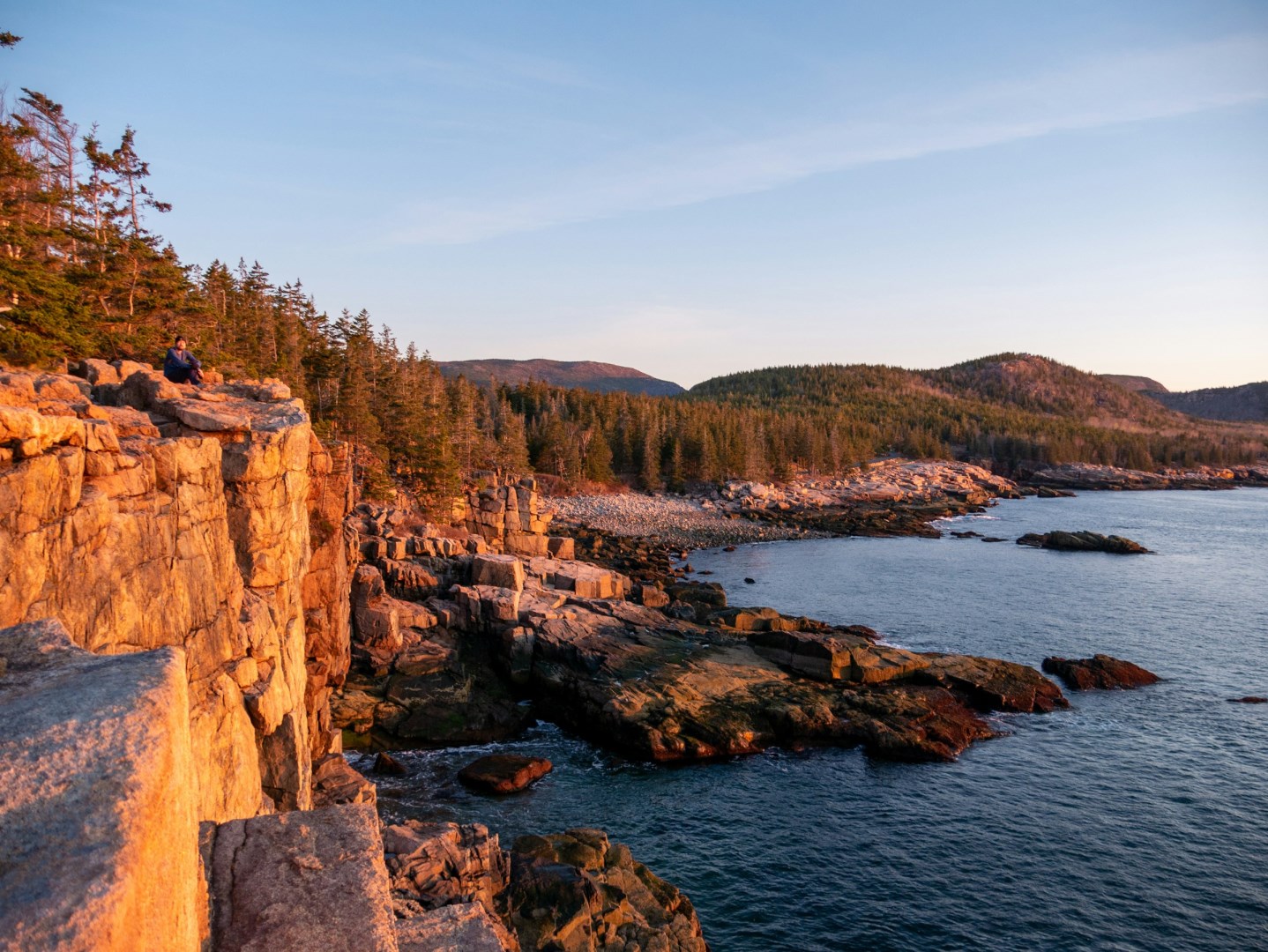
Acadia National Park
Acadia National Park in Maine is home to the highest point on the United States’ East Coast. The bay side town of Bar Harbor, with its restaurants and shops, is a popular gateway to this 47,000-acre national park filled with dramatic, breathtaking scenery.
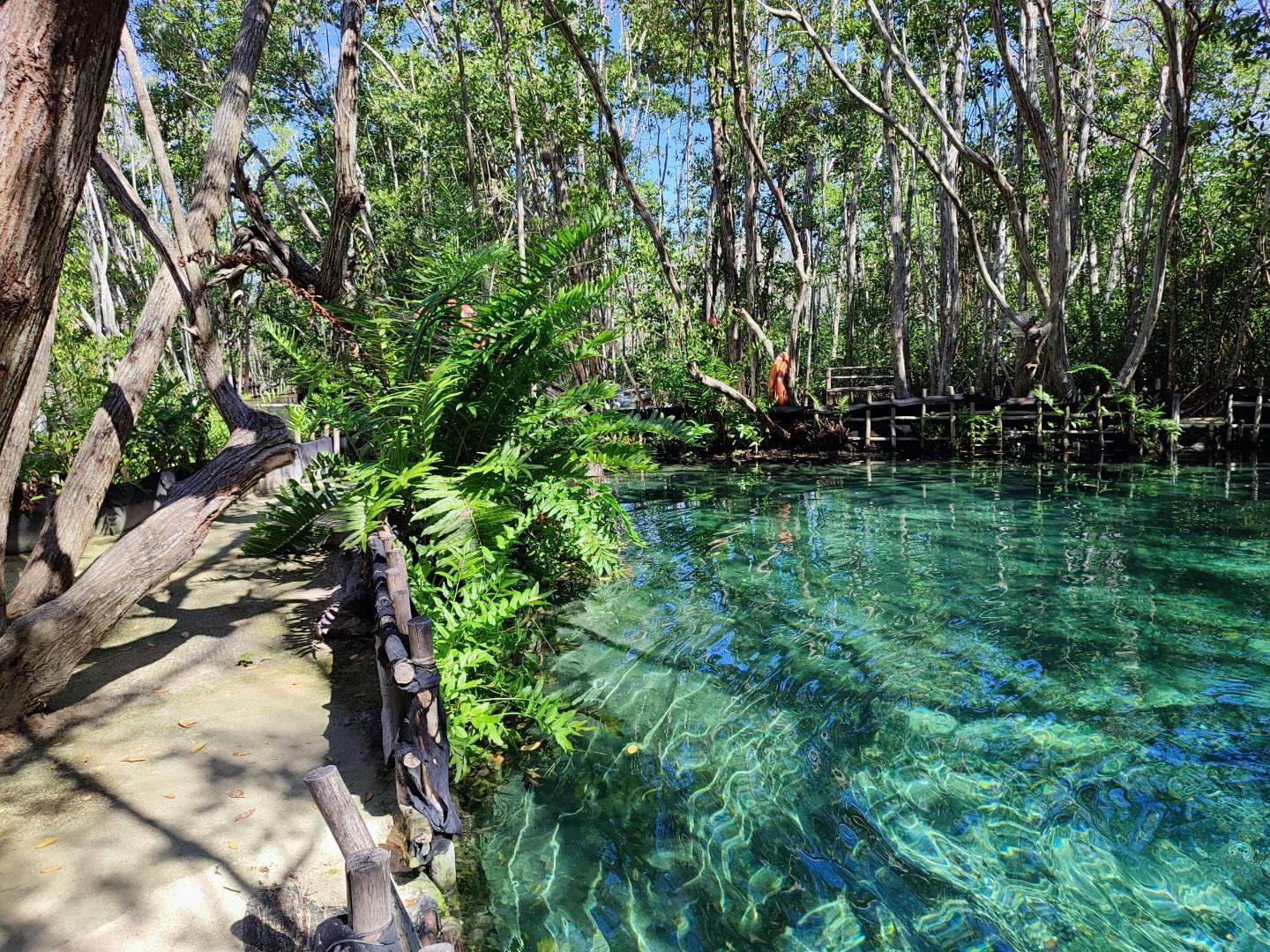
Progreso
Progreso, a coastal city in the state of Yucatán, offers travelers a relaxed atmosphere with strong ties to the sea. Founded in 1871 as a port to support trade in the region, Progreso now welcomes both cargo ships and cruise liners to its shores. Its most defining feature is the Progreso Pier, one of the longest in the world, stretching over 6 kilometers into the Gulf of Mexico.
