
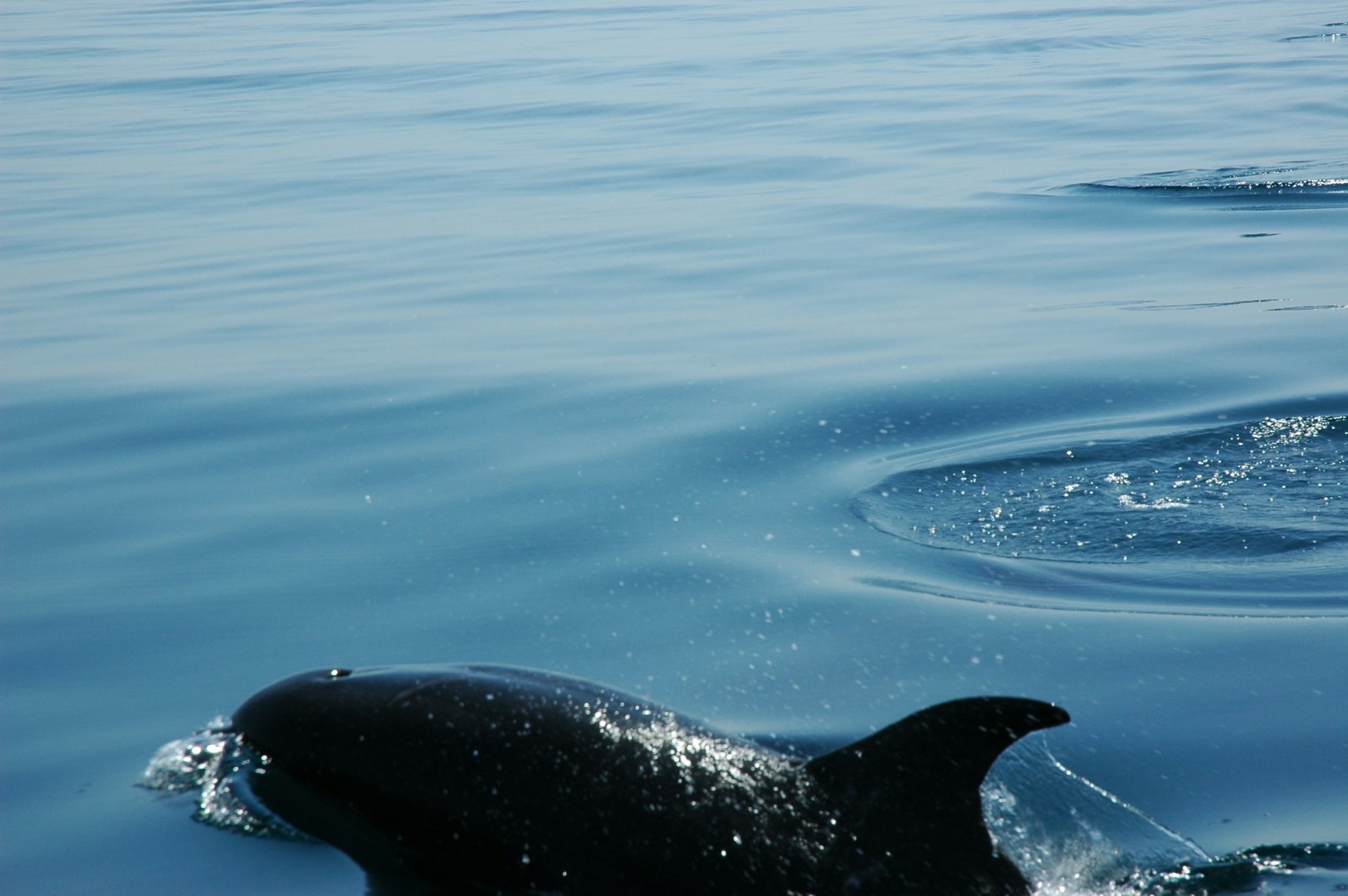
Gulf of California
The Gulf of California, also known as the Sea of Cortez, is a dazzling stretch of water that separates the Baja California Peninsula from mainland Mexico. This remarkable body of water offers a paradise for nature enthusiasts and adventure seekers alike.
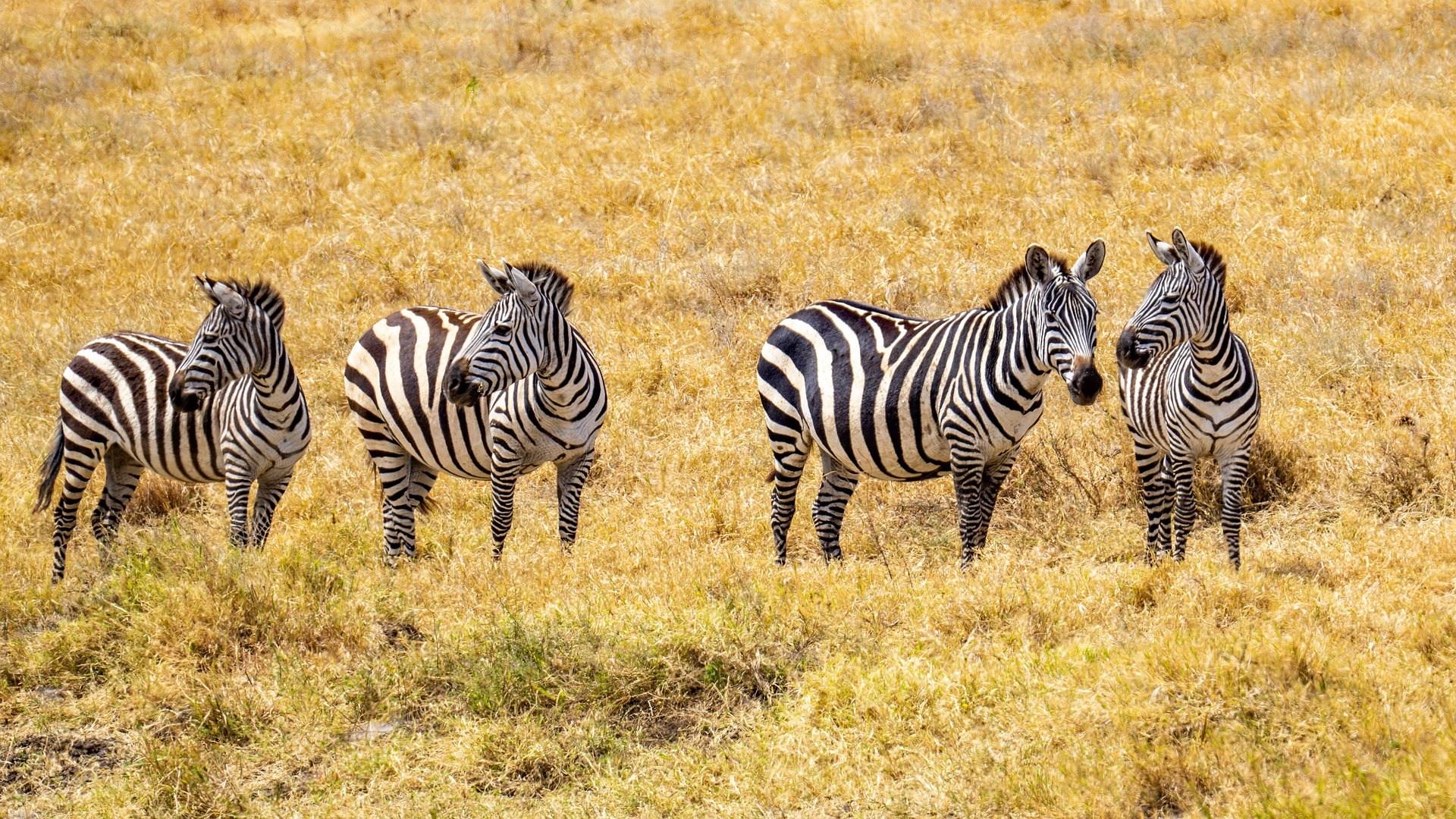
Tanzania
Tanzania, located in East Africa along the Indian Ocean, is a country of extraordinary landscapes and cultural diversity. It is home to Africa’s tallest peak, Mount Kilimanjaro, and vast plains such as the Serengeti, where wildlife roams freely across open savannas.
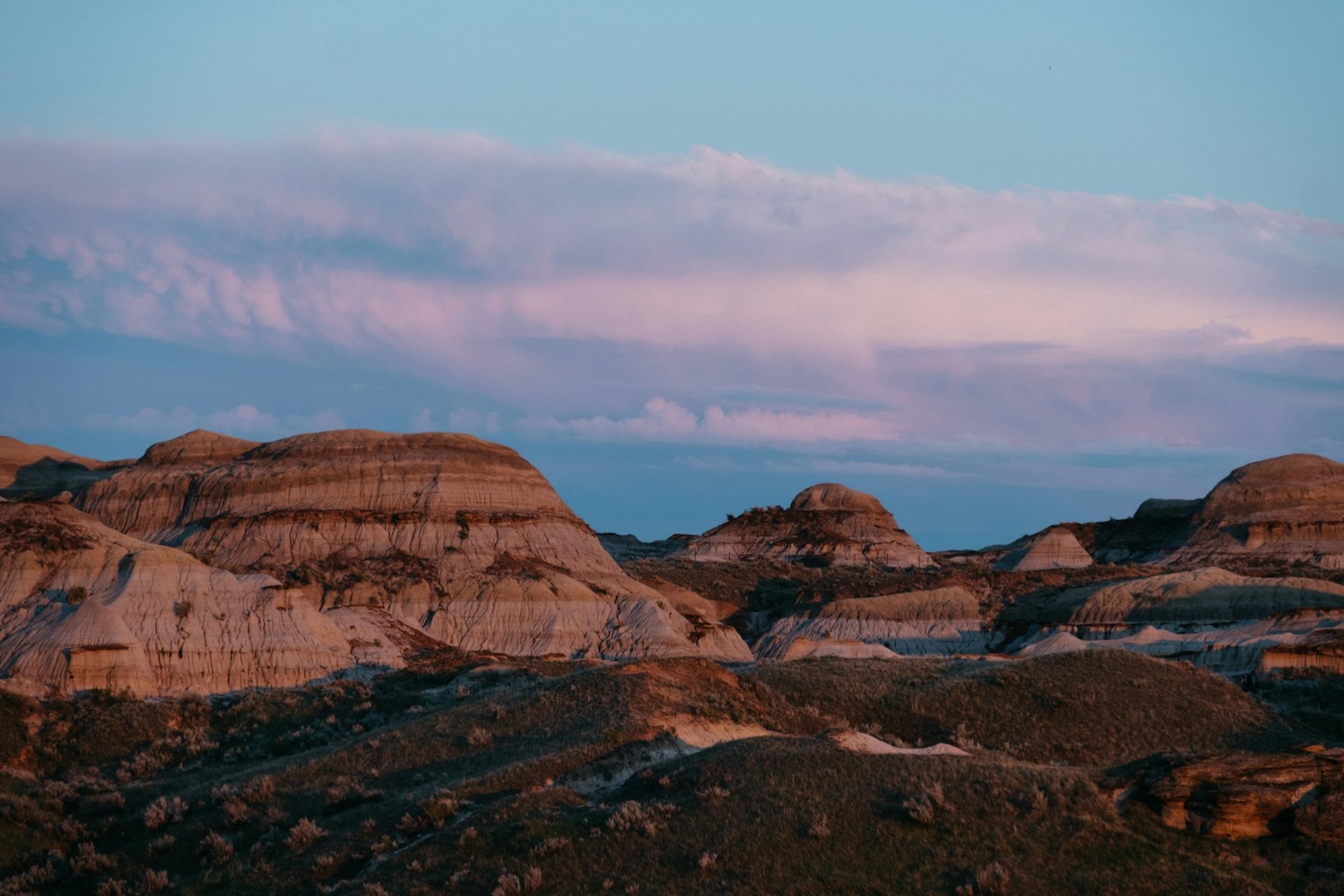
Dinosaur Provincial Park
Dinosaur Provincial Park lies in the badlands of southeastern Alberta, along the Red Deer River. The park is recognized as a UNESCO World Heritage Site for both its geological landscape and its exceptional fossil record. Its dry valleys, eroded cliffs, hoodoos, and exposed rock layers reveal sediments from the Late Cretaceous period, when the region supported a very different ecosystem.
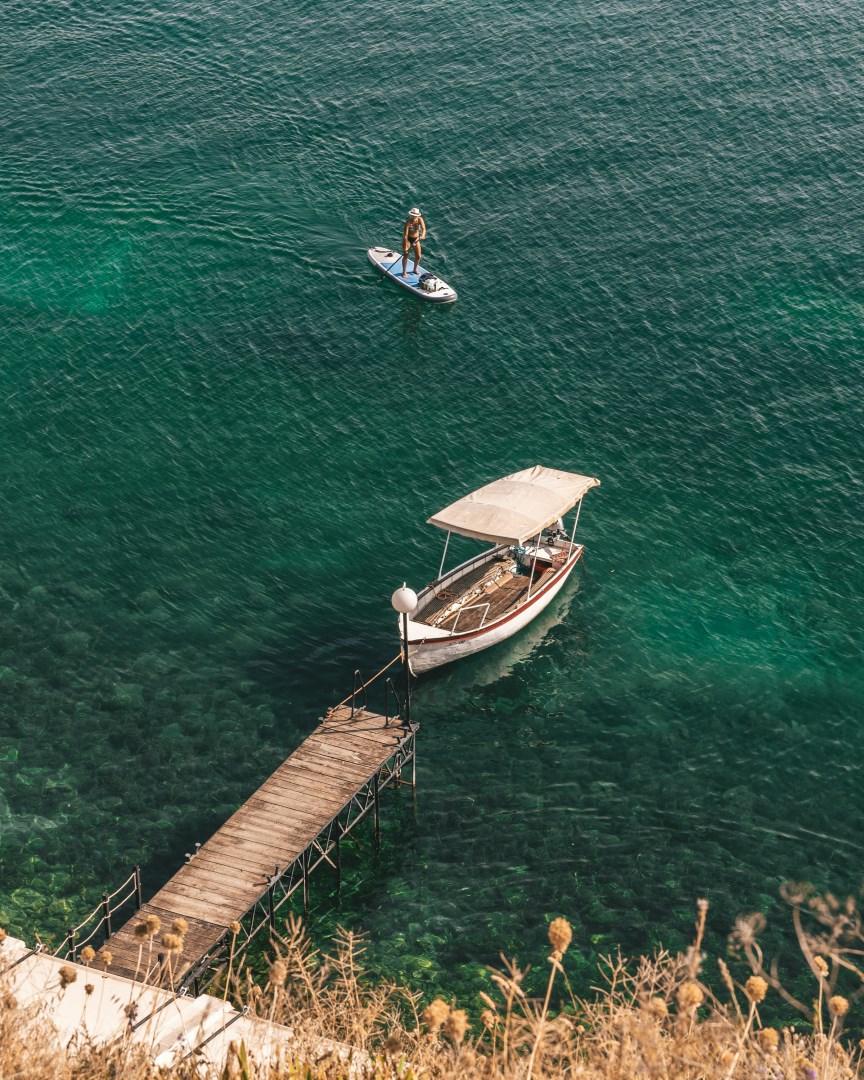
Lake Ohrid
Lake Ohrid, a natural tectonic lake in the south-west corner of Macedonia, is the oldest lake in Europe and one of the oldest lakes in the world. Formed tectonically between four and ten million years ago, the lake is situated in limestone bedrock. Nestled amid mountains at an altitude of 2290 feet, the lake offers striking vistas of the surrounding beach and hills.
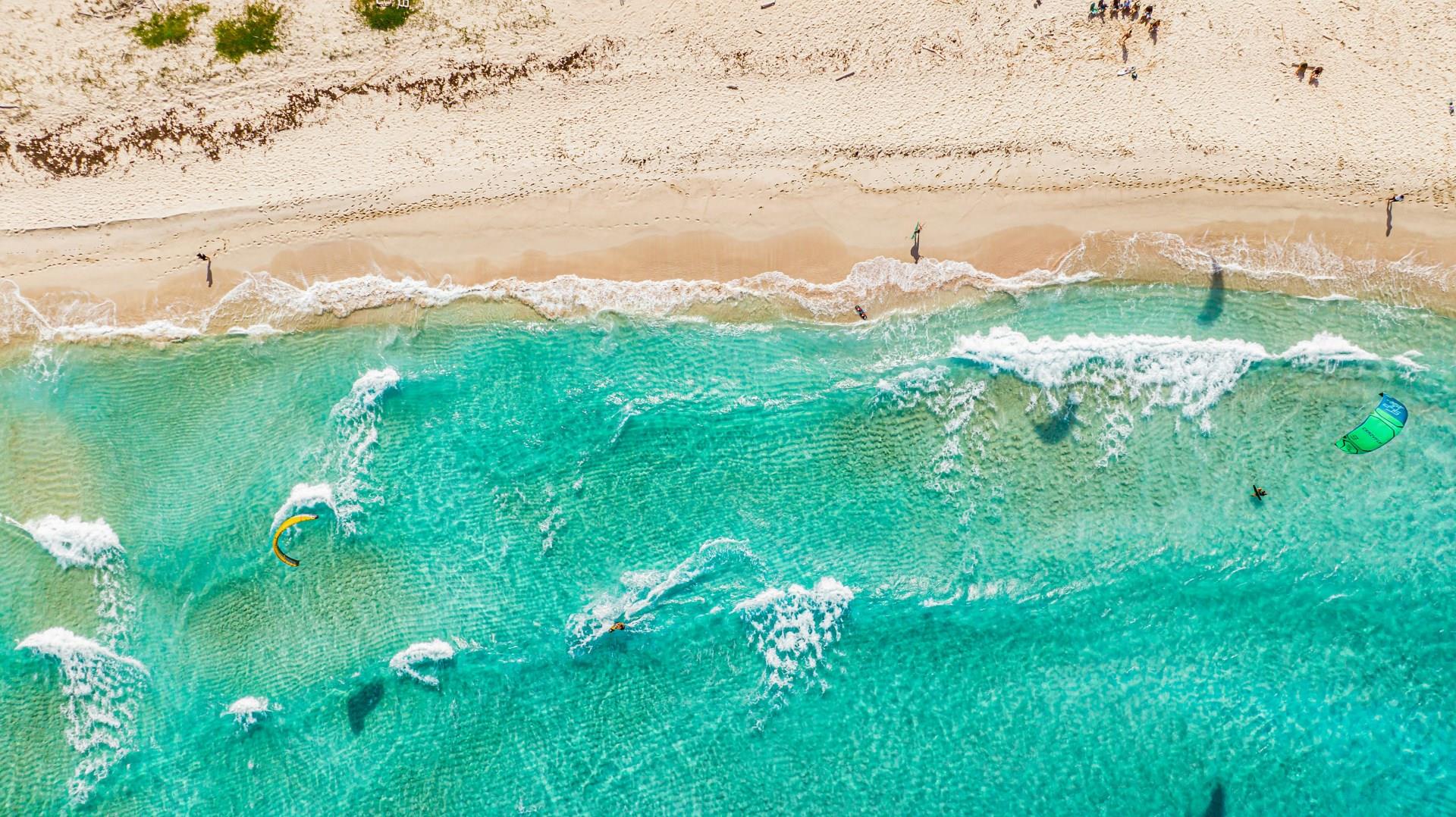
San Nicolas
San Nicolas, known as Aruba’s “Sunrise City,” offers a completely different vibe from the island’s resort-heavy northwest coast. Located at the southeastern tip, this former oil refinery town has reinvented itself as the cultural heart of Aruba, filled with vibrant street art, local galleries, and a strong sense of community.
