
Nome
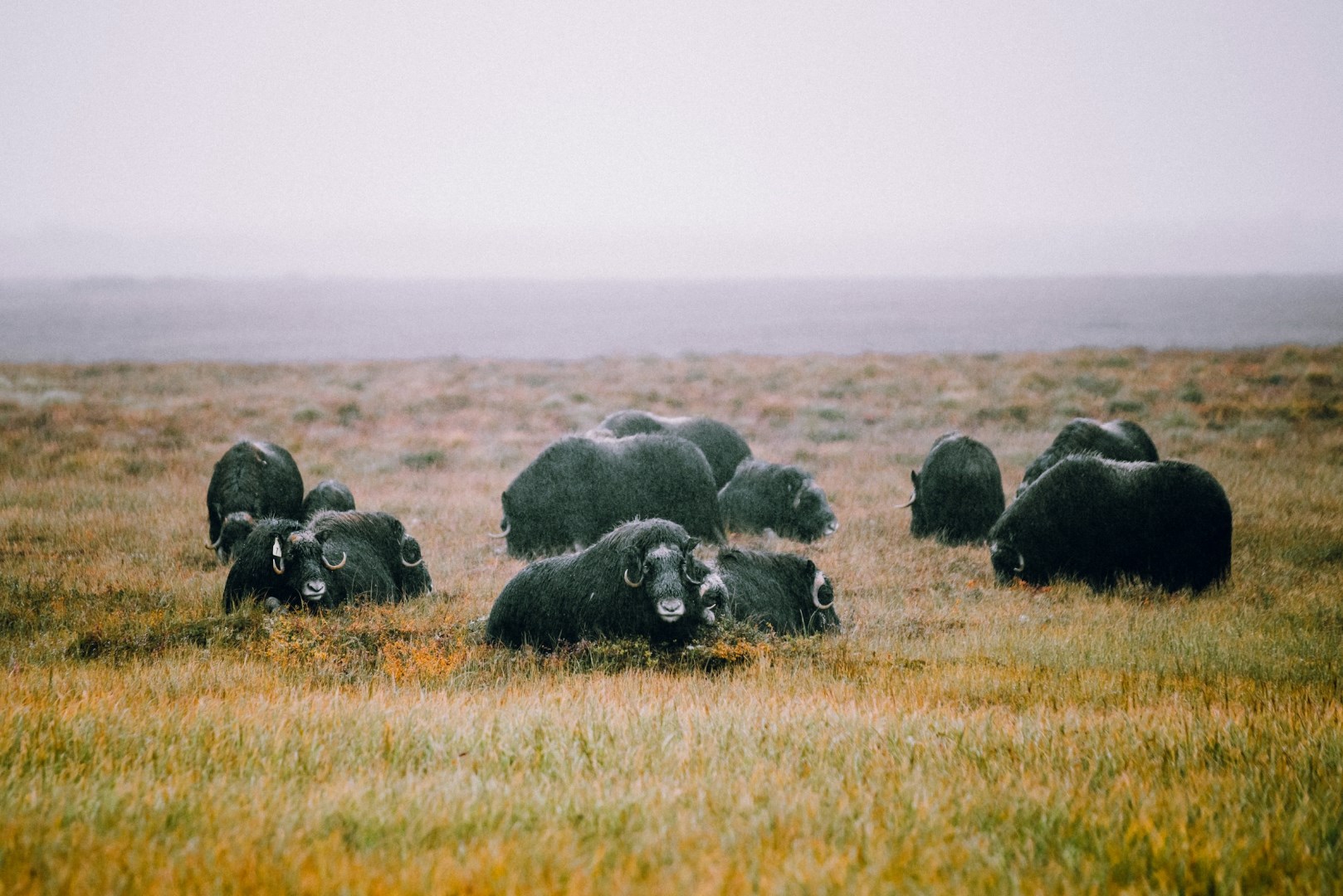
Nome is a coastal city on the southern Seward Peninsula in western Alaska, facing Norton Sound and the Bering Sea. Its remote location places it far from Alaska's major road network, with access primarily by air and seasonal sea travel. The surrounding landscape consists of tundra, low mountains, wetlands, beaches, and broad coastal plains. Nome is best known for its connection to gold mining and its role as a regional center for communities across western Alaska.
Wachau Valley
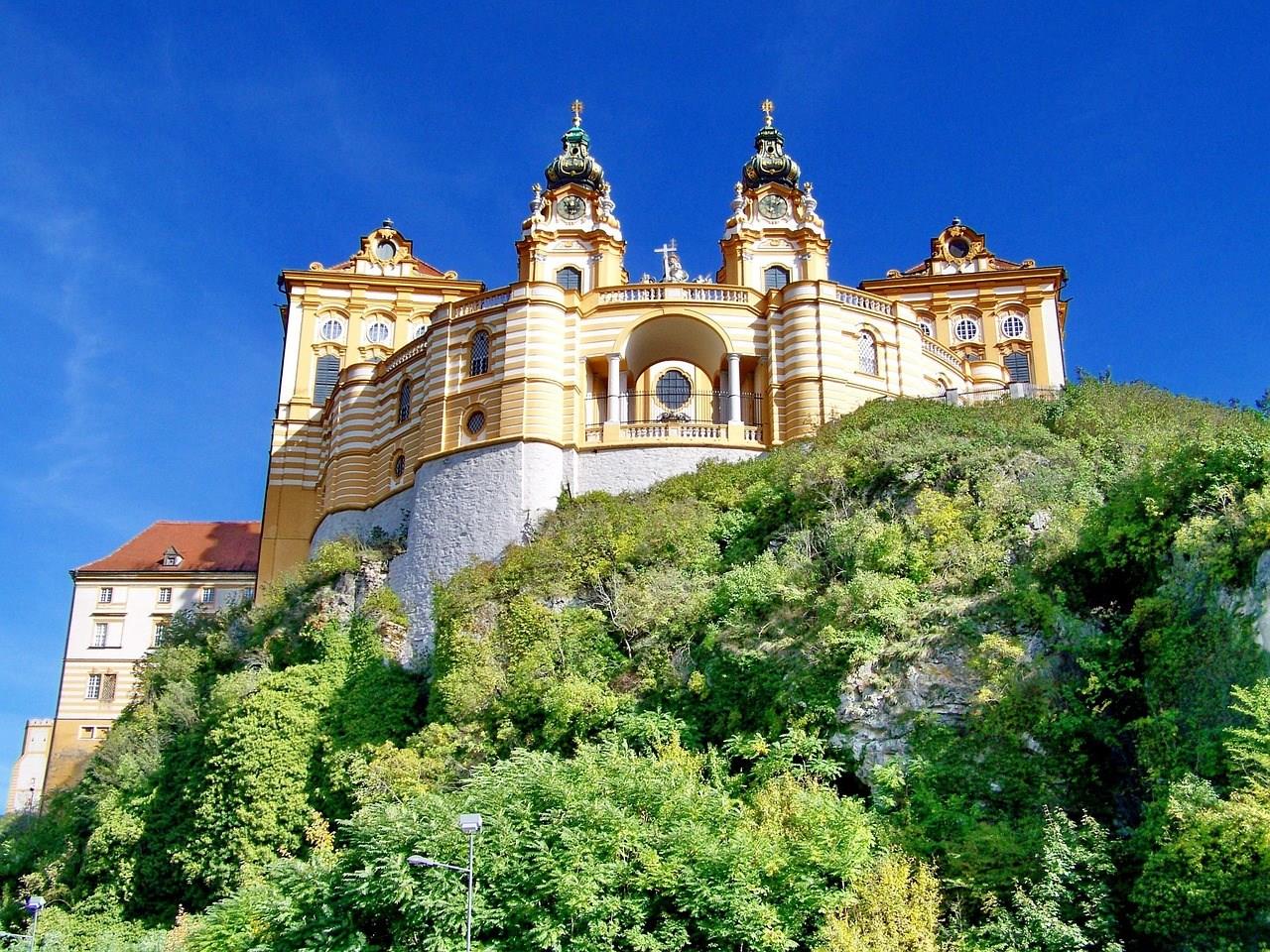
Austria’s Wachau Valley is a scenic stretch of the Danube River between Melk and Krems, known for its terraced vineyards, medieval towns, and a deep sense of history.

Namib Desert
The Namib Desert, one of the world’s oldest deserts, stretches along the western coast of Namibia, offering a landscape of stunning, otherworldly beauty. The name “Namib” means "vast place," and fittingly so, as this desert spans over 2,000 kilometers and includes some of the tallest sand dunes on Earth, such as those found in Sossusvlei.
West Point Island
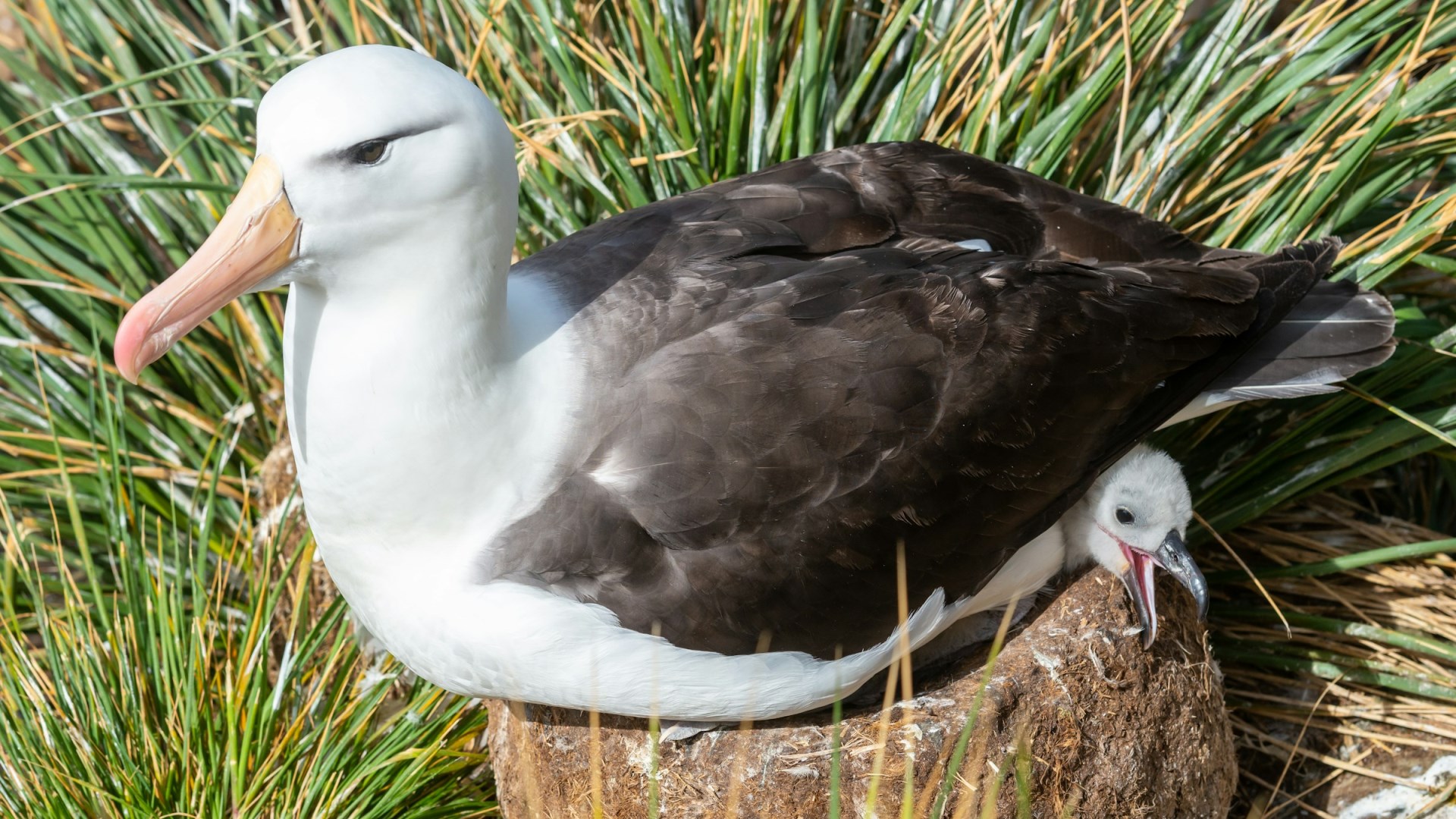
Originally known as Albatross Island, West Point Island boats some of the most spectacular coastal scenery in the Falklands as well as numerous species of plants, birds and marine mammals.
Grímsey
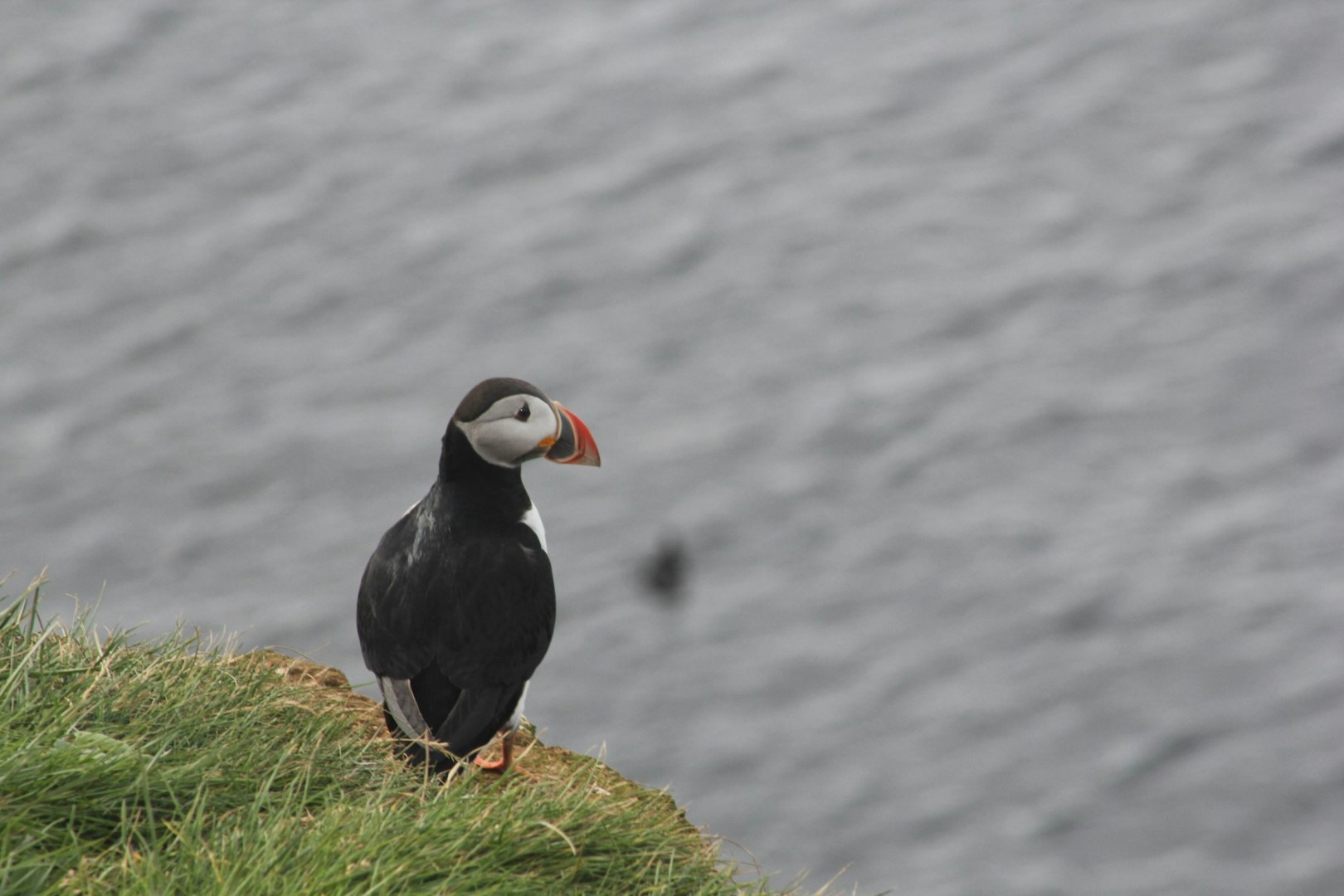
Grímsey is a small island in the Arctic Ocean, about 40 kilometers off the north coast of Iceland and the only part of the country crossed by the Arctic Circle. The island covers roughly 5.3 square kilometers and has a small settlement centered around its harbor. Fishing remains important to local life, while tourism has become another source of activity.
