

Aruba
Aruba, the “One Happy Island,” blends Caribbean charm with a distinct Dutch influence that shapes its culture, cuisine, and colorful architecture. Located just outside the hurricane belt, it enjoys year-round sunshine, making it a favorite destination for travelers seeking both relaxation and adventure.

Isla del Sol
Isla del Sol, or Island of the Sun, is one of the best-known islands in Lake Titicaca, Bolivia, located in the lake’s southern section near Copacabana. The island is shaped by steep hills, stone terraces, small farming communities, and broad views across the high-altitude lake toward the Andes. At about 3,810 meters above sea level, Lake Titicaca creates a distinctive setting where cultivated slopes meet deep blue water and distant mountain peaks.
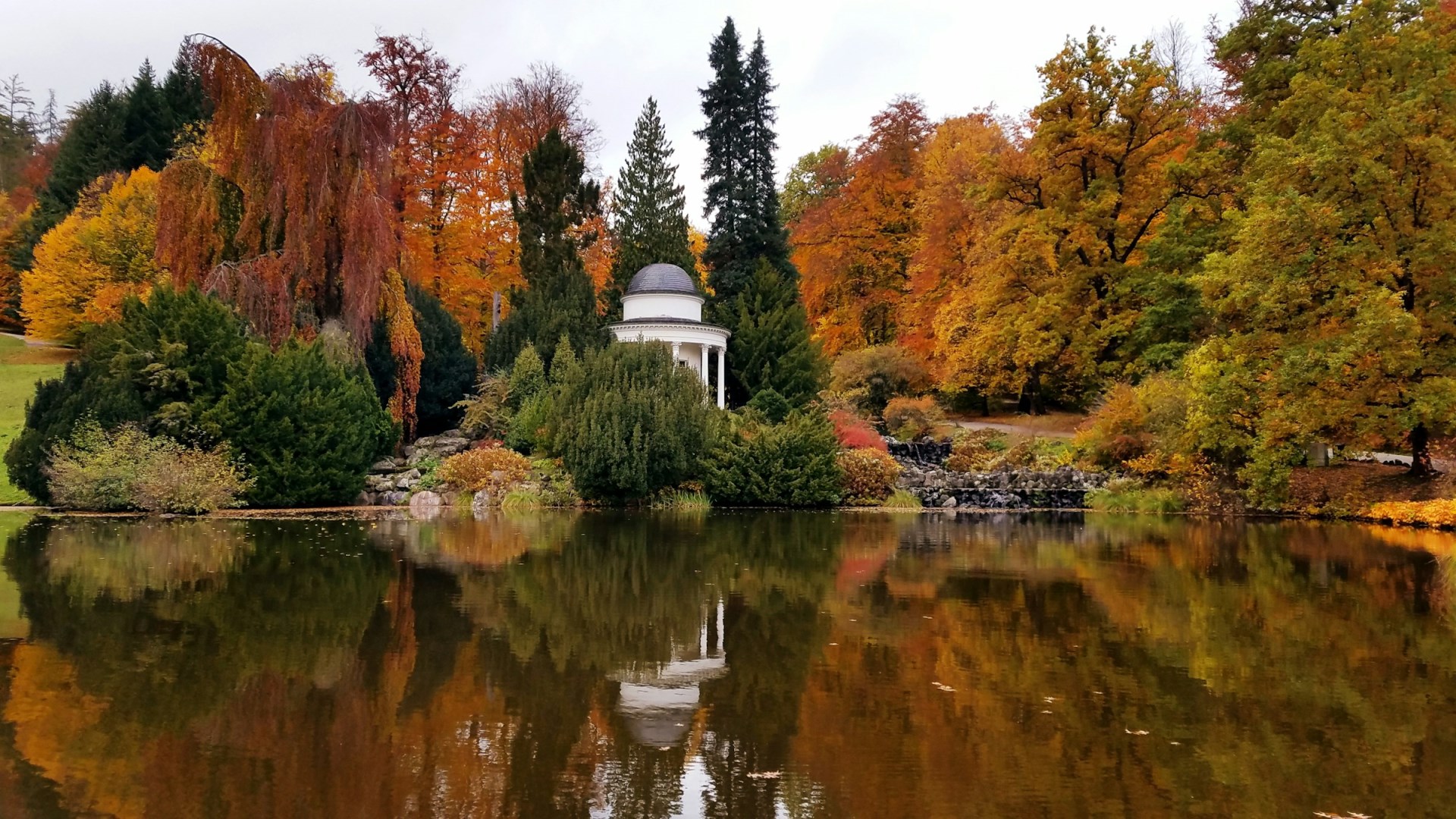
Kassel
Nearly 80% of the city was destroyed in WWII. It is now known for its many museums, including the Museum of Tapestry, the Brothers Grimm Museum and Fredericianum Museum.
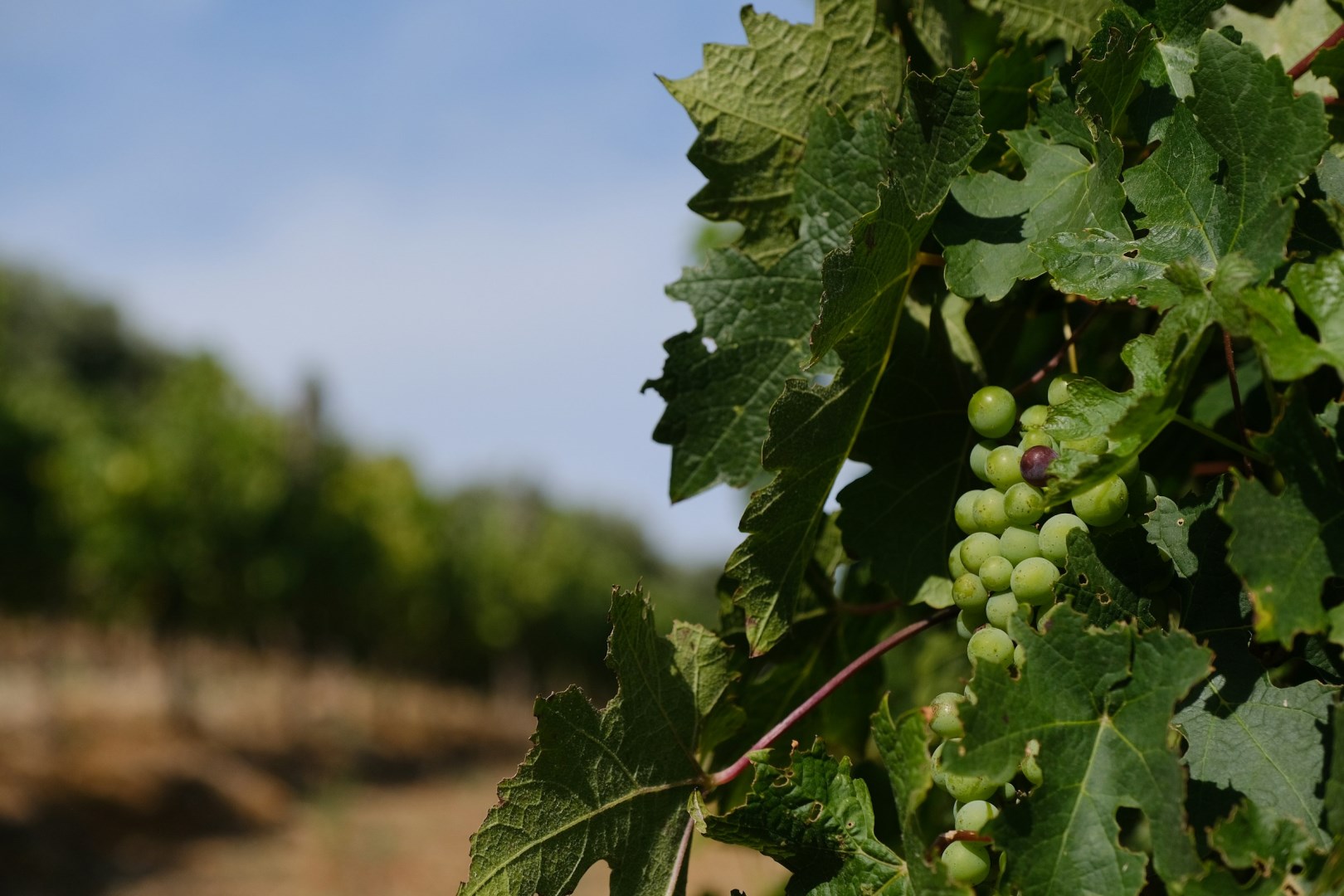
Cape Winelands
Cape Winelands is a wine-producing region in South Africa’s Western Cape, centered on towns such as Stellenbosch, Franschhoek, and Paarl. Vineyards cover broad valleys beneath the Hottentots Holland, Simonsberg, and Drakenstein mountain ranges, creating a landscape where cultivated farmland meets rugged slopes. Stellenbosch is known for its historic town centre and concentration of wine estates, while Franschhoek has a strong connection to French Huguenot heritage.

Fiordland National Park
Fiordland National Park, located on the southwestern tip of New Zealand's South Island, is a breathtaking wilderness that captivates visitors with its dramatic landscapes of towering fjords, cascading waterfalls, and lush rainforests. Established in 1952, Fiordland is part of the Te Wahipounamu UNESCO World Heritage site, recognized for its stunning natural beauty and unique biodiversity.
