
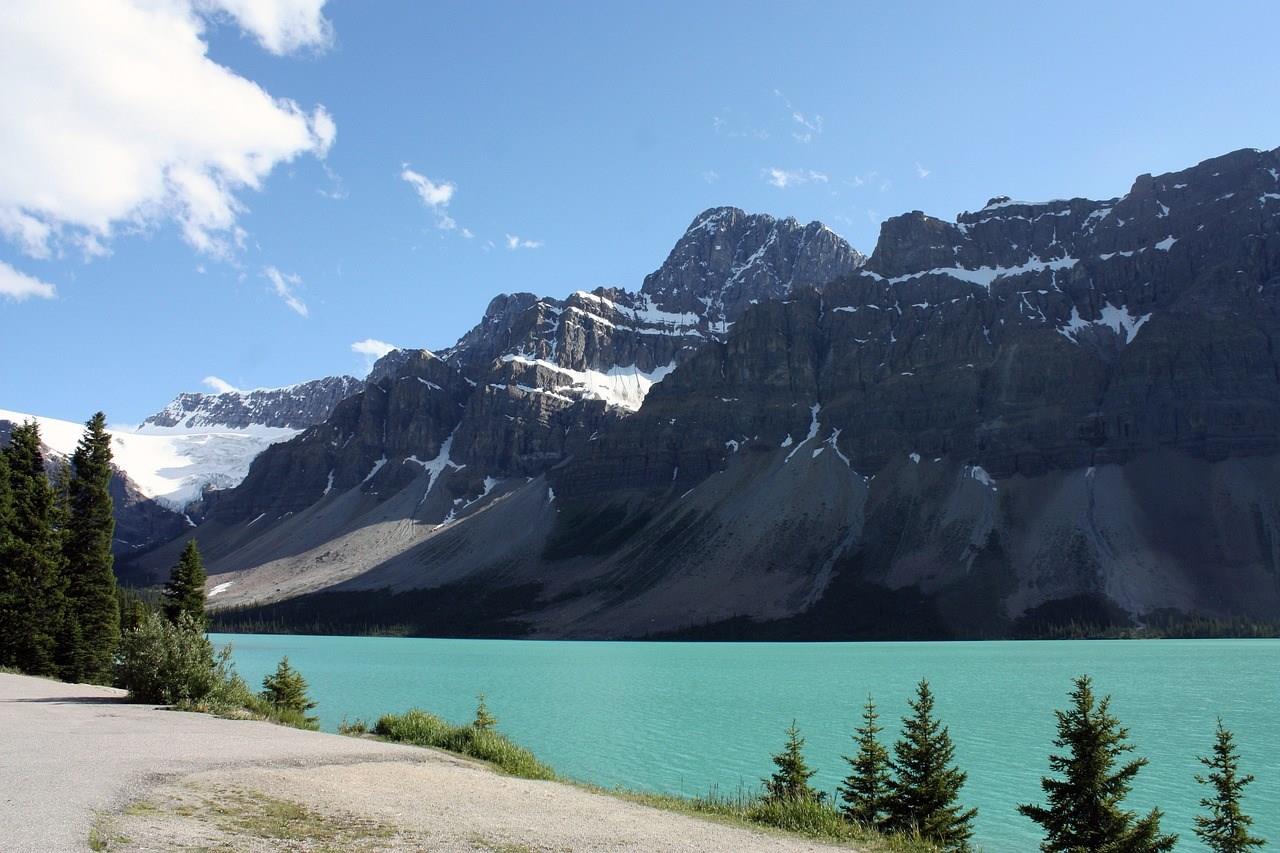
Jasper National Park
Jasper National Park, located in the heart of the Canadian Rockies in Alberta, is a breathtaking destination known for its stunning natural beauty and diverse wildlife. Spanning over 11,000 square kilometers, it is the largest national park in the Canadian Rockies and offers a wide range of outdoor activities such as hiking, camping, and wildlife viewing.
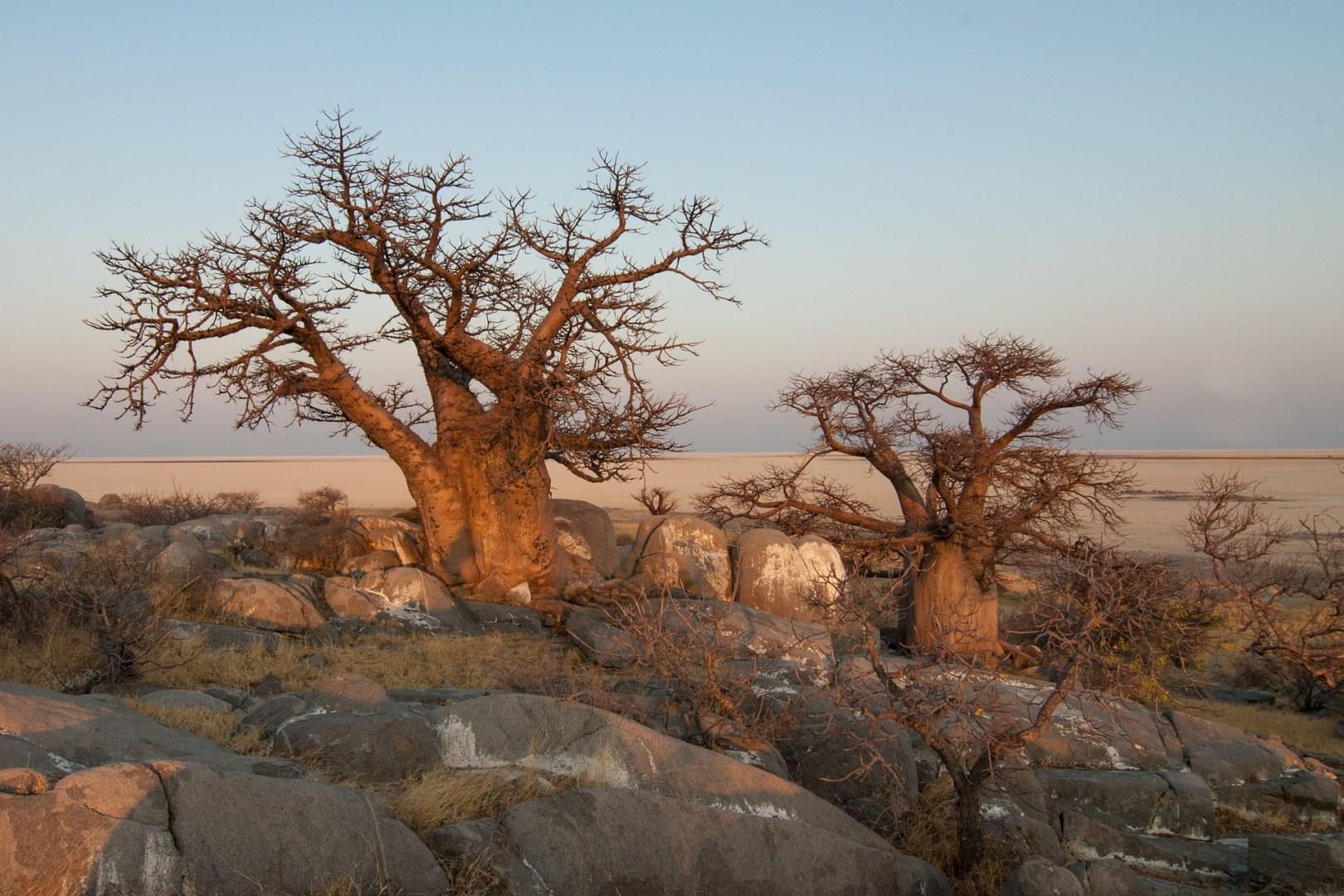
Botswana
Botswana, a jewel of southern Africa, offers a captivating blend of natural beauty and unique wildlife experiences. The country is renowned for its pristine wilderness areas, including the Okavango Delta, a UNESCO World Heritage site. This sprawling inland delta floods annually, creating a lush oasis in the Kalahari Desert. Here, visitors can explore a maze of waterways and lagoons by traditional mokoro canoe, spotting a rich array of wildlife such as elephants, hippos, and various bird species.
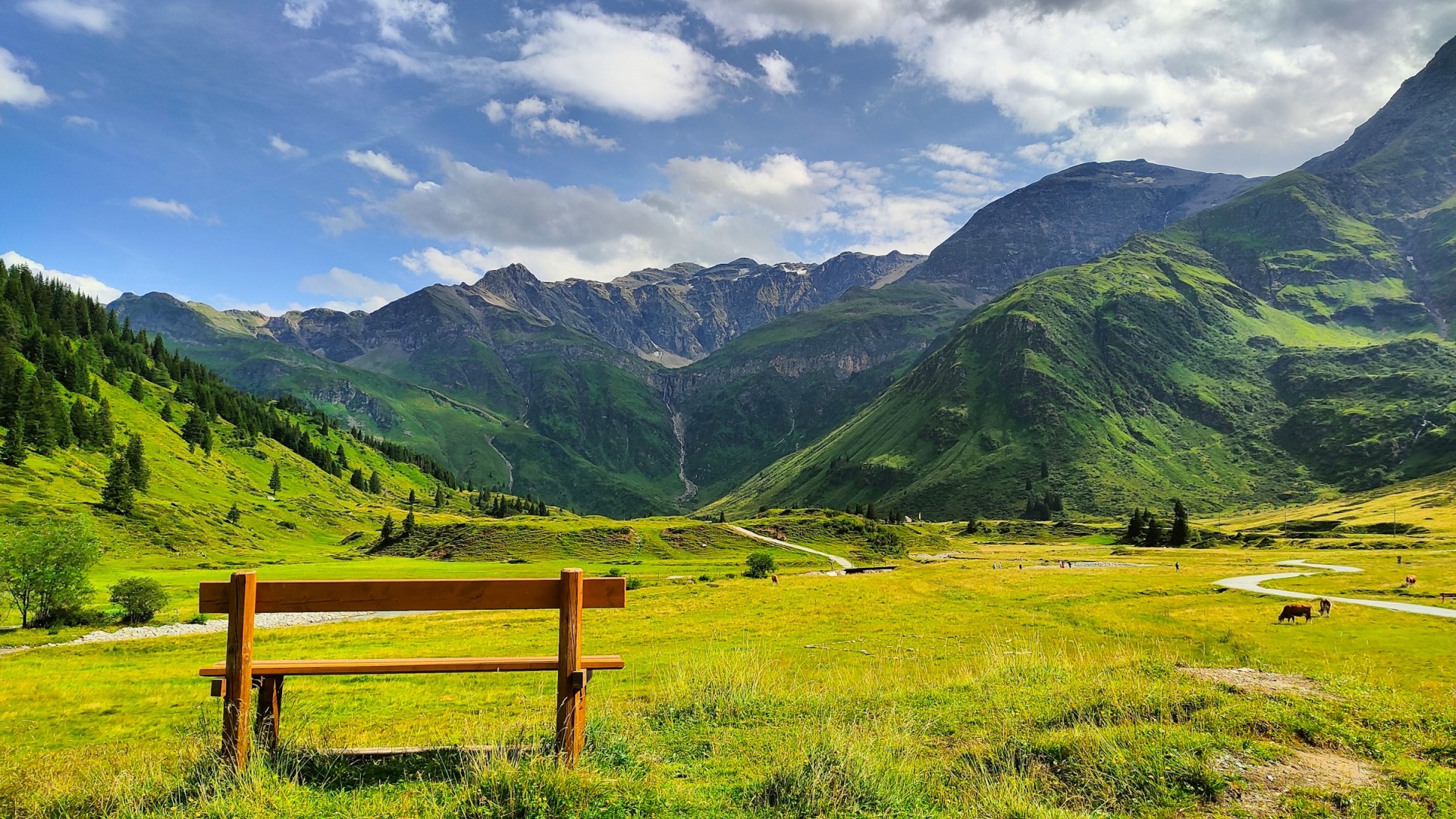
Bad Gastein
Bad Gastein is a mountain spa town in the Gastein Valley of Salzburg province, set at about 1,000 meters above sea level within the Hohe Tauern region. The town is built on steep slopes around the Gasteiner Ache, with historic buildings rising above the valley and mountains surrounding the settlement. Its most distinctive feature is the Gastein Waterfall, which drops through the center of town in three stages.
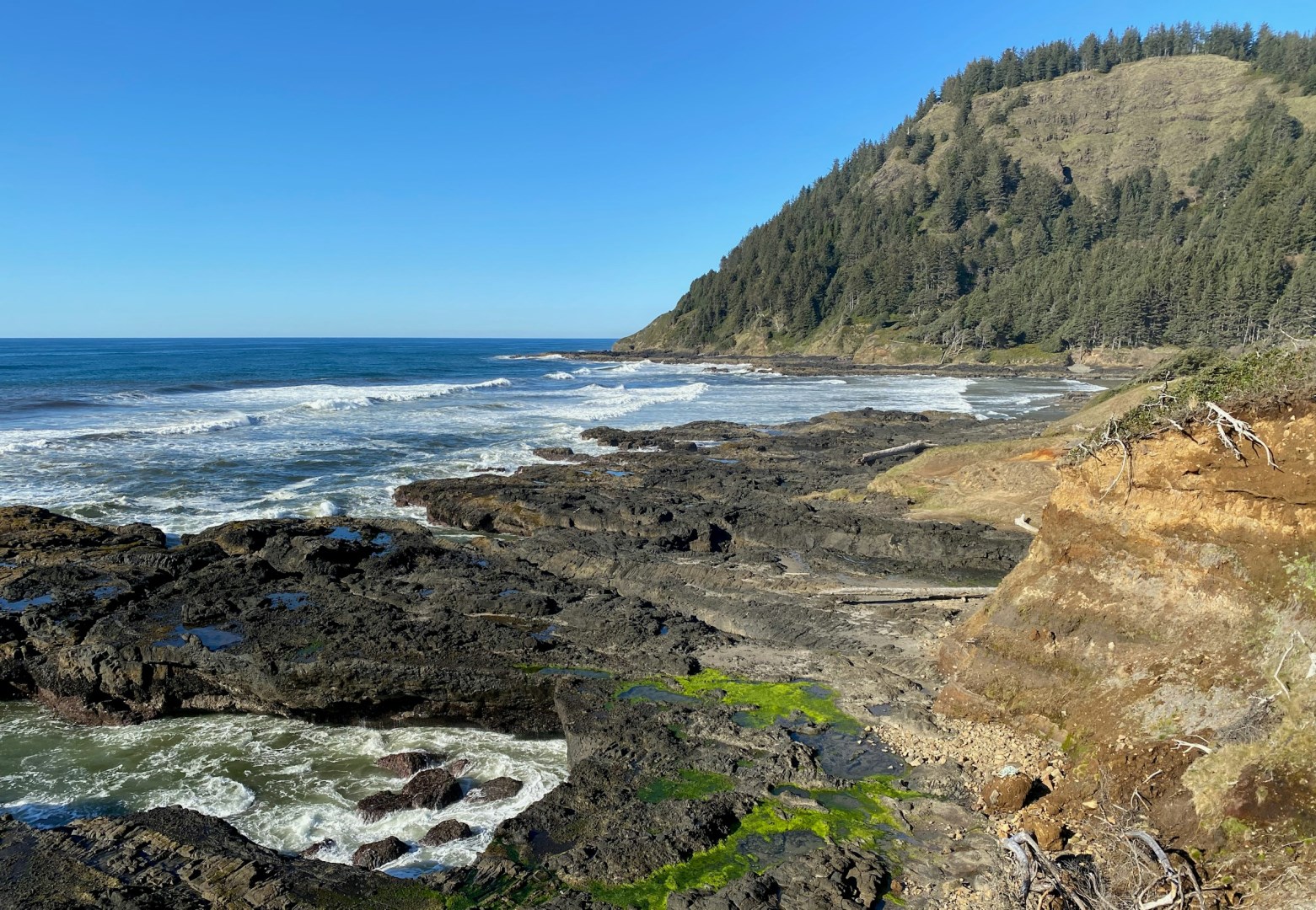
Cape Perpetua
Cape Perpetua is a rugged headland on the central Oregon Coast, rising above the Pacific Ocean south of Yachats. The area is part of the Siuslaw National Forest and combines dense coastal forest with steep cliffs, rocky beaches, tide pools, and open ocean views.
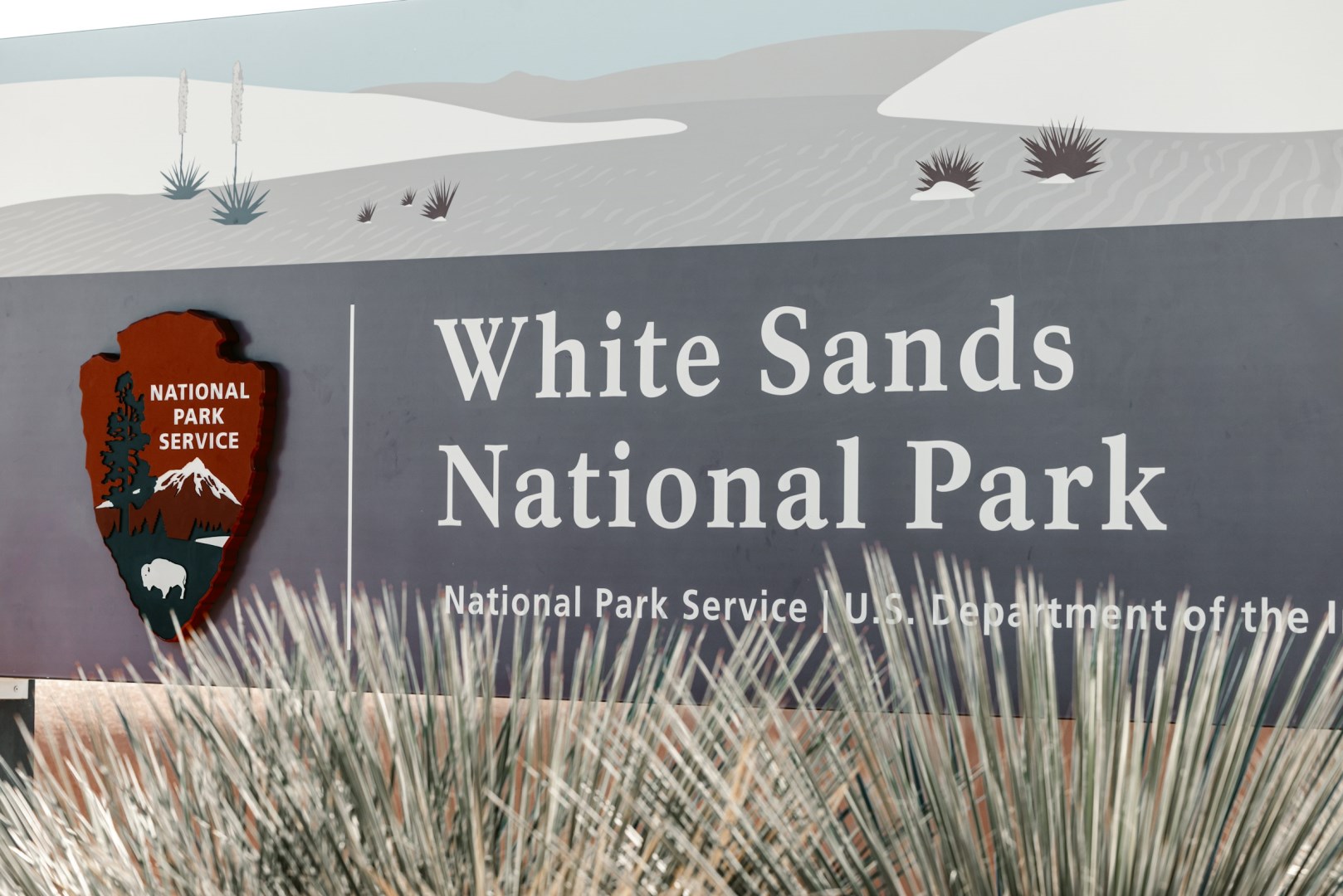
White Sands National Park
This is not your typical view of white sand. White Sands National Park is the world's largest gypsum dune field.
