
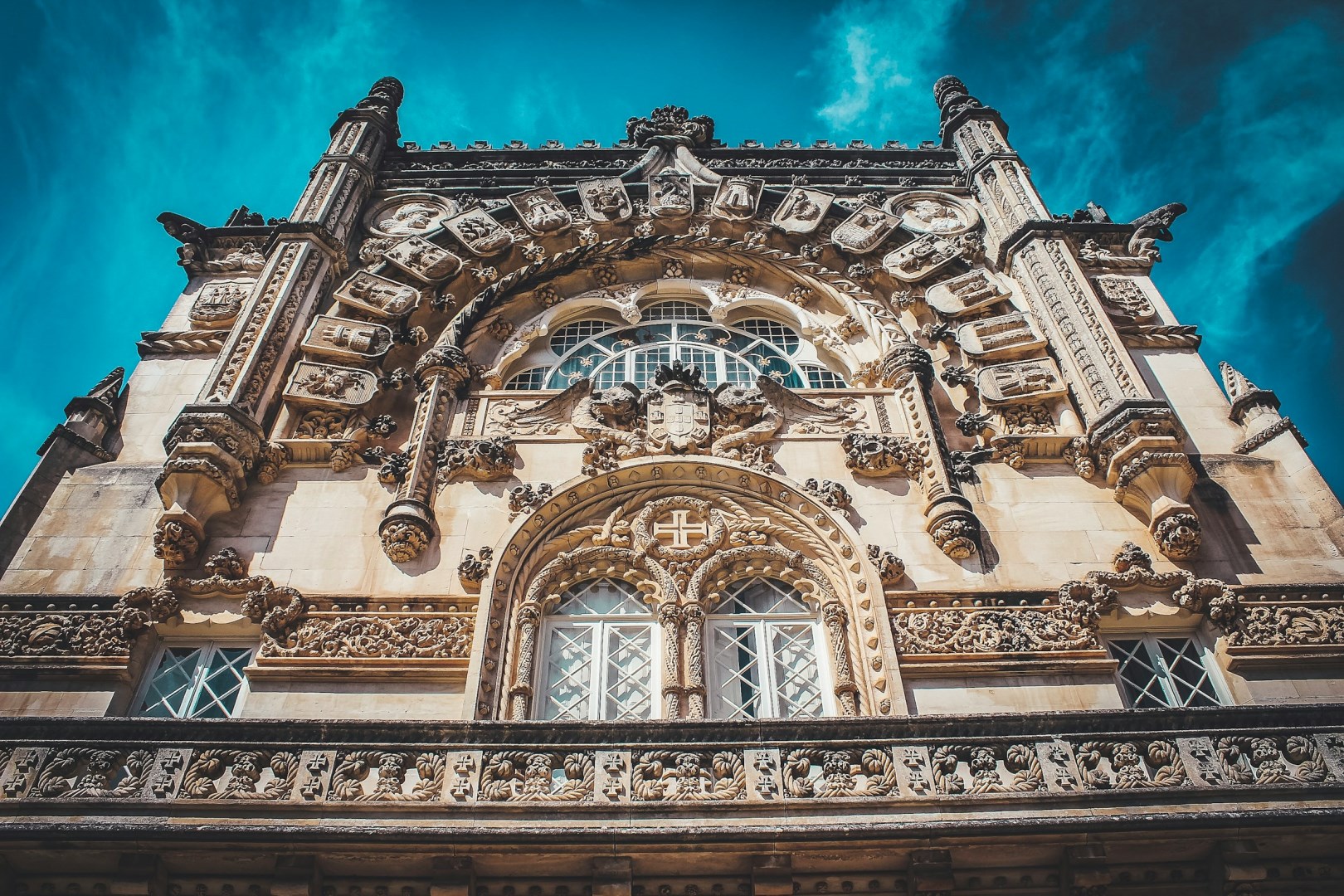
Portugal
Portugal offers a layered experience shaped by maritime history, deep-rooted traditions, and a coastline that stretches for nearly 1,800 kilometers. In Lisbon, the streets of Alfama wind uphill toward São Jorge Castle, where views of red-tiled rooftops and the Tagus River reveal how the city was rebuilt after the 1755 earthquake. Trams still clatter through narrow streets, and fado music, often performed in candlelit taverns, tells stories of longing and the sea.

Djúpivogur
Djúpivogur, a charming coastal village on Iceland’s eastern fjords, offers travelers an authentic and serene Icelandic experience. Nestled between majestic mountains and the tranquil Berufjörður fjord, this small fishing town is steeped in history and natural beauty. Its picturesque harbor, where colorful boats bob against a backdrop of rugged cliffs, is the heart of the town.
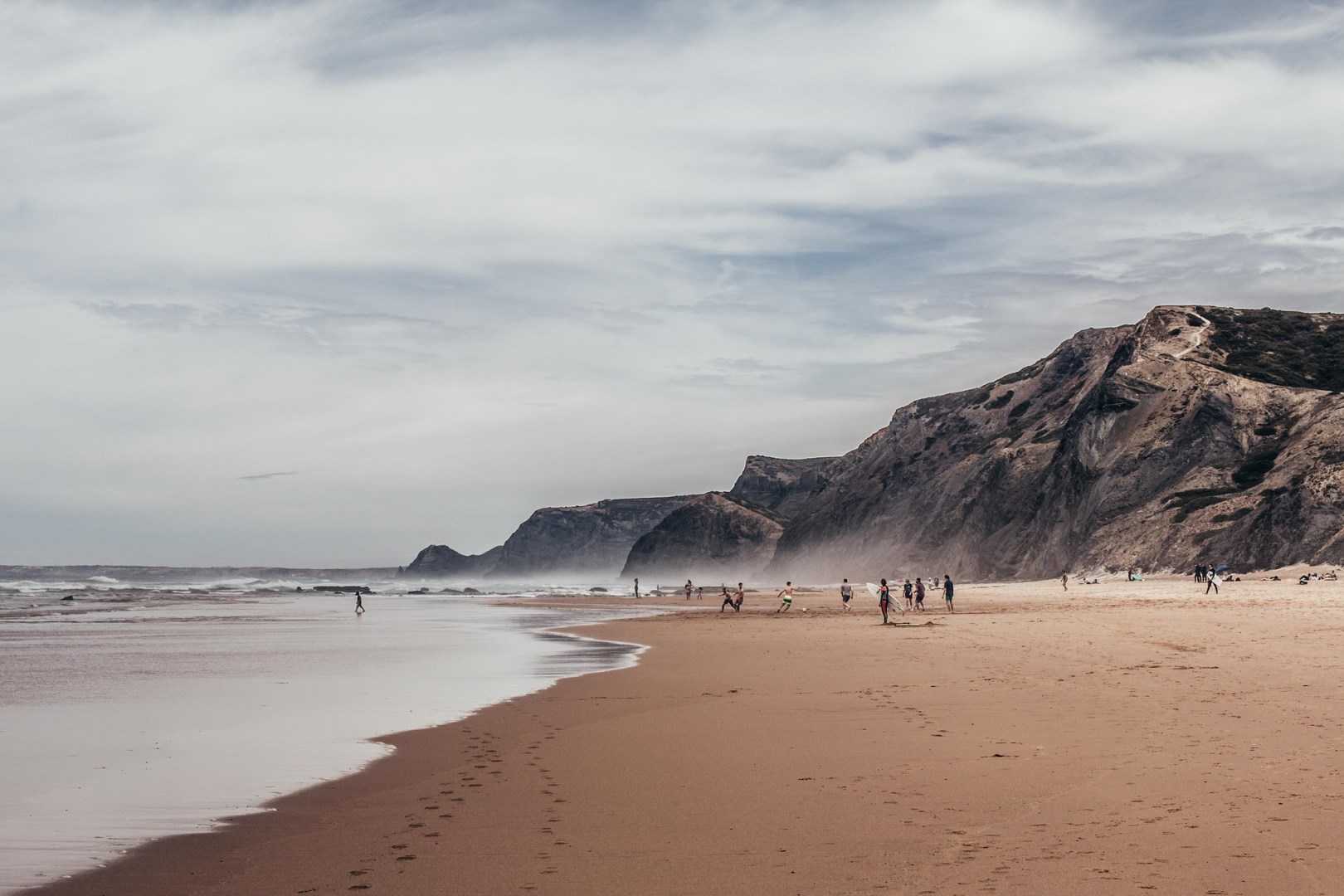
Faro
This is the most Moorish part of Portugal, the rich plain south of the Serra do Caldeirao, scalloped by the beaches and headlands of the Algarve. It is where, in early spring, blossoming almond trees carpet the still-brown hillsides with drifts of snow-like flowers, and the plain white facades of little houses are topped by intricately pierced chimneys that look like ice-cream cones.
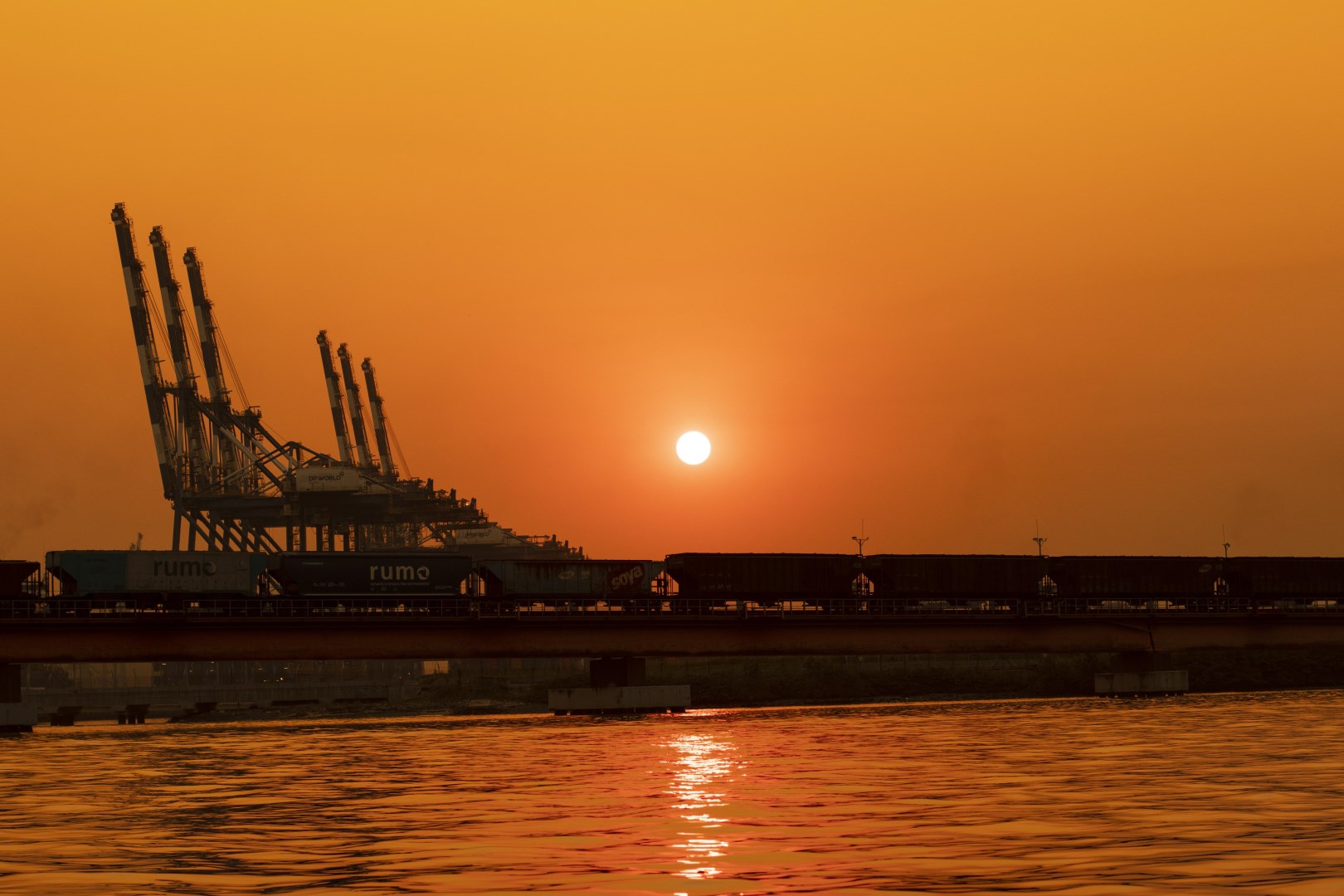
Santos
Santos is a coastal city in the state of São Paulo, Brazil, located on São Vicente Island along the Atlantic Ocean. It is best known as the home of the Port of Santos, the largest port in Latin America and one of the most important shipping centers in the Southern Hemisphere.
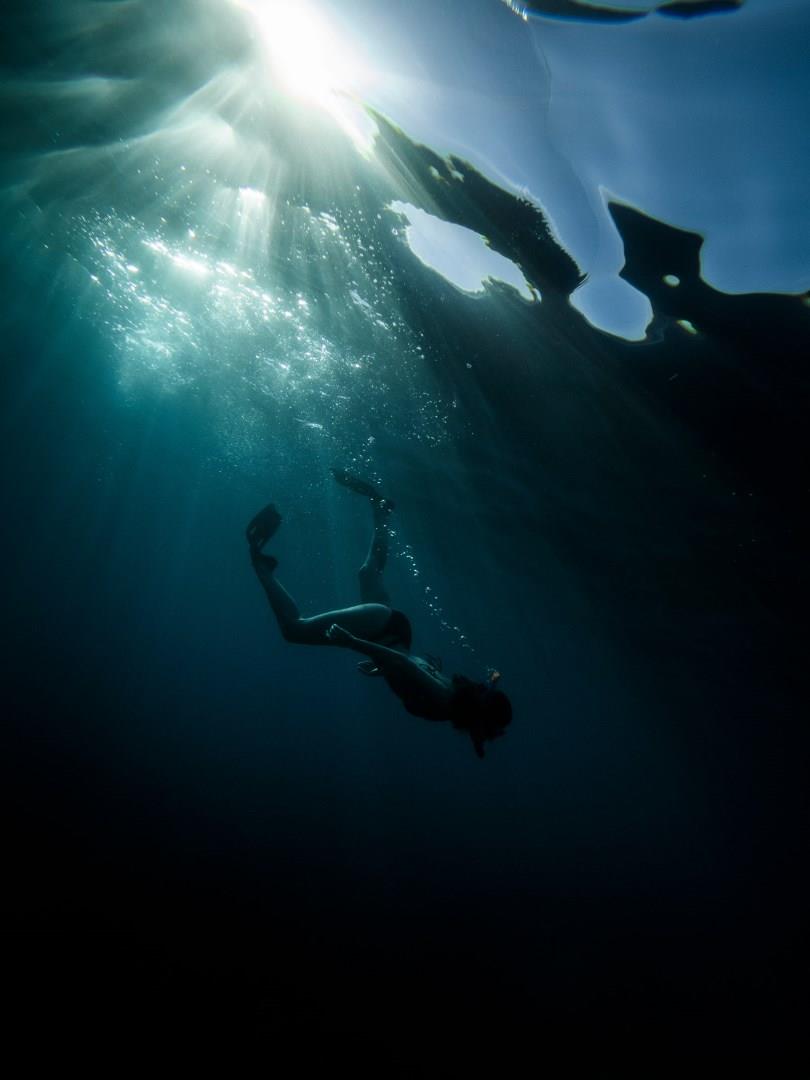
Cres
Cres is a large Adriatic island off Croatia’s northern coast, shaped by a long history of seafaring, pastoral life, and quiet isolation.
