
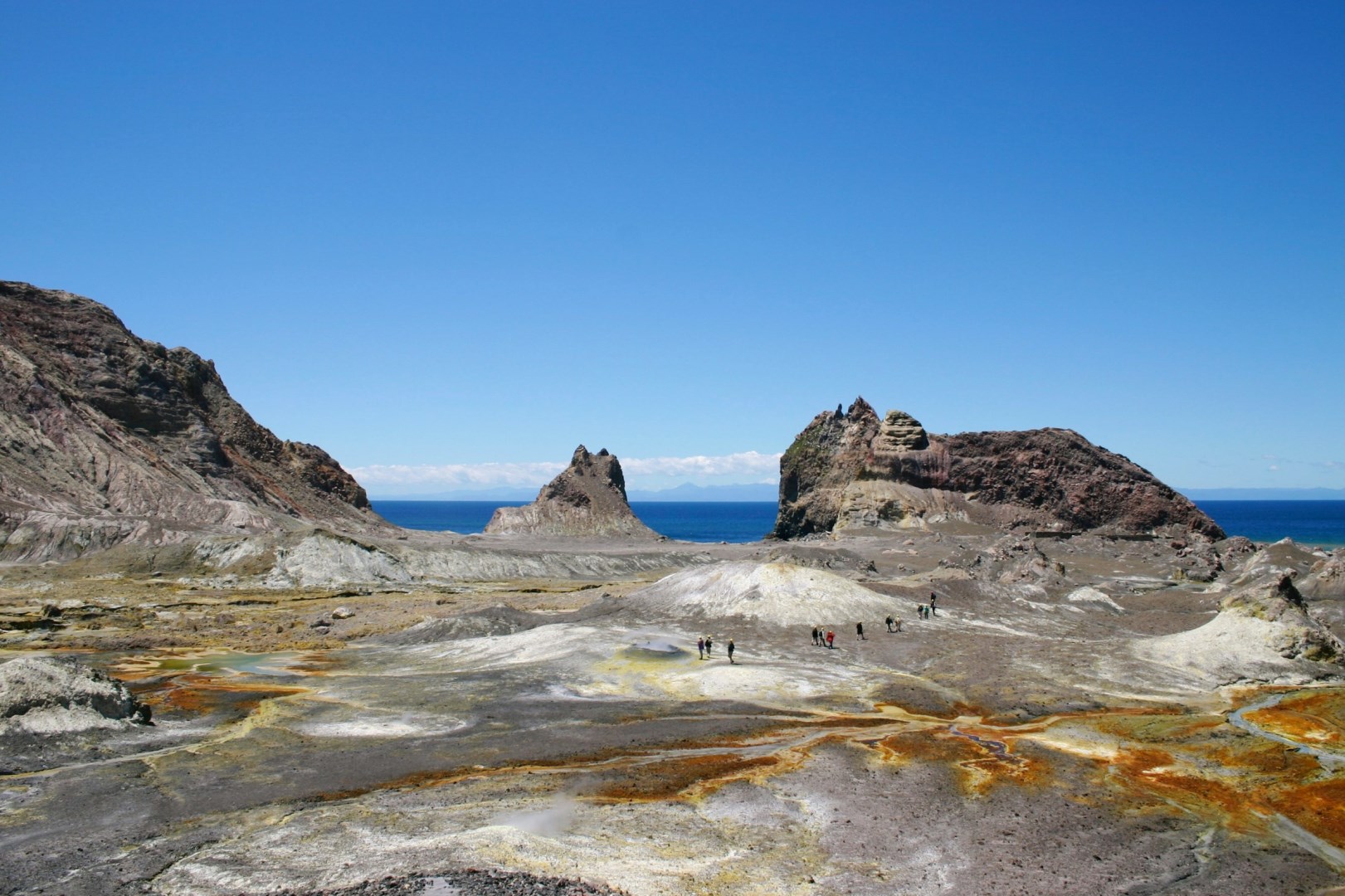
White Island Volcano
Do you want a vacation experience so unique and thrilling that you actually have to wear a hard hat? Look no further than New Zealand's White Island, where you can stand on an active volcano! Located offshore from Whakatane and Tauranga, White Island is New Zealand's only live marine volcano and one of the most active in the world. The tours are quite the experience, especially since you can hear the hissing and bubbling of the volcano all around you!

Easter Island
Easter Island, or Rapa Nui, is a remote gem in the southeastern Pacific Ocean that promises an extraordinary journey into the mysteries of Polynesian culture and history. Famous for its monumental stone statues known as moai, Easter Island captivates visitors with its enigmatic past. These colossal statues, crafted between 1400 and 1650 AD, are scattered across the island and are a testament to the islanders' sophisticated artistry and social organization.

Thessaloniki
A rich experience awaits you in this wealthy, energetic and youthful Greek city. Revel in cosmopolitan pleasures: sophisticated shops and cafes, markets hidden away beyond historic city squares, and the superlative Archaeological Museum are but a few.

Vukovar
Vukovar, a city in eastern Croatia, stands as a poignant symbol of resilience and beauty. Its rich history is etched into its architecture and monuments, telling the story of its resilience during the Croatian War of Independence.
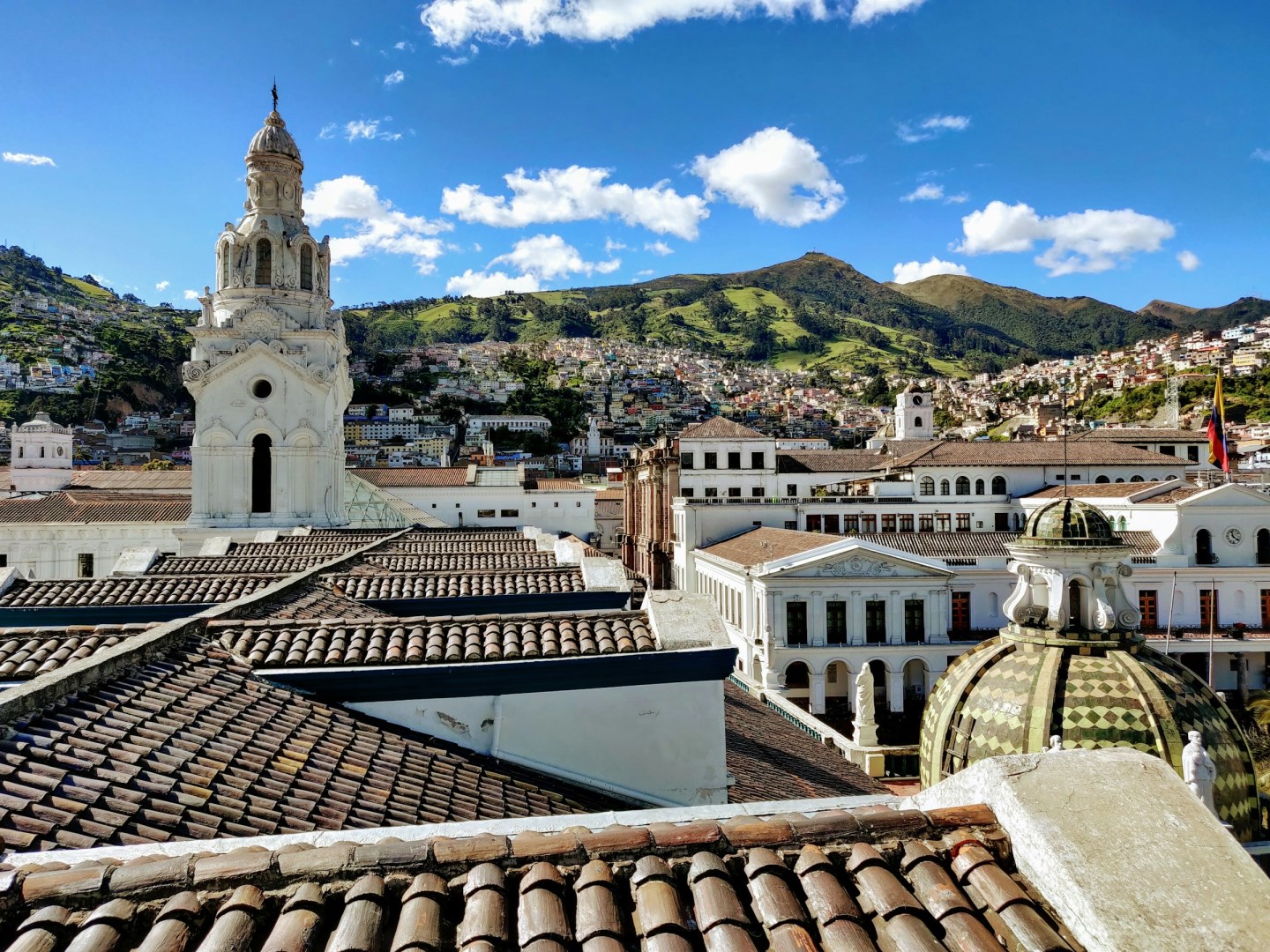
Quito
Situated on the equator and nestled beneath an imposing volcano, the rugged, sprawling, and vibrant city of Quito offers adventure galore. A South American gem and Ecuador’s capital, Quito combines the best of its Incan and Spanish influences in fascinating cultural attractions, and the city’s surrounding natural beauty will surely astound you.
