
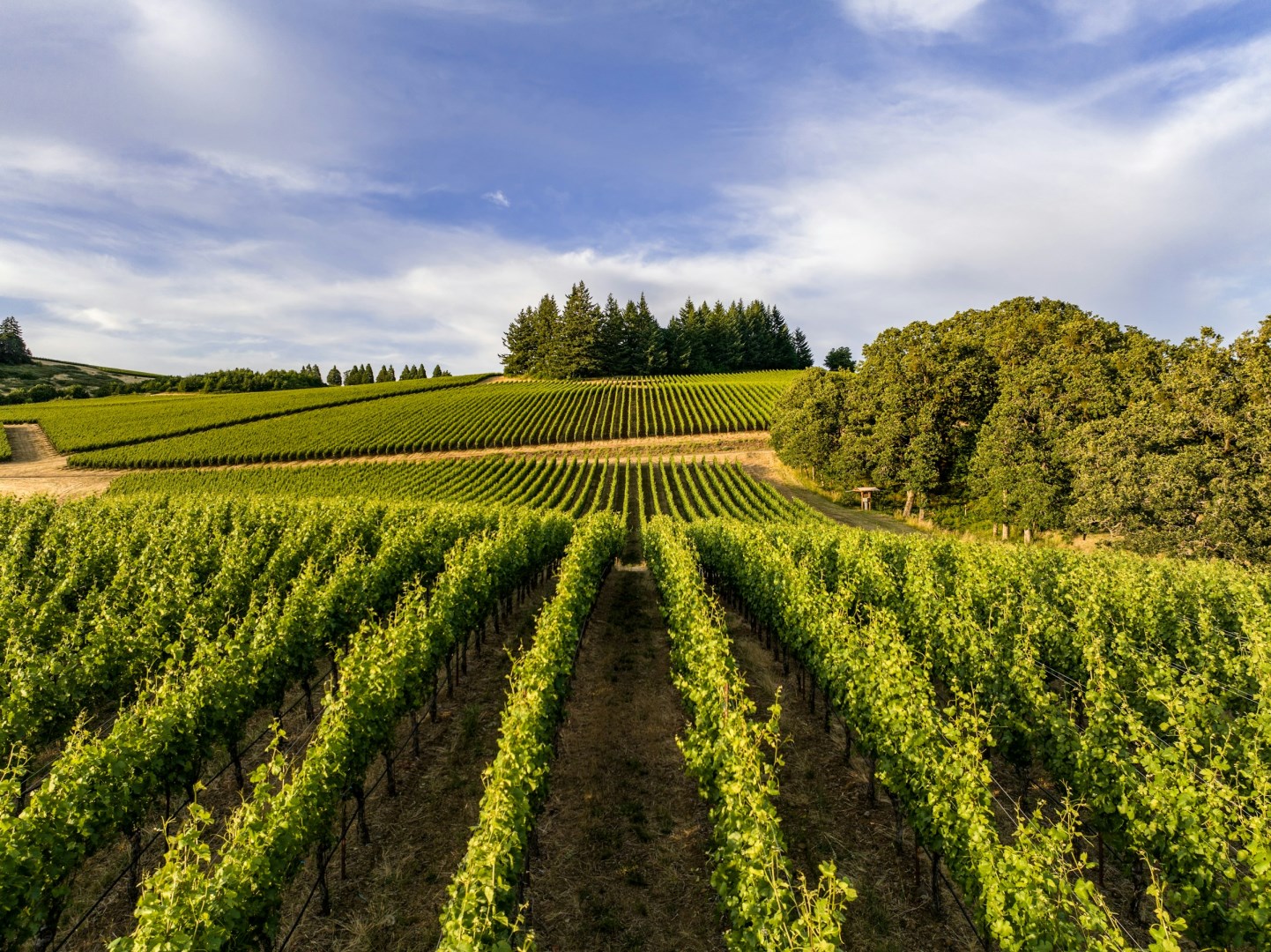
Willamette Valley
Willamette Valley is a broad agricultural valley in northwestern Oregon, stretching between the Cascade Range and the Coast Range. The Willamette River runs through its center, while fertile farmland, wooded foothills, vineyards, orchards, and small communities fill the surrounding landscape. Portland lies at the valley’s northern end, with Salem and Eugene among its principal cities.
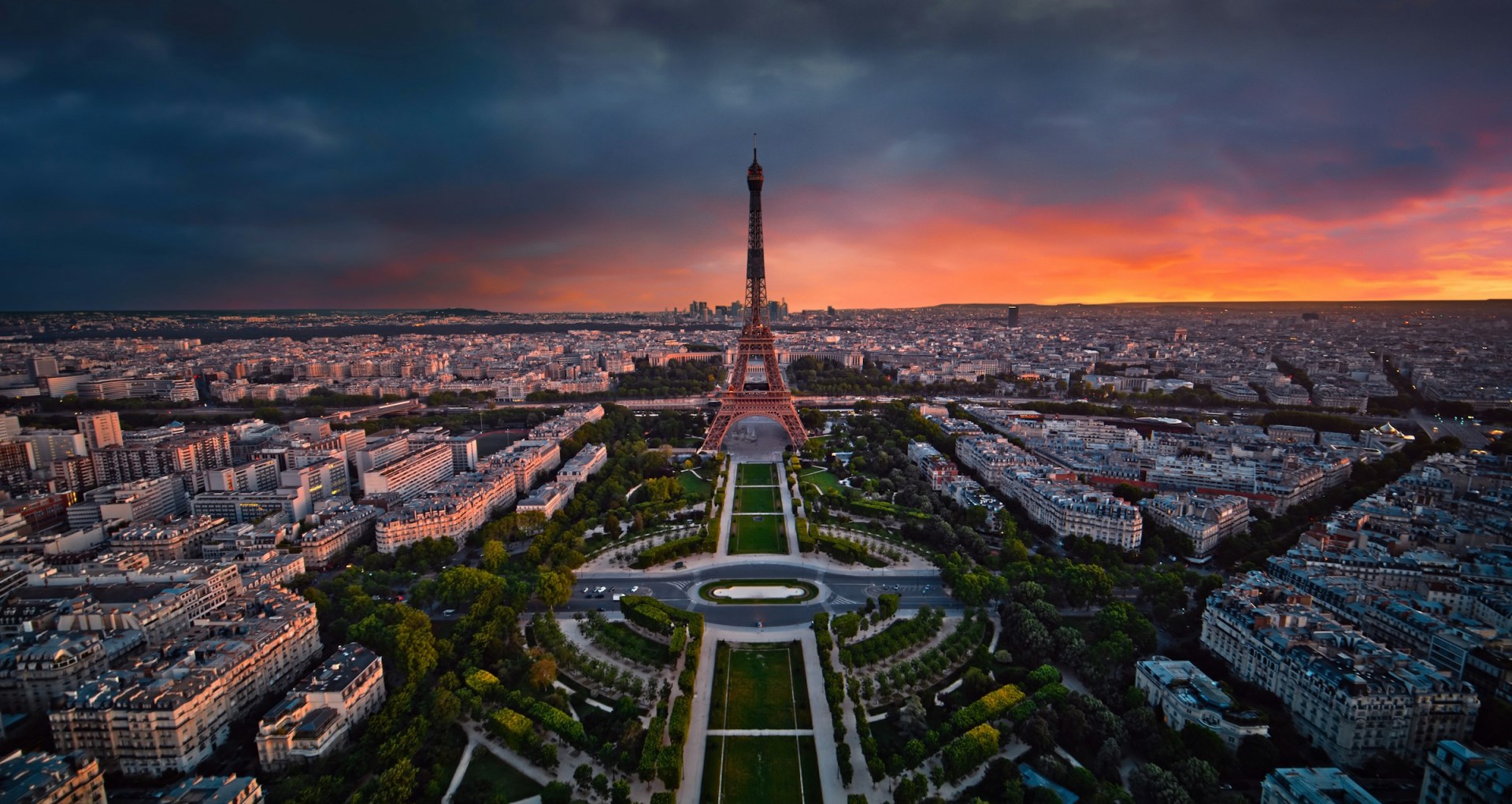
Paris
France's capital and most populated city, Paris is an alluring destination and an essential stop for any global traveler. A center of fashion, gastronomy, and the arts. Major tourist attractions in the City of Lights include the Eiffel Tower (such great heights!), the Louvre (home of the Mona Lisa and Venus de Milo), the Arc de Triomphe, and Grand Palais.

Scotland
Scotland, a land of rugged landscapes, ancient castles, and vibrant culture, offers travelers an unforgettable experience steeped in history. From the rolling hills of the Scottish Borders to the dramatic Highlands and islands, the country’s diverse scenery is a paradise.
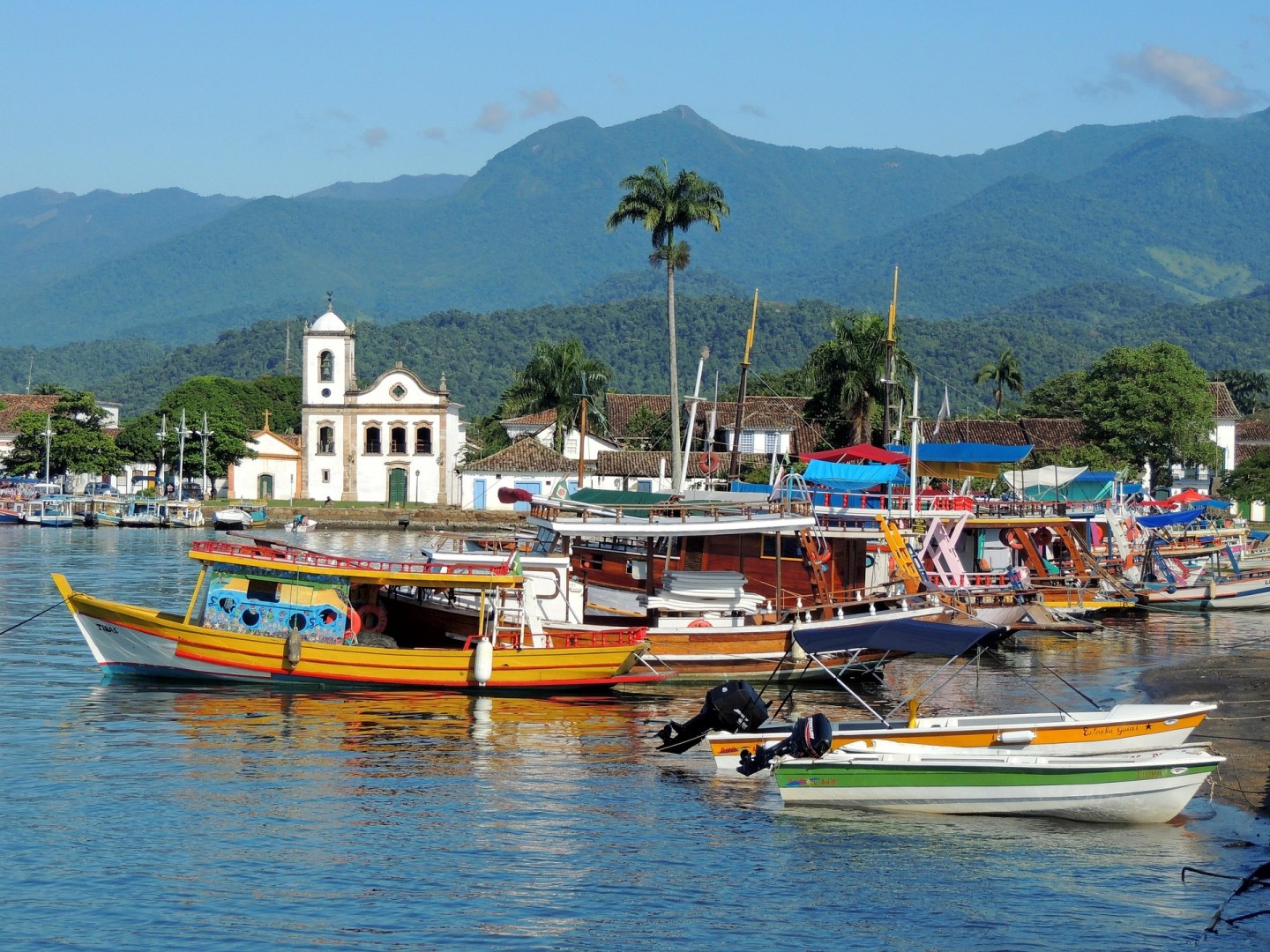
Paraty
Paraty is a charming coastal town in Brazil’s Rio de Janeiro state, known for its colonial architecture, cobbled streets, and artistic heritage.
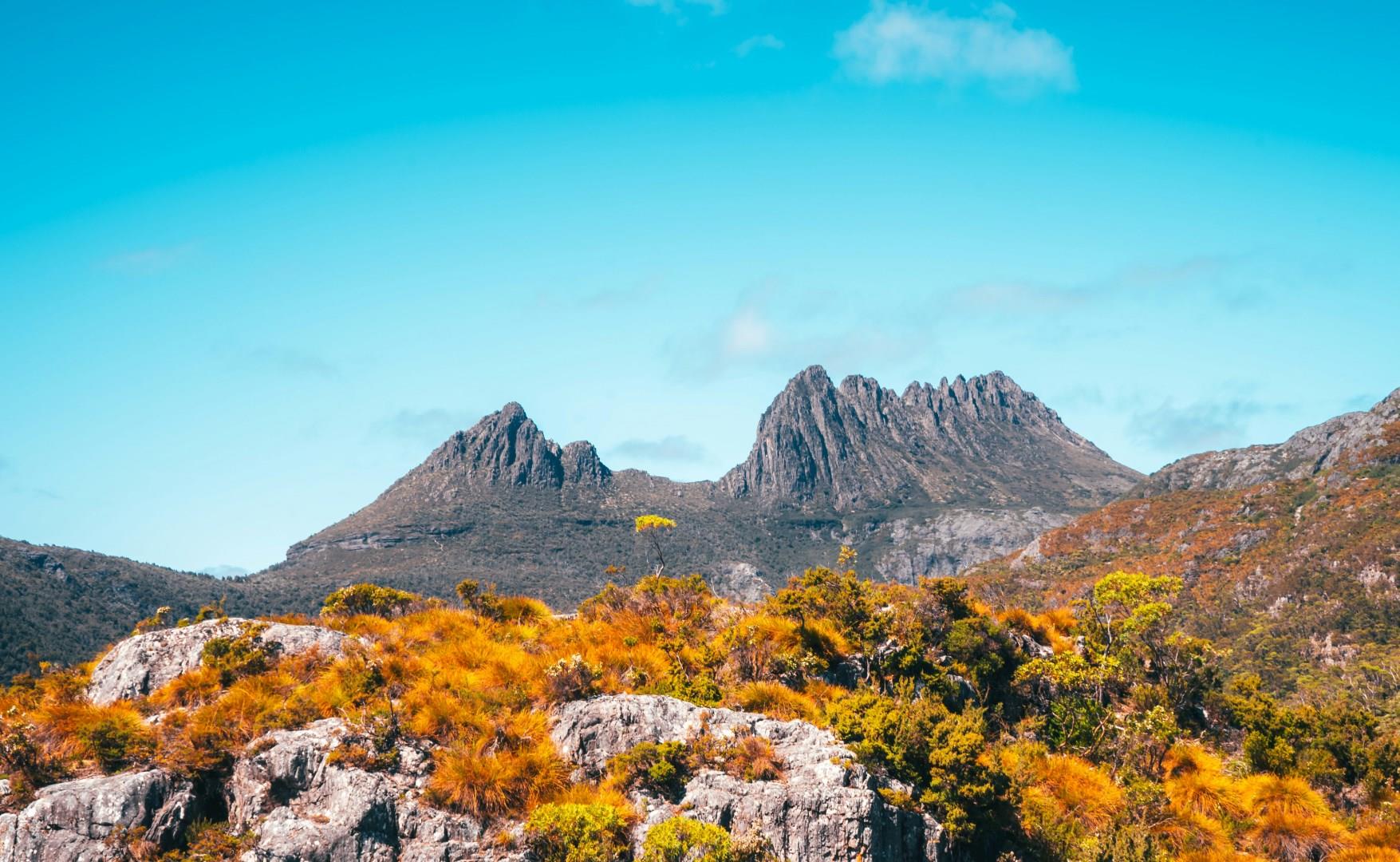
Cradle Mountain Tasmania
Cradle Mountain, located within the Tasmanian Wilderness World Heritage Area, is one of Australia's most distinctive landscapes. Towering over Dove Lake, the craggy peak rises to 1,545 meters and is often dusted with snow, even in spring. The mountain and surrounding area are part of Cradle Mountain–Lake St Clair National Park, which was established in 1922 and has since become a cornerstone of Tasmania’s protected wildlands.
