
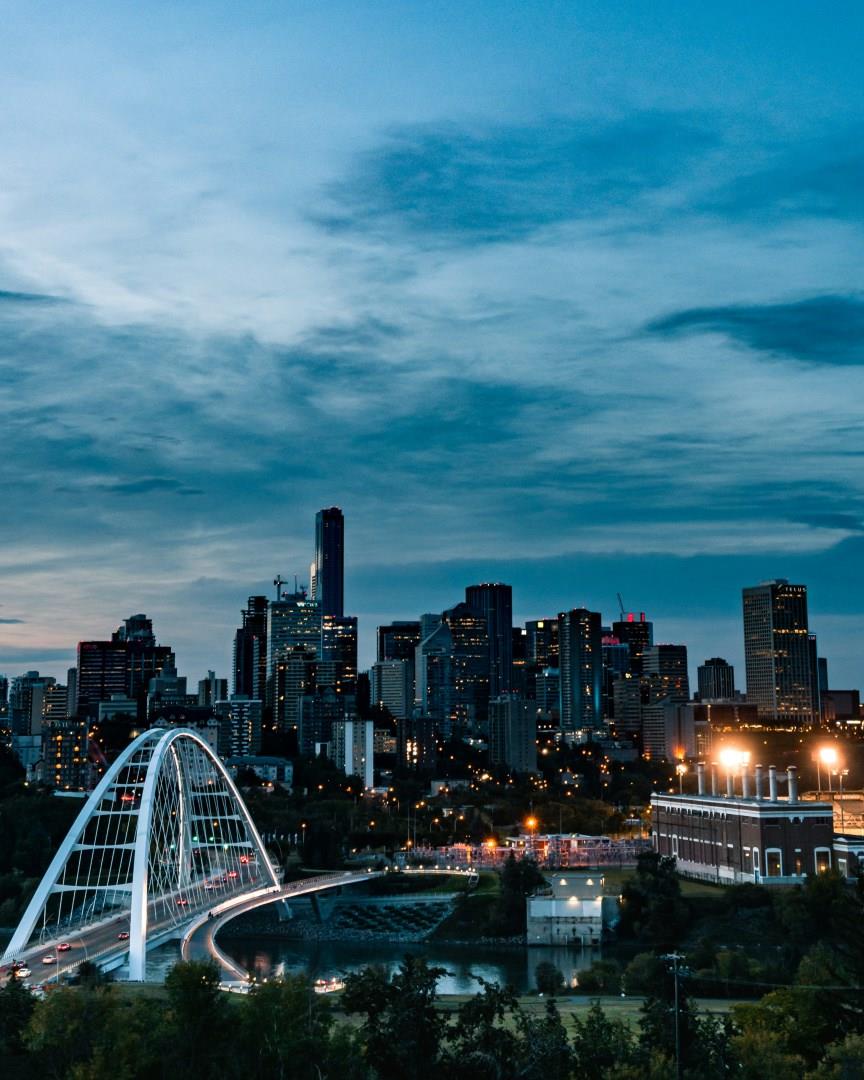
Edmonton
Edmonton, the capital of Alberta, is a city shaped by the meeting of prairie landscapes and the powerful North Saskatchewan River. With deep Indigenous roots and a history tied to fur trading posts, it has grown into a cultural and political hub of Western Canada.
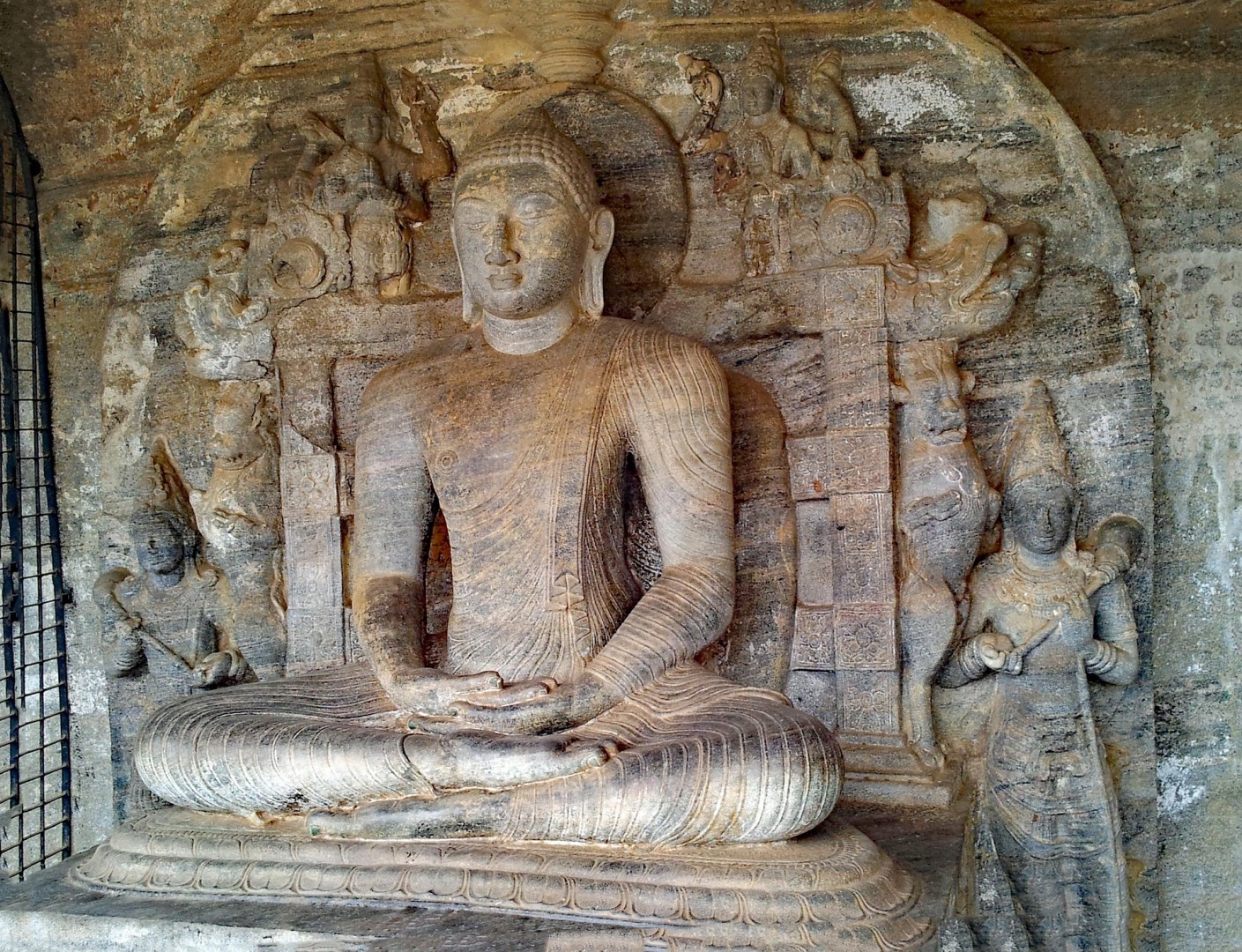
Polonnaruwa
Polonnaruwa, located in Sri Lanka’s North Central Province, served as the island’s capital nearly a thousand years ago. Today, it offers one of the most extensive and well-preserved archaeological sites in South Asia. Visitors can walk among the ruins of royal palaces, Buddhist monasteries, and intricately carved stone temples. One of the highlights of Polonnaruwa is the Gal Vihara, a group of colossal Buddha statues carved directly into granite.

San Cristóbal Island
One of San Cristobal Island's most popular visitor sites is Cerro Brujo, with its expansive white sand beach and a lagoon that locals once used as a salt mine but now offers excellent snorkeling opportunities. Another must-see is Kicker Rock, a fascinating rock formation that looks like a boot from one angle (hence its English name) and like a sleeping lion from another (thus its Spanish name, Roca León Dormido).
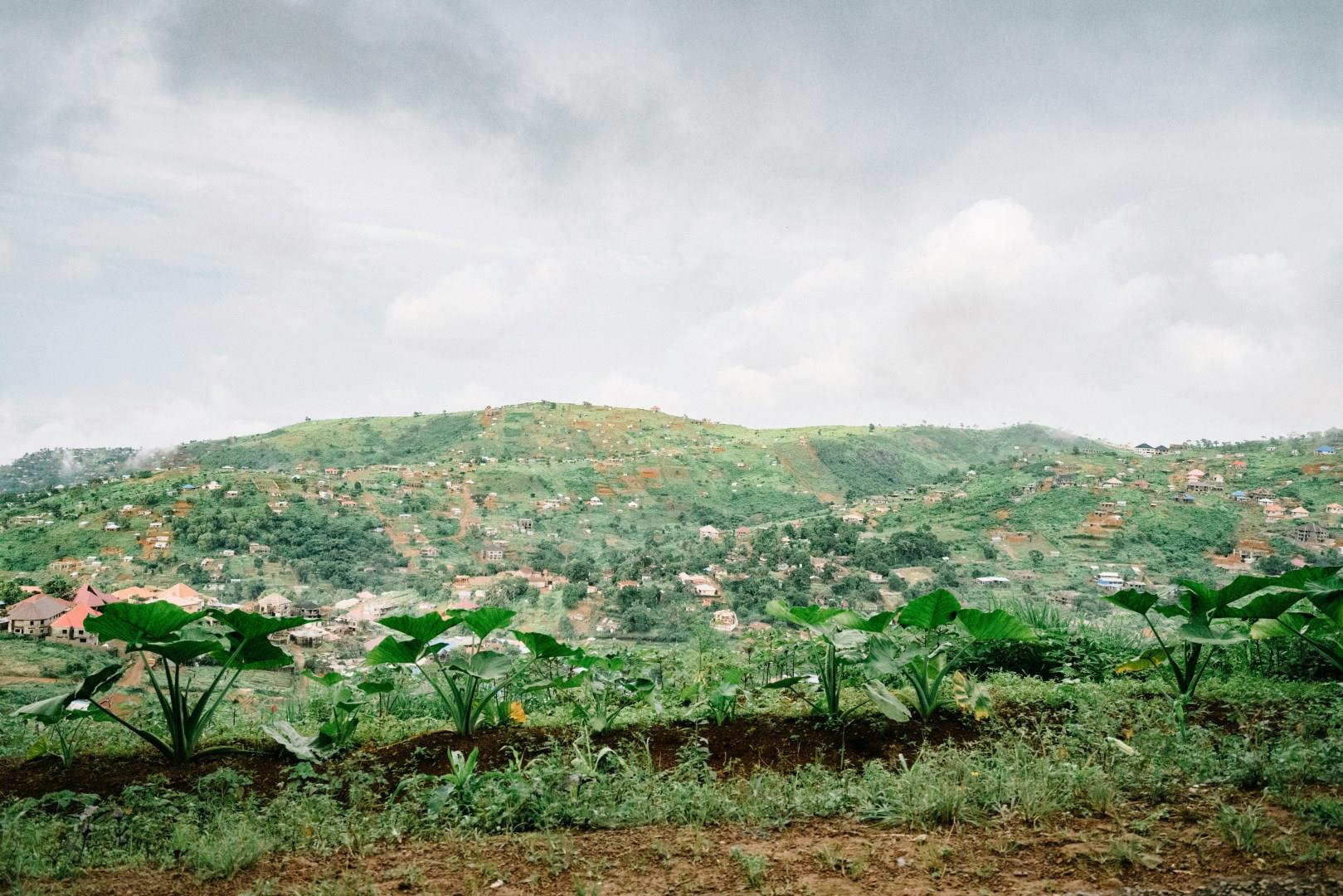
Freetown
Freetown, the capital of Sierra Leone, is a city where history and daily life intertwine along the shores of the Atlantic. Founded in 1792 as a settlement for freed slaves from Britain and the Americas, it remains a place of cultural depth and resilience.
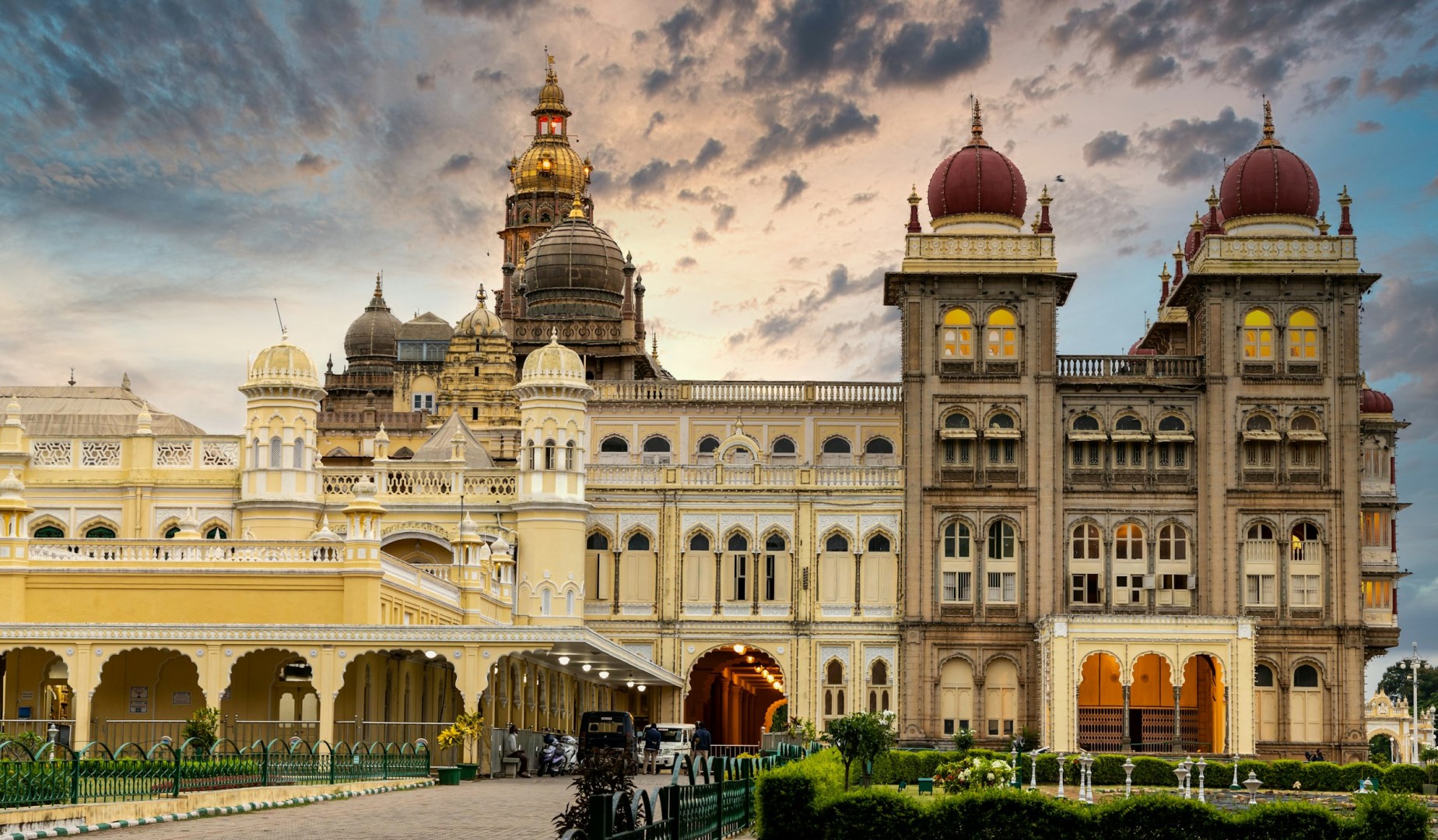
Mysore
Mysore, often called the “Cultural Capital of Karnataka,” is a city where centuries-old royal heritage meets living tradition. Located at the foothills of the Chamundi Hills, it is best known for its palaces, wide boulevards, and colorful festivals. Once the seat of the Wadiyar dynasty, Mysore still carries an unmistakable royal influence that can be seen in its architecture, markets, and cultural celebrations.
