
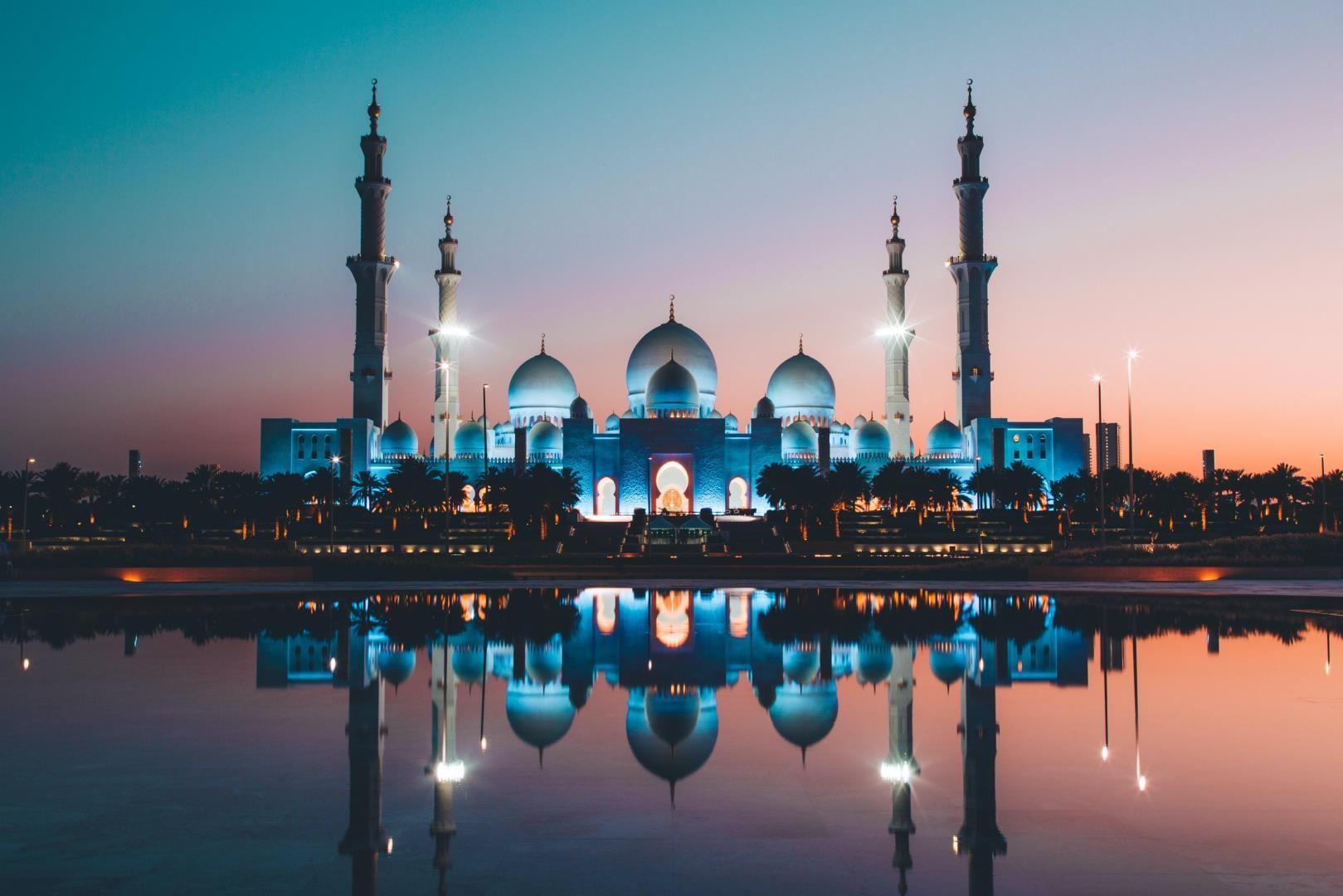
Abu Dhabi
A city in perpetual forward motion, Abu Dhabi greets visitors with gleaming skyscrapers and opulent Islamic architecture. There is much to see here, from the recently opened Louvre Abu Dhabi to the gigantic Sheikh Zayed Grand Mosque, with its white marble splendor. Beach life and turquoise waters can be found on Saadiyat Island, Al Bateen and Corniche Beach.

Albania
Albania offers travelers a surprising and diverse experience shaped by centuries of influence. Visitors can explore the ancient city of Butrint, a UNESCO World Heritage Site with Greek, Roman, Byzantine, and Venetian ruins set against a lagoon. In Berat and Gjirokastër stone houses stack along steep hillsides, giving visitors the sense of walking through a living museum. These towns offer an authentic window into daily Albanian life.
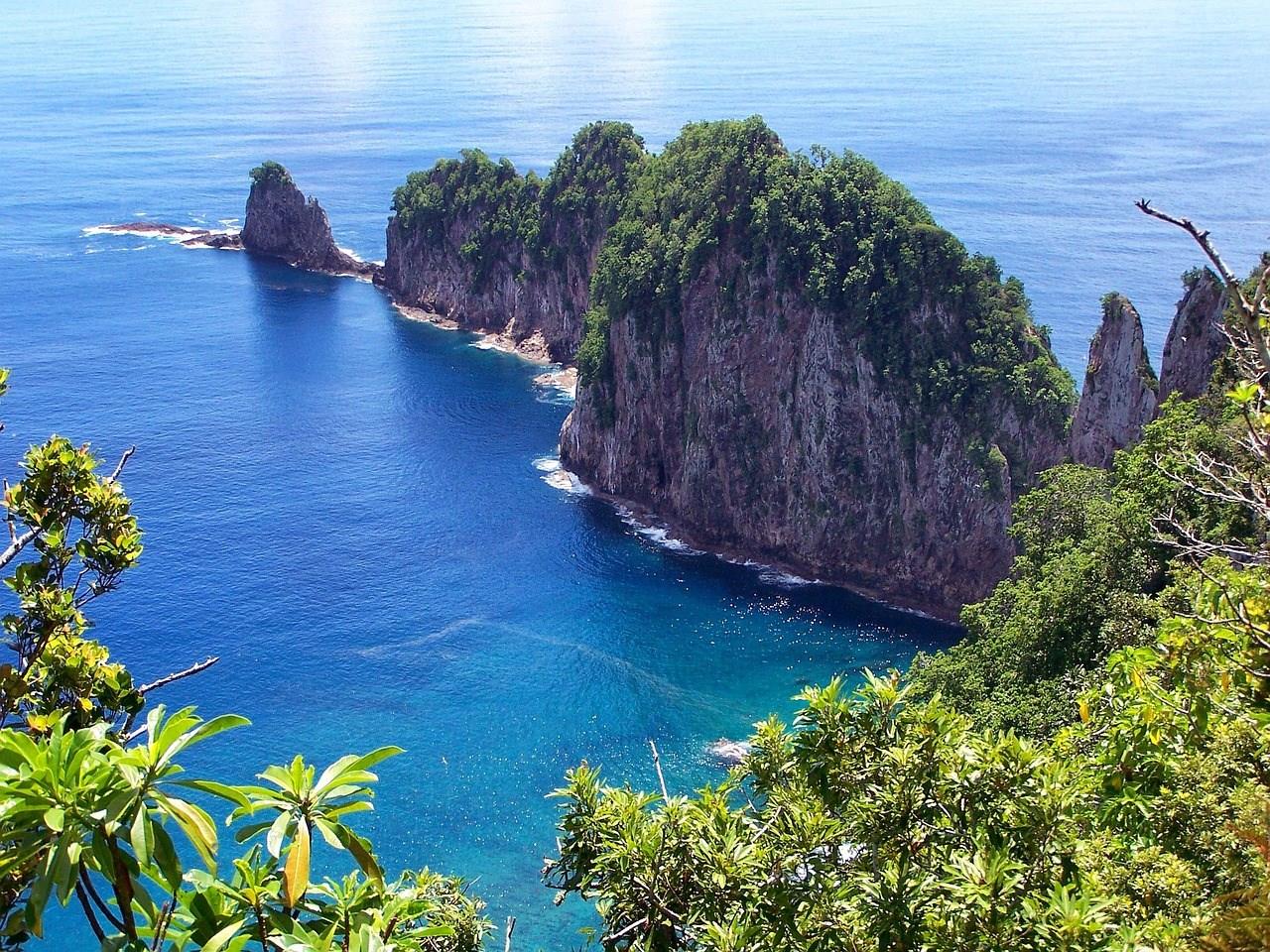
National Park of American Samoa
The National Park of American Samoa invites visitors to step into a world shaped by towering volcanic ridges, tangled rainforests, and clear coral-sand bays. Spread across Tutuila, Ta‘ū, and Ofu islands, the park protects nearly 13,500 acres of land and 4,000 acres of ocean, an unusual patchwork where ancient ecosystems like paleotropical rainforests meet hip-deep coral reefs. Only U.S. national park in the Southern Hemisphere, it’s a place where you can hike through cloud-shrouded forests and t
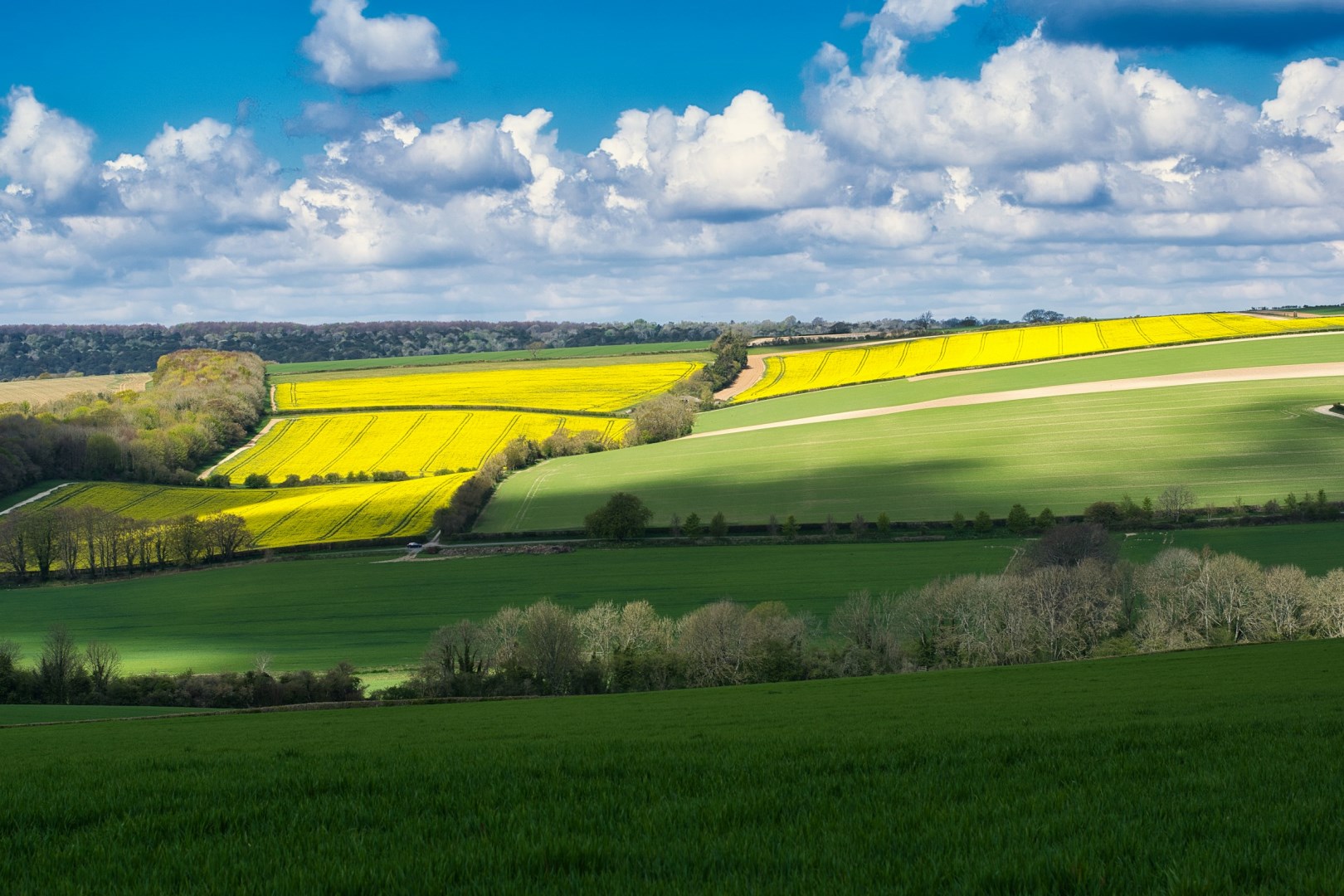
Chichester
Chichester is an ancient cathedral city on the South Coast of England. It lies between Portsmouth - the city of maritime history - and Brighton, home of the English seaside. Its withing an hour's drive of Gatwick and Heathrow, the tow main airports for the UK, and two cross channel ports.
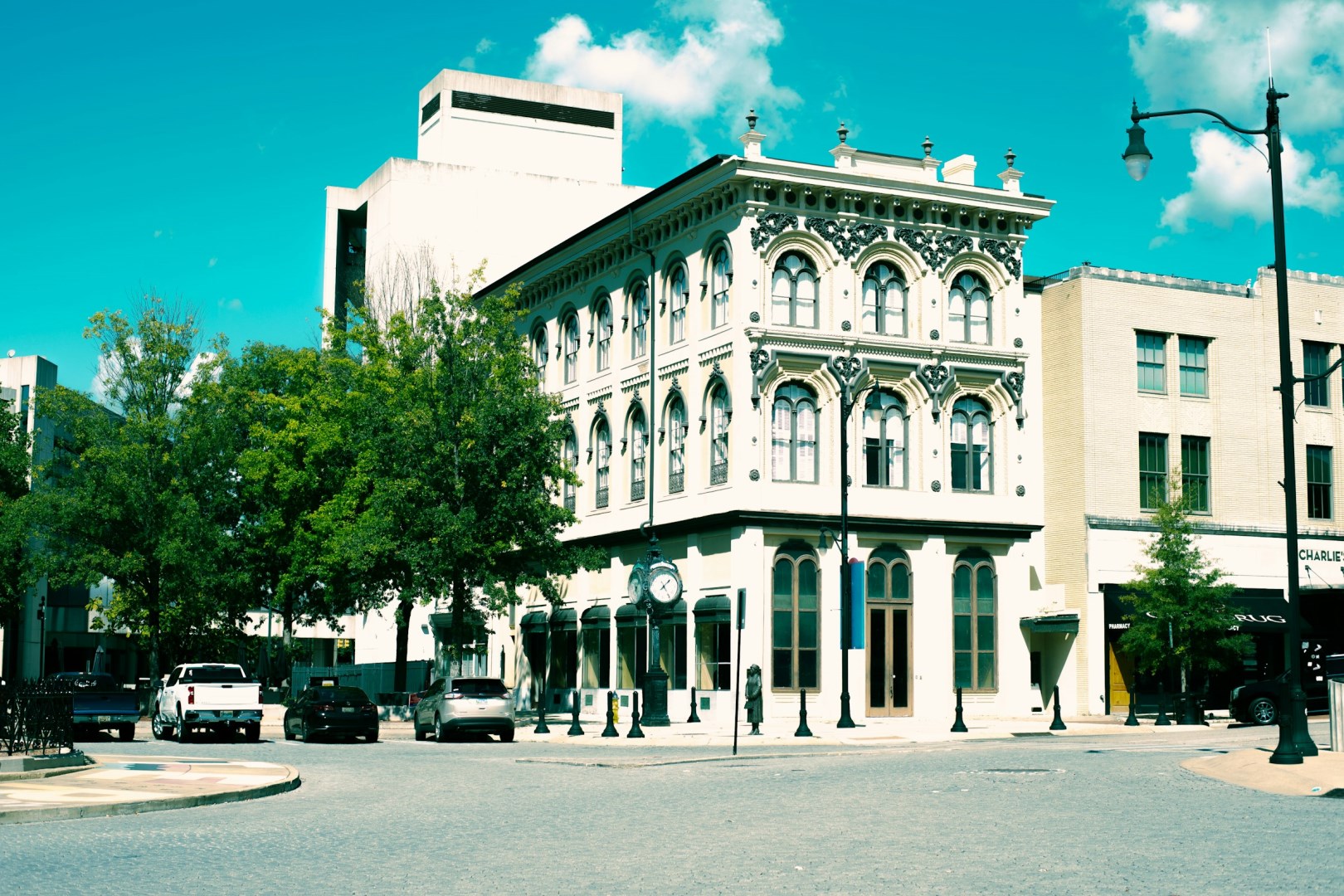
Montgomery
Montgomery, capital of Alabama and seat of Montgomery County, a port on the Alabama River, in the central part of the state. Montgomery is the site of Alabama State University (1874), Auburn University at Montgomery (1967), Huntingdon College (1854), Troy State University at Montgomery (1966), Faulken University (1942), and a junior college.
