
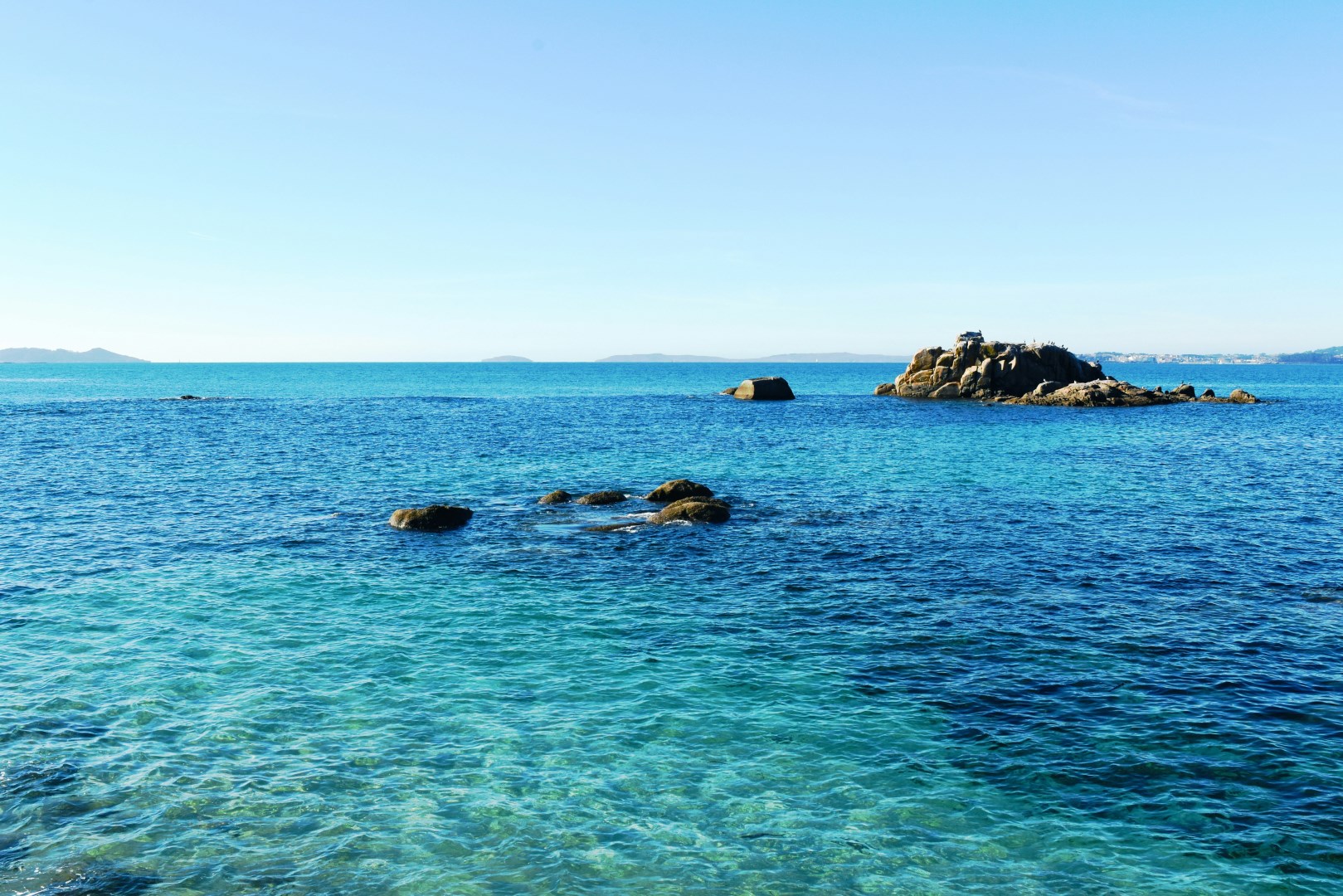
Pontevedra
Pontevedra is a historic city in Galicia, in northwestern Spain, set along the Lérez River near the Atlantic coast. It is known for its well-preserved old town and a layout that favors pedestrians, giving the center a calm and accessible feel.

Norway
Norway offers a landscape shaped by glaciers, framed by fjords, and steeped in Viking history. The country's coastline stretches for over 100,000 kilometers if you count every inlet and island, which makes it one of the longest in the world. Travelers can take a ferry through the Geirangerfjord or cruise along the Lofoten Islands, where steep mountain peaks rise dramatically from the sea. These routes aren’t just scenic; they’ve been lifelines for coastal communities for centuries.
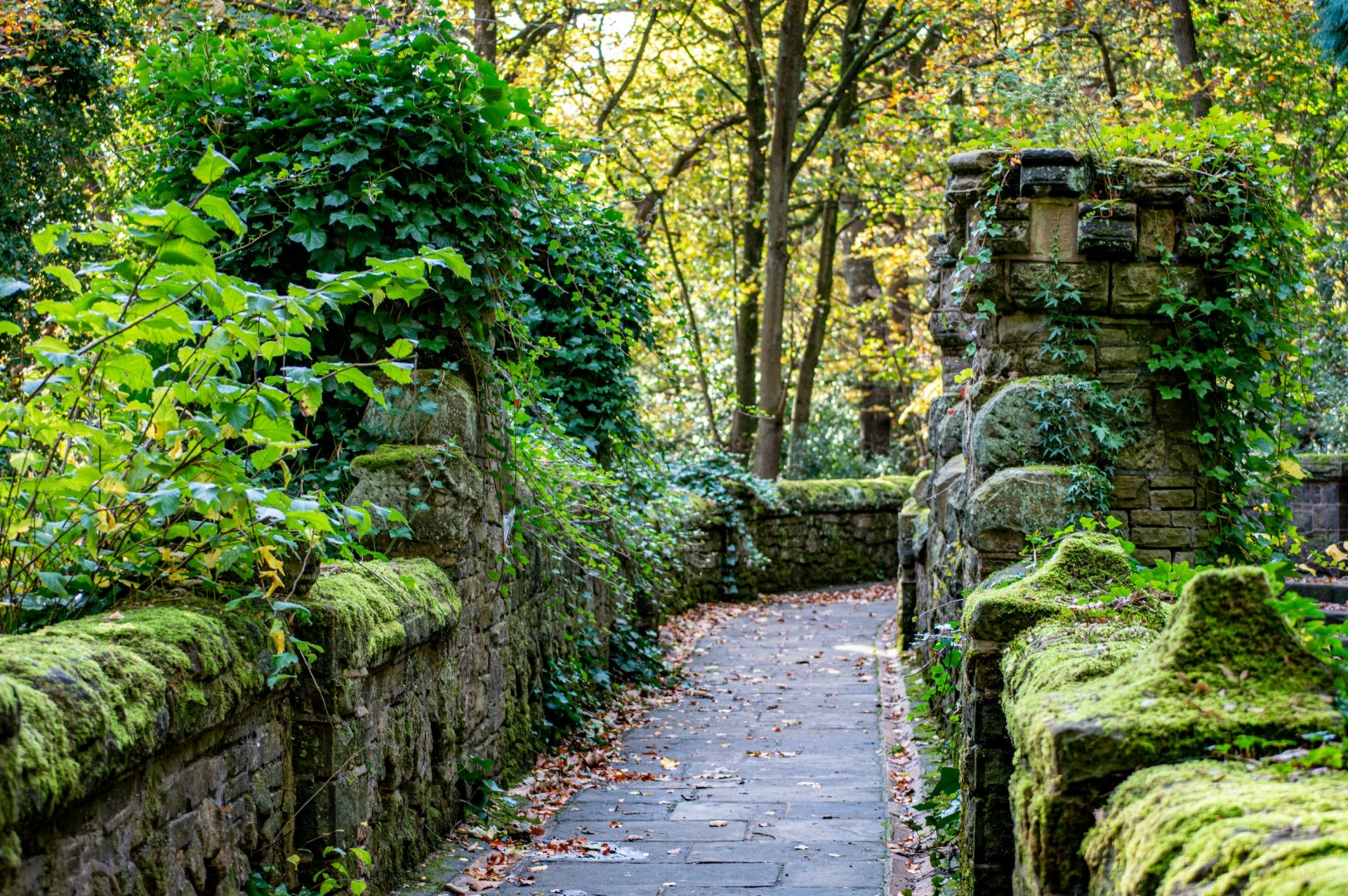
Huddersfield
Highlights of Huddersfield include: sports, golf driving range; beer festivals, pubs & breweries; and Huddersfield Philharmonic Orchestra.
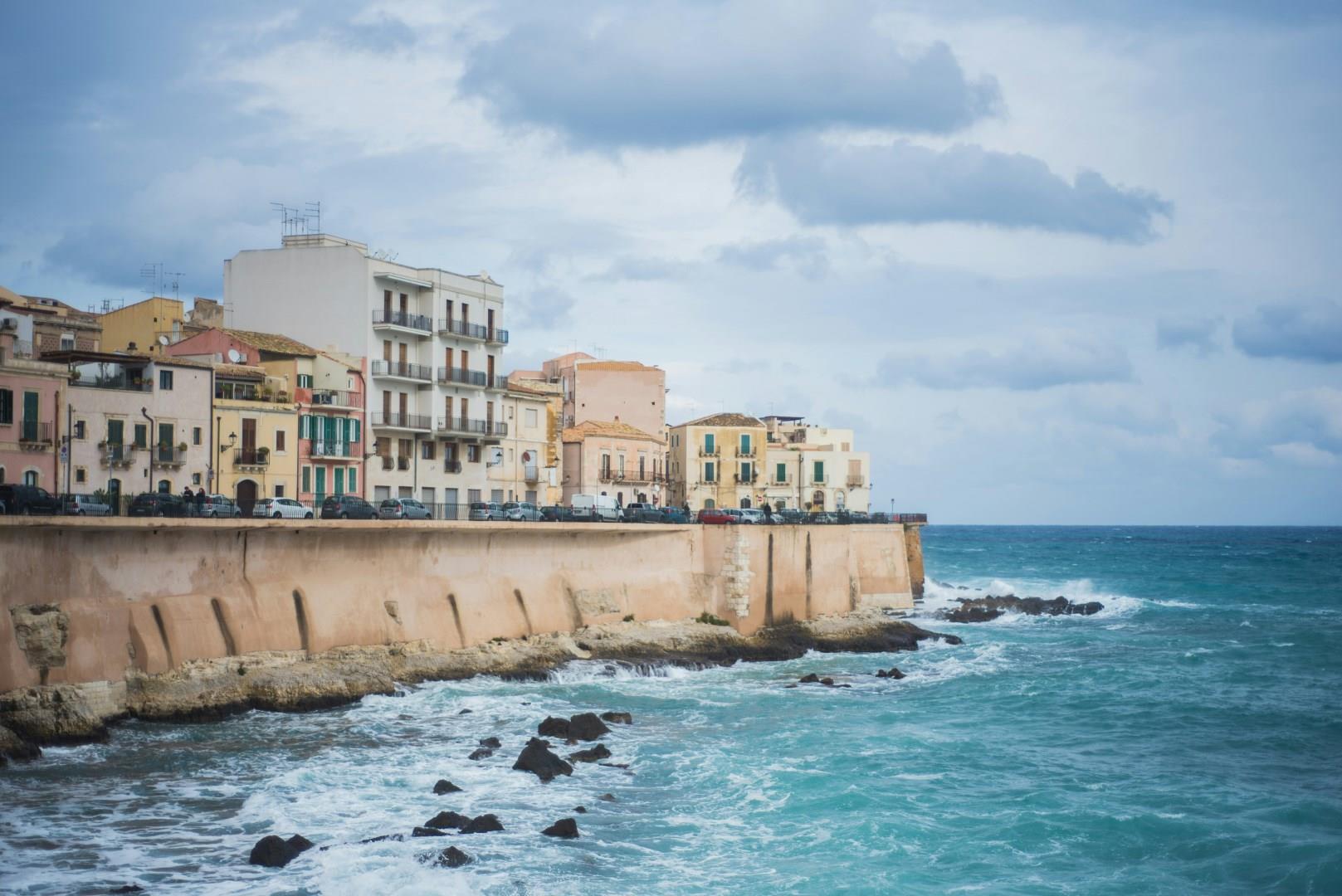
Syracuse
Syracuse, located on the eastern coast of Sicily, is a city where history and the sea converge in unforgettable ways. Founded by ancient Greeks in the 8th century BC, it became one of the most powerful city-states of its time. Today, visitors can explore the impressive archaeological park of Neapolis, which features a vast Greek theatre, Roman amphitheater, and the Ear of Dionysius, a limestone cave known for its remarkable acoustics.

Kehl
Originating as a tiny fishing village in 1038, modern Kehl has become an important link between Germany and France. Rhine River cruises most often use Kehl as their gateway to the much larger and better-known Strasbourg. The savvy traveler, though, might choose to skip the jaunt across the river and enjoy many similar sights, shopping and cuisine as those offered in the teeming French city.
