

Belarus
Belarus is an independent republic in Eastern Europe. Minsk is the capital and largest city. The climate is generally temperate and humid, with colder, continental conditions in the east.

Boracay
Boracay, a small island in the central Philippines, is famous for its white-sand beaches and clear turquoise waters. Despite its size, the island offers a wide range of activities, from swimming and snorkeling to paddleboarding and sailing.
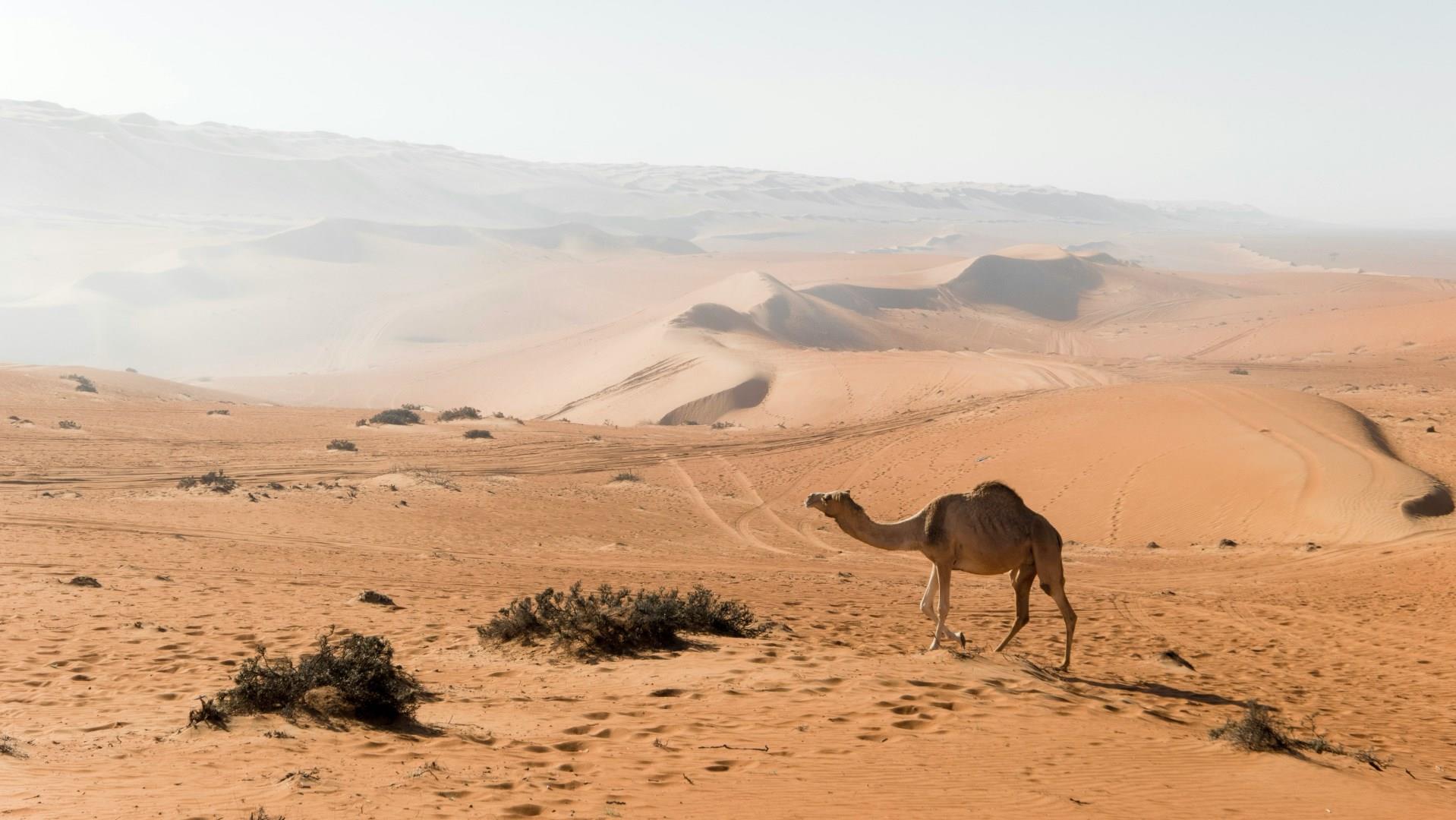
Wahiba Sands
Stretching across central Oman, the Wahiba Sands offer a dramatic desert landscape of rolling dunes that shift in color with the changing light. This vast sea of sand is home to towering ridges and open plains, creating an otherworldly backdrop for exploration.
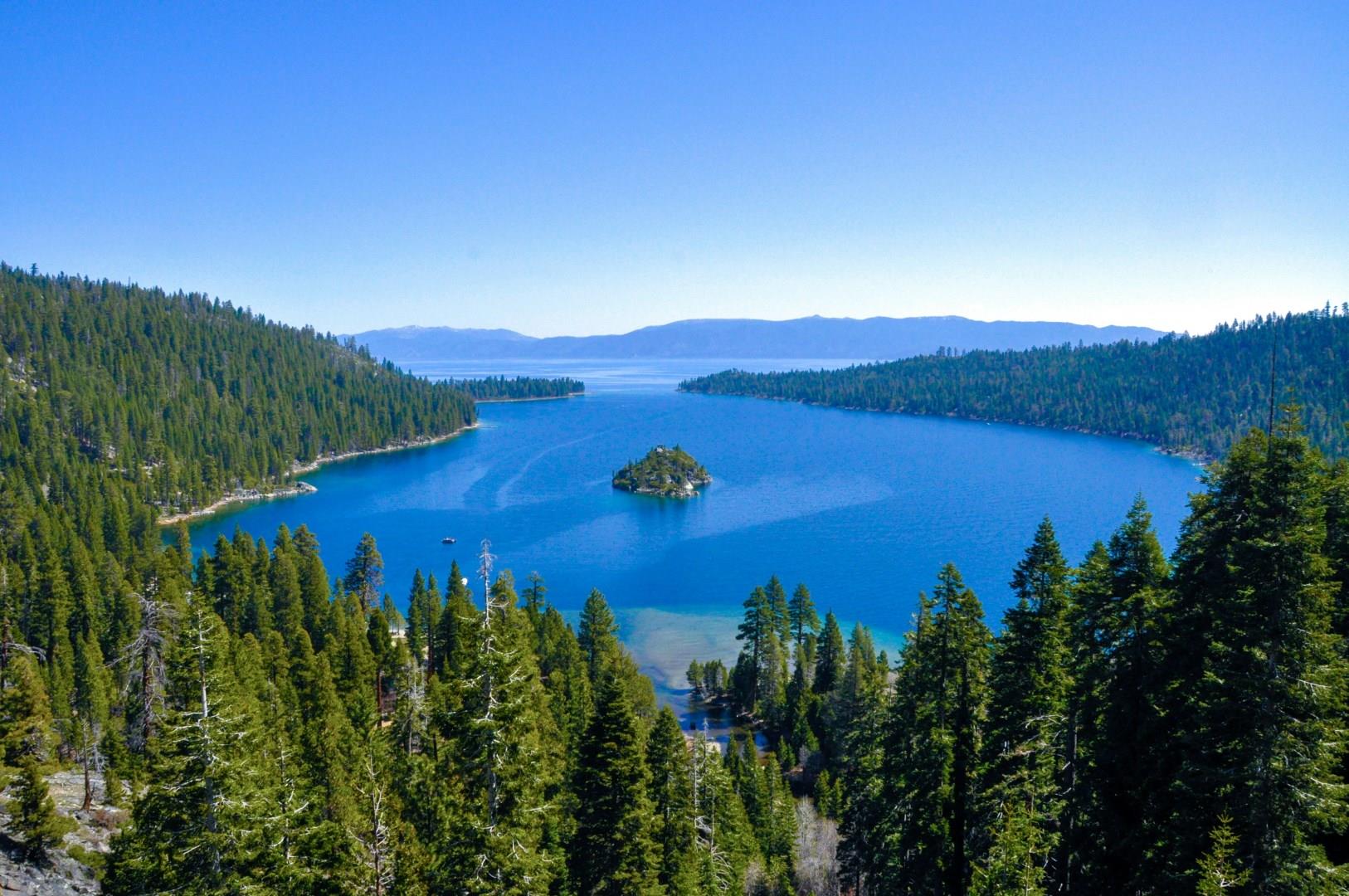
Lake Tahoe
Lake Tahoe is one of the most dramatic and beautiful sights in the World. A natural lake formed at the top of the Sierra Nevada mountain range, it is now a winter sports center, a summer vacation destination and the home of wonderful casinos and resorts.
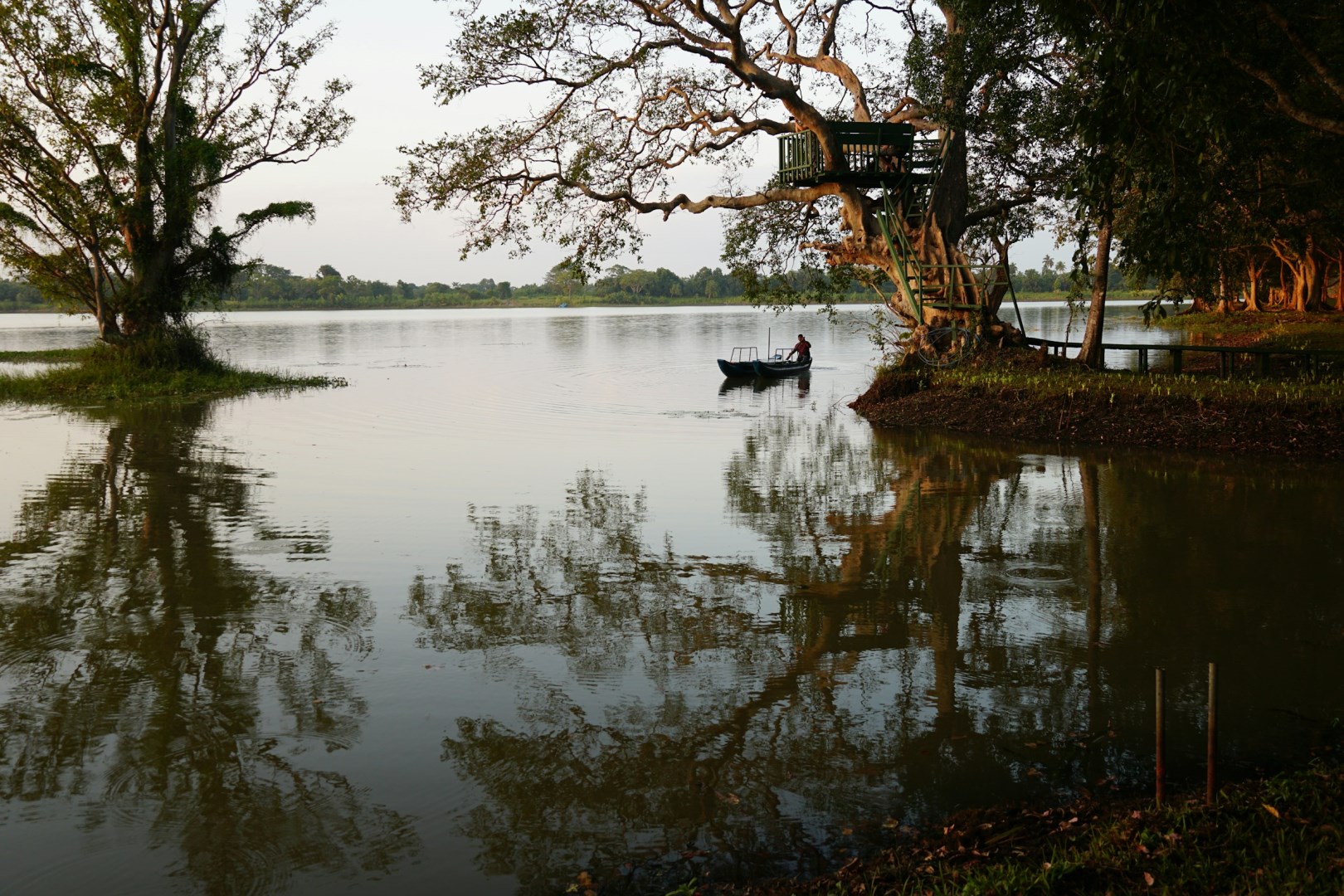
Habarana
Habarana is a small town in Sri Lanka’s North Central Province and an important base for exploring the island’s Cultural Triangle. Set among dry-zone forest, lakes, and open countryside, it provides access to several major heritage and wildlife sites. Sigiriya, Polonnaruwa, Dambulla, and Anuradhapura are all within reach, while the town itself has developed accommodation and services for visitors traveling between these destinations.
