
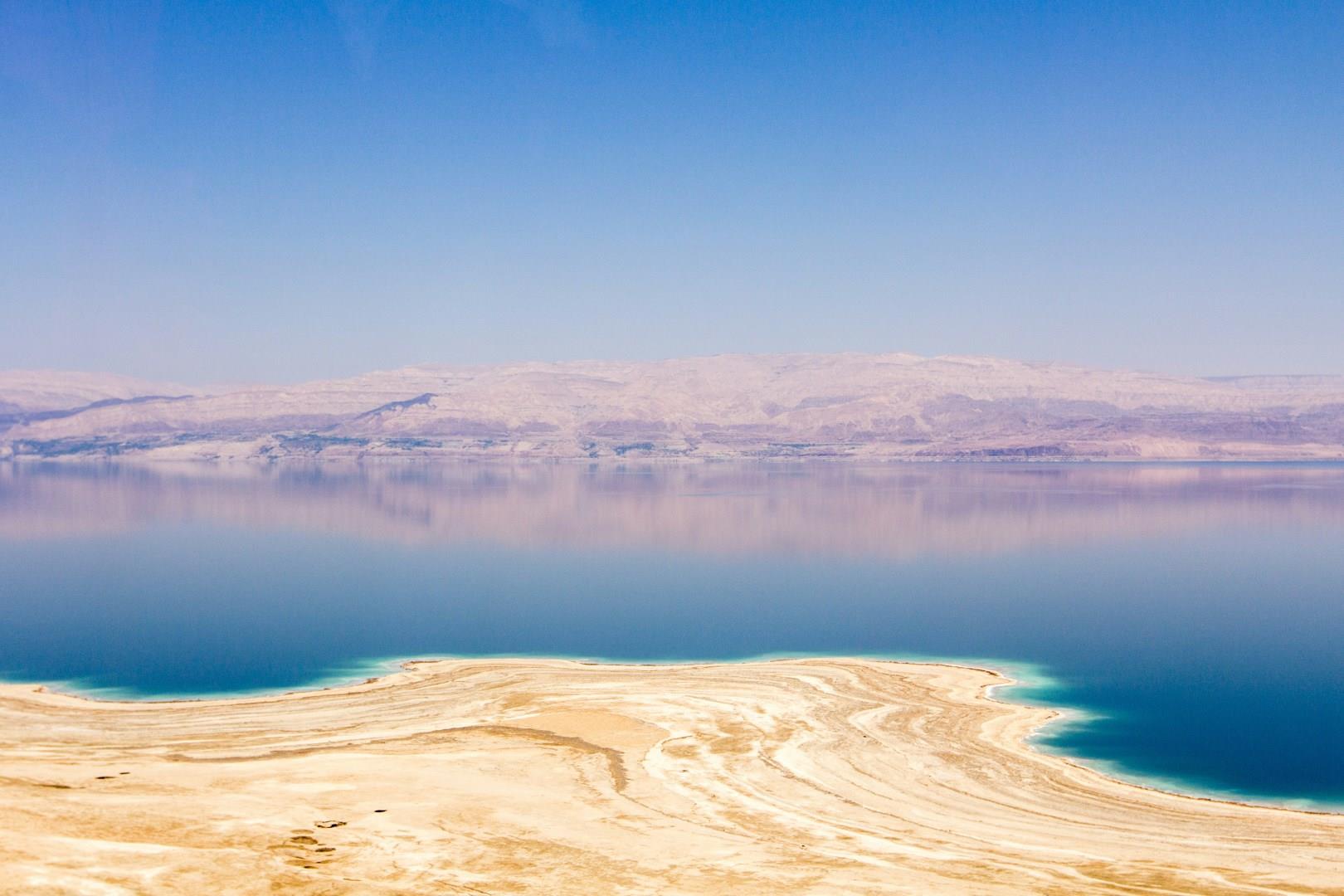
Dead Sea
The Dead Sea lies at the lowest point on Earth, around 430 meters below sea level, and features water with nearly ten times the salinity of the ocean. That level of salinity makes floating on its surface effortless. Visitors can lie back without effort, with views opening across barren hills and reflective water. This shoreline also hosts a mix of minerals collected over millennia and known for their soothing effect on skin and joints.
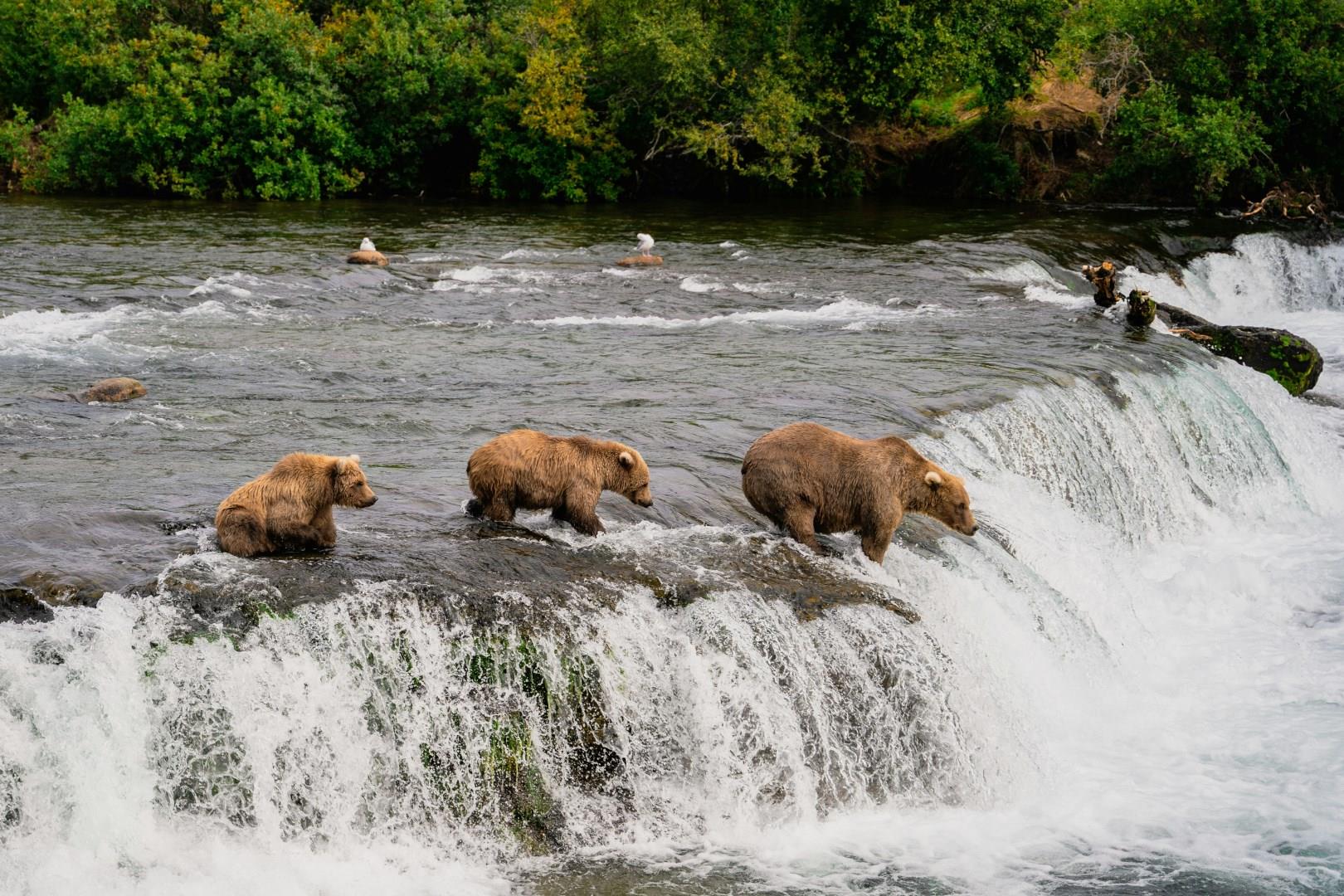
Katmai National Park
Katmai National Park and Preserve lies along Alaska’s remote Pacific coast, shaped by volcanism, glaciers, and deep time. The area gained prominence after the 1912 Novarupta eruption, one of the largest volcanic events of the 20th century, which transformed the landscape and led to the creation of the Valley of Ten Thousand Smokes.

Novi Sad
Novi Sad, Serbia’s second-largest city, sits along the banks of the Danube River and has long served as a cultural meeting point in the Balkans. Its centerpiece is Petrovaradin Fortress, a massive 18th-century stronghold nicknamed the "Gibraltar on the Danube." The fortress is known not just for its historic architecture but also for its network of underground tunnels and the iconic clock tower where the hands are reversed, meaning the large hand shows the hour.

Lautoka
Known as Sugar City, Lautoka is a tropical destination on the western coast of Fiji. Be sure to take a stroll through the Lautoka Botanical Gardens, or venture just outside of the city to take in the natural beauty of Koroyanitu National Park, a rainforest preserve with spectacular hikes and bird-watching excursions.
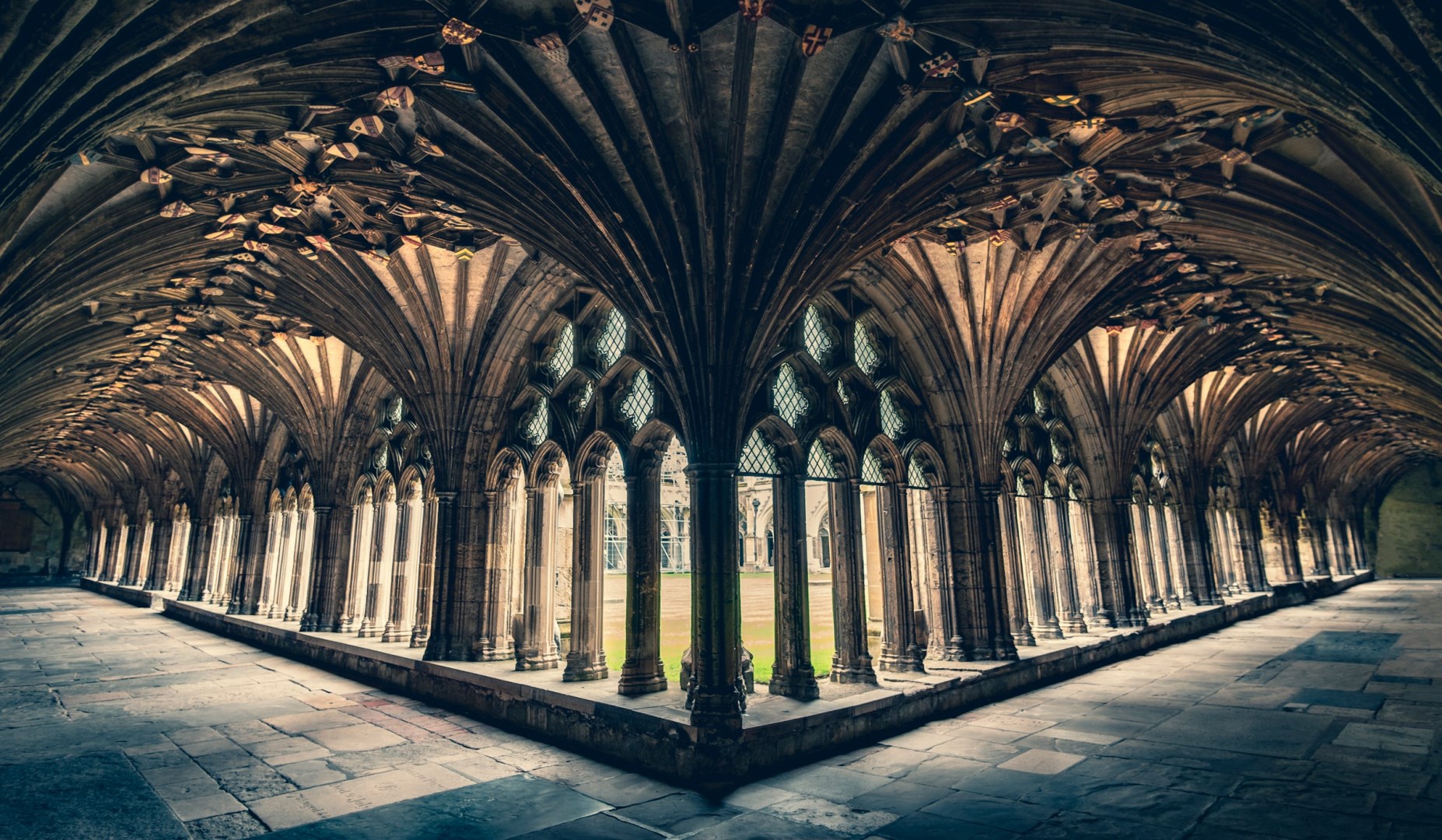
Canterbury
Steeped in history, Canterbury, England is a must-visit destination for lovers of medieval charm and religious significance. The centerpiece of this historic city is Canterbury Cathedral, a UNESCO World Heritage Site that has been a place of Christian worship since the 6th century. As the seat of the Archbishop of Canterbury, it is one of the most important religious buildings in England.
