

Lipari
The island of Lipari is known for its stunning landscapes, and it provides excellent opportunities for hiking and boating.
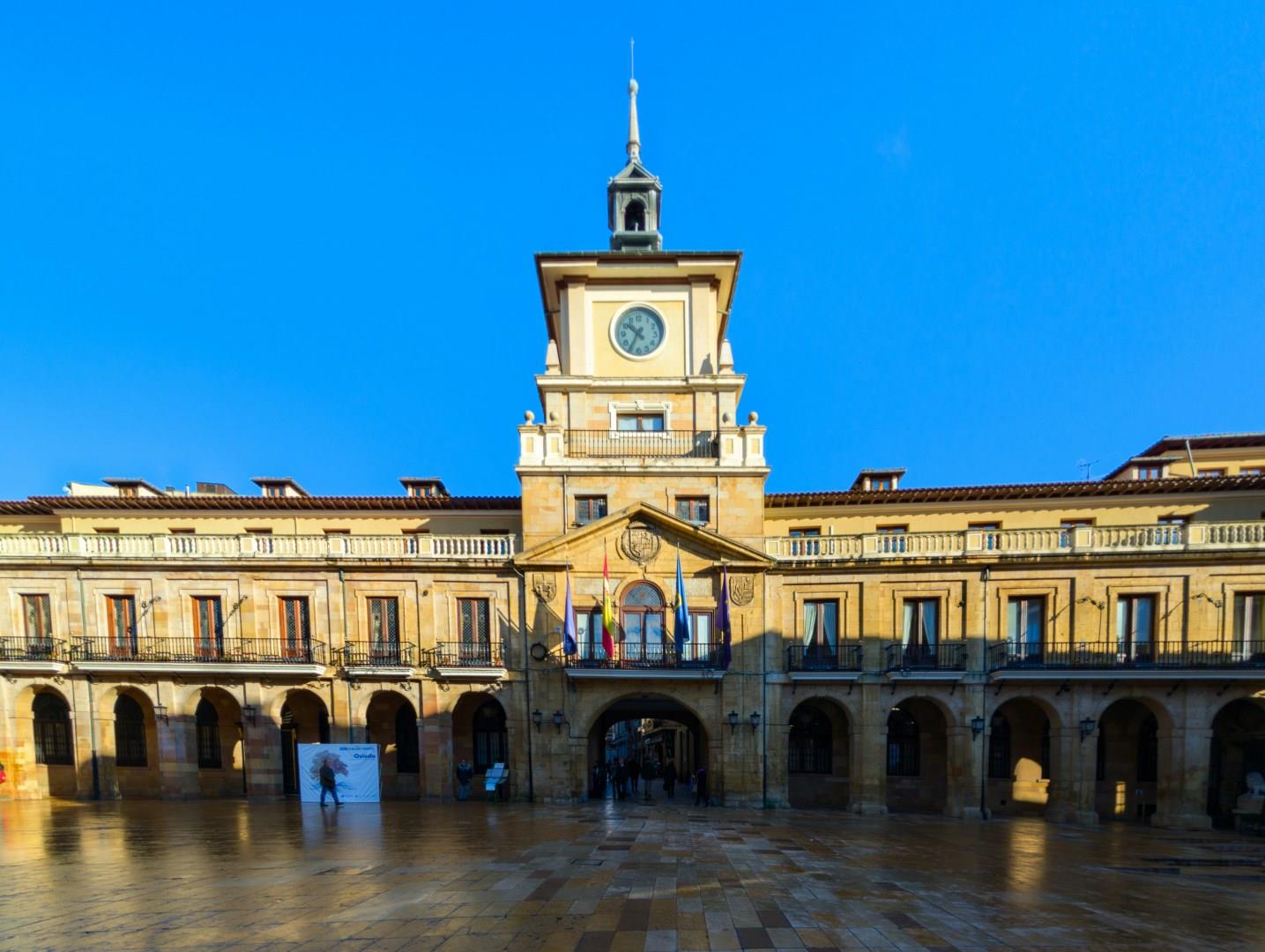
Oviedo
Oviedo, the capital of Asturias in northern Spain, offers a rare mix of medieval heritage and everyday life that feels rooted rather than staged. The city’s historic center is home to some of the oldest pre-Romanesque buildings in Europe, including the UNESCO-listed Santa María del Naranco and San Miguel de Lillo. Cider, not wine, defines the local table. Oviedo is surrounded by apple orchards, and the traditional drink, sidra natural, is poured from a height by skilled escanciadores.
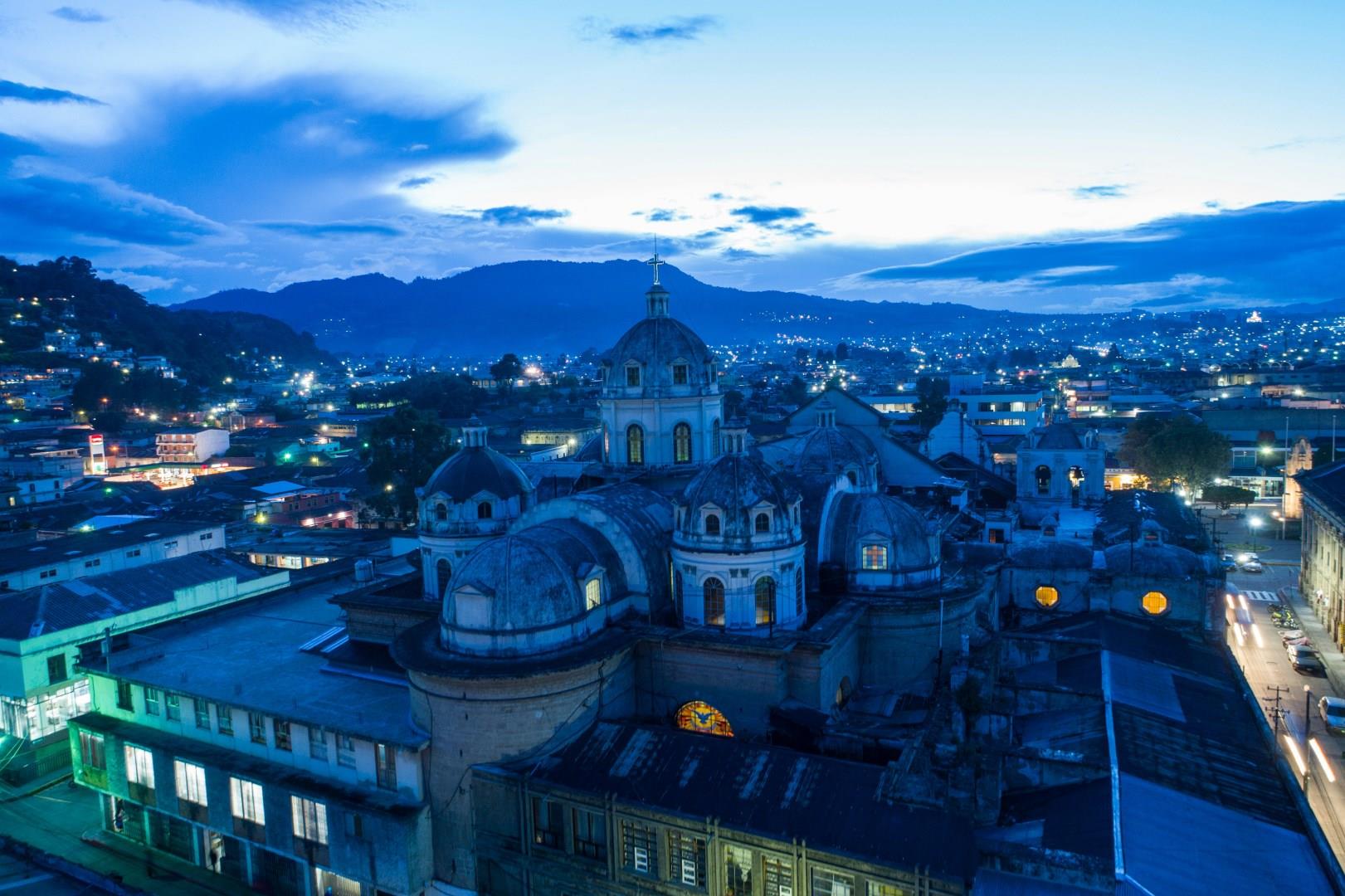
Quetzaltenango
Quetzaltenango, often called Xela by locals, is Guatemala’s second-largest city and a hub of indigenous culture, colonial history, and highland landscapes. Surrounded by volcanoes, including the towering Santa María, the city sits at over 7,600 feet above sea level, giving it a crisp mountain climate that contrasts with the country’s tropical lowlands.
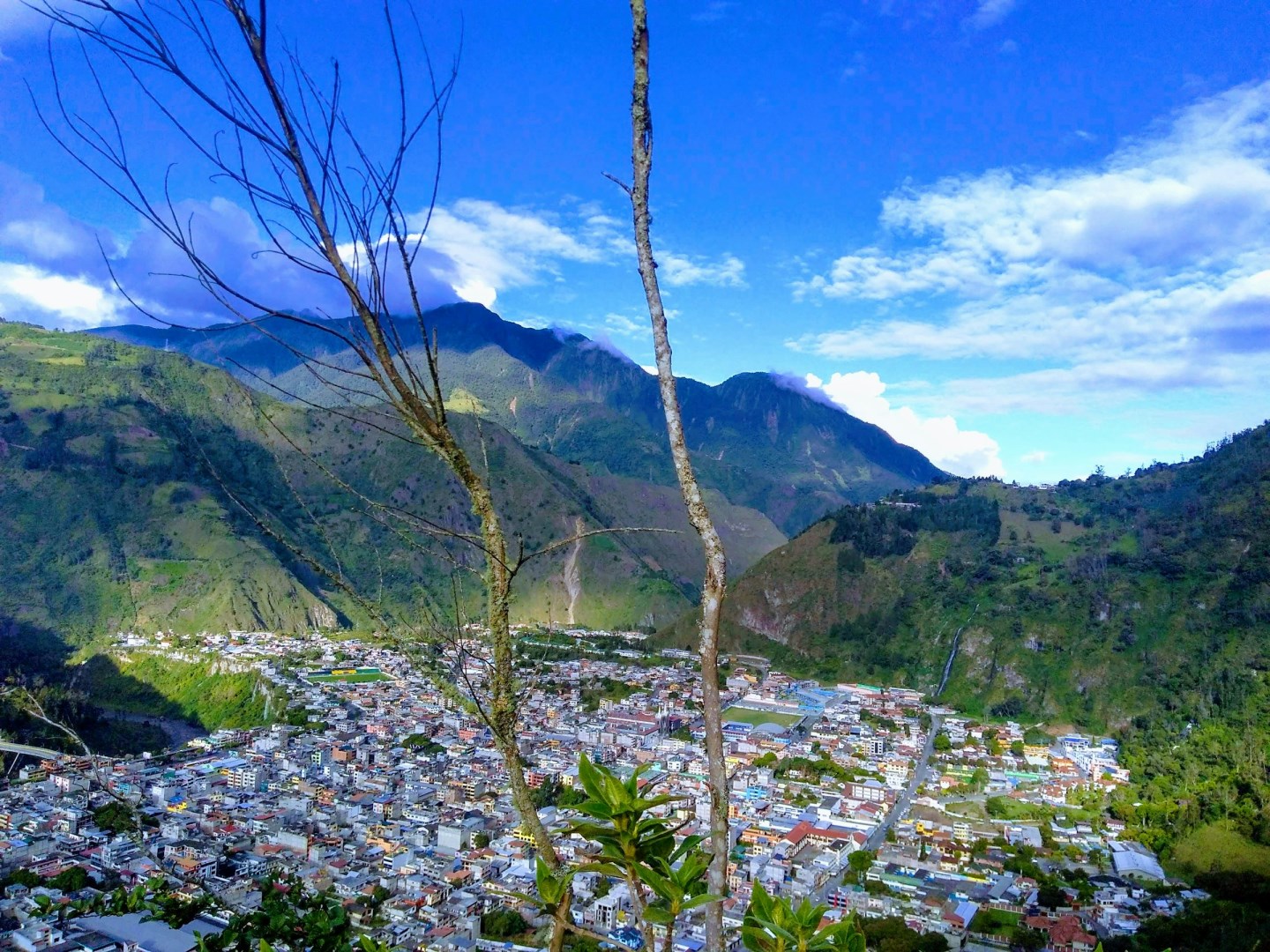
Baños de Agua Santa
Baños de Agua Santa is a small city in Ecuador's Tungurahua Province, set in a narrow valley on the eastern slopes of the Andes. The city sits beneath the active Tungurahua volcano and is surrounded by steep, green mountains, waterfalls, and forested hills. Its full name refers to the thermal springs that have long been associated with the town. Baños also marks a transition between the high Andes and the warmer Amazon basin, giving the surrounding landscape a mixture of mountain and subtropical

St. Ives
St. Ives, a picturesque seaside town on the north coast of Cornwall, England, is a charming blend of stunning natural beauty and rich cultural heritage. With its golden sandy beaches, crystal-clear waters, and quaint cobbled streets, St. Ives has long been a haven for artists, surfers, and sun-seekers alike. The town's vibrant atmosphere is palpable in its bustling harbor, where fishing boats sway with the tide and seaside cafés offer fresh, locally caught seafood.
