
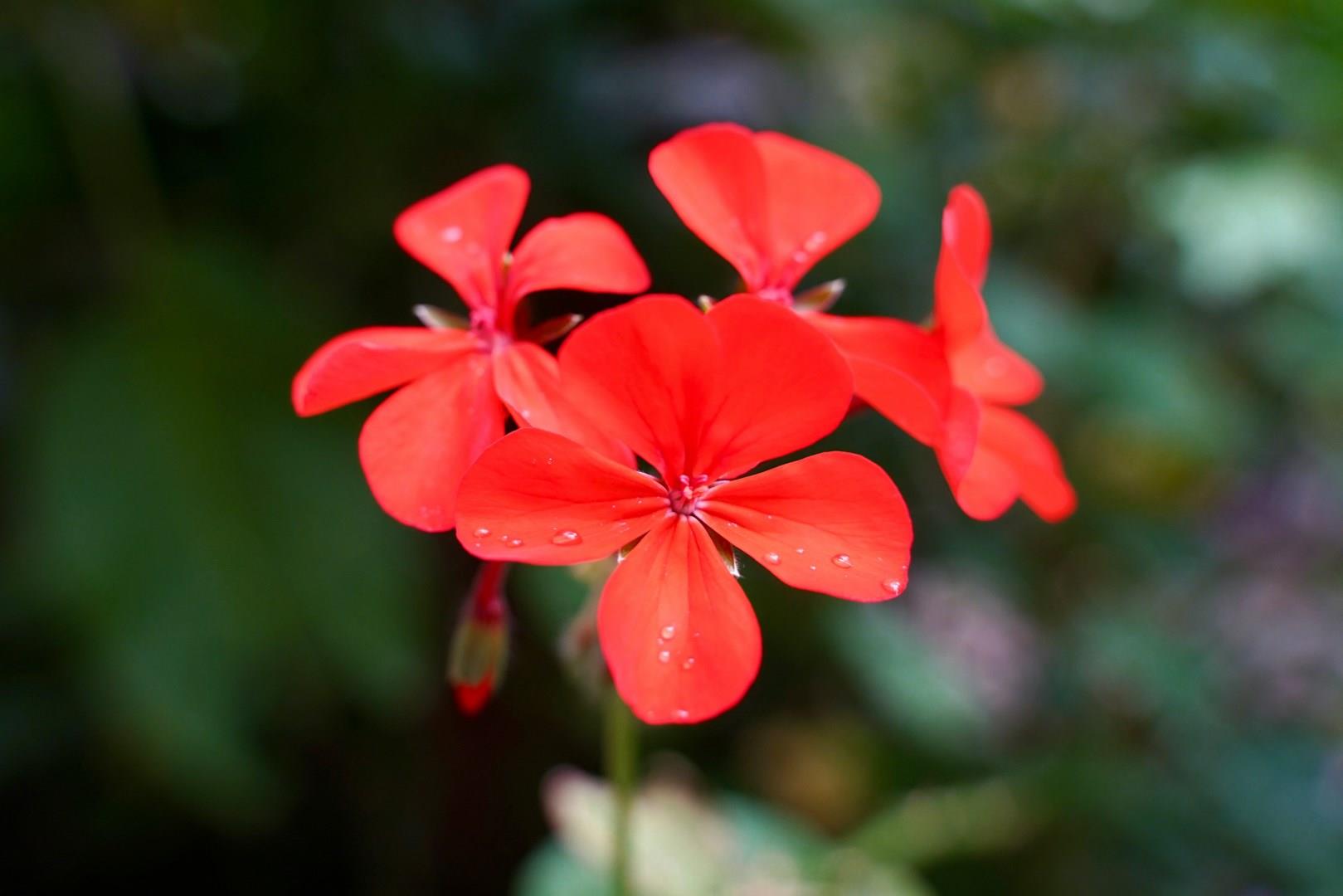
Aguas Calientes
Aguas Calientes, officially called Machupicchu Pueblo, sits in a narrow valley below the ruins of Machu Picchu, shaped almost entirely by geography and access. The town grew around the railway and hot springs that give it its name, becoming a necessary stopping point rather than a destination planned in advance. Its identity is closely tied to movement, with most people arriving on foot or by train and staying briefly before heading uphill.
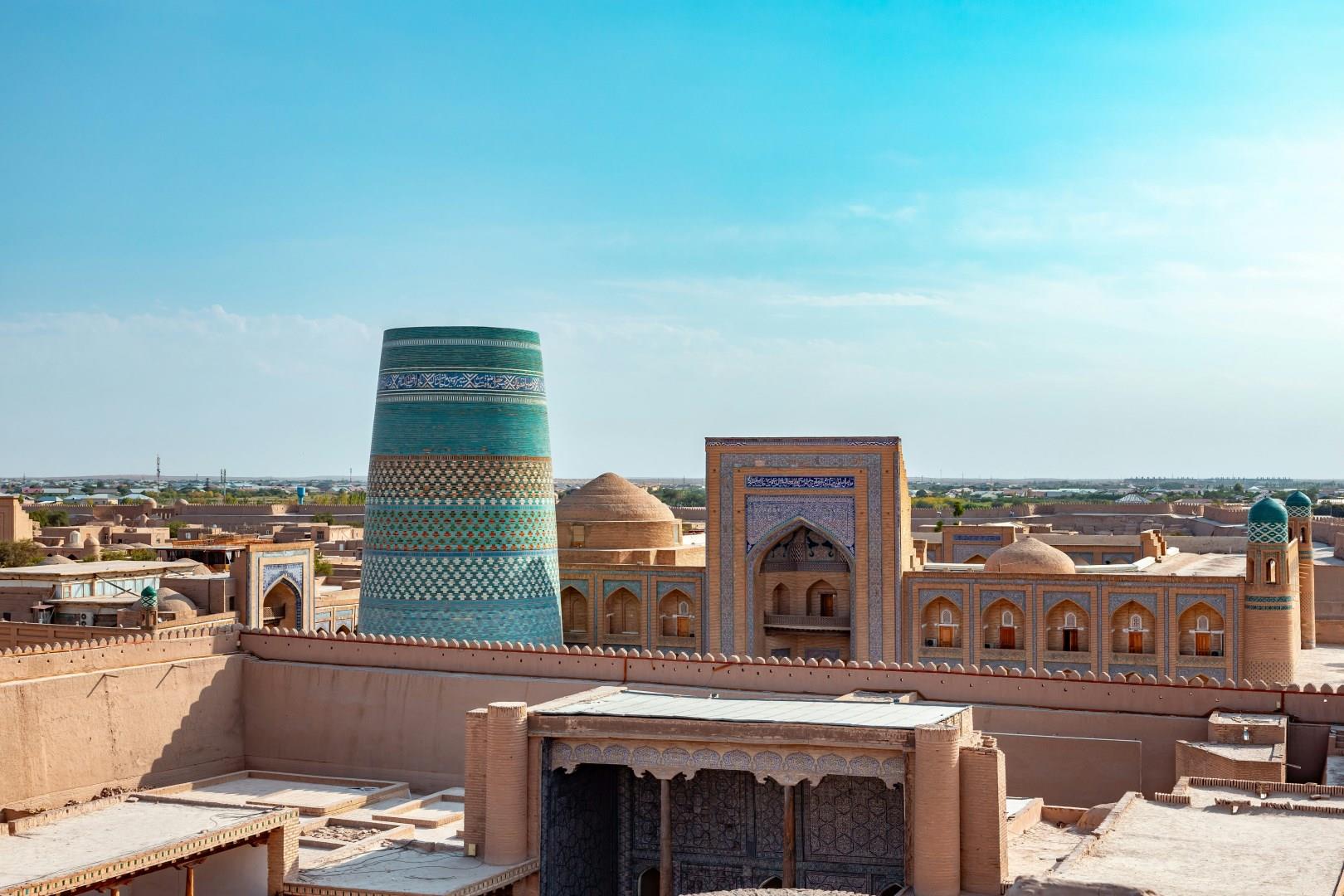
Khiva
Khiva, located in western Uzbekistan’s Khorezm region, is one of Central Asia’s most evocative Silk Road cities. Its walled inner city, known as the Itchan Kala, has preserved a remarkable collection of mud-brick architecture, minarets, mosques, and madrasahs that reflect centuries of Islamic culture and trade. Khiva served as a thriving trading hub and political center, linking merchants and scholars across the desert routes of the region.
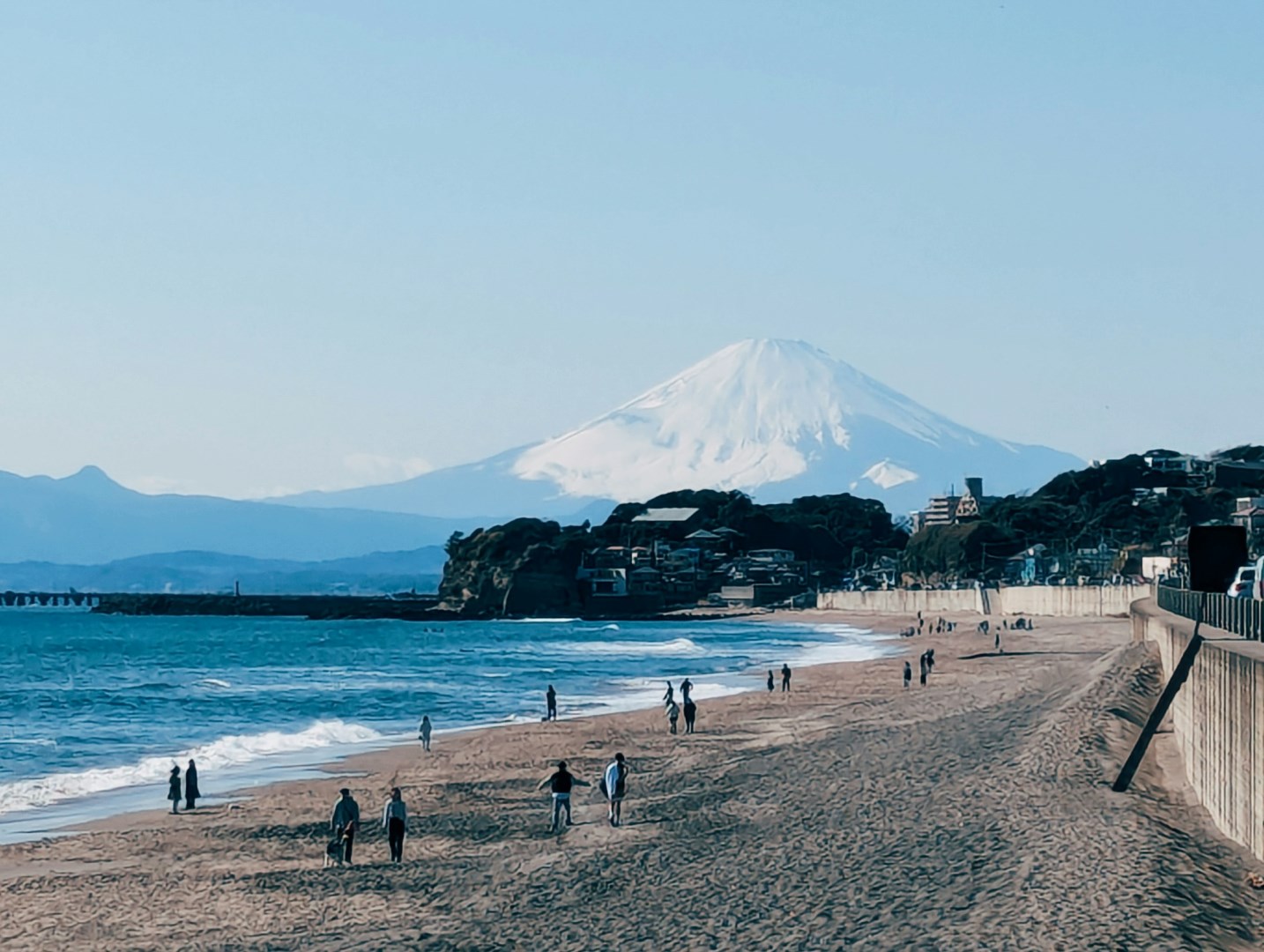
Kamakura
Although the city proper is rather small, Kamakura's coastal location and many seasonal festivals, as well as various shrines and temples, make it a popular destination for tourists. The city also offers several wooded hiking trails that connect some of its historic sites. Another unique feature of Kamakura is its "Seven Entrances," the only ways to access this natural fortress before the construction of modern roads and tunnels.

Jordan
Beyond its historical sites, Jordan's natural landscapes offer a diverse range of experiences. The Dead Sea, the lowest point on Earth's surface, is renowned for its buoyant waters and therapeutic mud, attracting visitors seeking relaxation and wellness. To the south, Wadi Rum's dramatic desert scenery, with its towering sandstone mountains and vast red dunes, provides a backdrop for adventure activities like jeep tours, camel rides, and stargazing.
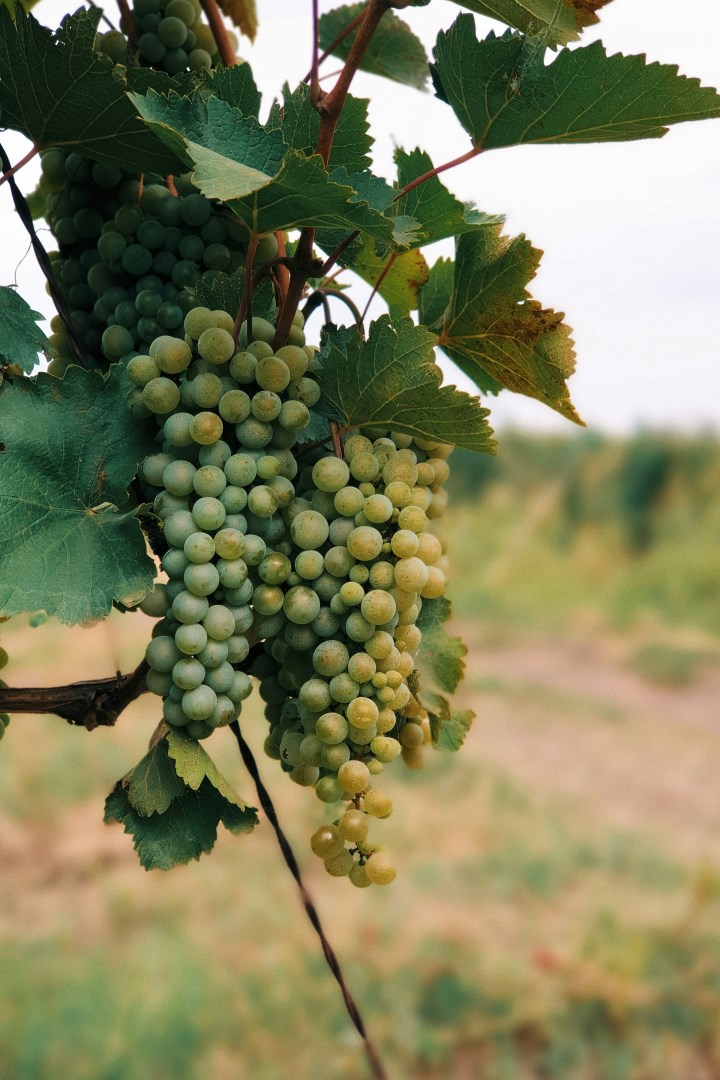
Kakheti
Kakheti is Georgia's easternmost major wine region, stretching across the Alazani and Iori valleys beneath the Greater Caucasus. The region is known for vineyards, fertile plains, dry hills, and mountain landscapes that change considerably between its eastern and western areas. Telavi serves as the main regional center, while towns and villages such as Sighnaghi, Kvareli, Gurjaani, and Tsinandali provide access to vineyards, monasteries, historic estates, and local markets.
