

Koblenz
This 2,000-year-old city, where the Teutonic Order founded one of its first commanderies in the 13th century, lies on the convergence of the Moselle and Rhine Rivers. Hop on a cable car, one of the city's most popular attractions, for stunning city-wide views, or cruise down the Rhine to spot some of Koblenz's magnificent fortresses and castles, including the Ehrenbreitstein Fortress and Schloss Stolzenfels.

Soufriere
Soufriere sits on the southwest coast of St. Lucia, framed by steep hills and the twin Pitons that rise sharply from the sea. Once the island’s original capital, the town carries deep historical roots tied to colonial rivalries and the development of plantation culture.
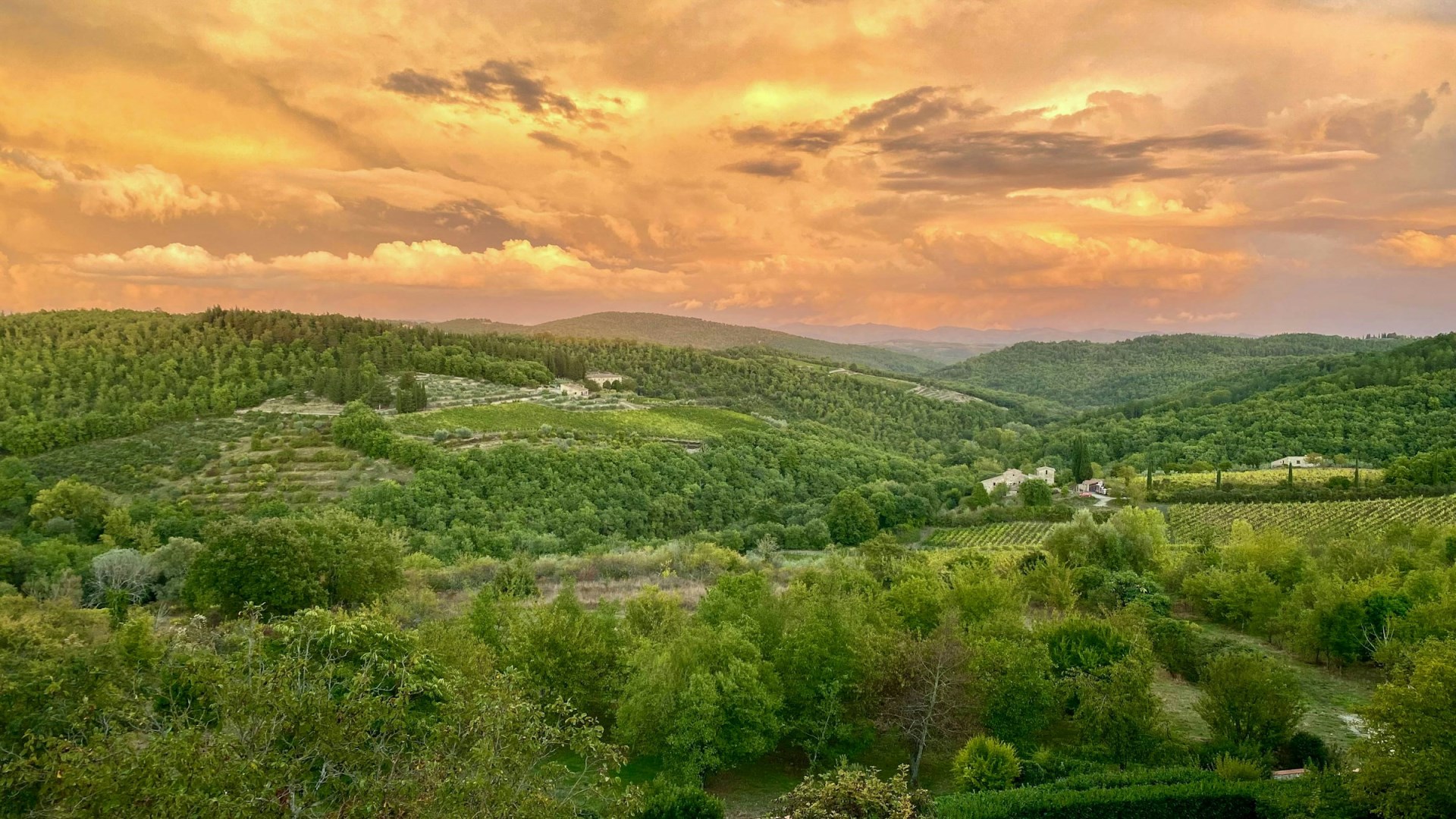
Castellina in Chianti
Castellina in Chianti is a hilltop town in Tuscany, set among the vineyards and wooded slopes of the Chianti Classico area between Florence and Siena. Its historic center follows the ridge of a fortified settlement, with stone buildings, narrow streets, and views across the surrounding countryside. The town’s most distinctive structure is the Via delle Volte, a covered passage built into the medieval defensive walls.
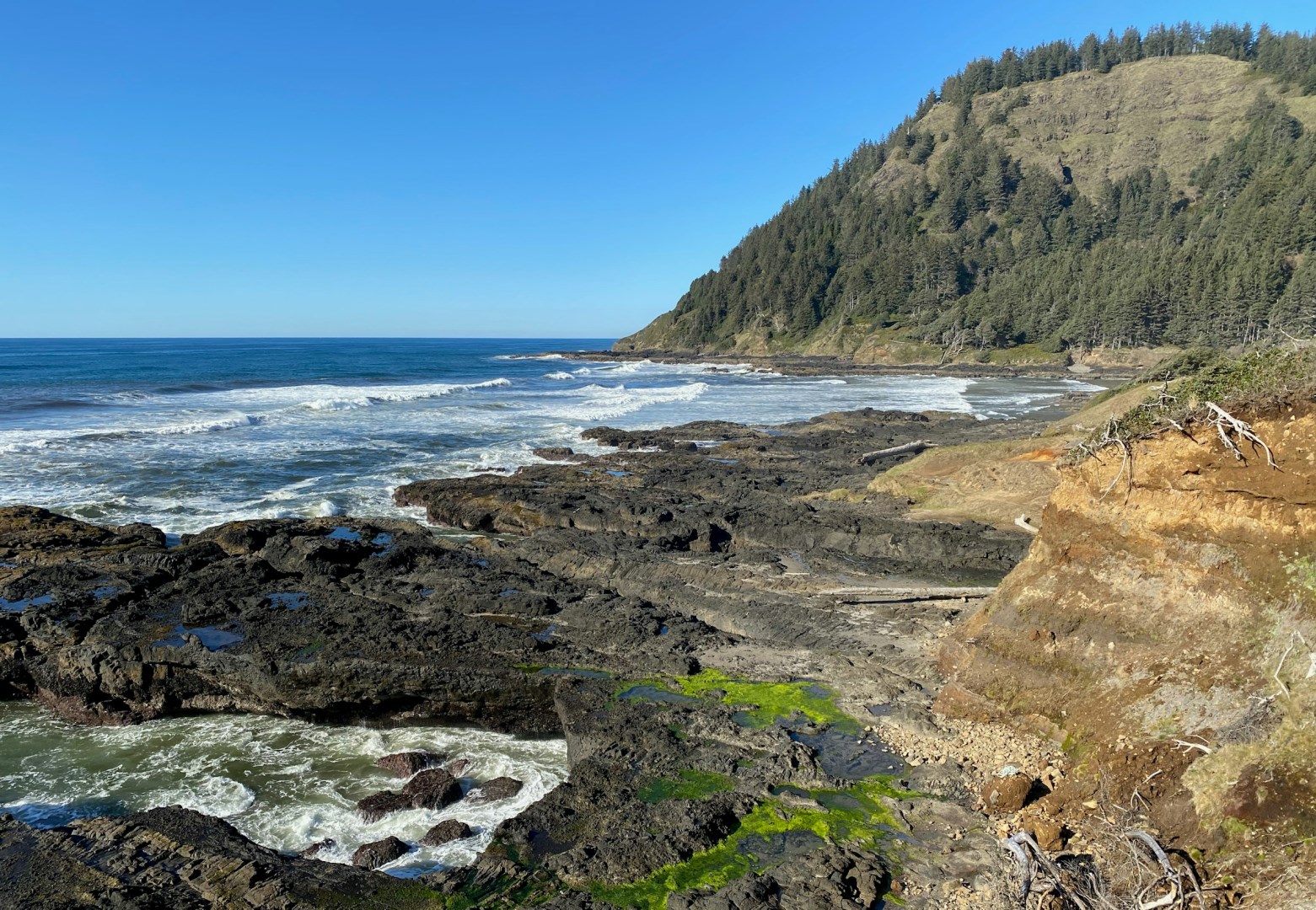
Cape Perpetua
Cape Perpetua is a rugged headland on the central Oregon Coast, rising above the Pacific Ocean south of Yachats. The area is part of the Siuslaw National Forest and combines dense coastal forest with steep cliffs, rocky beaches, tide pools, and open ocean views.
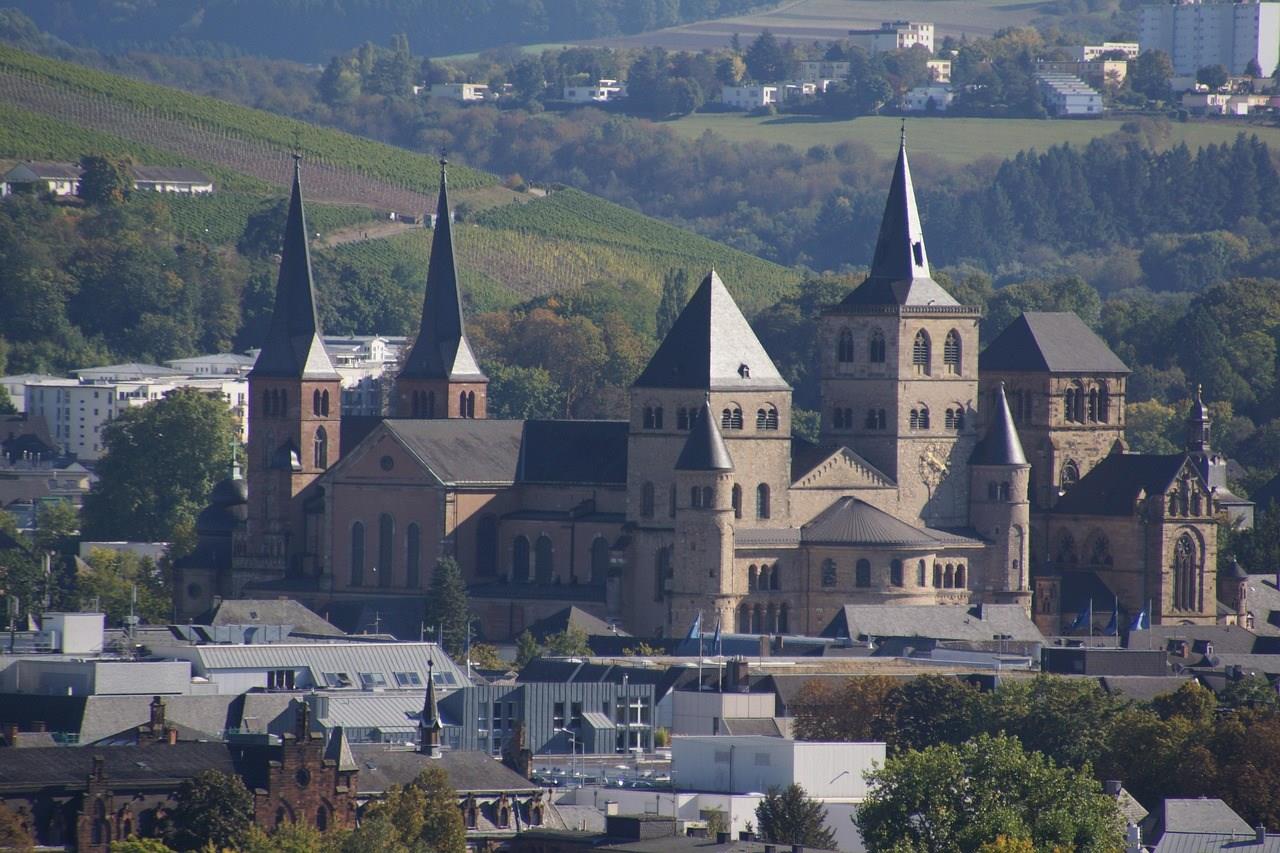
Trier
Trier, Germany’s oldest city, is a living museum nestled in the Moselle Valley, where Roman ruins rise beside medieval churches and bustling market squares. Founded by the Romans in 16 BCE, Trier was once known as “Roma Secunda,” the second Rome, and still boasts the largest collection of Roman architecture north of the Alps. The Trier Cathedral (Dom St. Peter), which is a UNESCO World Heritage Site, is the oldest church in Germany and houses a relic said to be the Holy Robe of Christ.
