

California
California is a destination that offers an unparalleled variety of experiences, making it one of the most visited states in the U.S. From the snow-capped peaks of the Sierra Nevada to the sun-kissed beaches of San Diego, California's diverse landscapes cater to all kinds of outdoor enthusiasts, offering endless opportunities for hiking, surfing, skiing, and more.

Merzouga
Merzouga, a small village located in southeastern Morocco, is the gateway to the stunning Erg Chebbi dunes, one of the most iconic desert landscapes in the world. These towering sand dunes, which can reach heights of up to 150 meters (492 feet), offer an unparalleled opportunity for adventure and exploration. The contrast between the golden sands and the clear blue sky creates a breathtaking panorama that is perfect for photography and desert excursions.
Rørvik
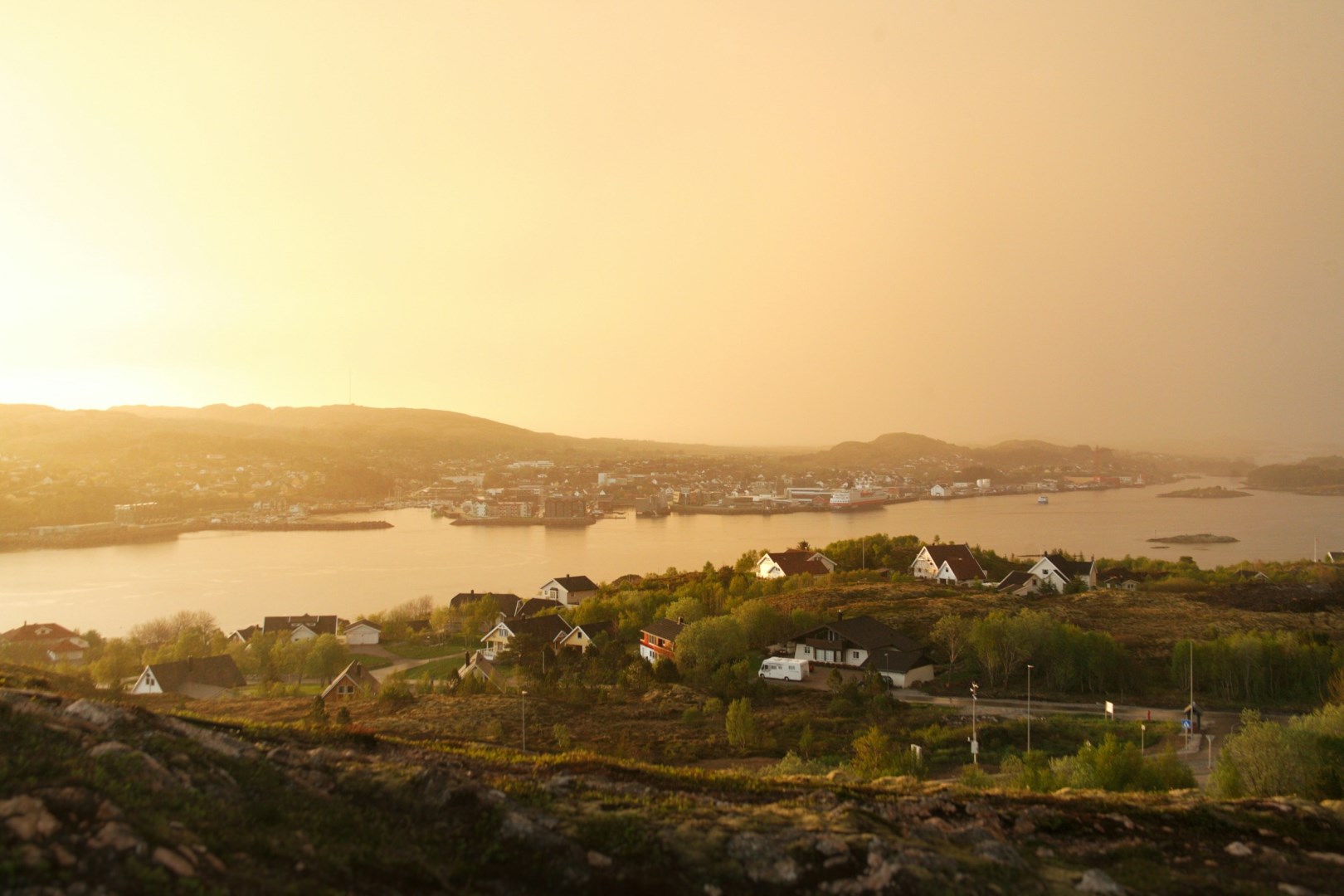
Rorvik is a busy fishing community on the eastern side of the Vikna archipelago. Outdoor activities abound in this maritime region, including kayaking, canoeing, fishing and diving. Several museums offer a look at Rorvik's culture and history, and wildlife enthusiasts will find a myriad of bird and fish species to observe.
Arrowtown
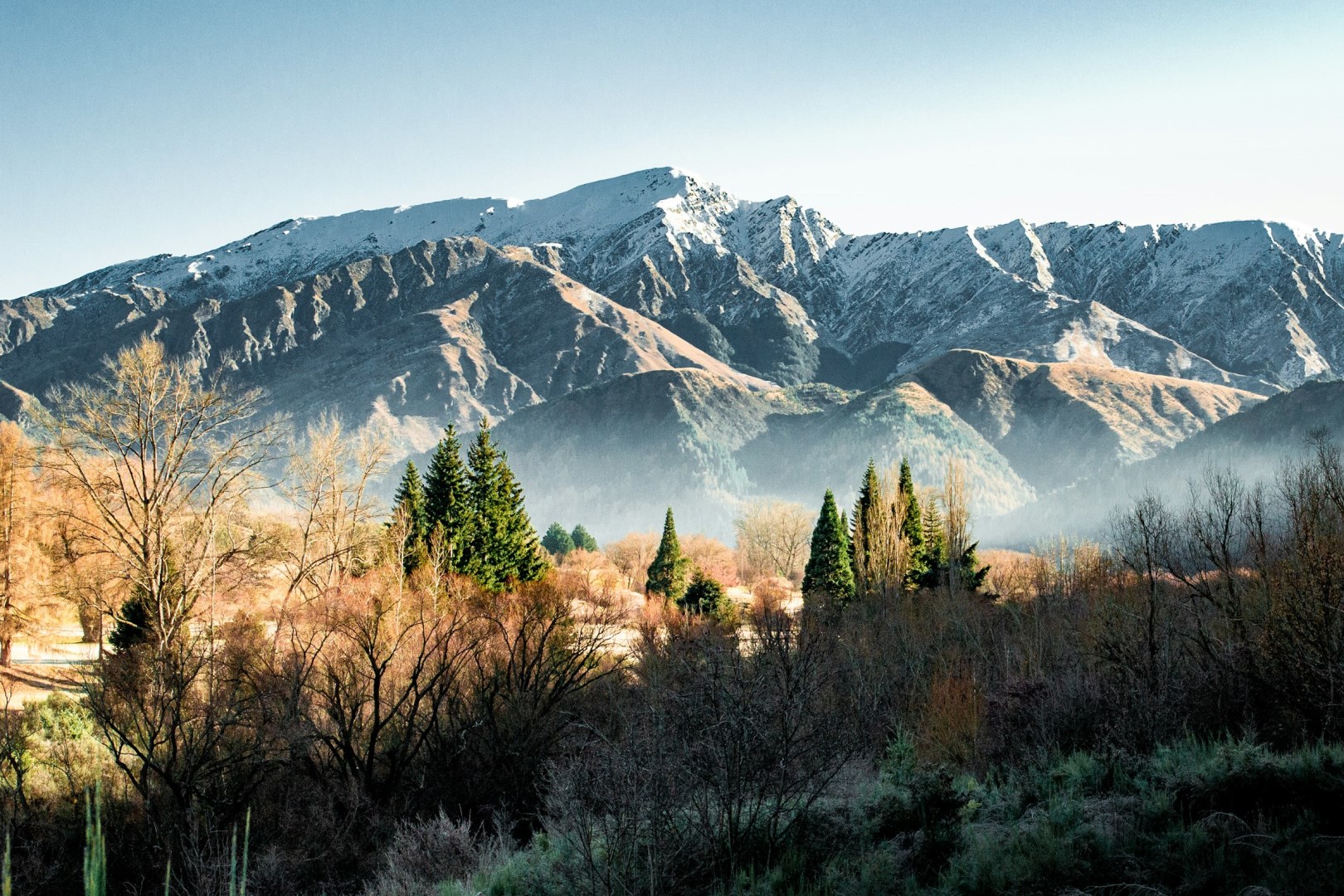
Arrowtown, New Zealand, is a quaint town steeped in gold rush history, nestled along the Arrow River in the Otago region. The town’s heritage buildings, many carefully preserved from the 19th century, offer a glimpse into its past as a thriving mining settlement.
Niue
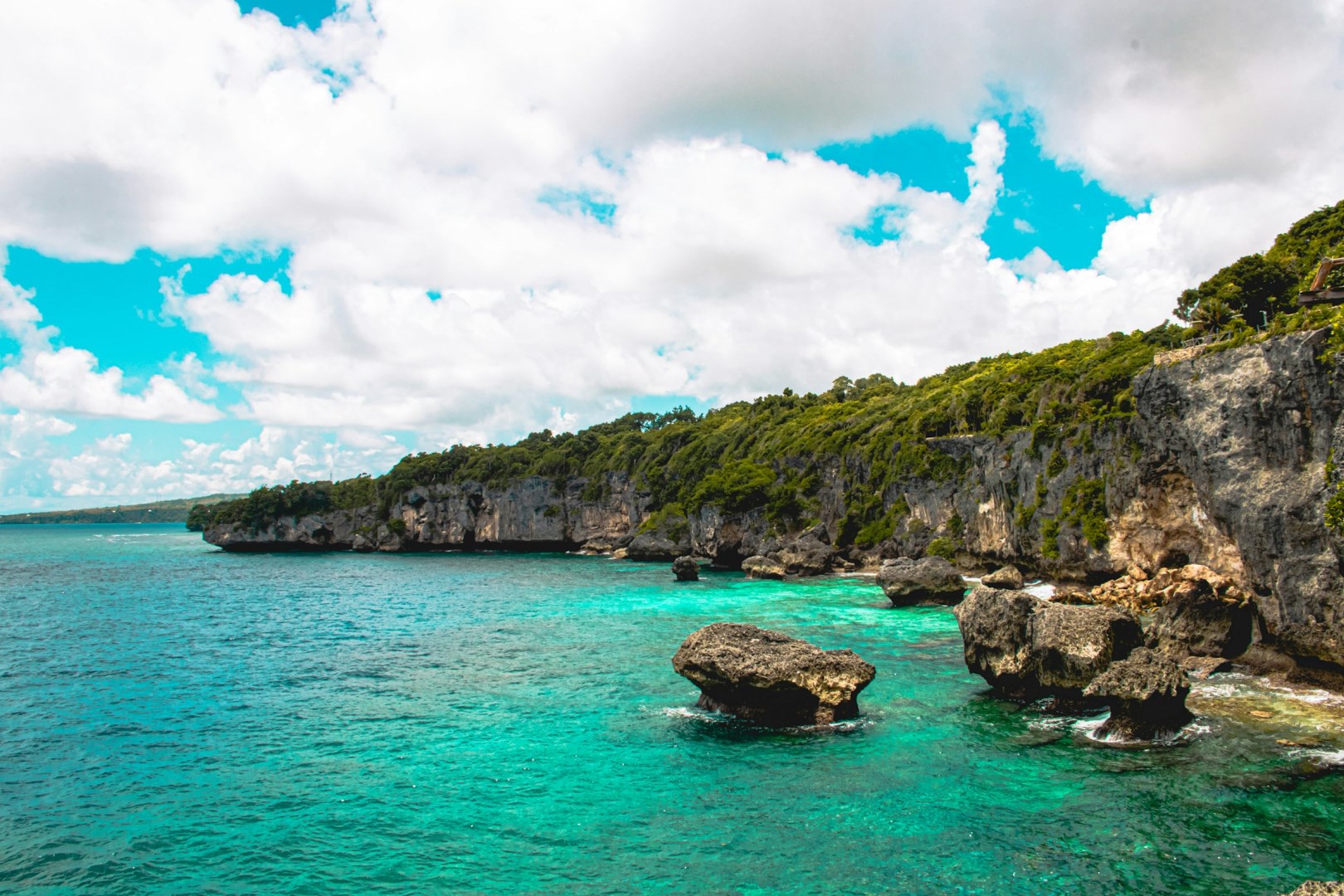
Niue is an island in free association with New Zealand, in the South Pacific Ocean. Niue is located about about 286 mi. east of Tonga.
