
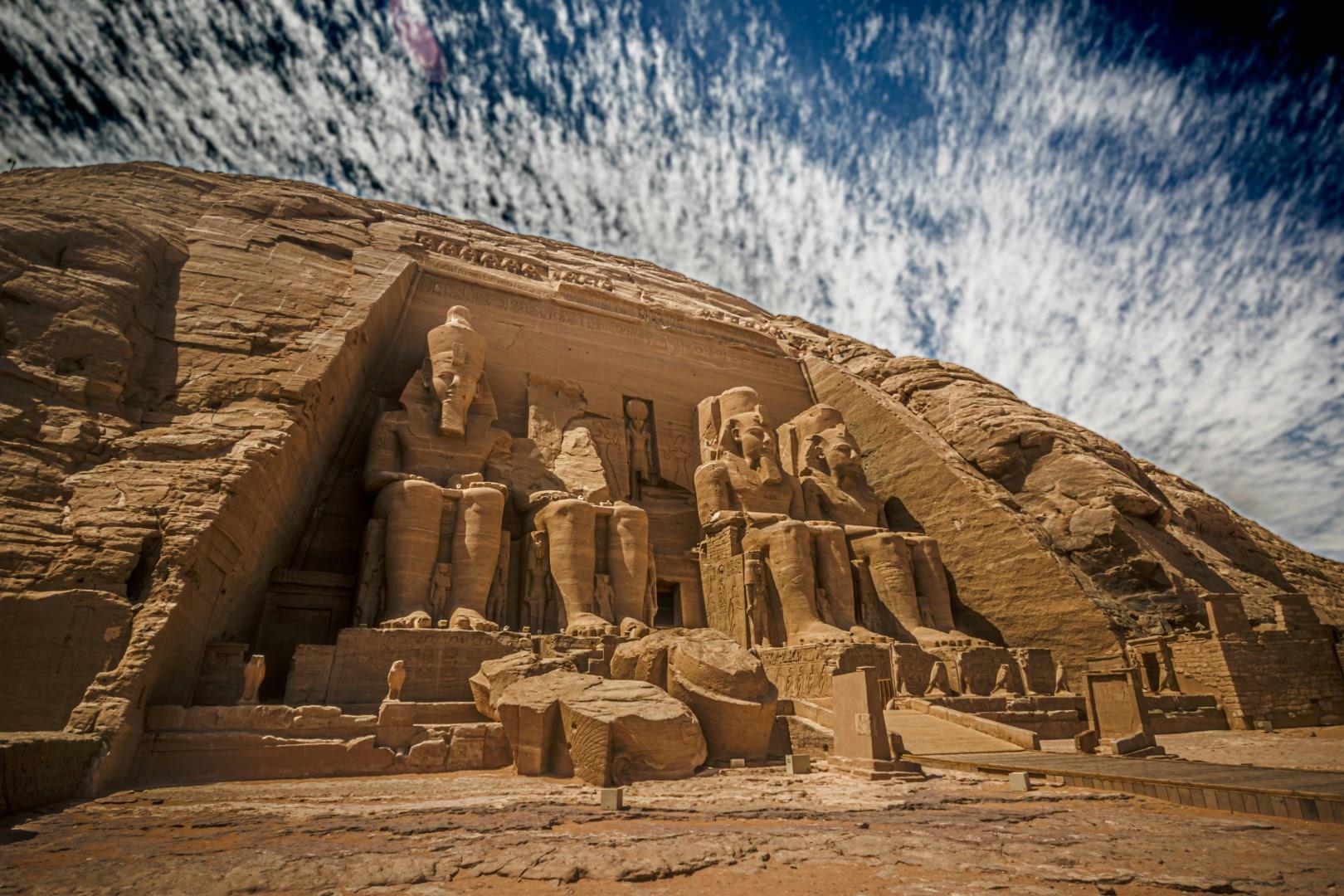
Abu Simbel
Abu Simbel, in southern Egypt near the border with Sudan, is one of the most awe-inspiring archaeological sites of the ancient world. Built during the reign of Pharaoh Ramses II in the 13th century BCE, the twin temples were carved directly into the sandstone cliffs overlooking the Nile. The Great Temple, with its four colossal statues of Ramses II seated at the entrance, was designed not only to honor the pharaoh but also to project his power to neighboring Nubia.
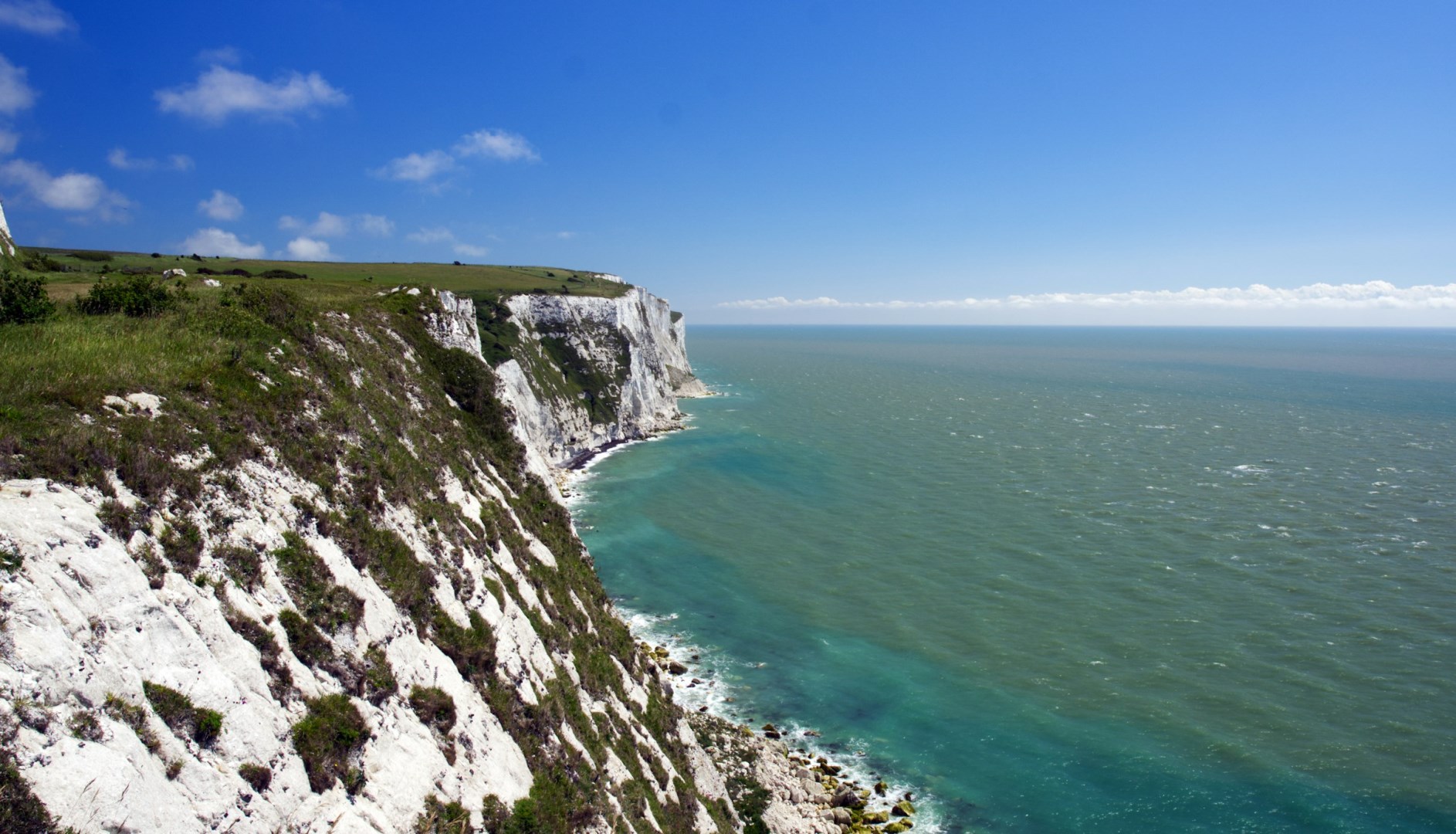
Dover
The historic city of Dover, nestled on the southern coast of England, is a captivating destination known for its iconic White Cliffs and strategic maritime heritage. Overlooking the Strait of Dover, these towering chalk cliffs offer breathtaking views across to France and serve as a symbol of Britain's resilience.

Saint Paul De Vence
The quaint village of St. Paul De Vence is situated on top of a hill overlooking the beautiful countryside. This medieval, walled town offers historic buildings, hidden alleyways, museums and many specialty shops.
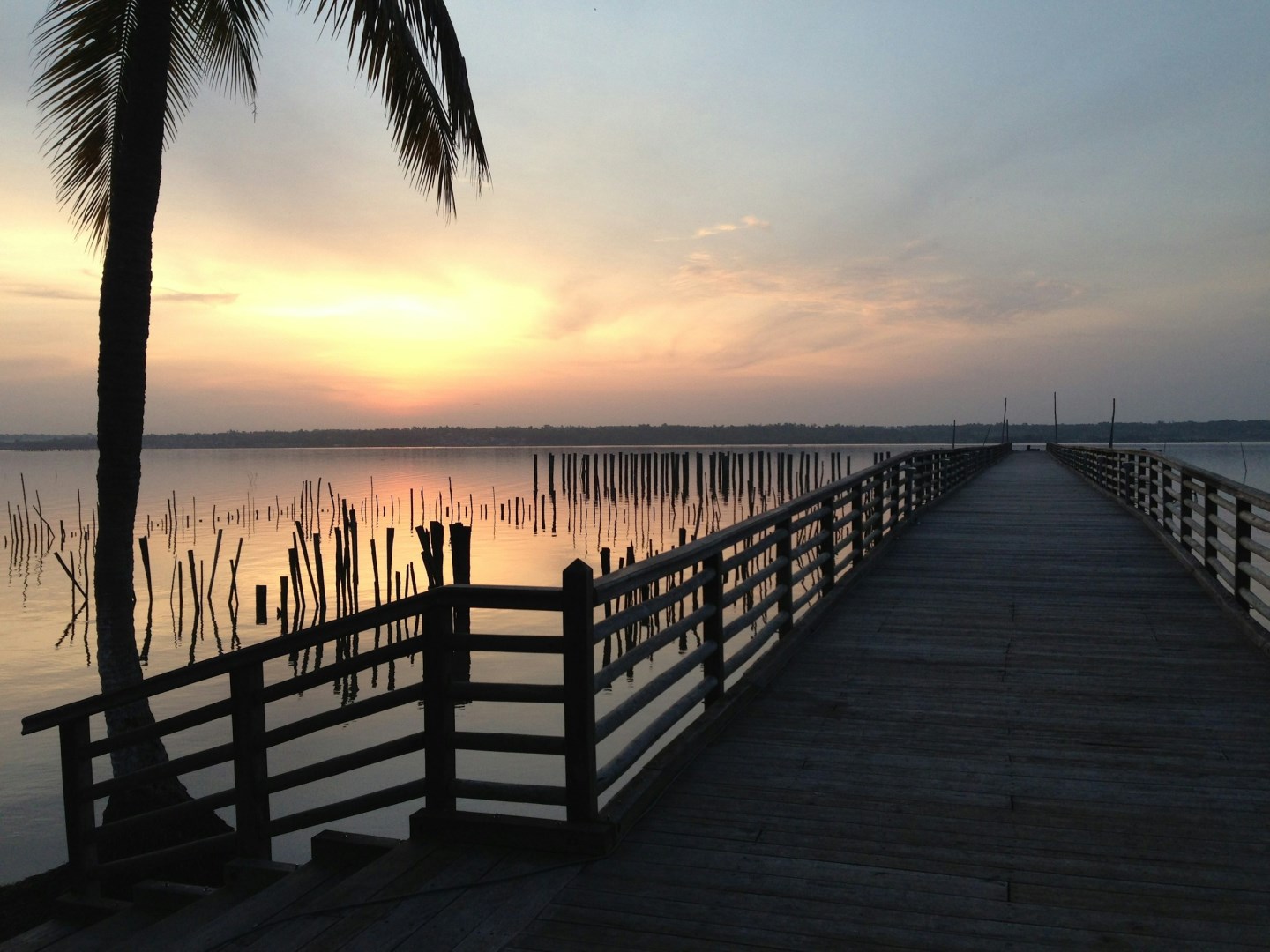
Bopa
Bopa is a lakeside town in southwestern Benin, located in the Mono Department along the shores of Lake Ahémé. The town sits within a landscape of water, wetlands, palm trees, farmland, and low-lying coastal vegetation, with the lake playing an important role in local life. Fishing is a major activity, and traditional boats can be seen operating across the lake and along its shoreline.
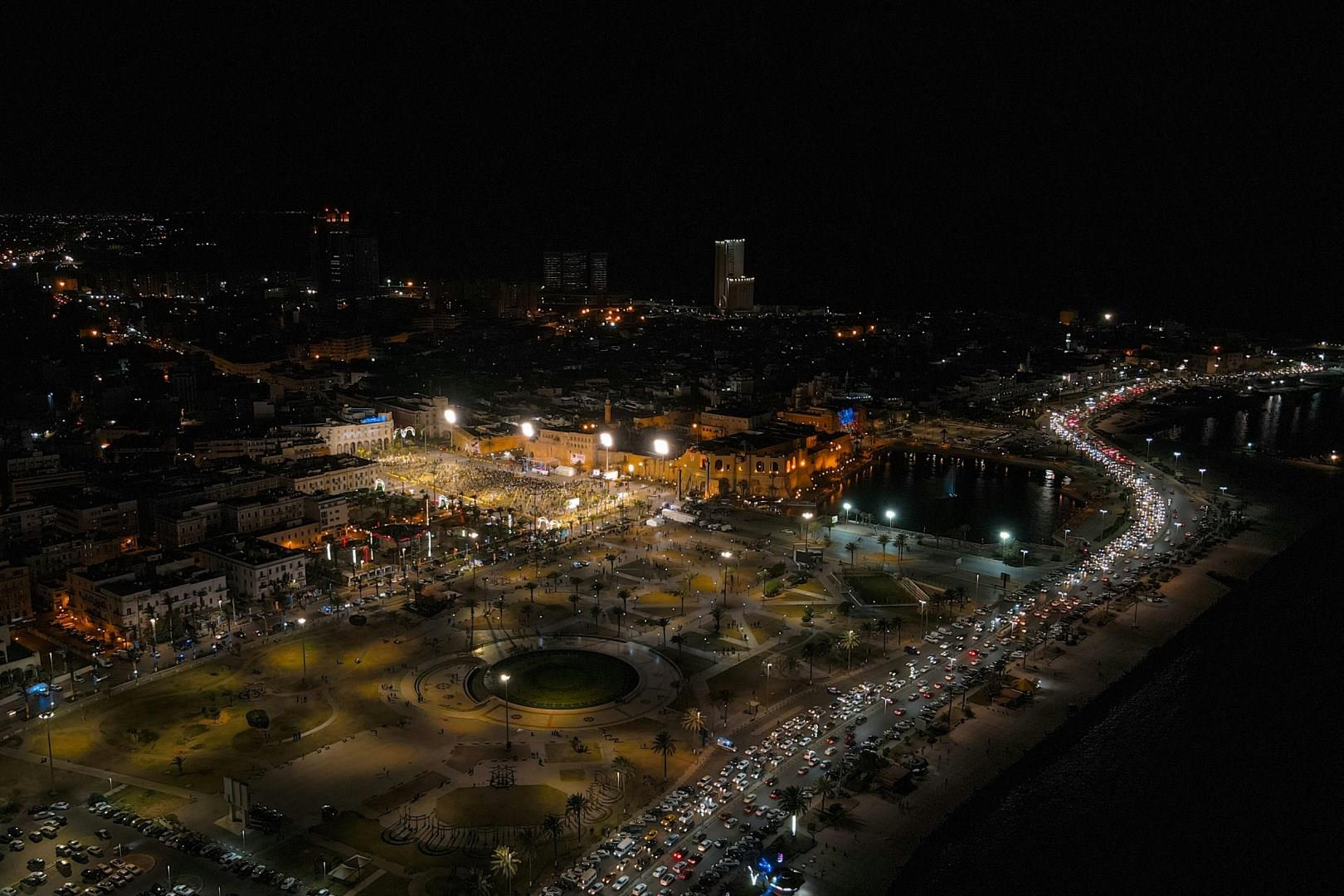
Libya
Libya, located in North Africa along the Mediterranean coast, is a country of vast deserts, ancient history, and dramatic landscapes. Much of its terrain is dominated by the Sahara Desert, with sand dunes, rocky plateaus, and oases shaping life across the country.
