
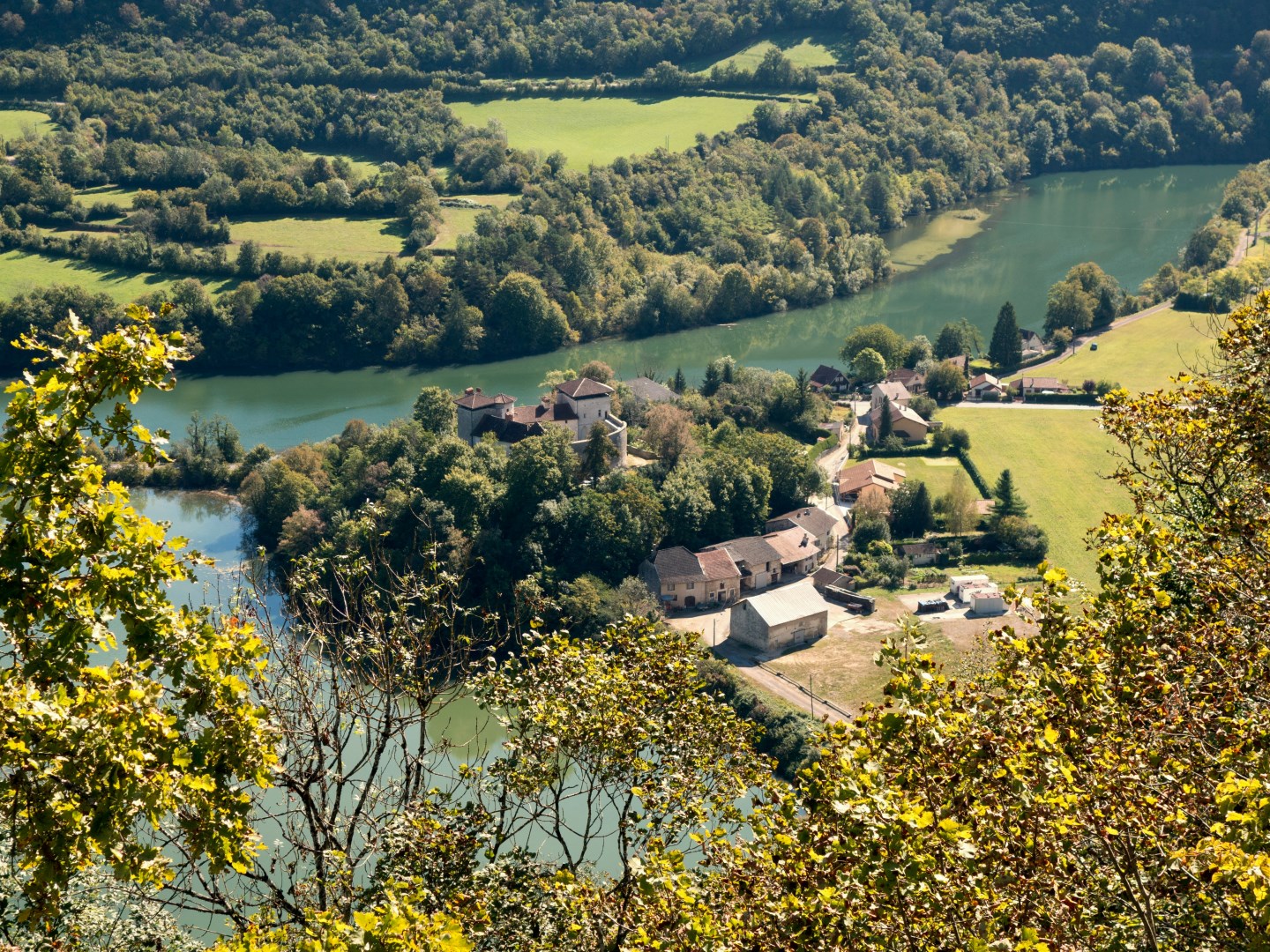
Conflans
France’s Conflans-Sainte-Honorine sits quietly at the meeting point of the Seine and Oise rivers.
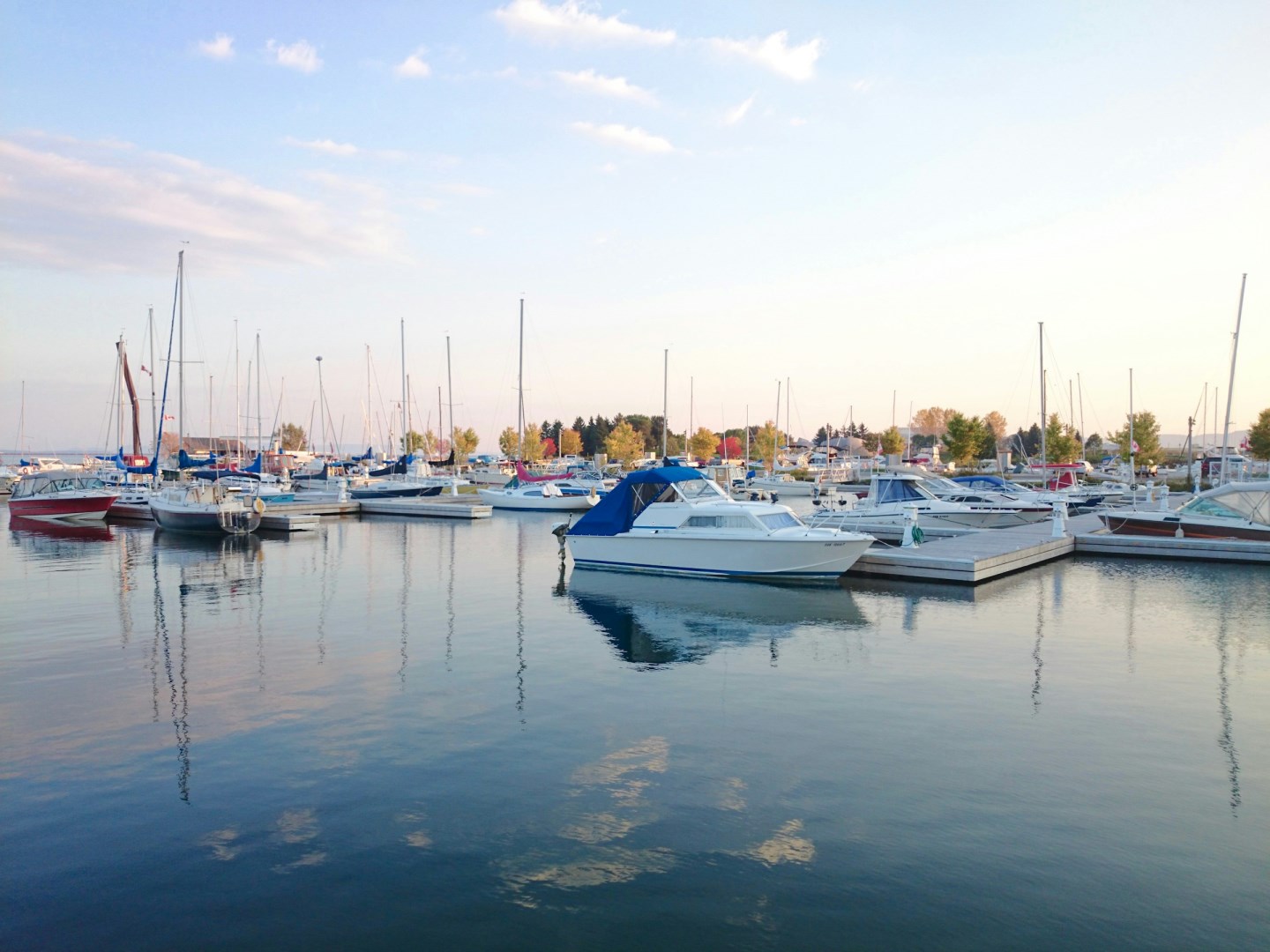
Thunder Bay
Thunder Bay is a city on the northwestern shore of Lake Superior, where the Kaministiquia River reaches one of the world's largest freshwater lakes. Surrounded by forests, rocky hills, and broad water views, it serves as a regional centre for transportation, education, industry, and services across Northwestern Ontario.
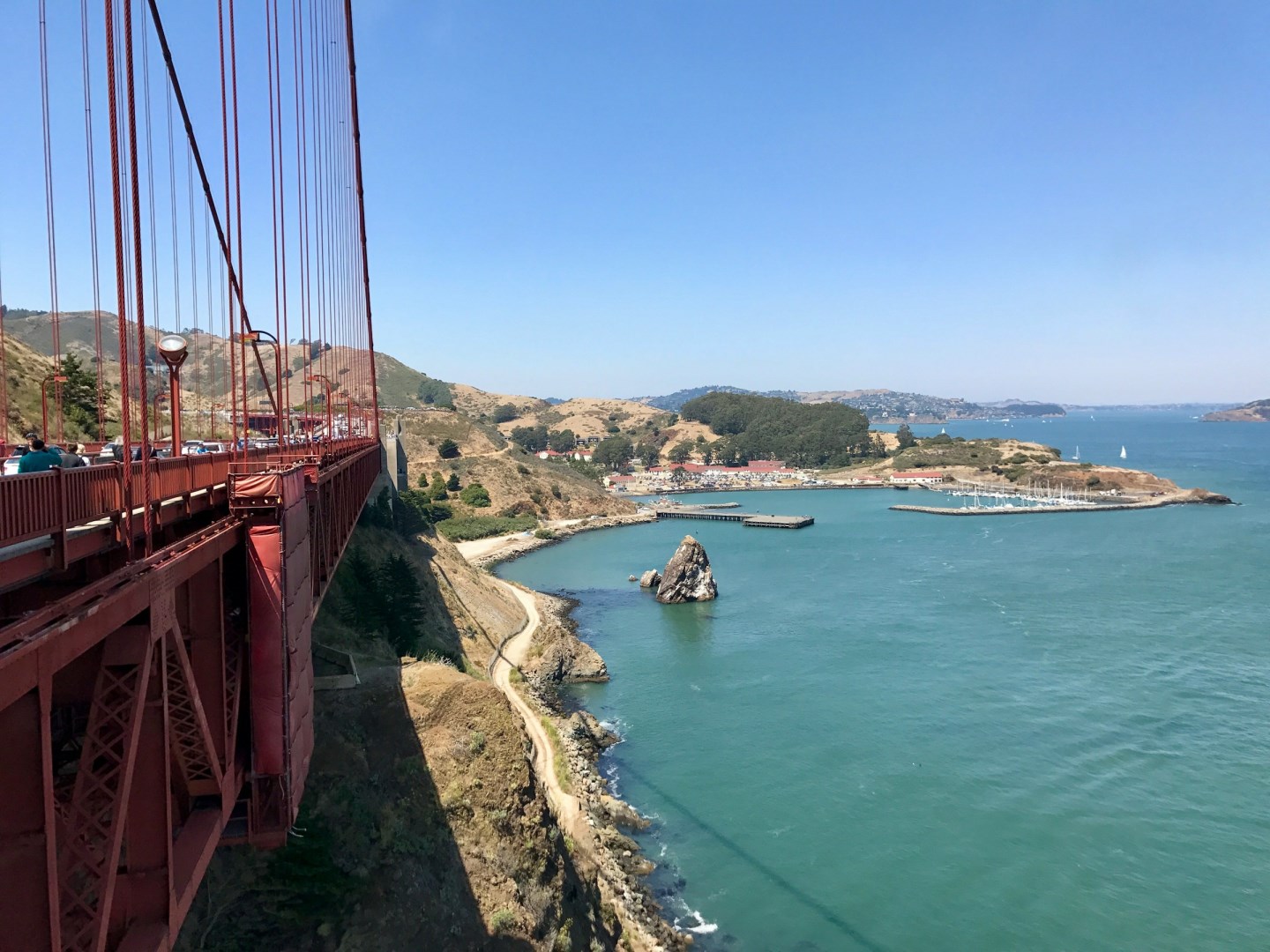
Sausalito
Sausalito was incorporated in 1893, and named by 18th century Spanish explorers for the "little willow" trees (Saucelito) which were found, in abundance, on the banks of its streams.

Rhine Valley
The Rhine Valley offers a unique blend of historic landmarks, cultural traditions, and natural splendor. Whether exploring ancient castles, savoring local wines, or simply cruising along the river, visitors will find endless opportunities to create lasting memories in this enchanting region.
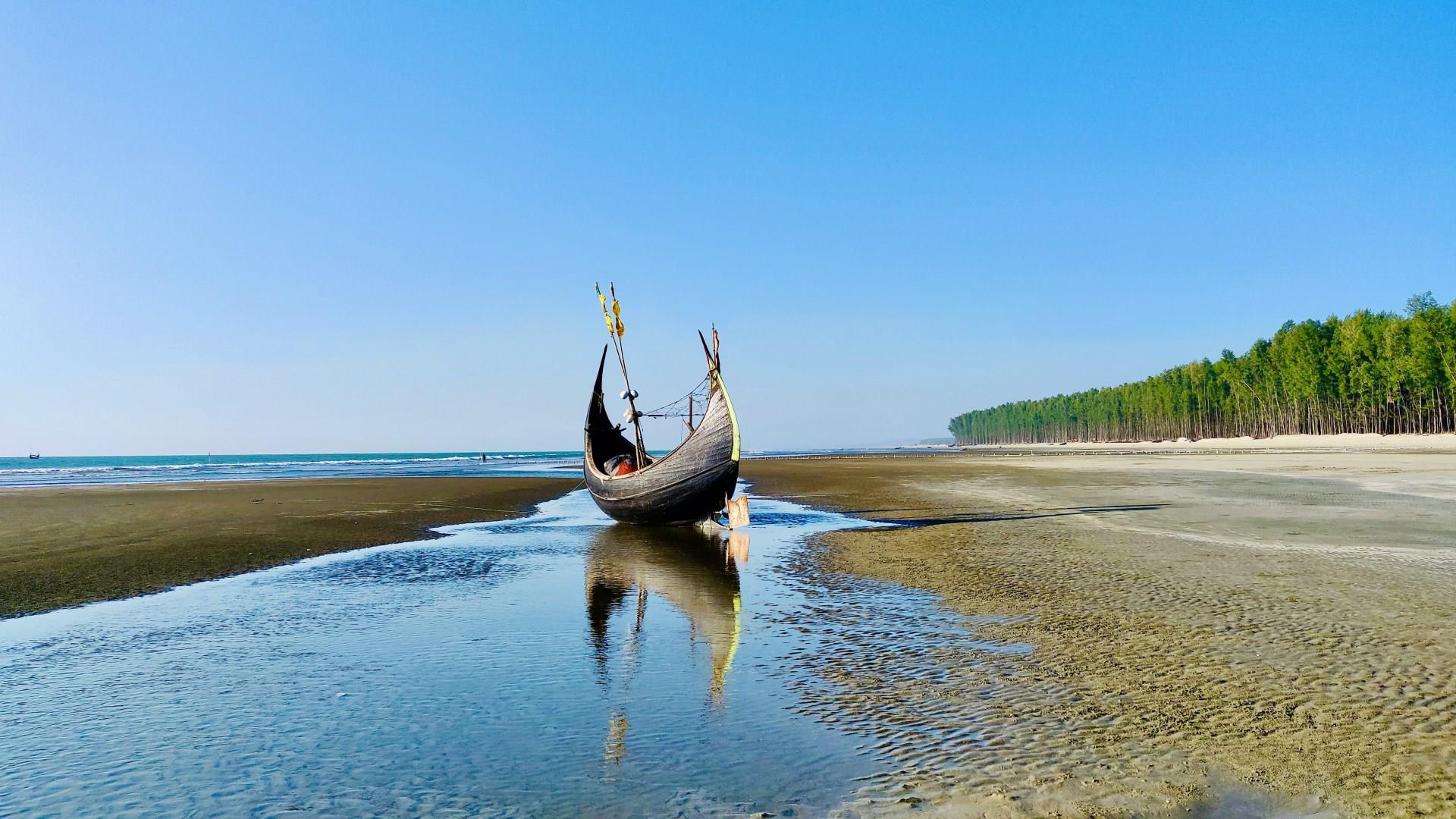
Bangladesh
Bangladesh, set in the heart of South Asia, is known for its lush greenery and waterways. It is often described as the “land of rivers,” with the Ganges, Brahmaputra, and Meghna weaving through its landscapes.
