

Manzanillo
Manzanillo, located on Mexico’s Pacific coast, is a port city known for its beautiful beaches, excellent seafood, and world-class fishing. It is one of the country’s busiest ports, and is often called the "Sailfish Capital of the World."
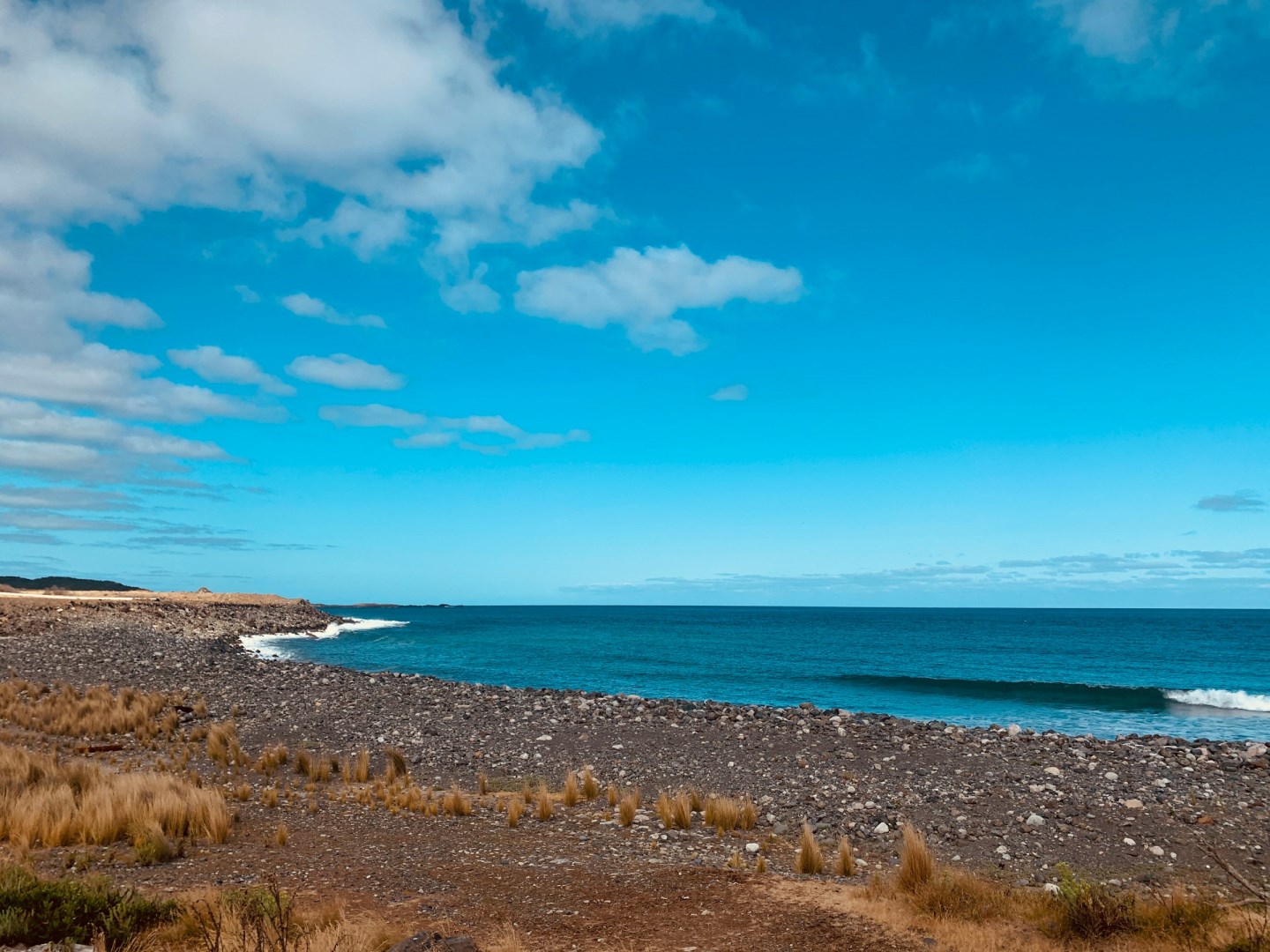
King Island Tasmania
King Island was discovered in 1798, and was a preferred breeding area for sea elephants and seals. Around the island are many shipwrecks, caused by the rough seas of the Bass Strait.

Ica
Ica is a city in southern Peru, located in a fertile valley surrounded by the dry coastal desert. The city is the capital of the Ica Region and an important center for agriculture, wine, and pisco production. Its setting is distinctive because irrigated fields and vineyards lie close to extensive sand dunes. The nearby Huacachina oasis, about five kilometers from the city center, is one of the region’s best-known landmarks, with a lagoon surrounded by palms, huarangos, restaurants, and high dune
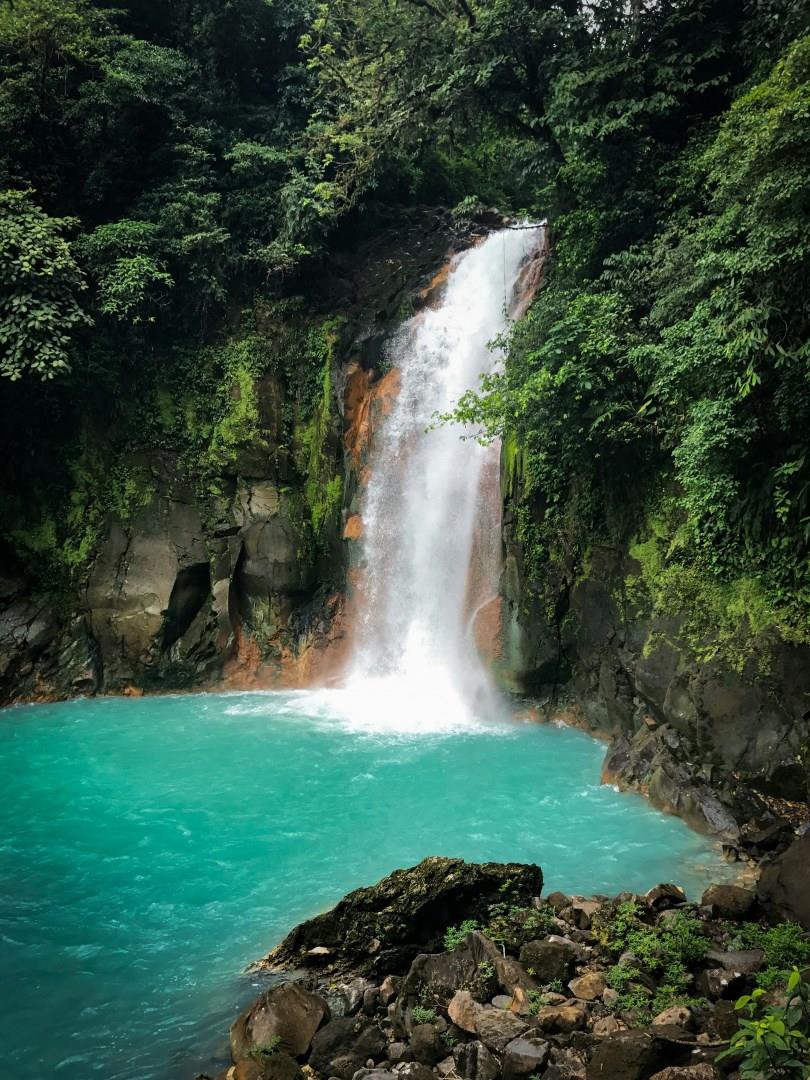
Celeste River
Hidden in the northern region of Costa Rica, the Celeste River (Río Celeste) winds through Tenorio Volcano National Park with a color so vivid it seems unreal. The river’s striking turquoise hue is caused by a natural chemical reaction between two mineral-rich streams, Quebrada Agria and Río Buena Vista, which merge at a point known as "El Teñidero." This one-of-a-kind phenomenon creates the illusion that the water has been dyed blue, even though no pigments are present.
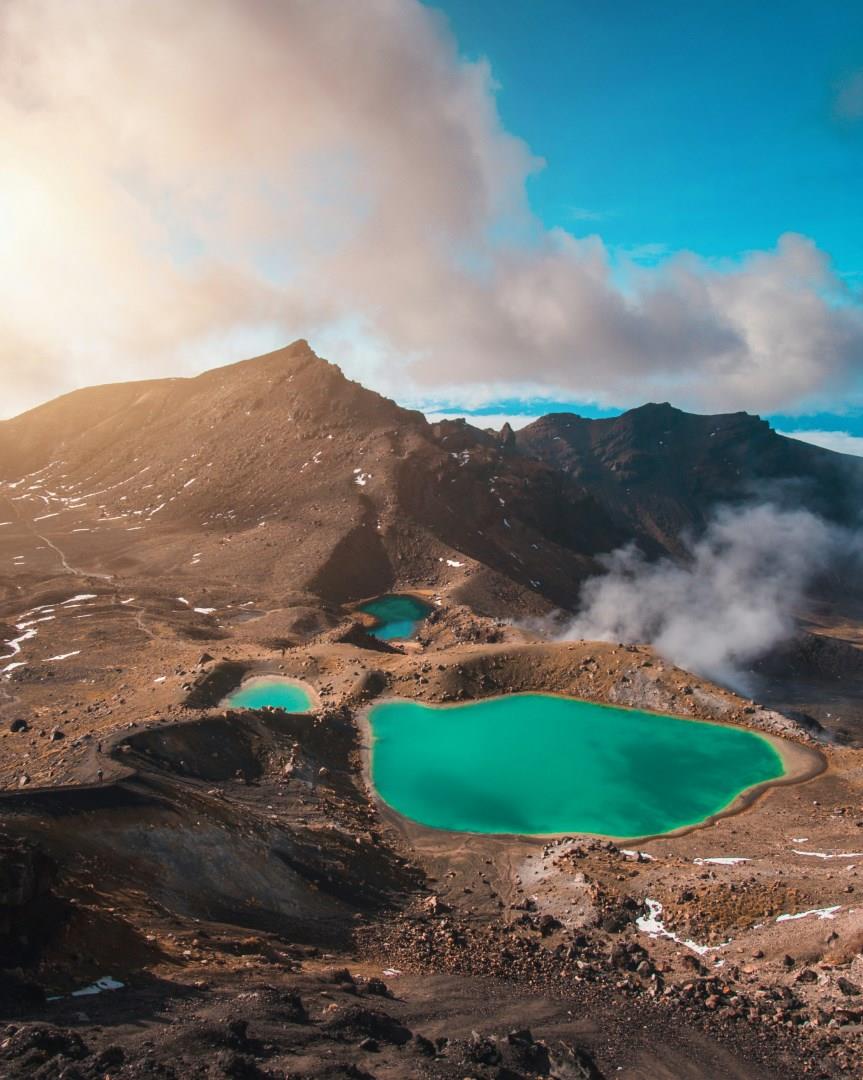
Tongariro National Park
Tongariro National Park, on New Zealand’s North Island, holds deep cultural meaning as well as striking geological presence. It was the country’s first national park, gifted to the nation by Ngāti Tūwharetoa chiefs in the 19th century, establishing a model that tied conservation to Māori guardianship. The volcanic peaks of Tongariro, Ngāuruhoe, and Ruapehu are considered ancestors, giving the landscape a living cultural identity rather than a purely scenic one.
