
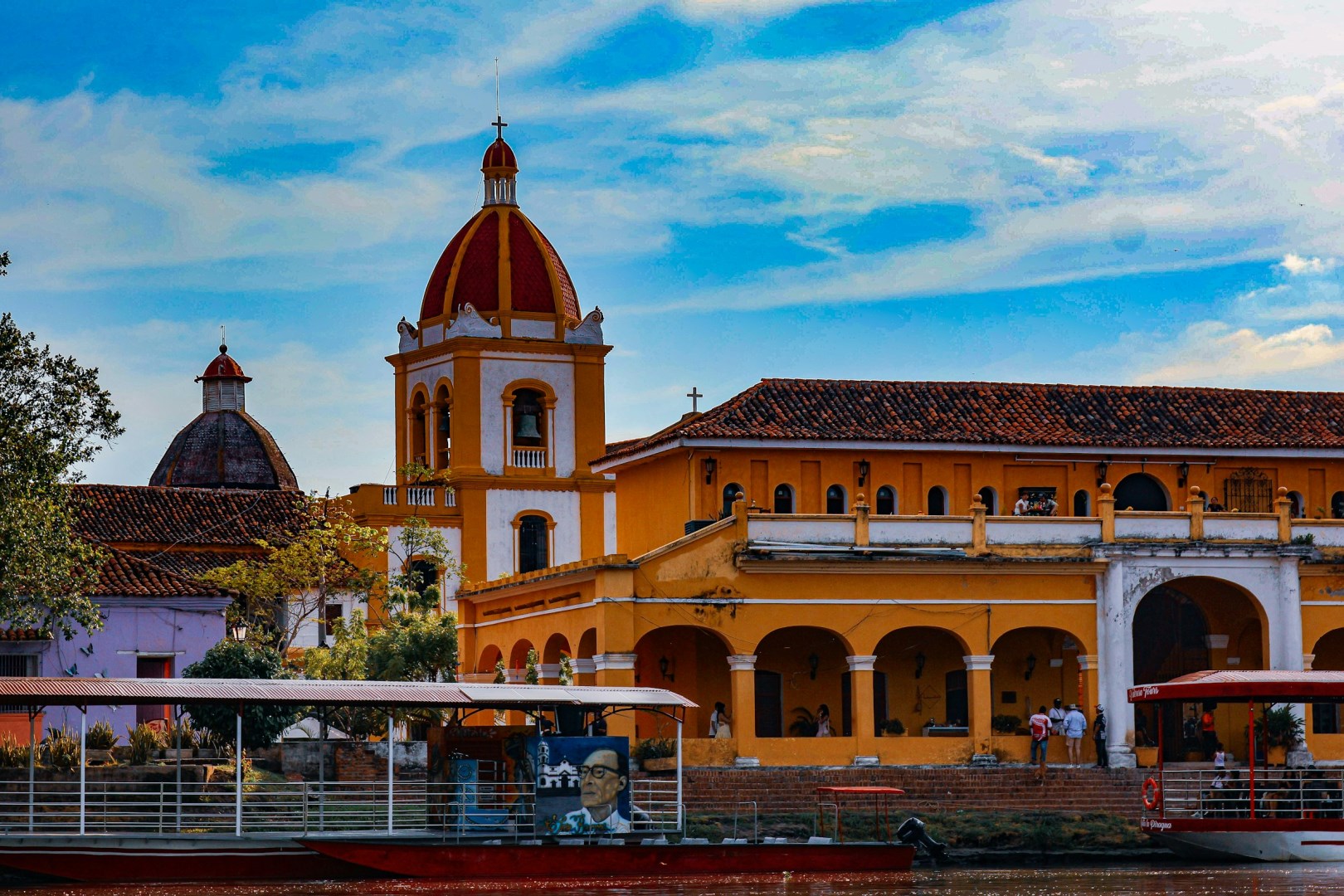
Santa Cruz de Mompox
Santa Cruz de Mompox, better known as simply Mompox (or Mompós), draws many visitors to northern Colombia with its rich history, well-preserved colonial architecture, and several annual events including its Holy Week celebrations and the Mompox Jazz Festival.
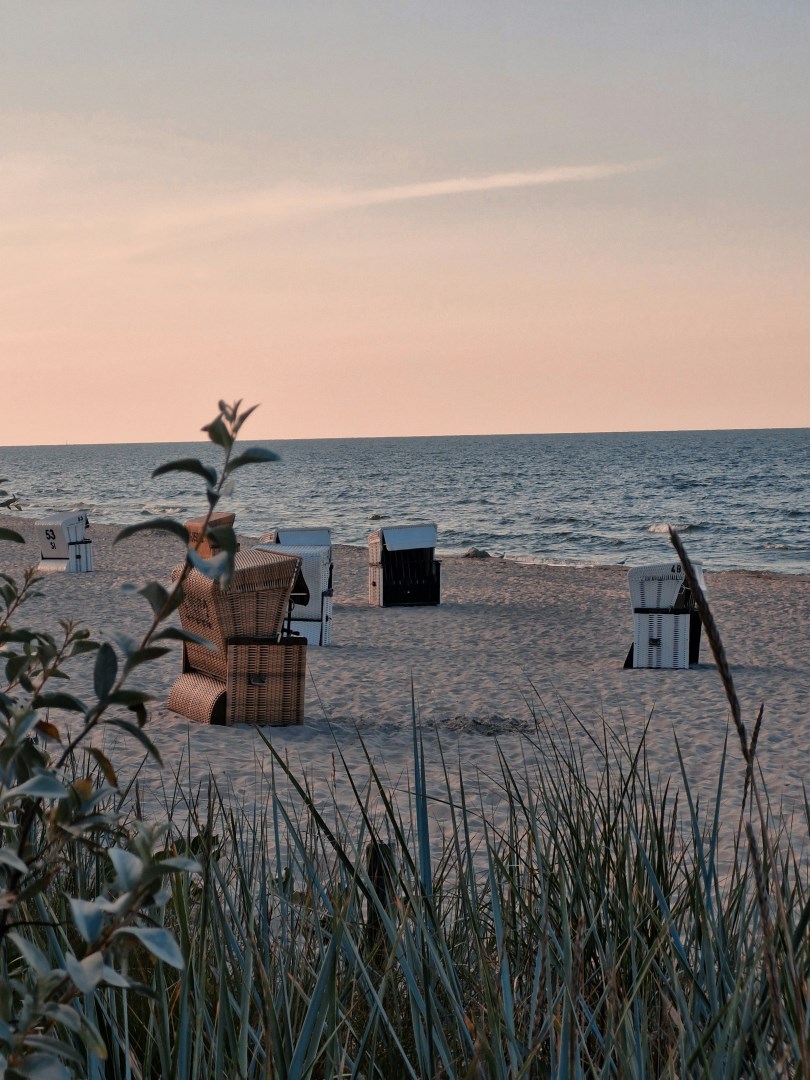
Heringsdorf
Heringsdorf on the Island of Usedom the second largest island of Germany, is one of the sea resort towns which has been able to preserve the charms of a splendid past. Seemingly endless white sandy beaches, the impressive piers of the 3 imperial resort towns, villas along the beach promenade and a charming hinterland all characterise this town and this island.
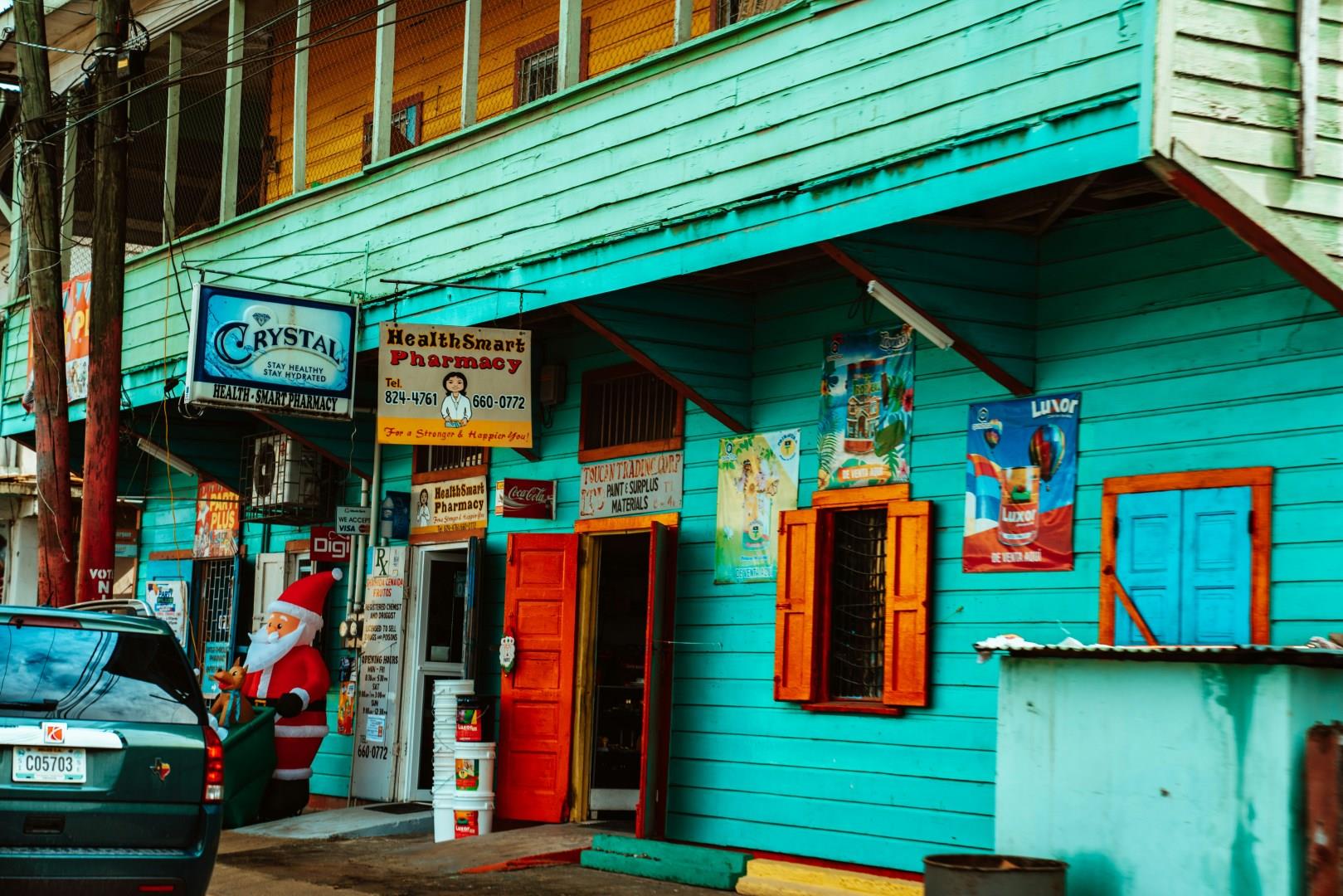
San Ignacio
San Ignacio sits in western Belize’s Cayo District on the banks of the Macal and Mopan Rivers, where the town and its sister settlement of Santa Elena are linked by Belize’s lone suspension bridge. Its location also makes San Ignacio a gateway to both inland Belize and the nearby Guatemalan border, making it easy for curious travelers to explore beyond town limits.
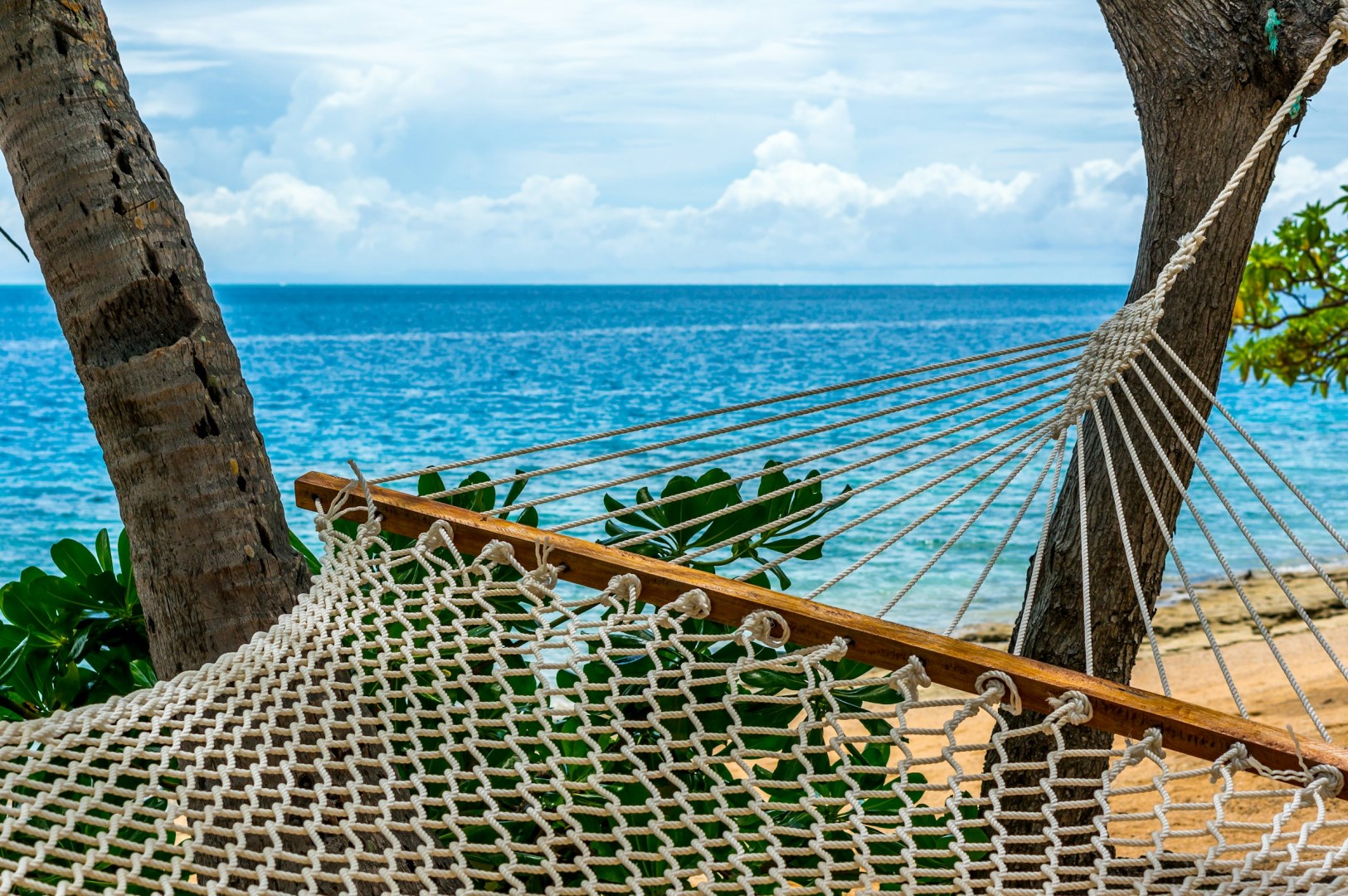
Malolo Island
Set among Fiji’s Mamanuca Islands, Malolo Island combines a lush, hilly interior with palm-fringed beaches, clear lagoons, and coral-rich waters. Visitors can spend their days swimming, snorkelling, kayaking, or sailing before settling into the island’s unhurried pace.
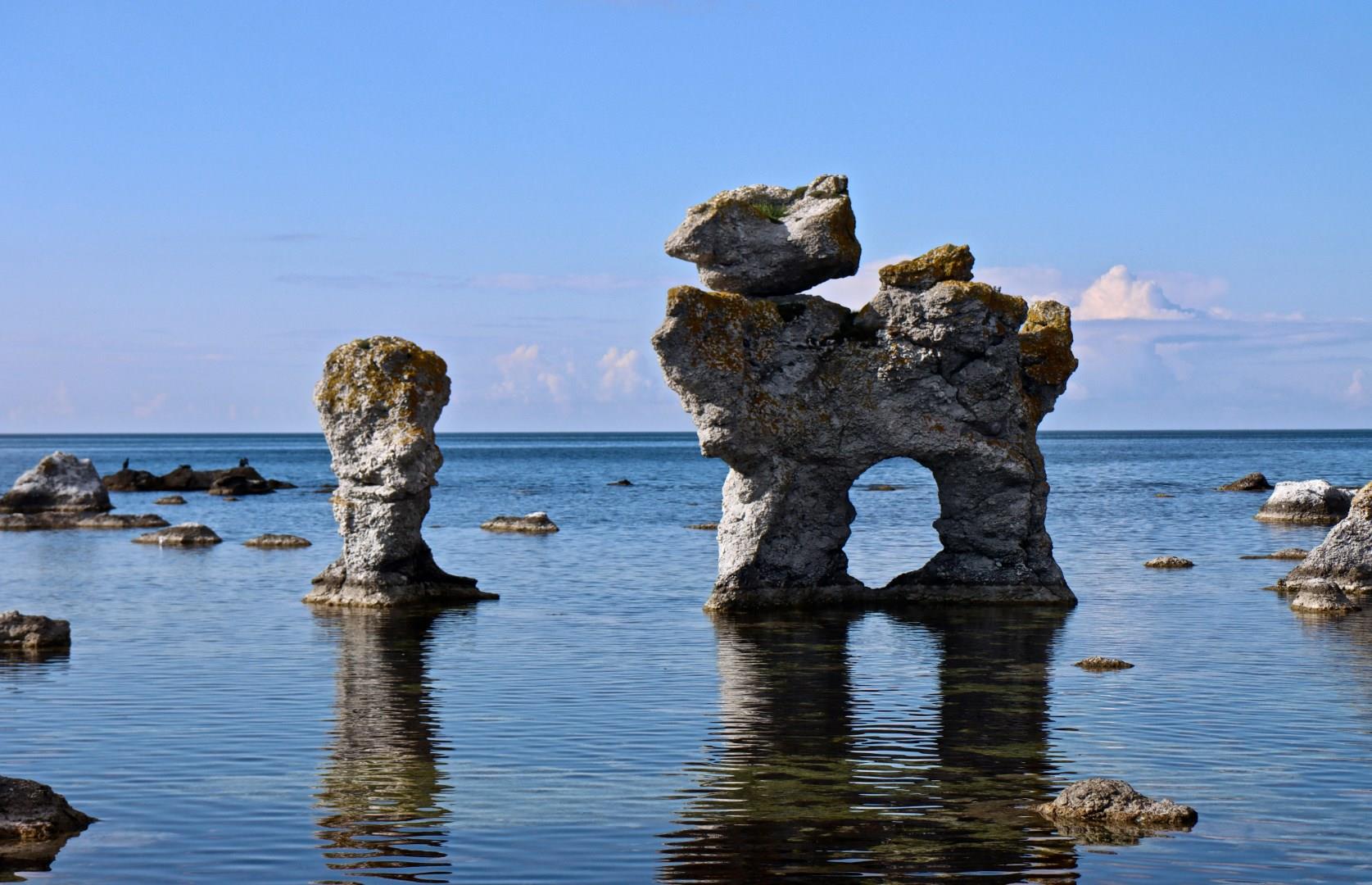
Gotland
Gotland, Sweden’s largest island, sits in the Baltic Sea and feels like a world of its own. Its main town, Visby, is a UNESCO World Heritage site and one of the best-preserved medieval towns in Northern Europe. Surrounded by a 3.5-kilometer stone wall with original towers still intact, Visby once served as a key Hanseatic trading hub. Visitors can walk along cobbled streets lined with rose-covered cottages, explore Gothic church ruins, and climb up the city wall for views over the harbor.
