

French Guiana
French Guiana, tucked between Brazil and Suriname on the northeast coast of South America, offers an unexpected blend of Amazonian wilderness, colonial intrigue, and French flair. As an overseas department of France, it uses the euro, speaks French, and has croissants alongside cassava bread at breakfast. Yet just beyond the cafés of Cayenne, vast rainforest stretches for hundreds of kilometers, home to rare wildlife, remote rivers, and Indigenous communities.

Miami
Nestled between Biscayne Bay to the east and Everglades National Park to the west, Miami, Florida is one of the Sunshine State's most vibrant, culturally diverse, and dynamic cities.
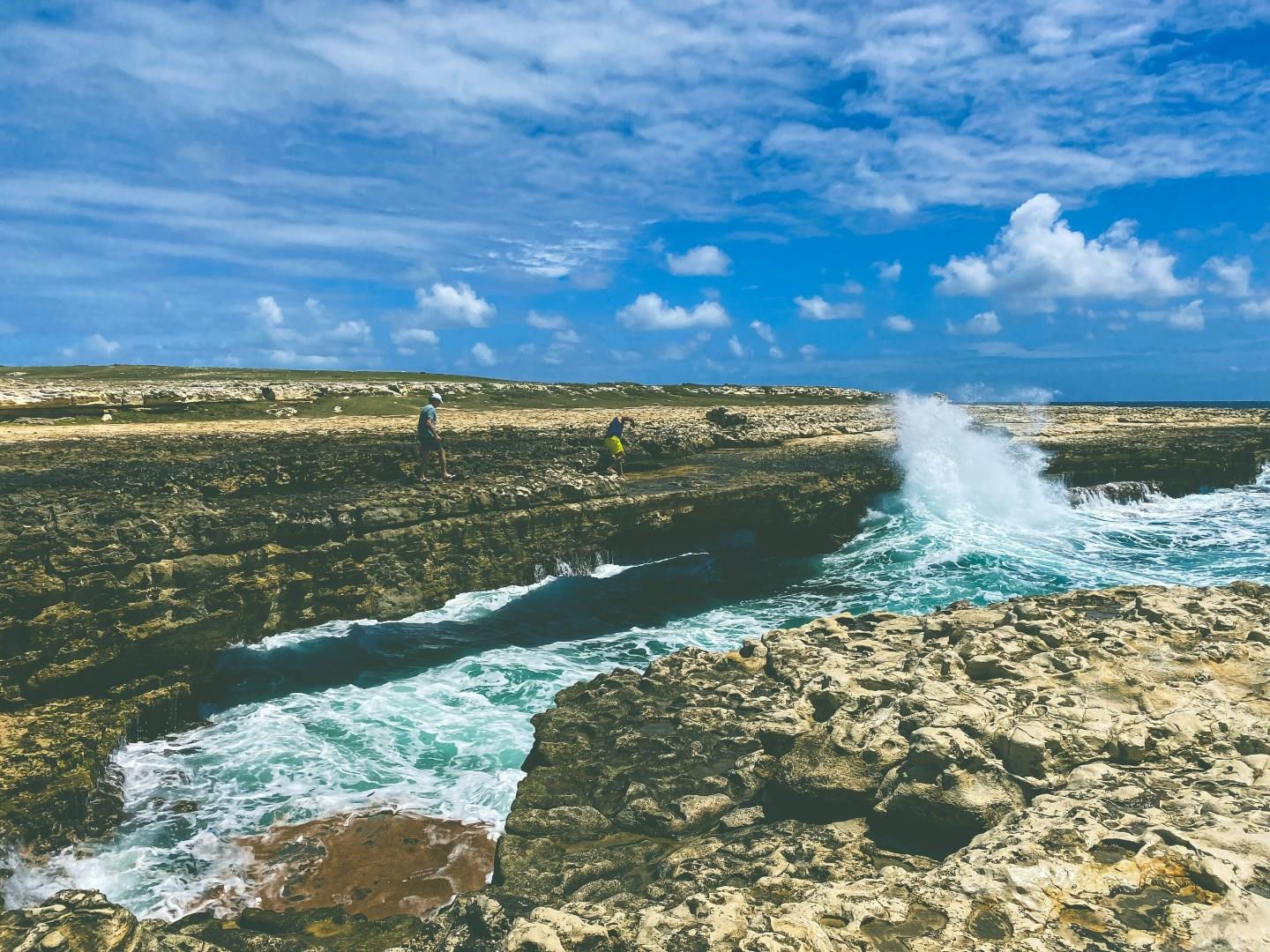
Devil's Bridge National Park
Devil’s Bridge National Park, located on the rugged Atlantic coast of Antigua, is one of the island’s most dramatic natural landmarks. The park is named after its striking limestone arch, carved over centuries by relentless waves and wind.
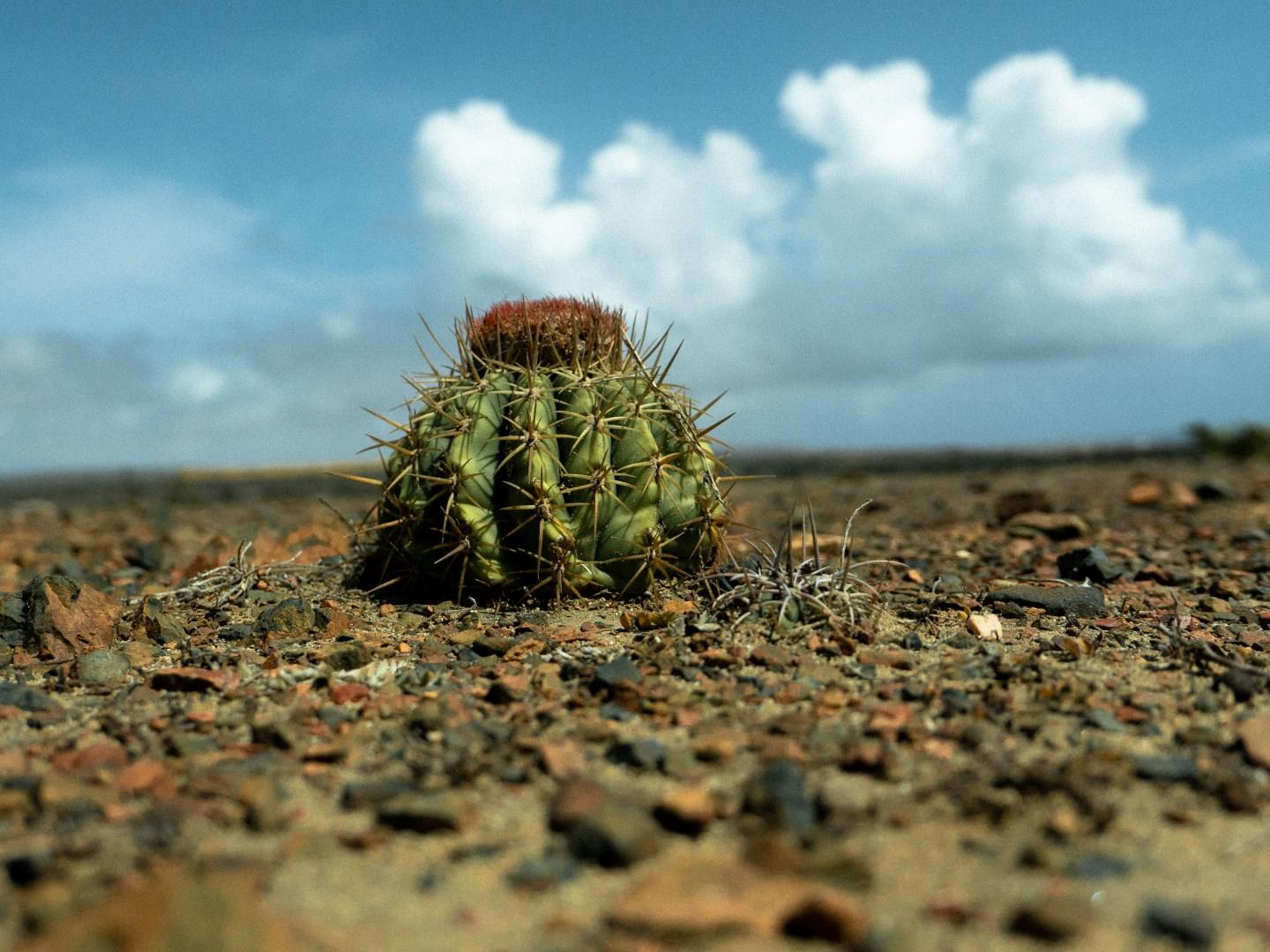
Arikok National Park
Arikok National Park, covering nearly 20% of Aruba, is a striking showcase of the island’s rugged landscapes, cultural history, and biodiversity. Unlike the postcard image of Aruba’s white-sand beaches, Arikok reveals a wilder side, with windswept hills, desert-like terrain, and dramatic limestone cliffs meeting the sea.
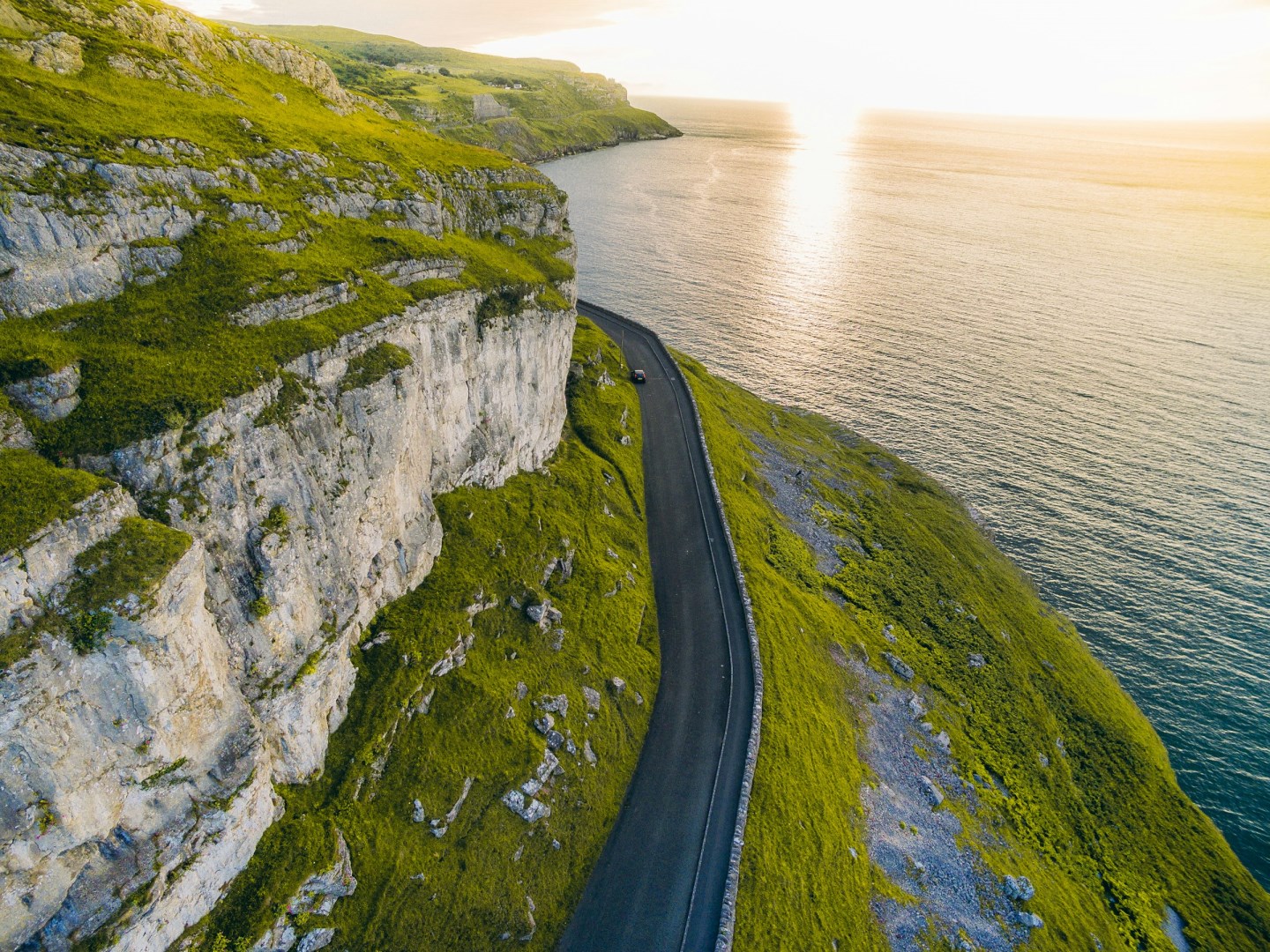
Llandudno
Llandudno has two beaches on either side of the town. The quieter West Shore with it's sandy beach has a view of the Conwy Estuary, Isle of Anglesy and Puffin Island, site of a Cistercian monastery. Spanning over two miles of the crescent bay is the North Shore. On the pier there are places of amusement including Professor Peabody's Playplace containing supervised activities for the children. On the opposite side is Craig-Y-Don, a paddling pool for the toddlers.
