
Bagamoyo
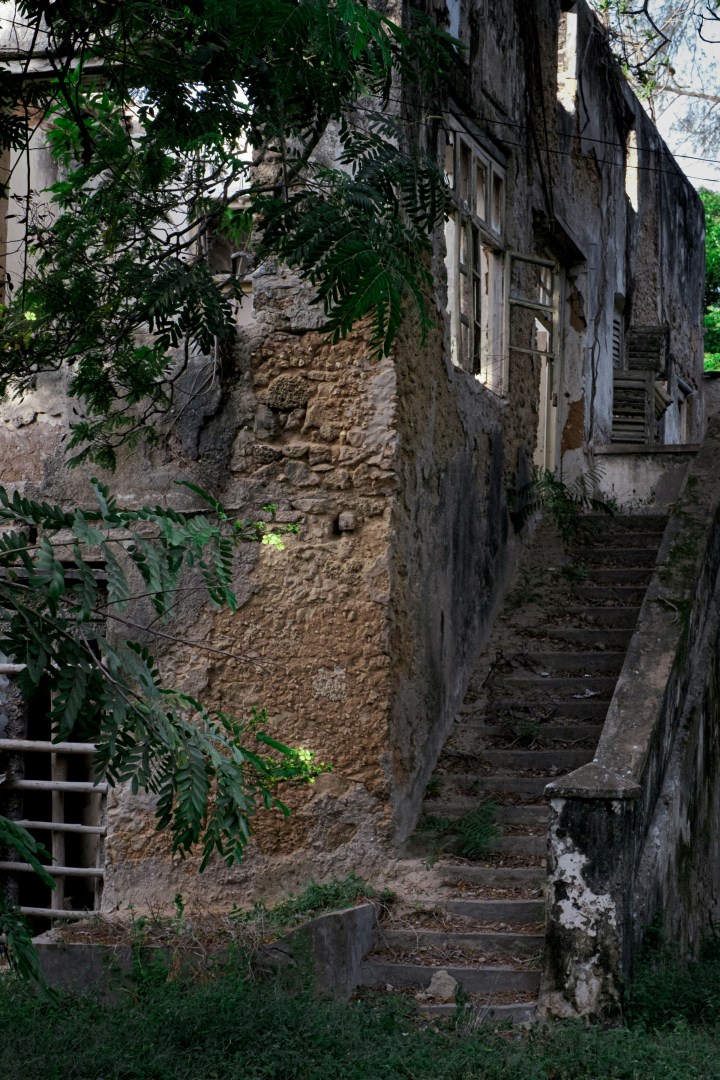
Bagamoyo is a historic coastal town in Tanzania’s Pwani Region, facing the Indian Ocean north of Dar es Salaam. Its old town contains Swahili, Arab, and German-era buildings, while the shoreline remains connected to fishing and dhow construction. Bagamoyo developed as an important port and inland caravan terminus, linking the coast with trading routes across the interior.

Dominica
Dominica, known as the “Nature Island of the Caribbean,” is a haven for eco-tourists and adventure seekers. Nestled between the French islands of Guadeloupe and Martinique, this lush island boasts a remarkable landscape of volcanic mountains, dense rainforests, and stunning waterfalls. Dominica’s most iconic natural wonder is the Boiling Lake, the second-largest hot spring in the world.
Jurassic Coast
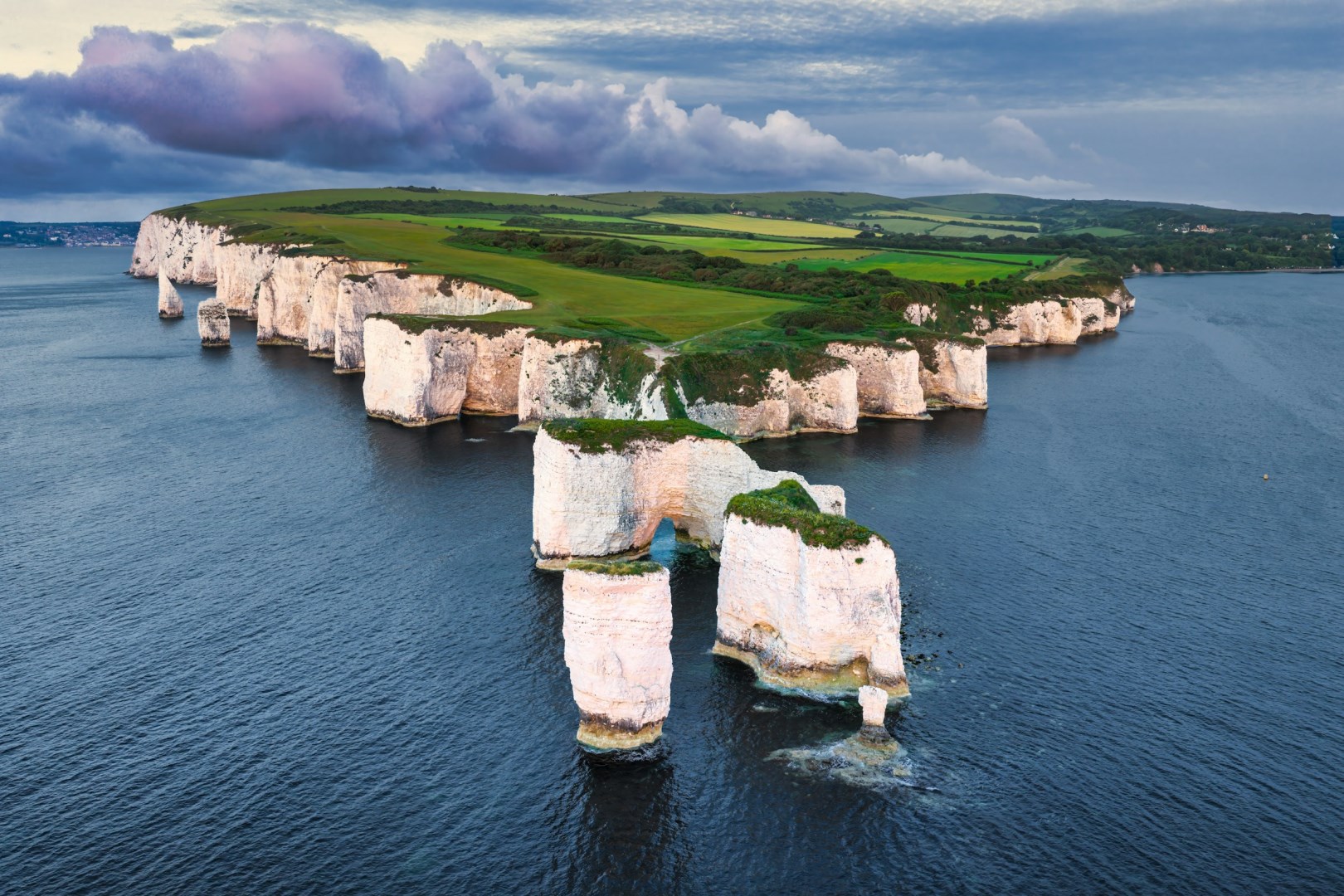
The Jurassic Coast, a UNESCO World Heritage Site, is a breathtaking stretch of England’s southern coastline that spans 95 miles from Exmouth in Devon to Studland Bay in Dorset. It is renowned for its dramatic cliffs, stunning beaches, and incredible geological history, offering visitors the chance to explore 185 million years of Earth’s evolution.
Bronnoysund
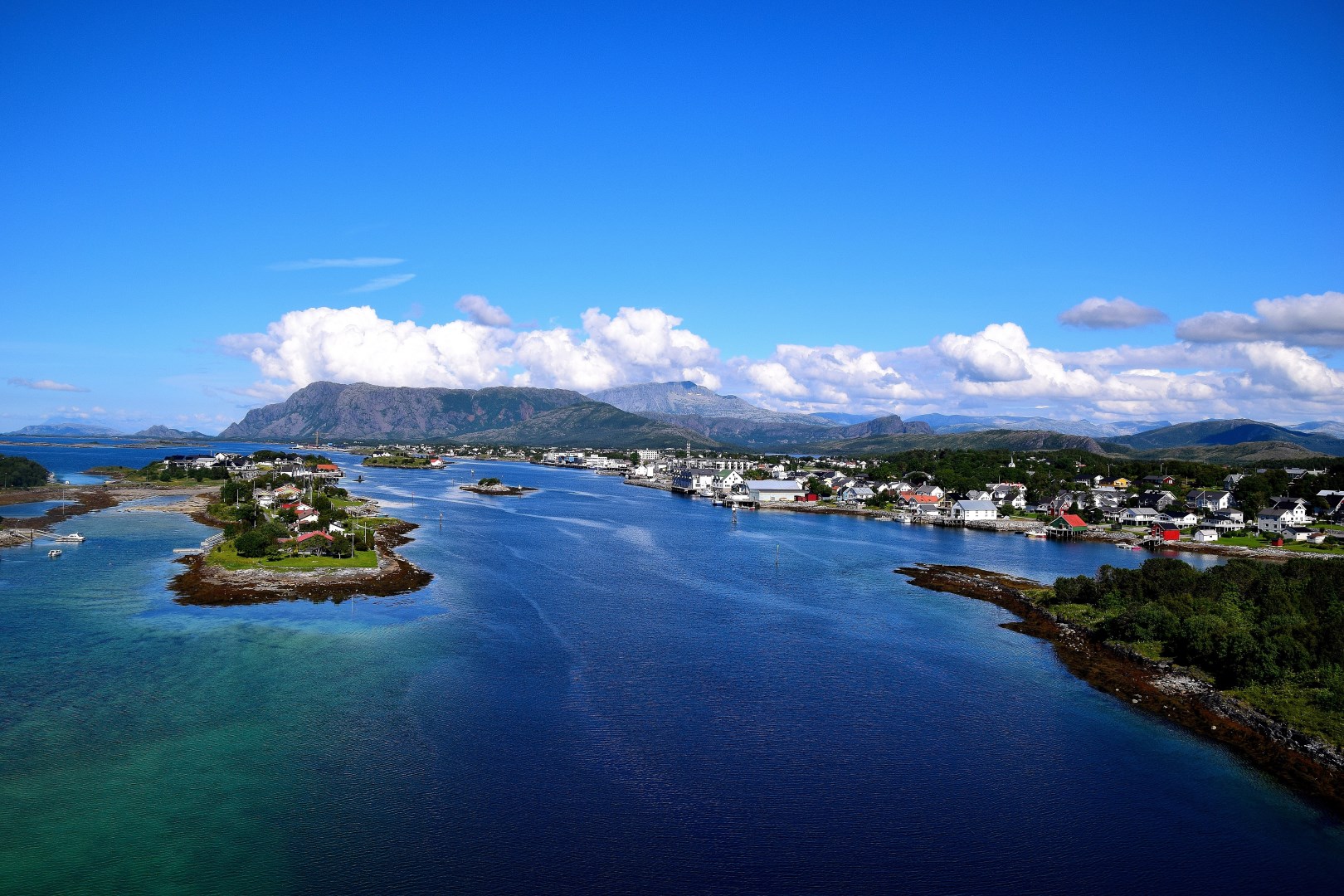
Brønnøysund sits along the Helgeland coast in Norway, surrounded by islands, narrow straits, and open sea. The town serves as a natural gateway to this coastal landscape, where boats move between scattered islets and fishing communities. Its harbor remains central to daily life, with working vessels sharing space with coastal cruise ships that pass through on longer journeys. The setting offers constant change, as weather and light reshape the view from hour to hour.
Badlands National Park
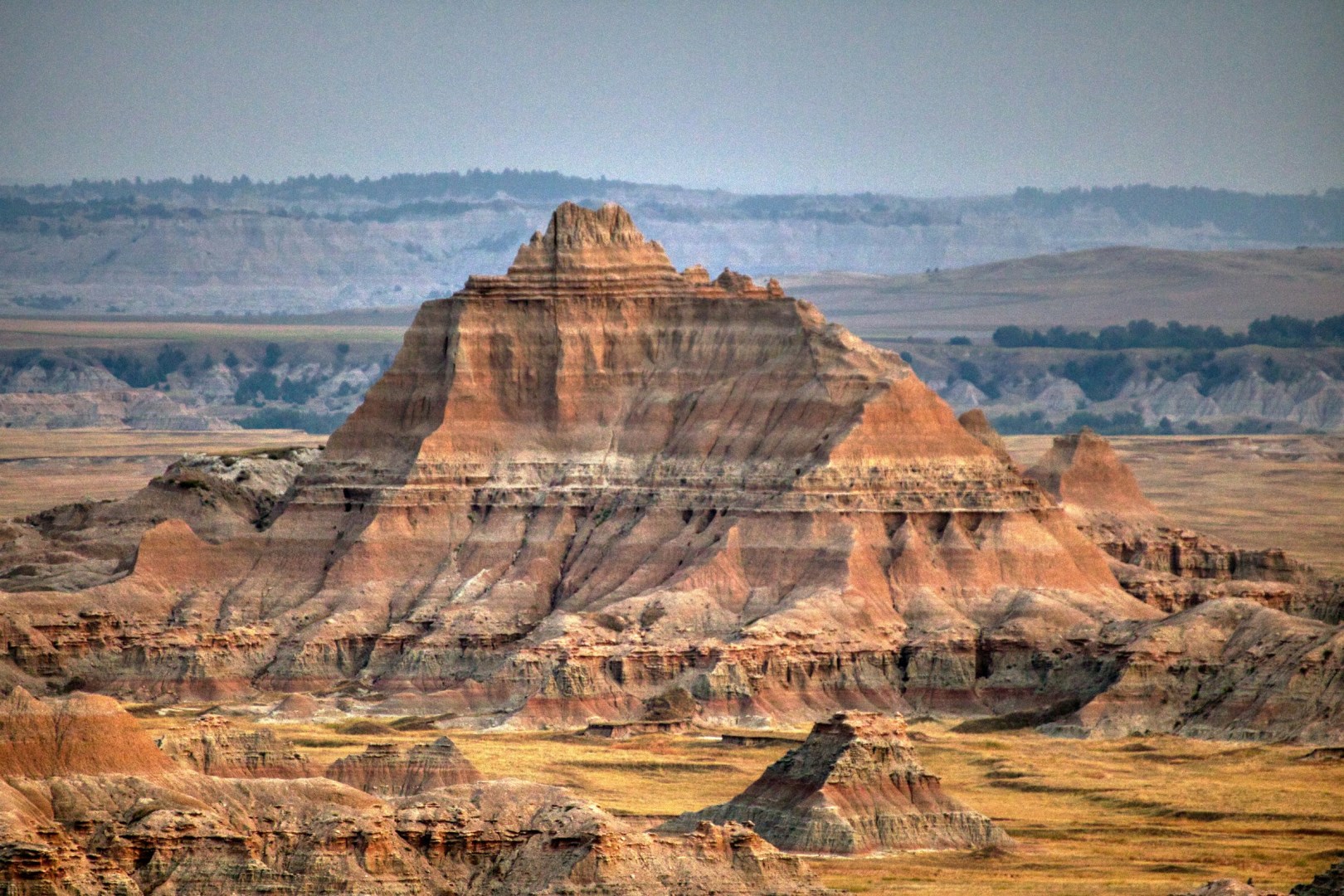
Badlands National Park stretches across southwestern South Dakota, where layered rock formations and sharply eroded spires reveal nearly 75 million years of geological history. The park’s banded cliffs and pinnacles were shaped by wind and water, exposing ancient seabeds and fossil-rich layers that have made the area one of North America’s most important paleontological sites.
