
Brasília
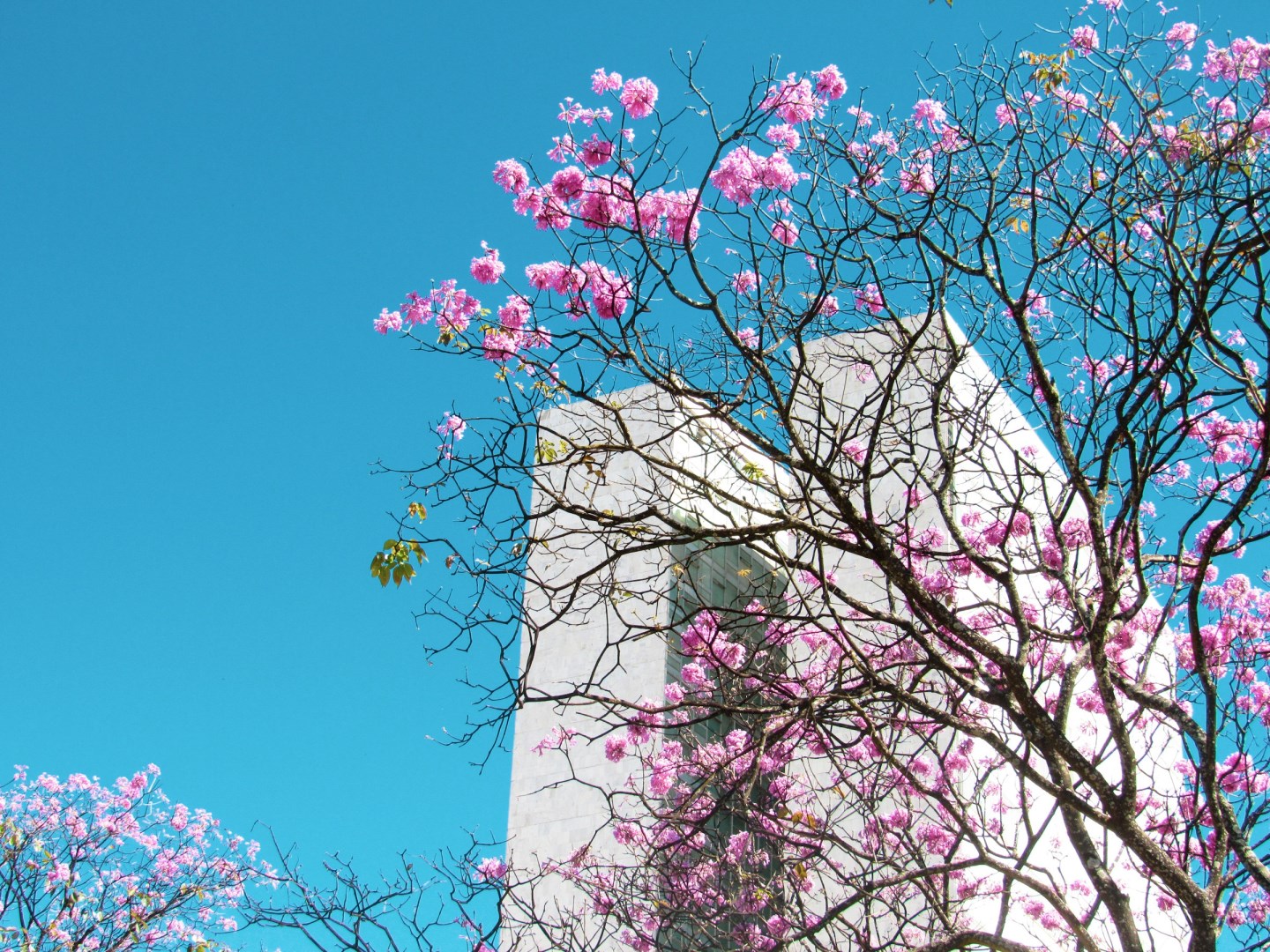
Brasília may be a World Heritage Site, but it is only of interest to town planning and architecture students, and those keen to witness the folly of man on a metropolitan scale. It must have looked good on paper, and still looks good in photos, but in the flesh, forget it. Designed by architect Oscar Niemeyer, urban planner Lucio Costa, and landscape architect Burle Marx, the city was built in an incredible three years between 1957 and 1960.

Weissenkirchen
Weissenkirchen is a charming Austrian town on the banks of the Danube. Surrounded by vineyards and wineries, Weissenkirchen is a delightful stop for European river cruises.

Kuopio
Kuopio, Finland, offers a perfect blend of natural beauty and cultural richness, making it an alluring destination for visitors. Nestled in the heart of the Finnish Lakeland, Kuopio is surrounded by the serene waters of Lake Kallavesi, offering stunning panoramic views from the famous Puijo Tower. This 75-meter observation tower provides a sweeping vista of the lake and the rolling hills.

Wales
Wales is a country where centuries-old castles rise above green valleys and coastlines are marked by rugged cliffs and quiet coves. Its capital, Cardiff, combines modern architecture with historical landmarks like Cardiff Castle, which has Roman origins and a Victorian Gothic interior. Just outside the city, St Fagans National Museum of History offers a walk-through experience of Welsh life over the past 500 years, with original buildings relocated from across the country.
Foz do Iguaçu
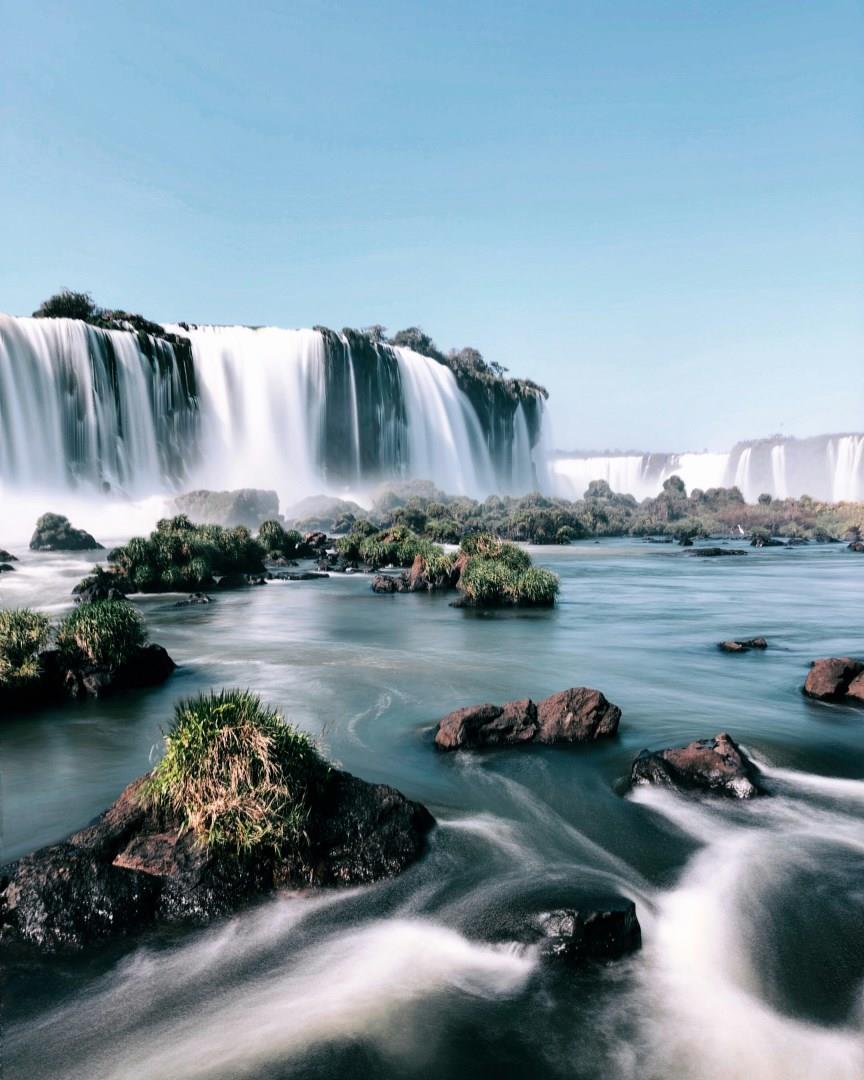
Set at the meeting point of Brazil and Argentina, Foz do Iguaçu is defined by the sheer scale of the Iguaçu Falls. Nearly 275 individual waterfalls stretch across close to three kilometers, sending mist into the air and sound echoing through the surrounding forest. Visitors follow raised walkways that bring them face to face with this moving wall of water, culminating at the dramatic Devil’s Throat, a deep, curved drop where the river seems to vanish into the earth.
