

Olomouc
Olomouc, a captivating city in the Czech Republic, offers a blend of historical charm and vibrant culture. The city’s centerpiece is the Holy Trinity Column, a UNESCO World Heritage Site and a stunning example of Baroque architecture. Erected in the 18th century to commemorate the end of the plague, this intricate monument features elaborate sculptures and exquisite details that make it a must-see source.
Santa Cruz
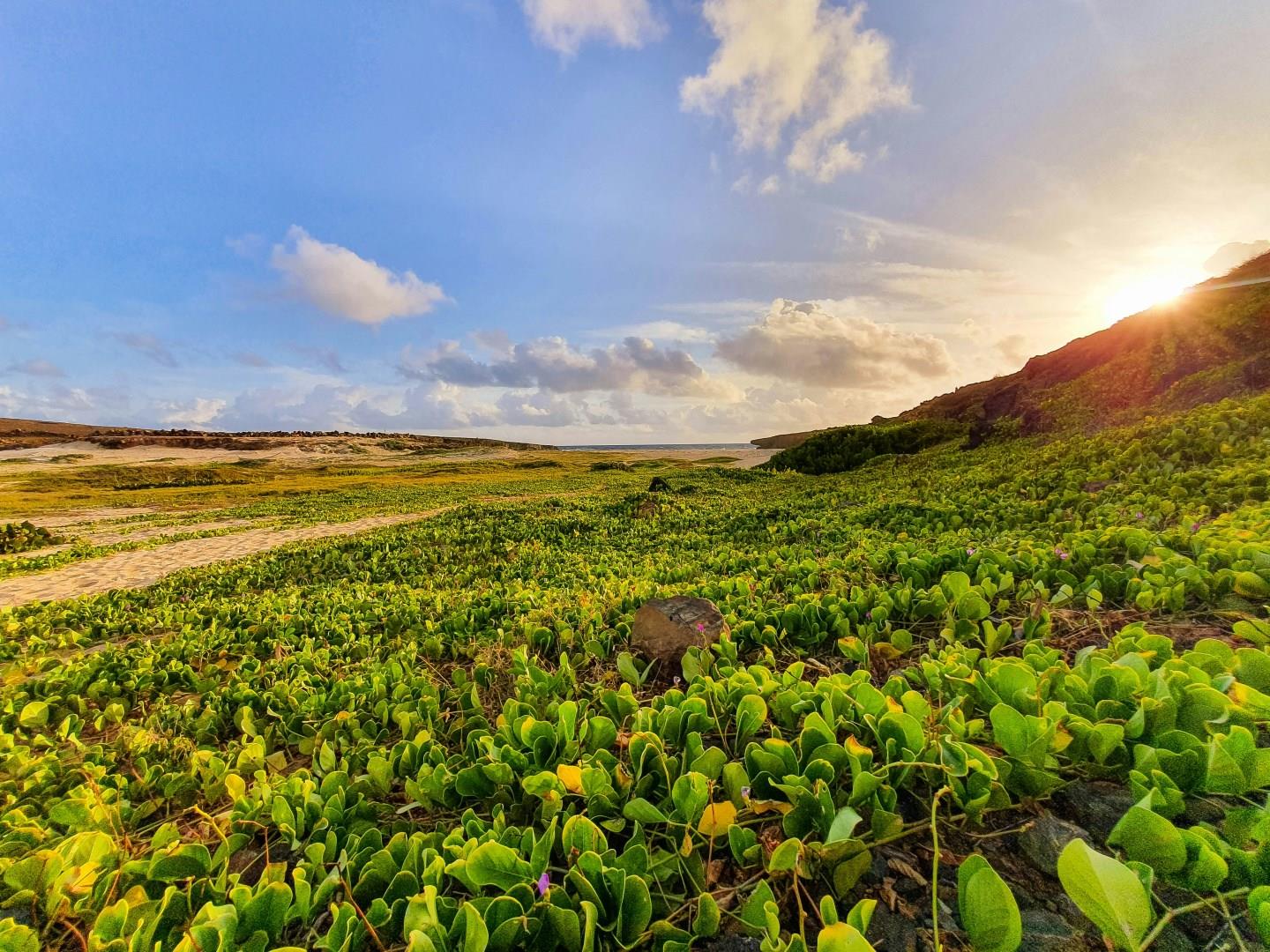
Santa Cruz, located in the heart of Aruba, is a gateway to the island’s rugged landscapes and natural wonders. Unlike the coastal resort towns, this inland community offers a more authentic glimpse of everyday Aruban life while placing visitors close to some of the island’s most iconic outdoor attractions.

Durham
Seen from the train, Durham presents a magnificent sight, with cathedral and castle perched atop a bluff enclosed by a loop of the River Wera, and linked to the suburbs by a series of sturdy bridges.

Lake Titicaca
Lake Titicaca, perched at over 3,800 meters above sea level, is the highest navigable lake in the world and a place where ancient stories still echo across the water. Shared by Bolivia and Peru, this lake has long been considered sacred by the Andean peoples. According to Inca legend, it was from Titicaca’s deep blue waters that the first humans were created. Today, the lake remains a center of cultural tradition, spiritual significance, and daily life for many who live along its shores.
Richmond
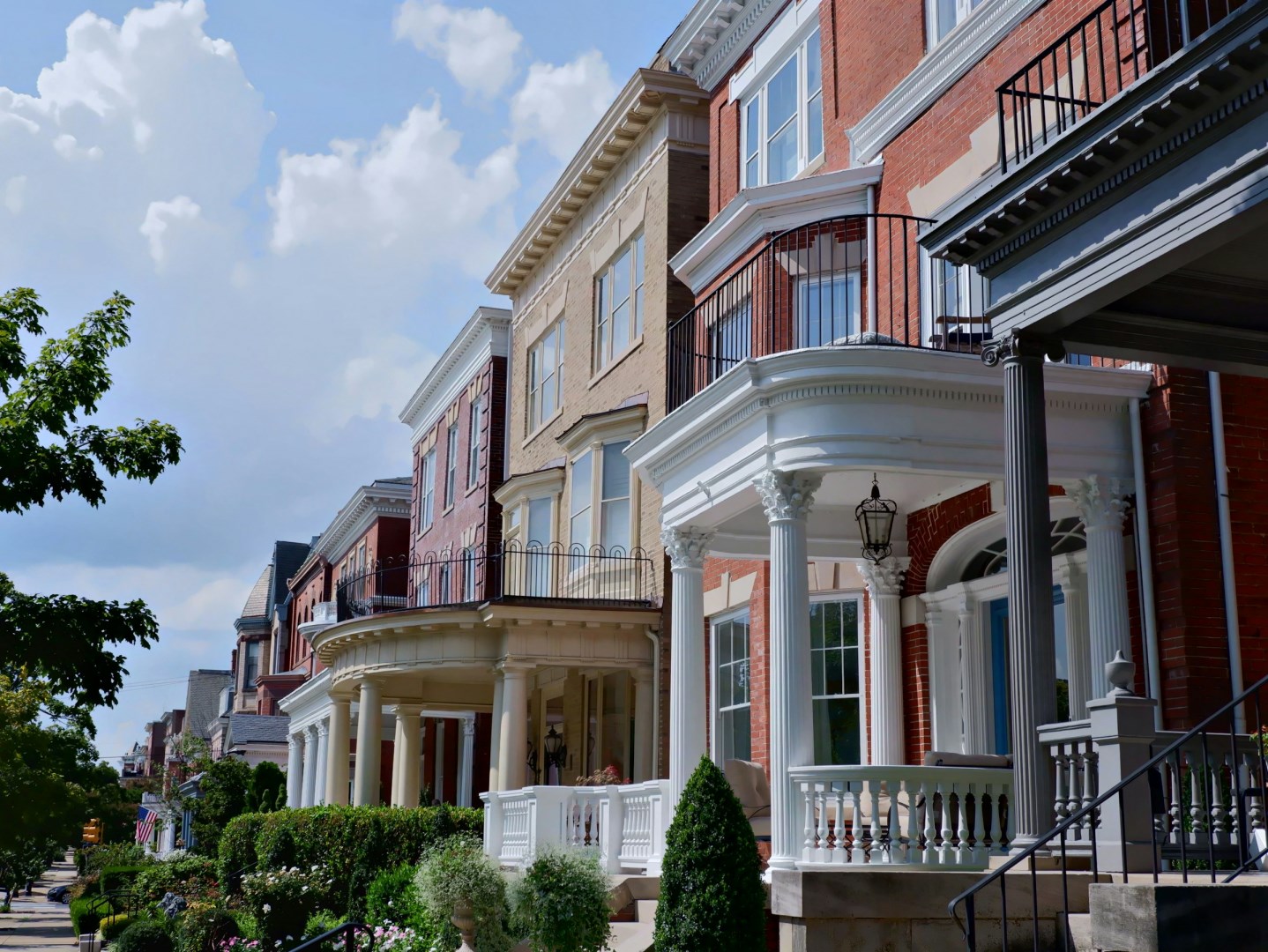
Located along the James River, Richmond offers historic areas dealing with the early years of America.
