

Namibe
Formerly Mocamedes, this port in southwest Angola has become an important industrial center since a rail line was built in 1905 connecting it with the interior of Angola. In 1967 when iron ore was discovered in Dongo, an additional line was laid and the port was enlarged.

Hiroshima
Hiroshima, a city on Japan’s Honshu Island, is a place where history and resilience intertwine to create a destination that is both deeply moving and inspiring. Beyond its historical significance, Hiroshima offers visitors a vibrant cultural scene.
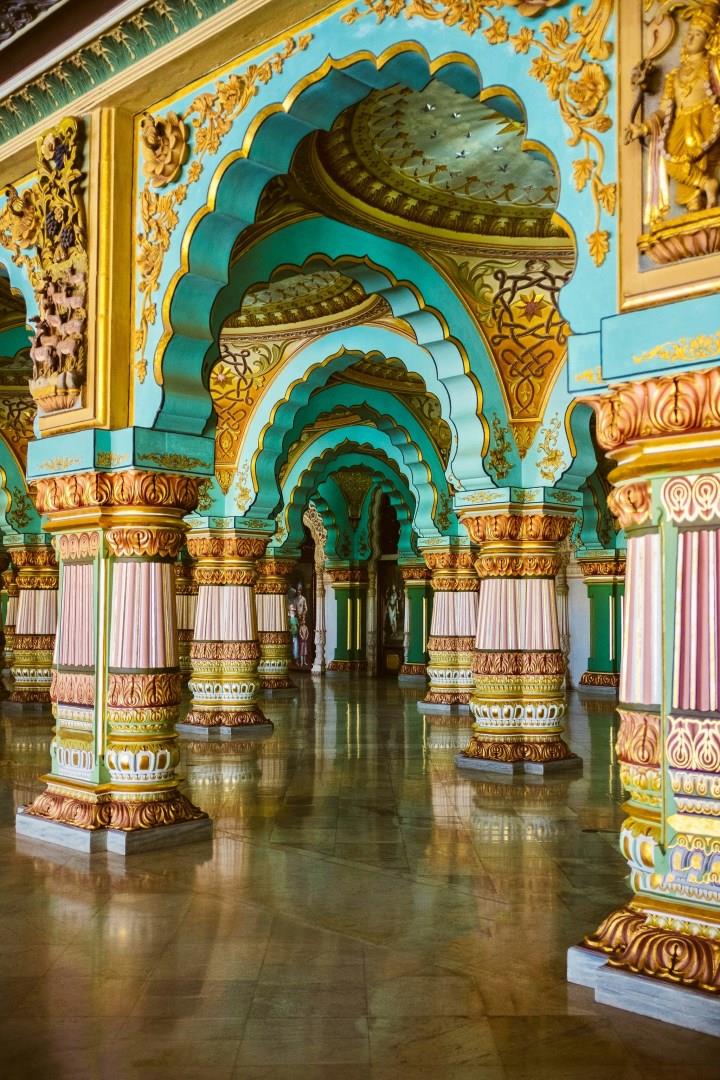
Mysore
Mysore, often called the “Cultural Capital of Karnataka,” is a city where centuries-old royal heritage meets living tradition. Located at the foothills of the Chamundi Hills, it is best known for its palaces, wide boulevards, and colorful festivals. Once the seat of the Wadiyar dynasty, Mysore still carries an unmistakable royal influence that can be seen in its architecture, markets, and cultural celebrations.

Isle of Skye
The Isle of Skye rises from Scotland’s west coast with a shape that feels almost sculpted by hand. Its ridges and peninsulas stretch outward from a mountainous core, where the Cuillin range cuts a jagged line across the sky. Travelers often begin in Portree, a harbor town lined with brightly painted buildings and small seafood spots. From here, narrow roads lead to cliff edges, quiet bays, and sweeping views where golden eagles and red deer are part of the everyday scene.

Pisa
Pisa, Italy, is more than just its world-famous Leaning Tower; it's a city where history, art, and culture intersect to create a fascinating experience for visitors. The Leaning Tower, part of the Piazza dei Miracoli or Square of Miracles, is an architectural wonder that draws millions each year. Built as a bell tower for the adjacent Pisa Cathedral, its unintended tilt has become a global icon.
