
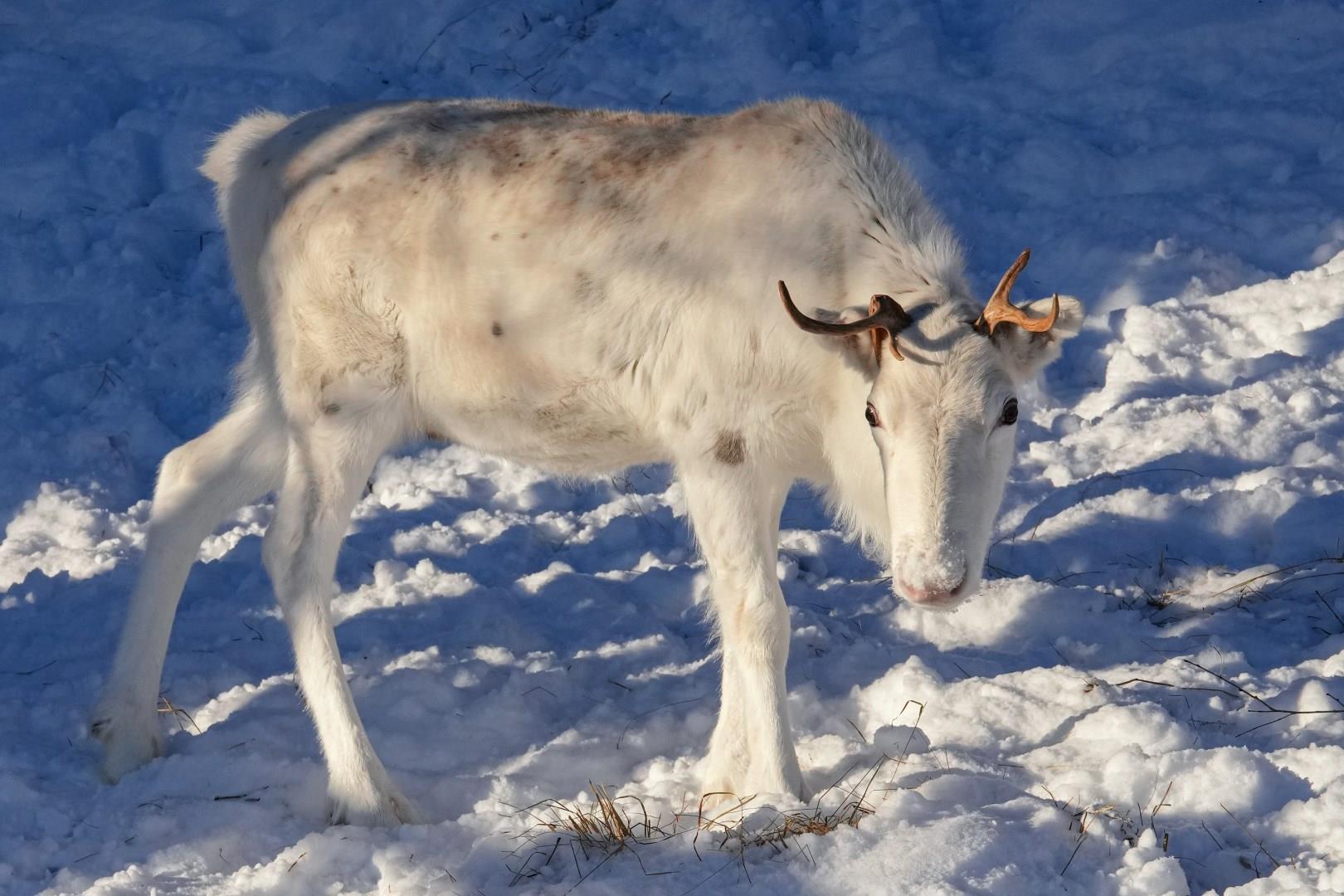
Kirkenes
Kirkenes sits at the far northeastern edge of Norway, just a few kilometers from the Russian border and not far from Finland. This Arctic town offers travelers a perspective they won’t find anywhere else in the country. With street signs in both Norwegian and Russian, and a local history shaped by war, trade, and shifting borders, Kirkenes has long stood at the crossroads of cultures.

United Arab Emirates
The United Arab Emirates rolls history and invention into a seamless experience. In Abu Dhabi, the Sheikh Zayed Grand Mosque stands out with its reflective pools, marble columns inlaid with floral patterns, and the world’s largest hand-knotted carpet beneath domes that glow by night. On Saadiyat Island, the Louvre Abu Dhabi shelters art that spans civilizations, all beneath a dome designed to scatter sunlight like palm fronds.
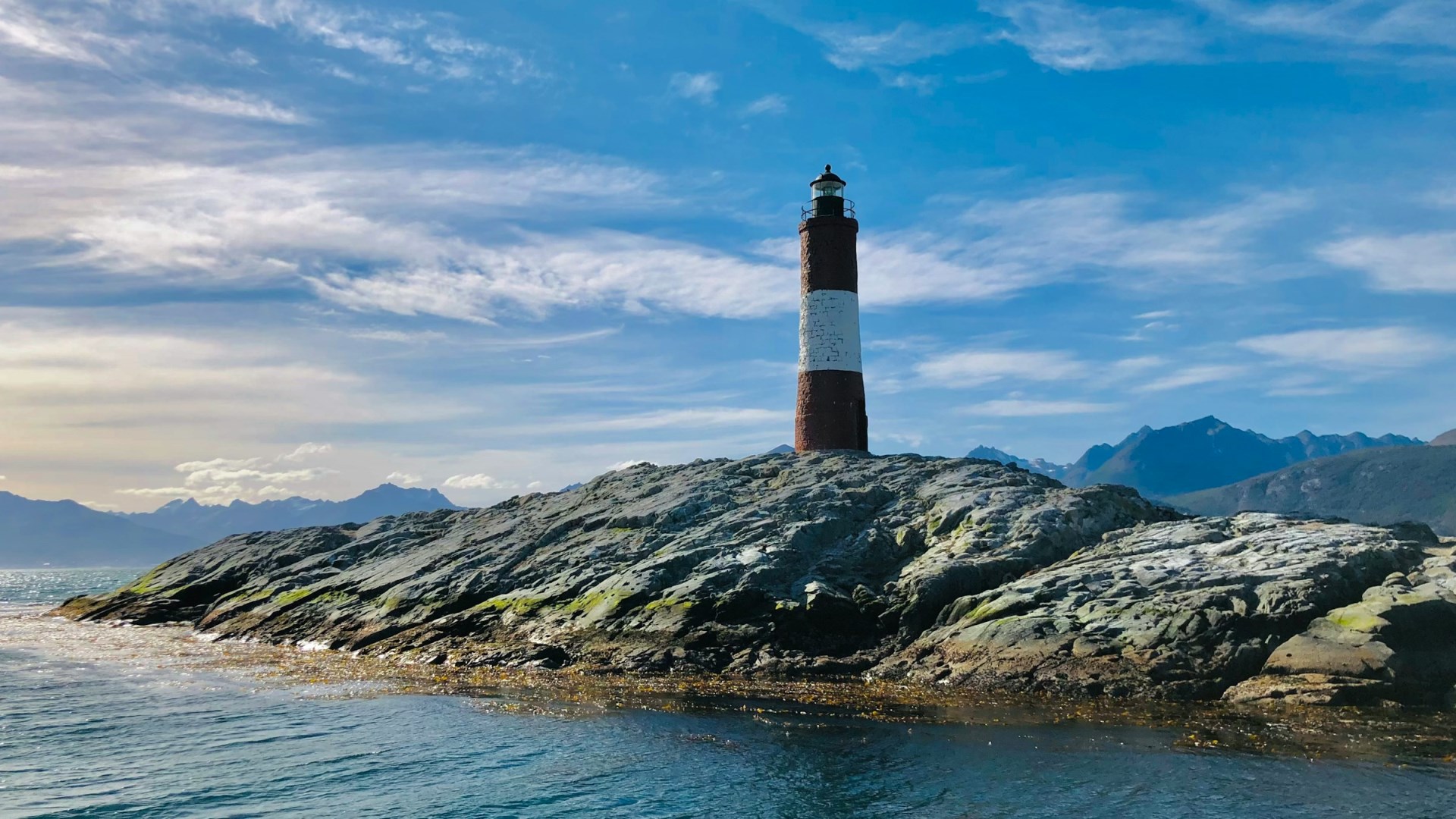
Tierra Del Fuego
Argentina shares half of this island territory in the South Atlantic Ocean with Chile. It's a place of oil derricks, sheep, glaciers, wind and waterways. Ushuaia and Río Grande are the two main towns; awesome scenery, wild walks and fishing are the island's main attractions. Argentina's only coastal national park comprises rivers, lakes, forests and glaciers, with great trekking and wildlife-spotting opportunities.
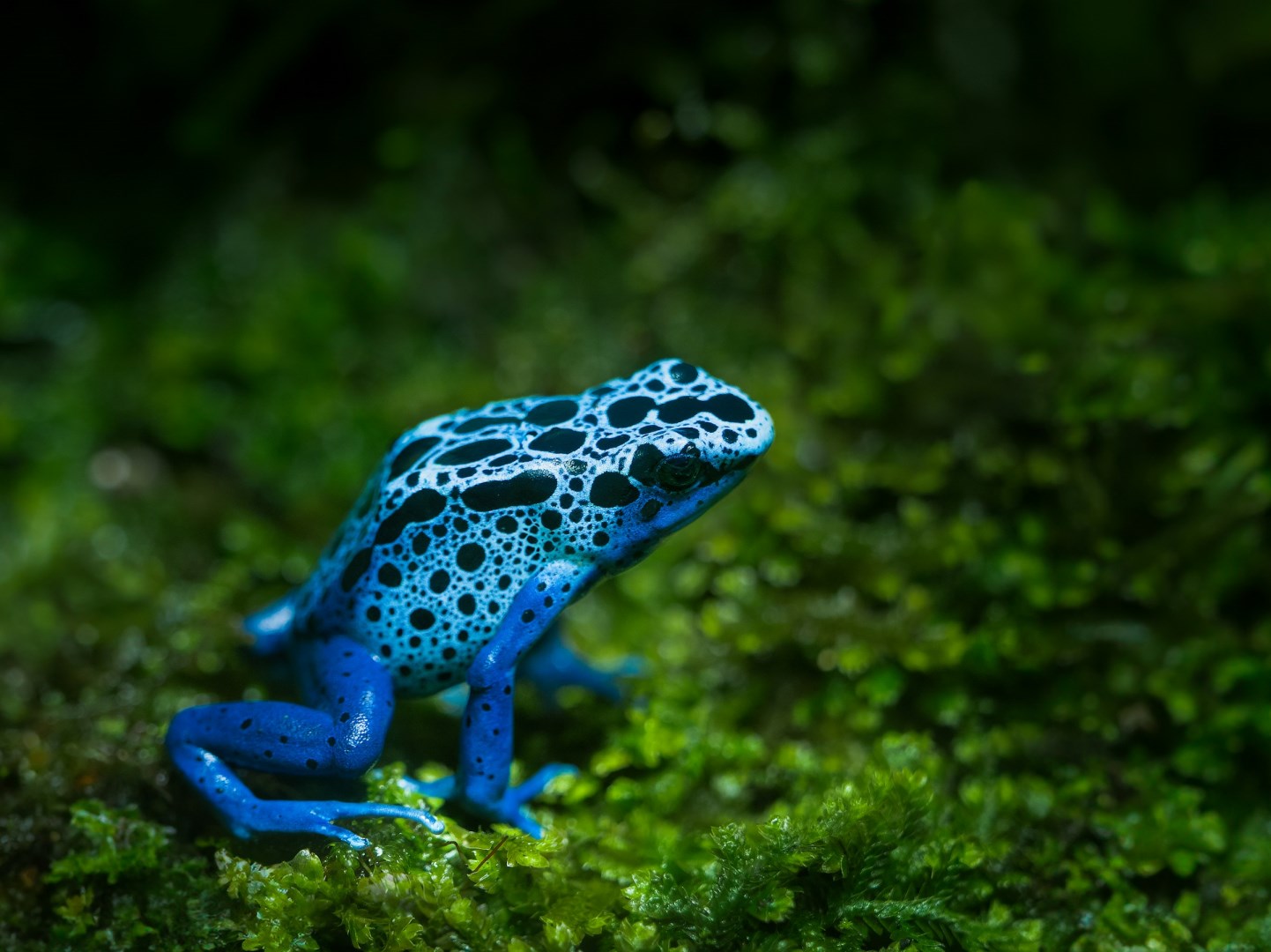
Suriname
Suriname’s forests cover more than nine‑tenths of the country and house an astounding array of wildlife. The Central Suriname Nature Reserve, one of the largest rainforest sanctuaries on Earth, shelters jaguars, giant river otters, and hundreds of bird species. Nearer the capital, Brownsberg Nature Park offers forest trails and waterfalls amid 1,450 plant and 350 bird species, just a short drive from Paramaribo.
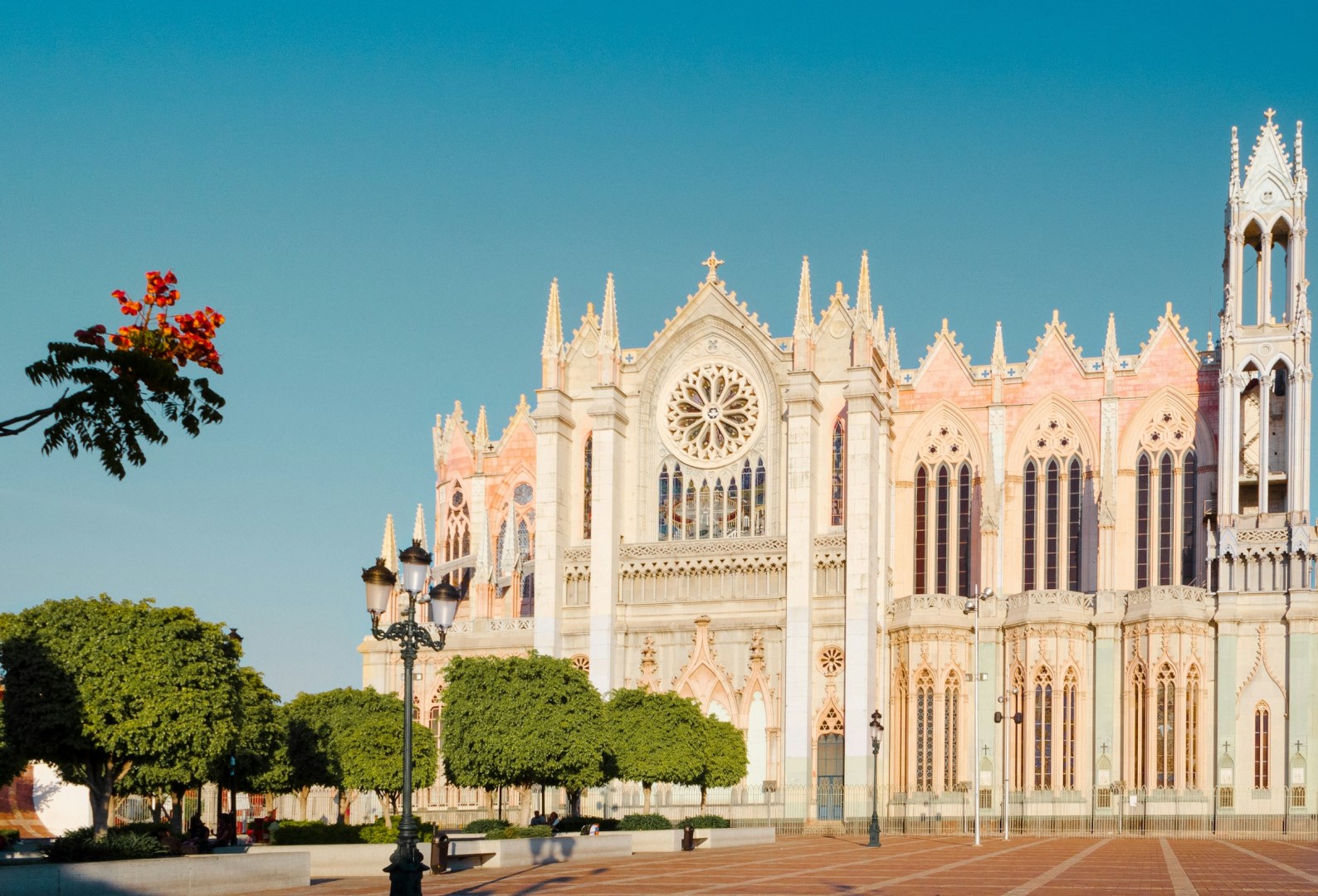
León
León, central Mexico, in Guanajuato State, in a fertile river valley, at an altitude of about 6000 ft. León is the industrial, commercial, and transportation center for a rich agricultural region and is a shoe-manufacturing center. Founded in 1576, León was a Spanish colonial administrative center.
