

Hong Kong
Hong Kong, a Special Administrative Region of China, is a destination where skyscrapers meet the sea and mountains. Its dramatic skyline, best admired from Victoria Harbour or the Peak, reflects its role as a global financial hub.

Cotswolds
The Cotswolds, a quintessentially English region known for its rolling hills, honey-colored stone cottages, and picturesque villages, offers a serene escape into the heart of the English countryside. Stretching across several counties, including Gloucestershire and Oxfordshire, the Cotswolds is designated as an Area of Outstanding Natural Beauty (AONB), a testament to its stunning landscapes and charming heritage.
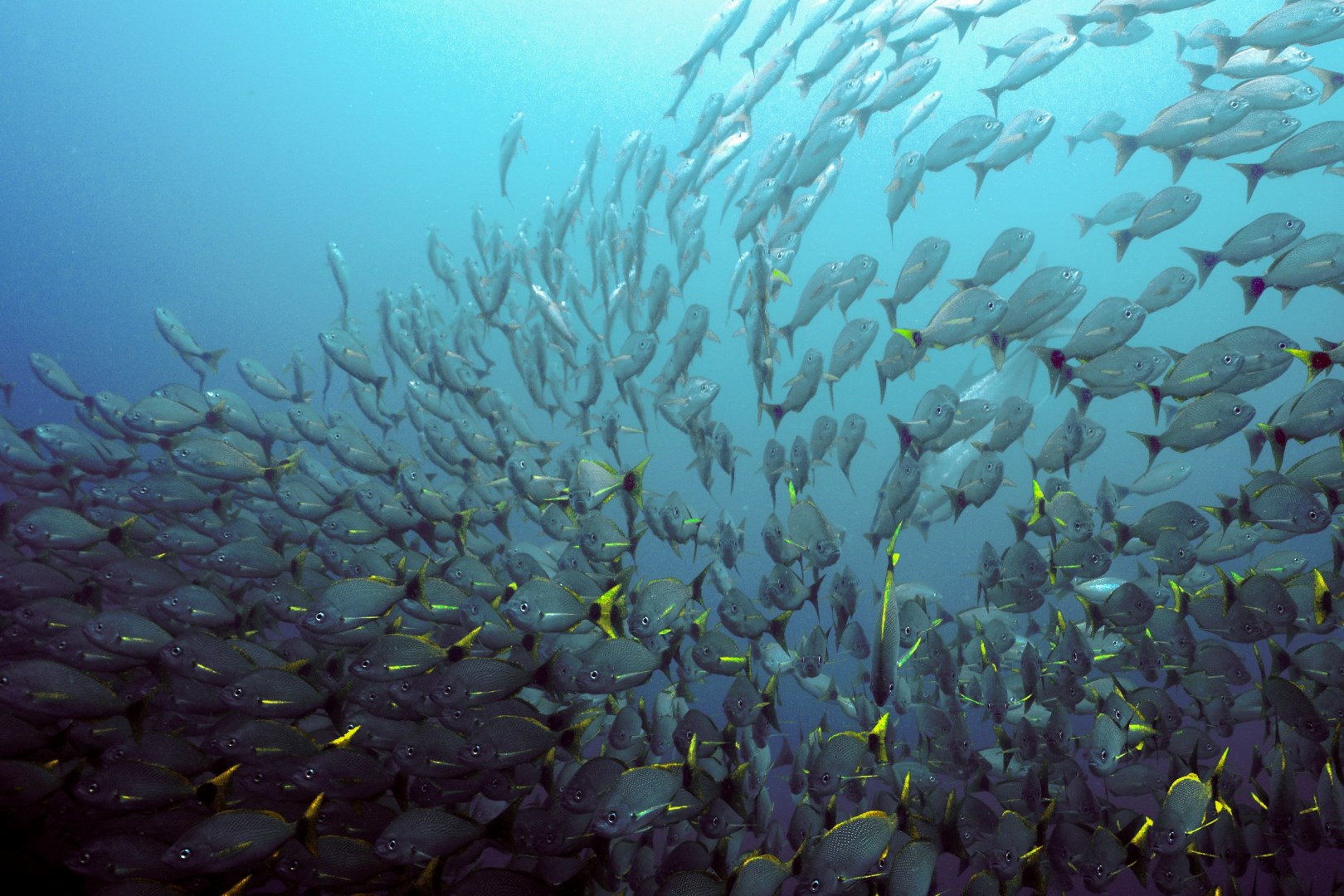
Caño Island
The snorkeling is extraordinary in the reefs of Cano Island. Cano has its roots in pre-Columbian trading and is also a former burial ground for coastal Indians.

Twyfelfontein
Twyfelfontein is a cultural heritage site in the rugged Damaraland region of northwestern Namibia, known for one of Africa’s largest concentrations of ancient rock engravings. The site lies among sandstone cliffs, dry valleys, and open plains where water is scarce and vegetation is adapted to arid conditions. Twyfelfontein or /Ui-//aes is recognized as a UNESCO World Heritage Site because of its extensive collection of engravings and painted rock shelters
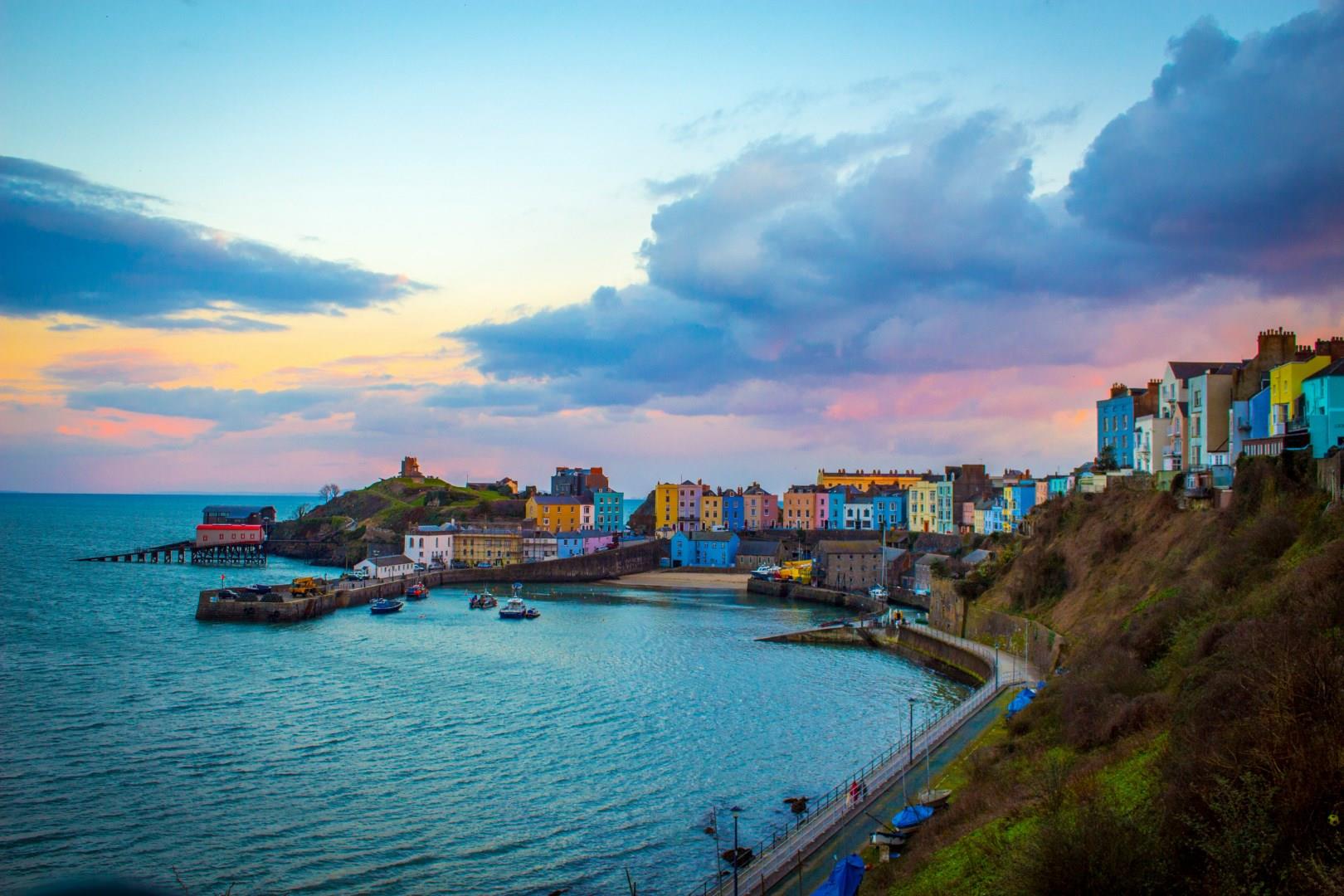
Tenby
Tenby sits on the Pembrokeshire coast of southwest Wales, where medieval walls still encircle a compact town above the sea. Its history as a fortified port is visible in stone ramparts, narrow lanes, and the ruins of Tenby Castle, which overlook the harbor.
