
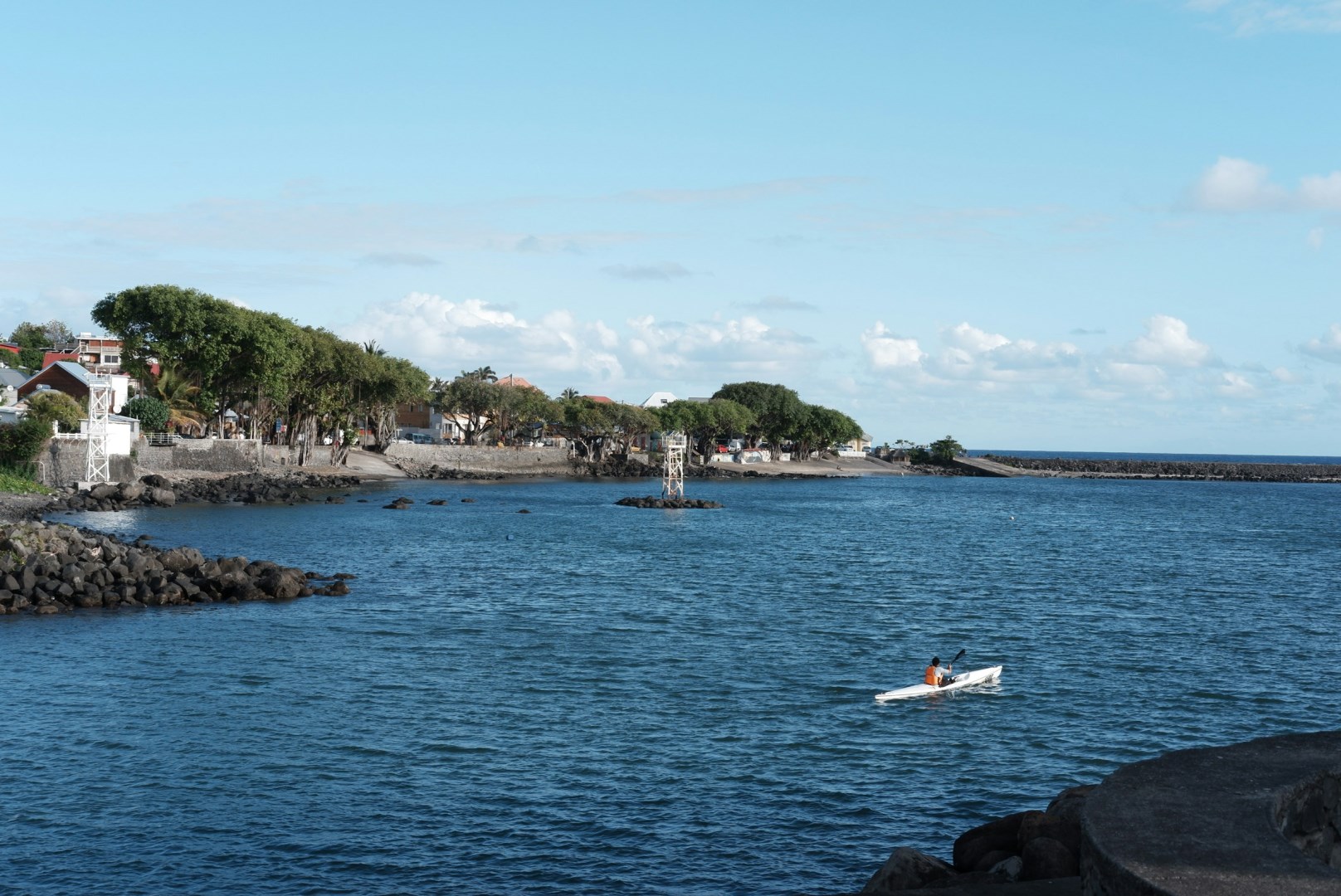
Saint Pierre
Saint-Pierre, located on the southwestern coast of Réunion Island, is a vibrant port town known for its blend of Creole culture, tropical landscapes, and lively urban life.
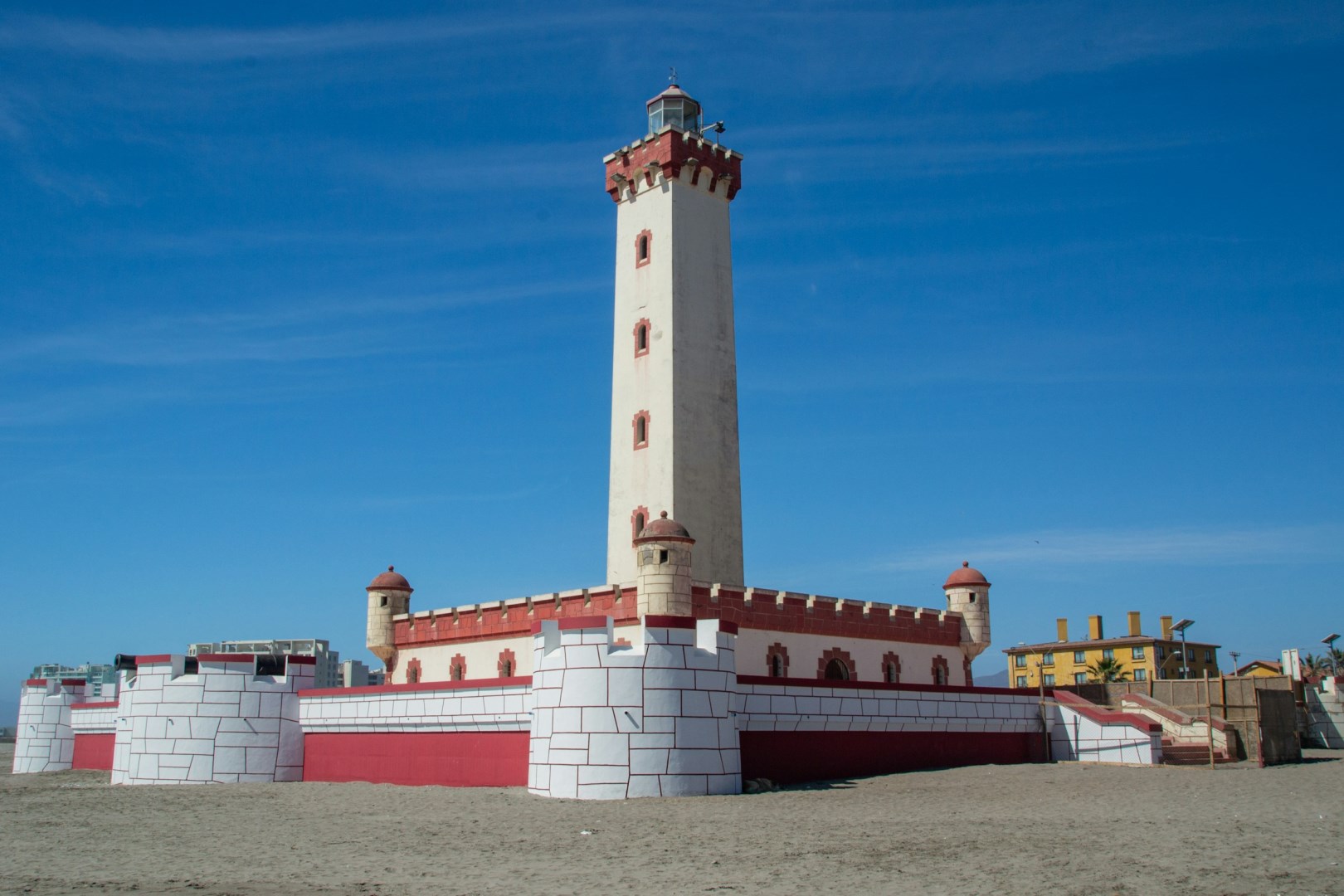
La Serena
Important both historically and economically, the beachside city of La Serena is one of Chile's oldest post-Columbian cities. The region's silver, copper and agriculture were so important that the city had its own mint. Today, La Serena maintains a colonial air, although it is threatening Viña del Mar's supremacy as premier beach resort. Apart from a string of beautiful beaches, attractions include a handful of museums and a number of nearby quaint villages and vineyards.

Dominica
Dominica, known as the “Nature Island of the Caribbean,” is a haven for eco-tourists and adventure seekers. Nestled between the French islands of Guadeloupe and Martinique, this lush island boasts a remarkable landscape of volcanic mountains, dense rainforests, and stunning waterfalls. Dominica’s most iconic natural wonder is the Boiling Lake, the second-largest hot spring in the world.
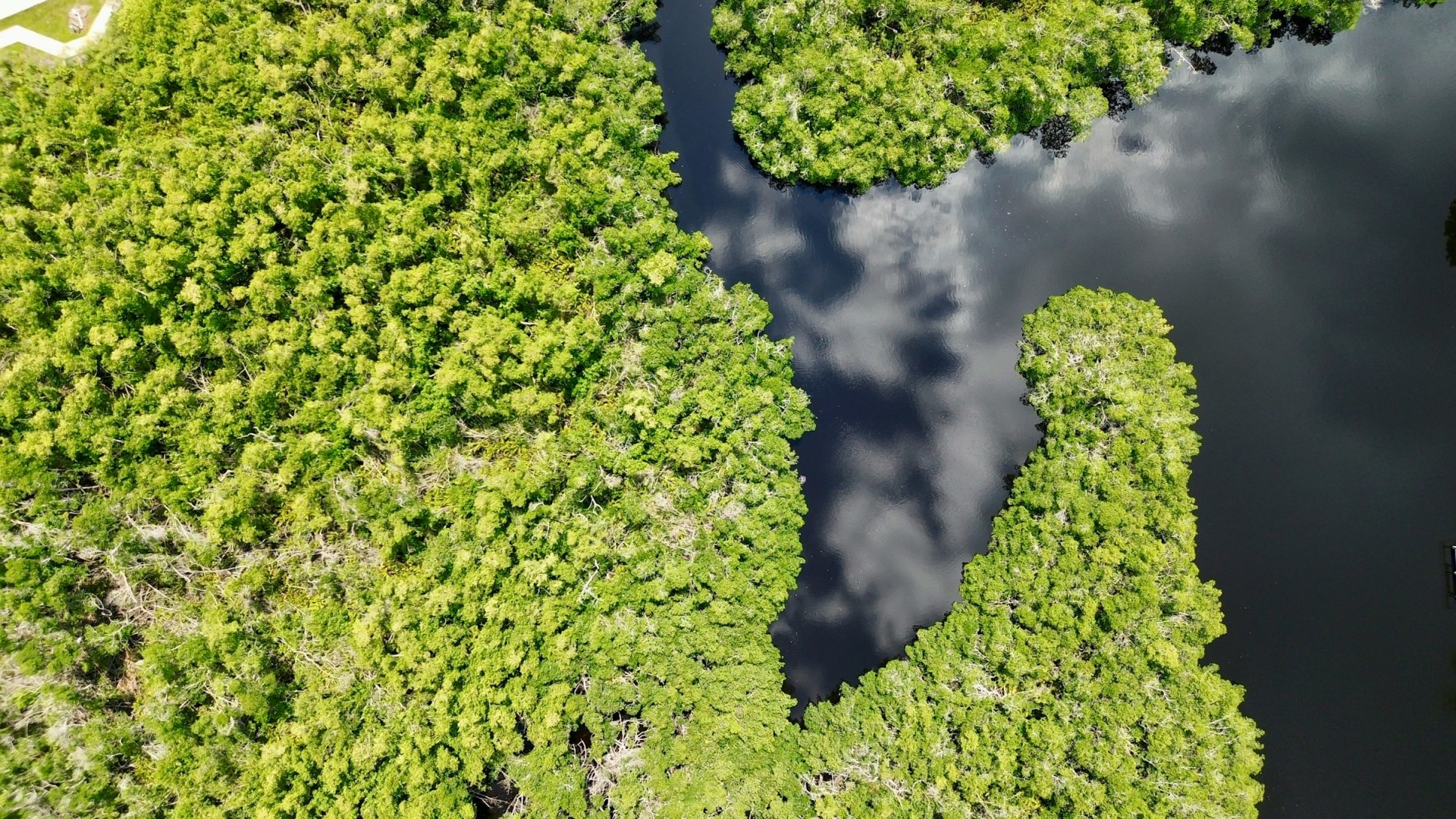
Cape Coral
Cape Coral is a large coastal city in Southwest Florida, occupying a peninsula between the Caloosahatchee River and Matlacha Pass. Its most distinctive feature is an extensive network of more than 400 miles of canals, many connecting with the Caloosahatchee River and Gulf waters. The city was developed as a planned waterfront community, with broad streets, residential neighborhoods, parks, and numerous properties along canals.
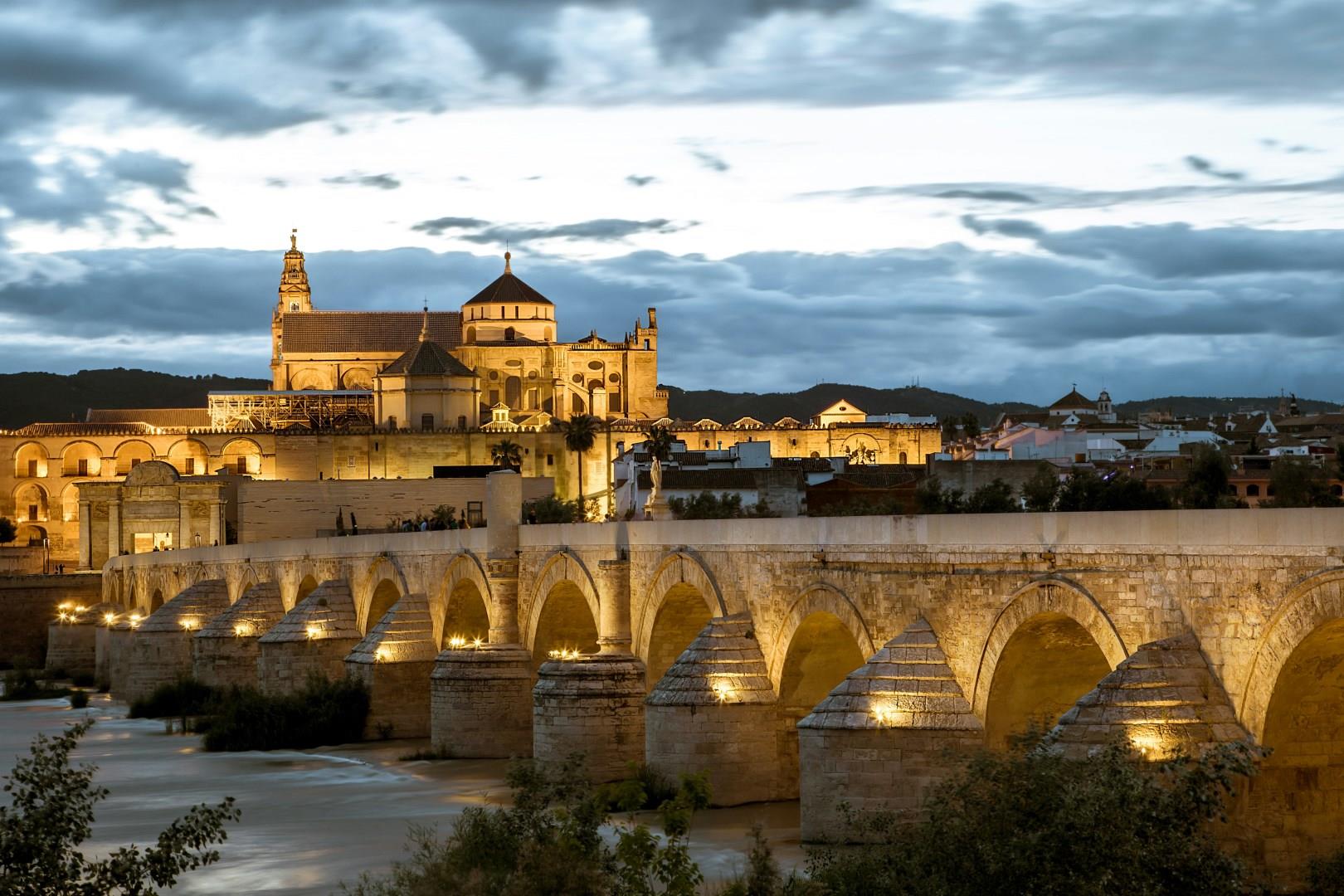
Córdoba
Córdoba, located in the heart of Andalusia, was once the most advanced city in Western Europe. During the 10th century, it served as the capital of Al-Andalus and was a center for learning, science, and art. Today, visitors walk the same streets that philosophers, poets, and physicians once crossed. The city’s most famous landmark, the Mezquita-Catedral, reflects its layered past. The red and white horseshoe arches inside are one of the most photographed interiors in Spain.
