

Xi'an
Xi’an, located in central China’s Shaanxi Province, served as the starting point of the ancient Silk Road and was the capital of 13 imperial dynasties. Its long history is most famously represented by the Terracotta Army, an underground army of life-sized warriors discovered in 1974. Each figure has distinct facial features, hairstyles, and armor, designed to protect Emperor Qin Shi Huang in the afterlife.

Cancún
Cancún sits on the northeastern tip of Mexico’s Yucatán Peninsula, where the Caribbean Sea meets a narrow stretch of sand shaped by ancient Maya trade routes and modern development. While widely known as a resort destination, Cancún’s roots trace back to a quiet fishing area near important pre-Hispanic sites, with nearby Isla Mujeres and the mainland serving as part of a broader coastal network connected to inland Maya cities.
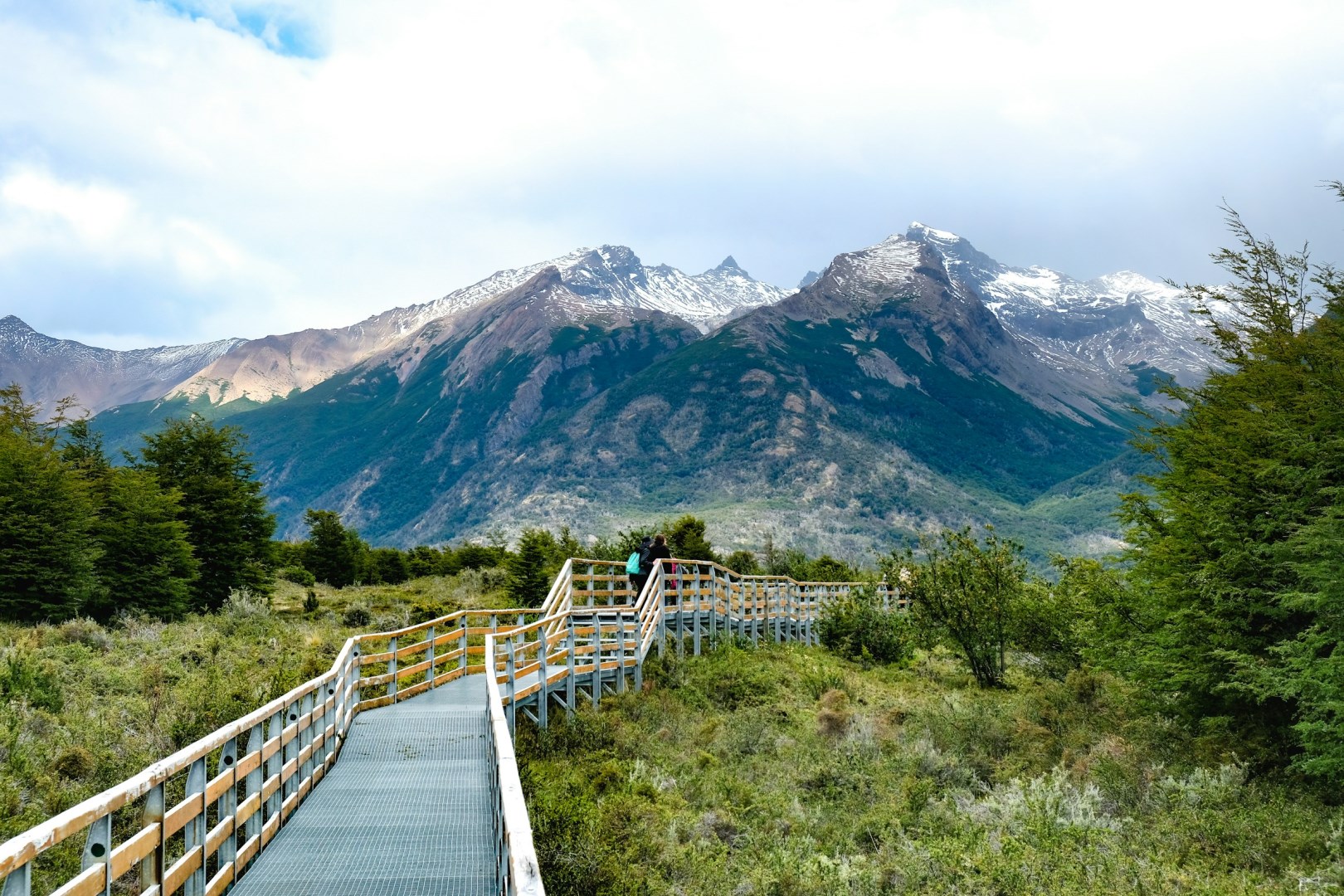
Los Glaciares National Park
Los Glaciares National Park is the largest park in Argentina. It's located in the Austral Andes, southwest of Santa Cruz, on the border of Chile. With stunning views of glaciers, lakes, and mountains, it's no surprise that Los Glaciares National Park is included on the bucket list of so many.

Virgin Islands
The Virgin Islands, an archipelago in the northeastern Caribbean, are divided between the United States and the United Kingdom, each offering a distinct flavor while sharing the same breathtaking landscapes. These islands are known for their lush hillsides, crescent-shaped beaches, and some of the clearest waters in the region.

Sofia
Sofia, Bulgaria’s capital, is a city where the past meets the present in a symphony of ancient history, stunning architecture, and vibrant urban life. At the heart of Sofia lies the Alexander Nevsky Cathedral, one of the largest Eastern Orthodox cathedrals in the world. With its golden domes and elaborate frescoes, this architectural marvel serves as a symbol of Bulgarian identity and a must-see attraction.
