
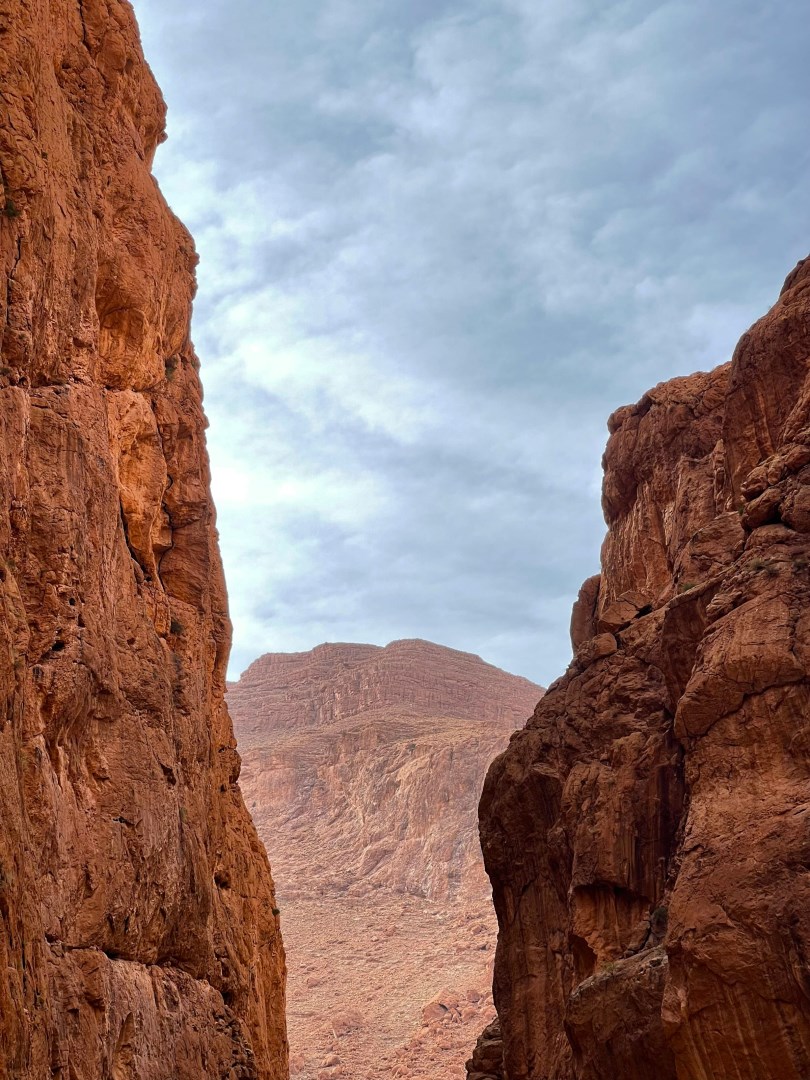
Todgha Gorge
Todgha Gorge is a dramatic limestone canyon in Morocco’s eastern High Atlas Mountains, close to the oasis town of Tinghir. The Todgha River has cut a deep passage through the mountains, leaving towering rock walls that rise to around 300 meters in places. At its narrowest, the gorge contracts to roughly 10 meters across, creating a striking corridor of stone and sky.
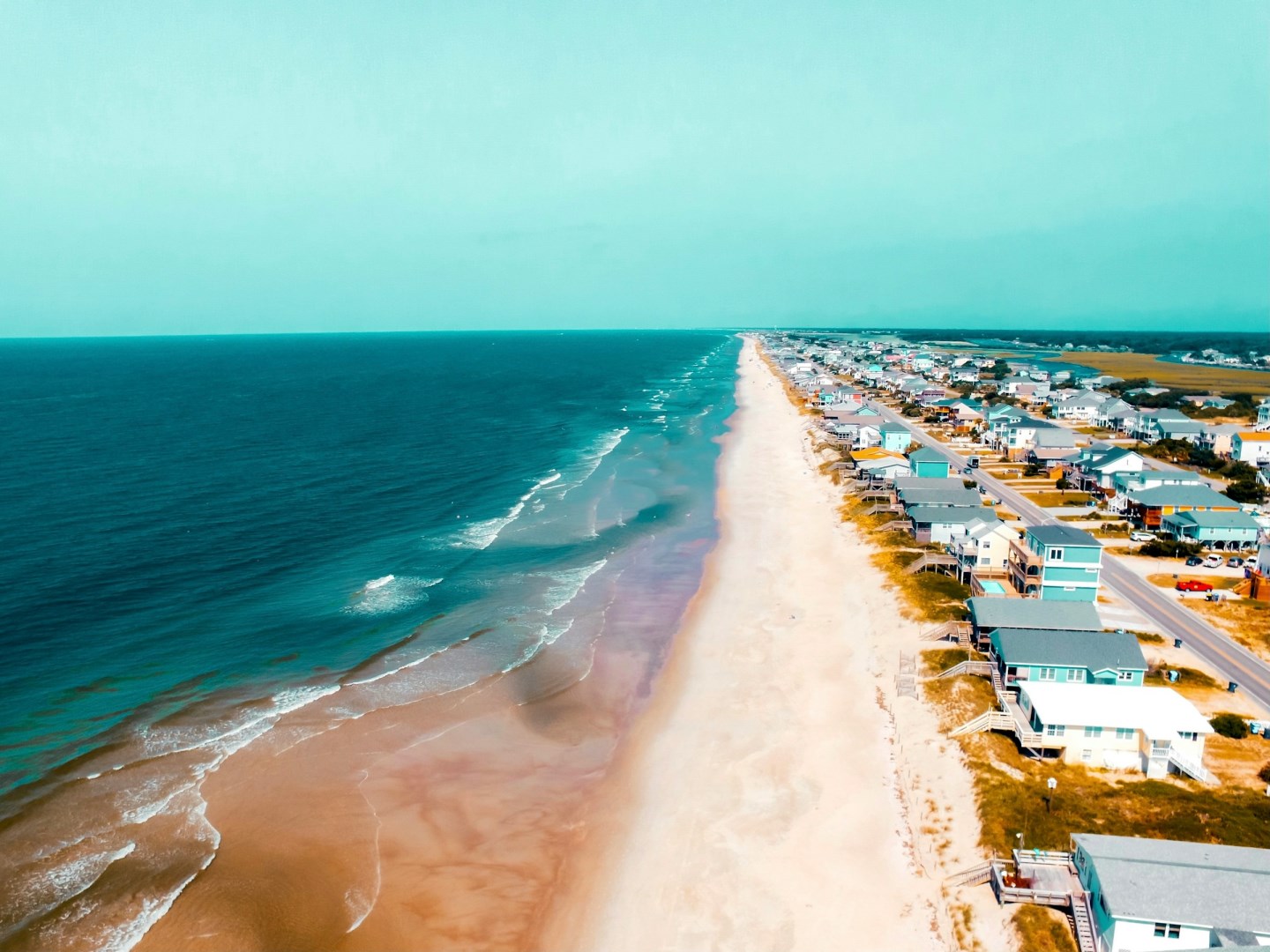
North Carolina
North Carolina is a state where natural beauty and cultural richness collide, offering visitors a wide variety of experiences. From the breathtaking peaks of the Blue Ridge Mountains to the sun-drenched shores of the Outer Banks, North Carolina’s diverse landscapes provide endless opportunities for adventure. The iconic Great Smoky Mountains National Park is a must-see for hikers and wildlife enthusiasts.
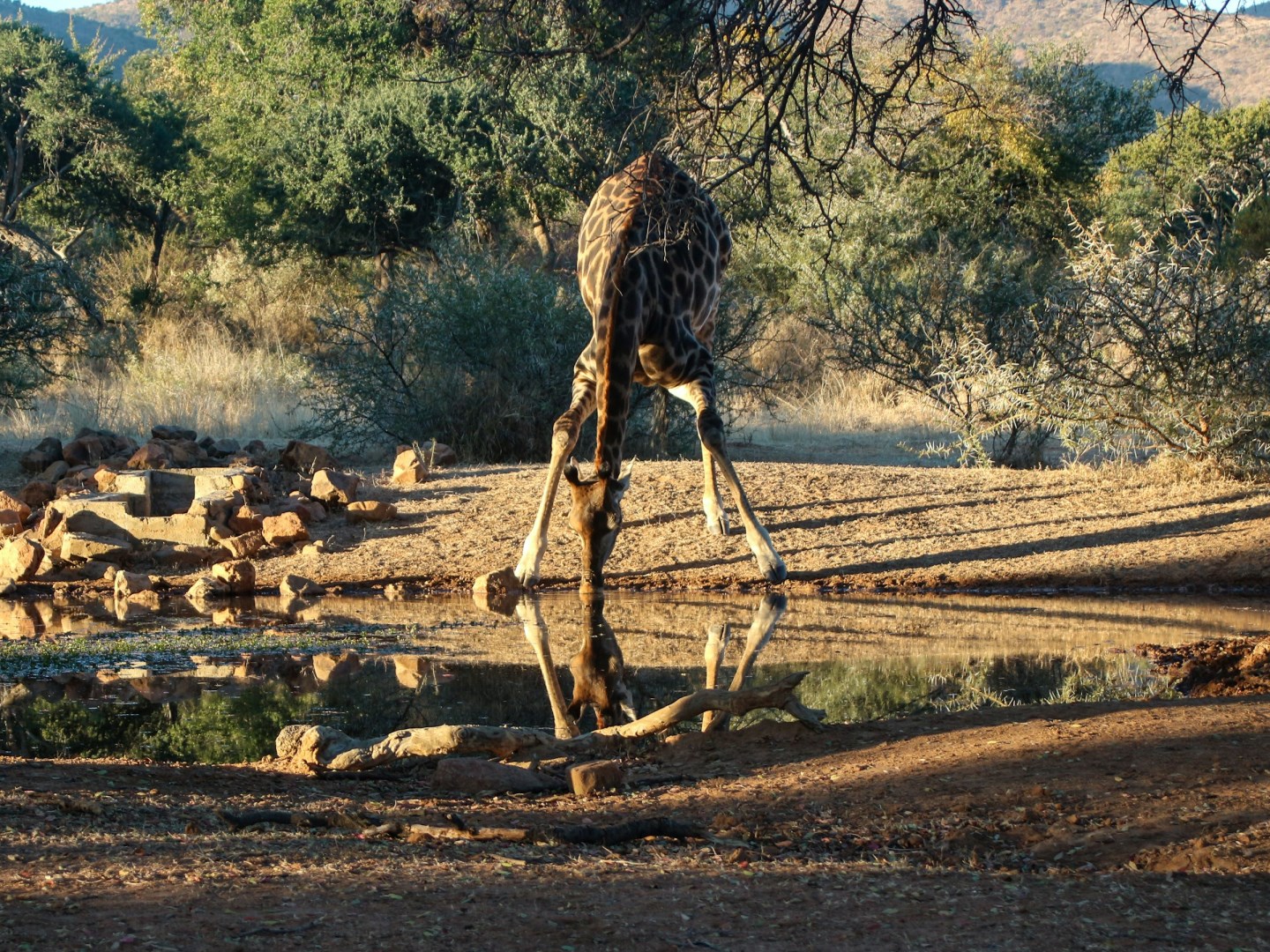
Limpopo
Limpopo is South Africa’s northernmost province, sharing international borders with Botswana, Zimbabwe, and Mozambique. Its landscape ranges from the bushveld and baobab-studded plains of the north to the Soutpansberg Mountains, escarpment forests, and fertile valleys of the south. The province is strongly associated with wildlife, with large protected areas forming part of the Greater Kruger ecosystem.
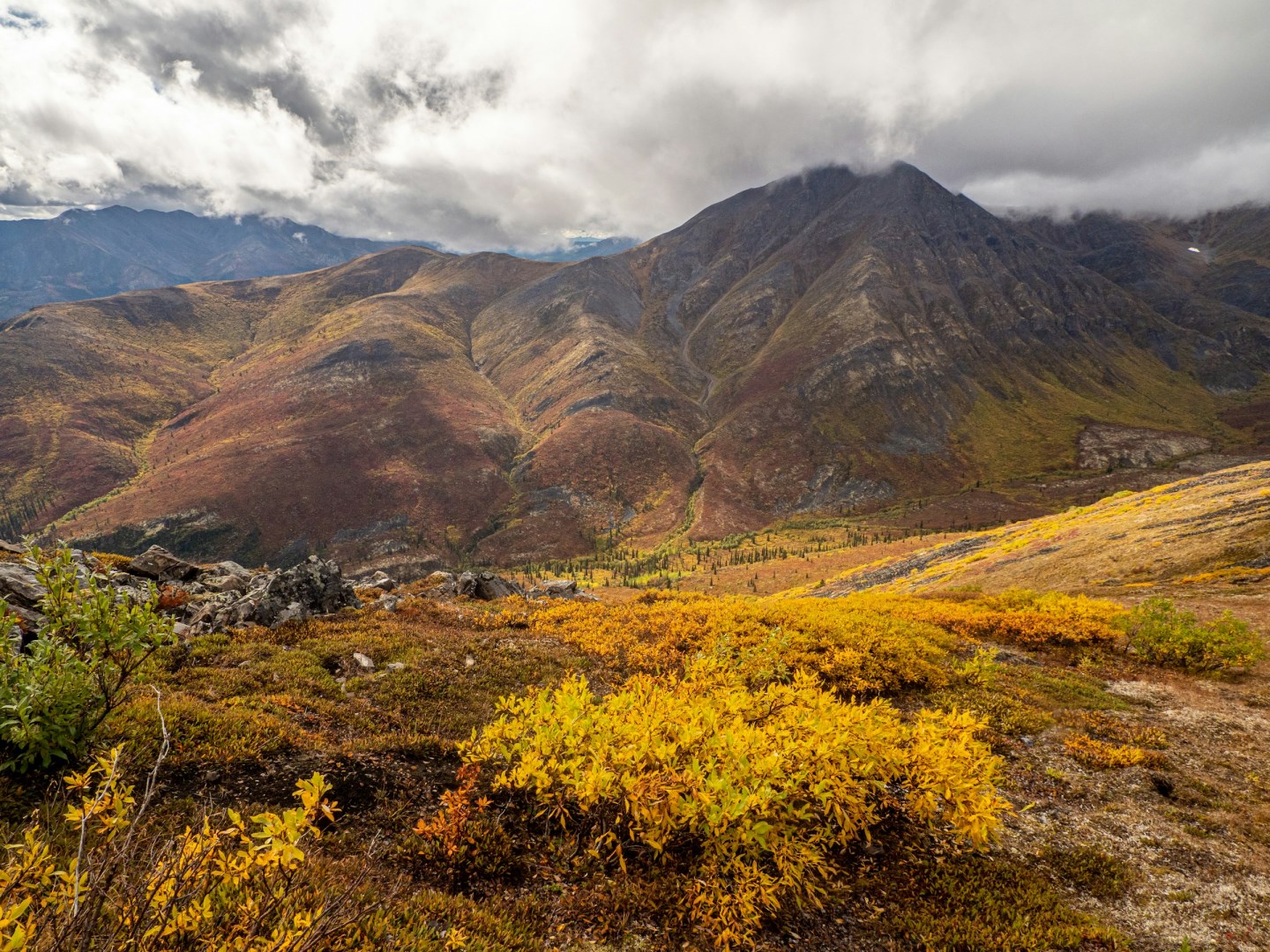
Tombstone Territorial Park
Tombstone Territorial Park is a protected wilderness area in central Yukon, north of Dawson City along the Dempster Highway. The park covers a large section of the North Klondike River region, where rugged mountains, broad valleys, tundra, and black spruce forests create a landscape unlike the lower-elevation country farther south.
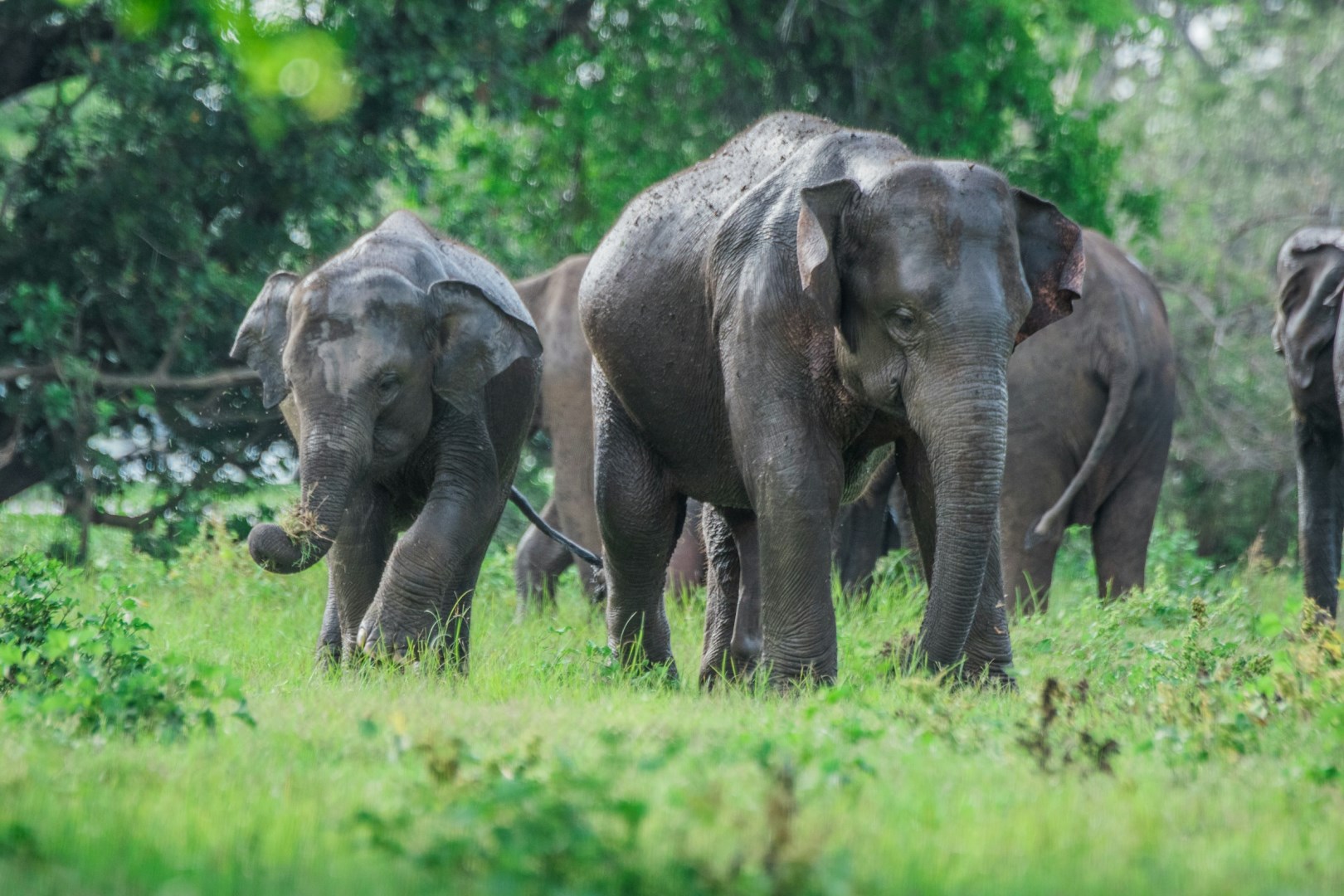
Minneriya National Park
Minneriya National Park lies in Sri Lanka’s North Central Province between Habarana and Polonnaruwa, within the island’s dry zone. The park covers about 8,890 hectares and is centered on the Minneriya Tank, an ancient irrigation reservoir that remains an important source of water for the surrounding landscape. Dry mixed evergreen forest, scrub, grassland, wetlands, and open areas around the reservoir create a varied habitat for wildlife. The park is particularly known for its Asian elephants, wh
