

Wurzburg
Raise a glass and toast Würzburg, an enchanting, Franconian wine-producing area on the Main River, and one of Germany's oldest cities. Wine bars and cellars abound here, but there's also plenty of wonderful history and striking Baroque and rococo architecture to behold.

Golden Circle
The Golden Circle is Iceland’s premier tourist route, offering a breathtaking journey through some of the country’s most iconic natural wonders. The route typically starts in Reykjavik and circles through Þingvellir National Park, the Geysir geothermal area, and Gullfoss waterfall. At Þingvellir, visitors can stand where the North American and Eurasian tectonic plates meet and explore the site of the world’s oldest parliament, established in 930 AD.
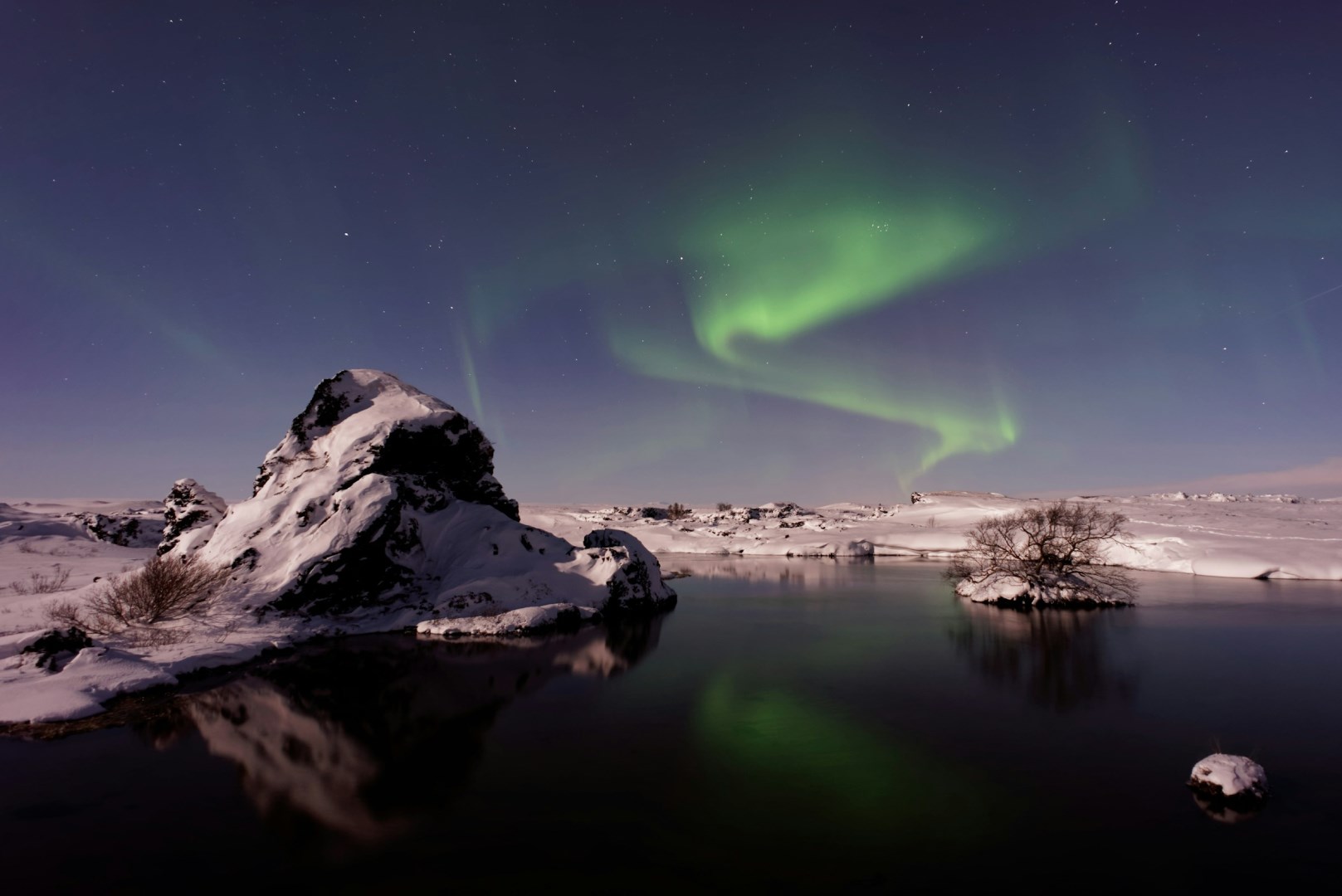
Mývatn
Mývatn is a lake and surrounding region in North Iceland, known for its shallow waters, numerous small islands, volcanic formations, and rich birdlife. The lake covers about 37 square kilometers and is part of an internationally important wetland together with the Laxá River. The surrounding landscape was shaped by volcanic activity, creating a mixture of lava fields, craters, geothermal areas, and wetlands within a relatively compact area.
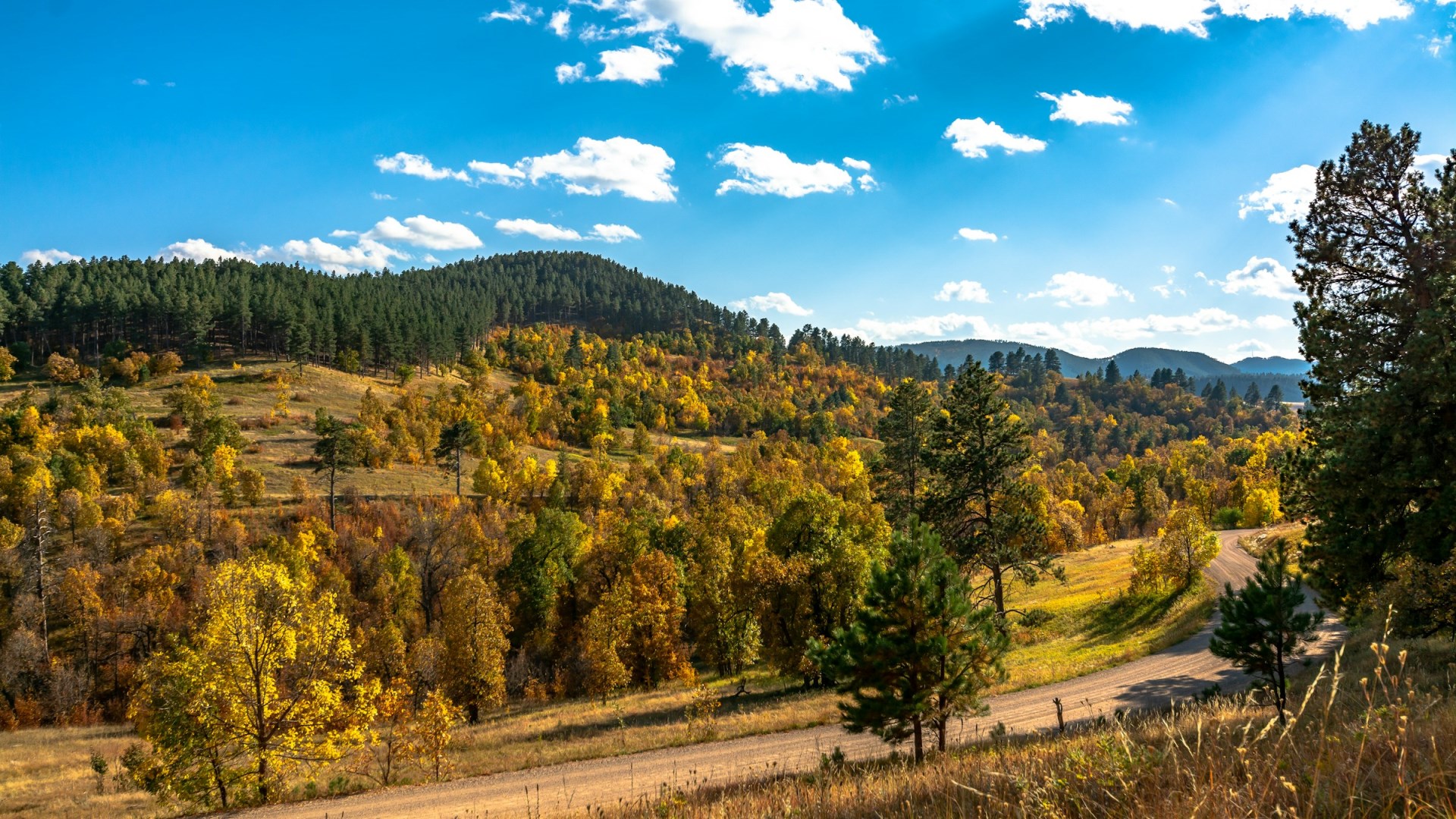
Sturgis
Sturgis is a small city in western South Dakota, positioned on the northern edge of the Black Hills where forested mountains meet the open Great Plains. The city is surrounded by ponderosa pine hills, rocky ridges, and broad prairie landscapes, with Bear Butte rising prominently to the northeast. Sturgis serves as a gateway to the northern Black Hills and provides access to scenic roads, hiking areas, and nearby communities such as Deadwood and Spearfish.
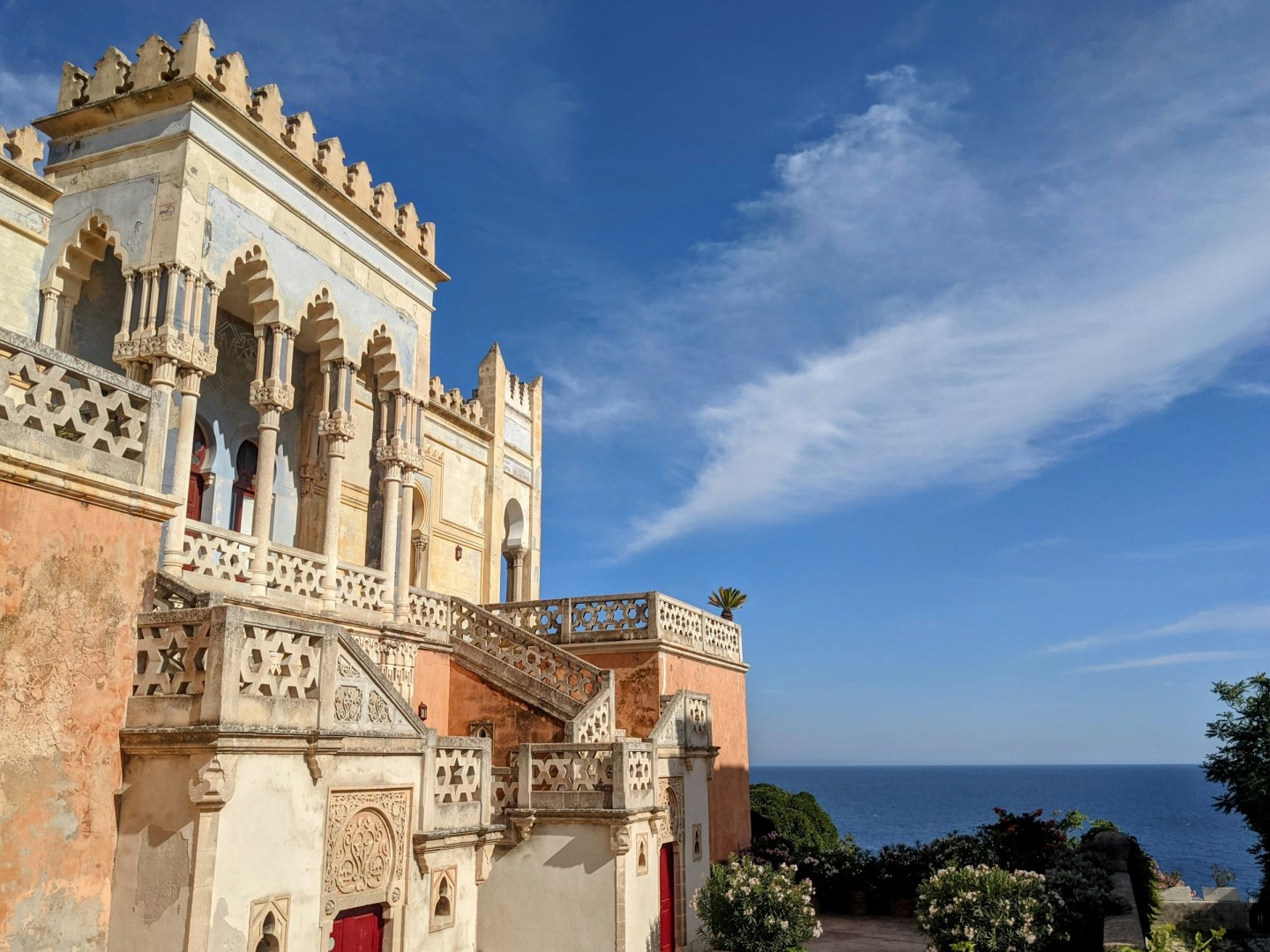
Lecce
Lecce is a city in southern Puglia, at the center of the Salento peninsula, known for its historic buildings made from the region’s soft, honey-colored limestone. The old center contains elaborate churches, palaces, courtyards, and narrow streets, many decorated with carved columns, figures, floral motifs, and other details associated with Lecce Baroque. Piazza del Duomo and Piazza Sant’Oronzo form two of the city’s principal public spaces, while the Roman amphitheater remains visible at the hea
