
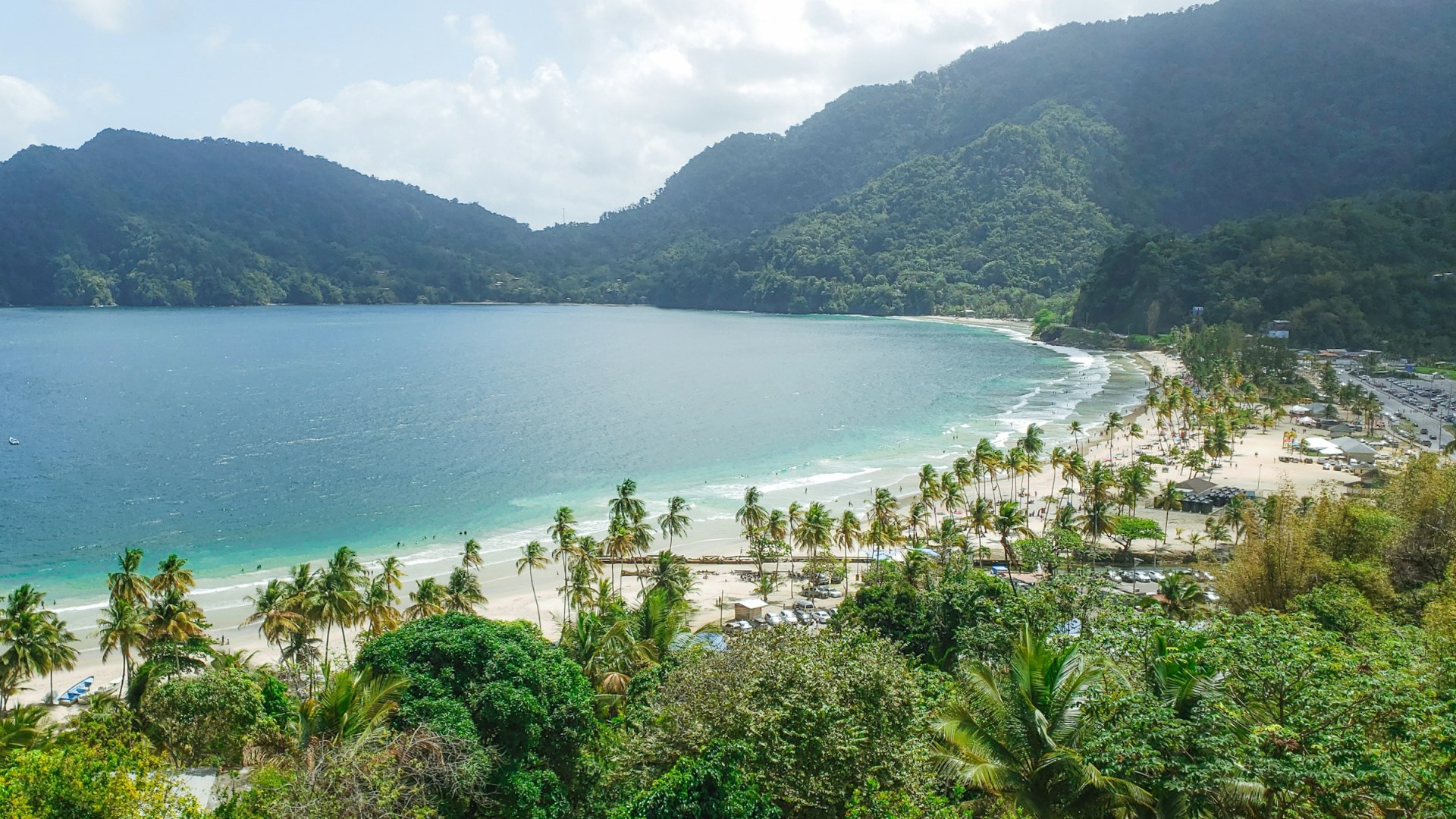
Maracas Bay Village
Maracas Bay Village is a small coastal community on Trinidad’s north coast, set around the well-known Maracas Bay and surrounded by the forested Northern Range. The village lies at the end of the Maracas Valley, where steep green hills descend toward the Caribbean Sea. Its economy and daily life are closely connected with the beach, fishing, small businesses, and visitors from across Trinidad.
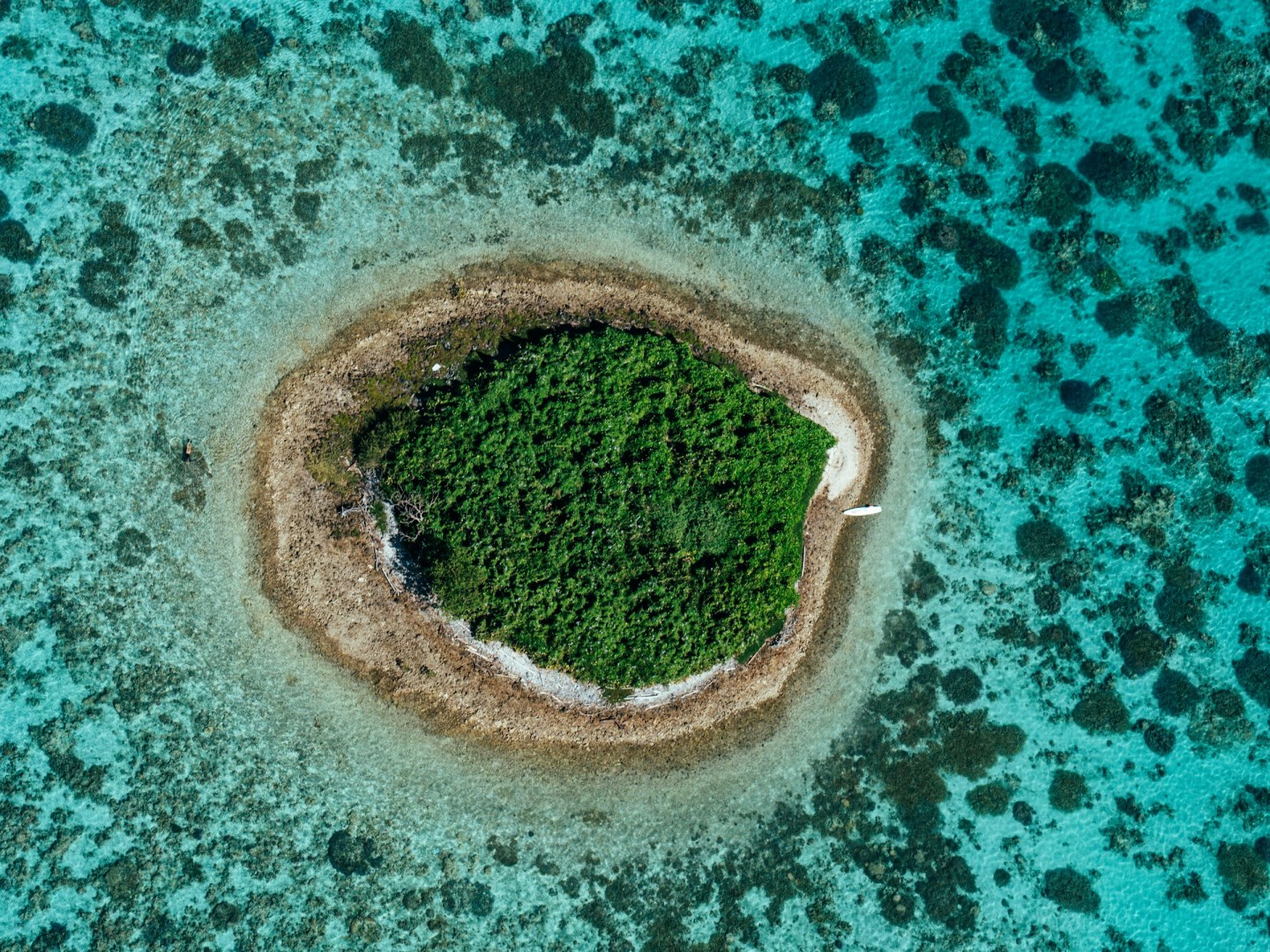
Bourail
Bourail is a rural commune on the west coast of Grande Terre, New Caledonia, known for its open landscapes, cattle farms, beaches, and distinctive coastal rock formations. The area extends from the foothills of the central mountain range toward the Pacific Ocean and includes several villages and farming communities
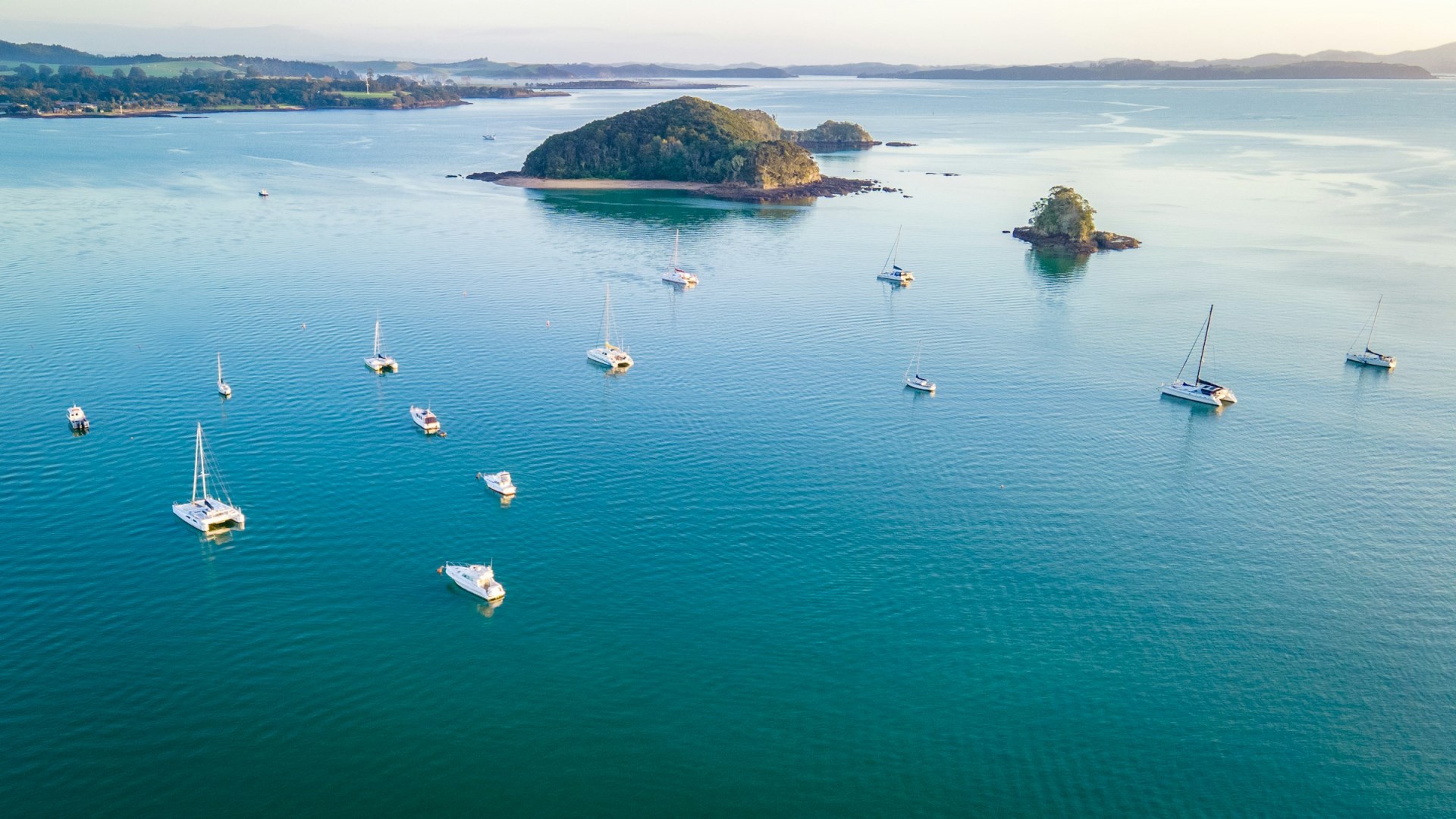
Paihia
This charming town is the gateway to exploring the dive sites and sandy beaches of the Bay of Islands. There are endless activities to do here, such as fishing, kayaking, swimming with dolphins and discovering authentic Maori culture.
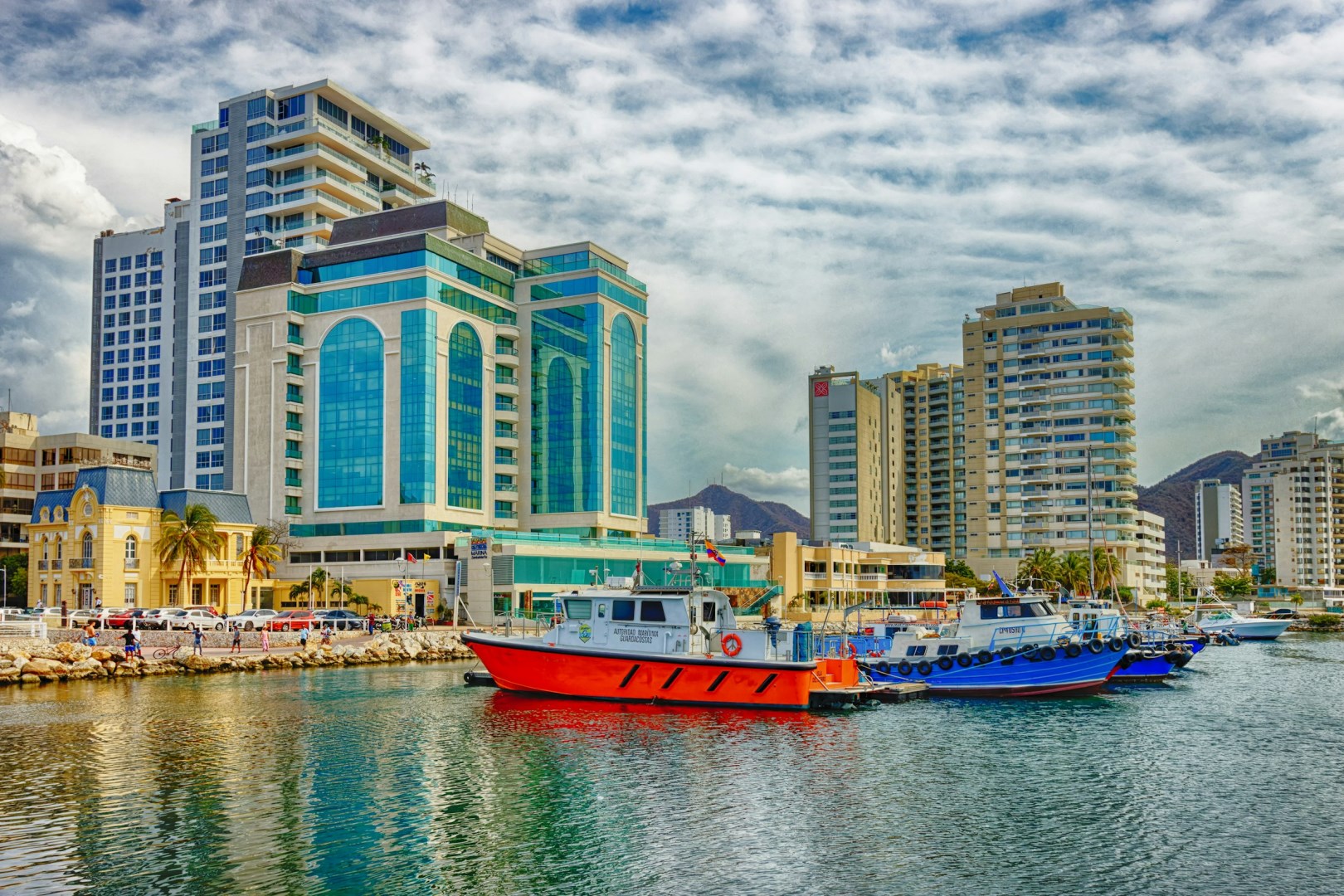
Santa Marta
Santa Marta, located on Colombia’s northern Caribbean coast, is one of the country’s oldest cities, founded in 1525. It has long served as a gateway between the coast and the Sierra Nevada de Santa Marta, the world’s highest coastal mountain range.
Sasebo
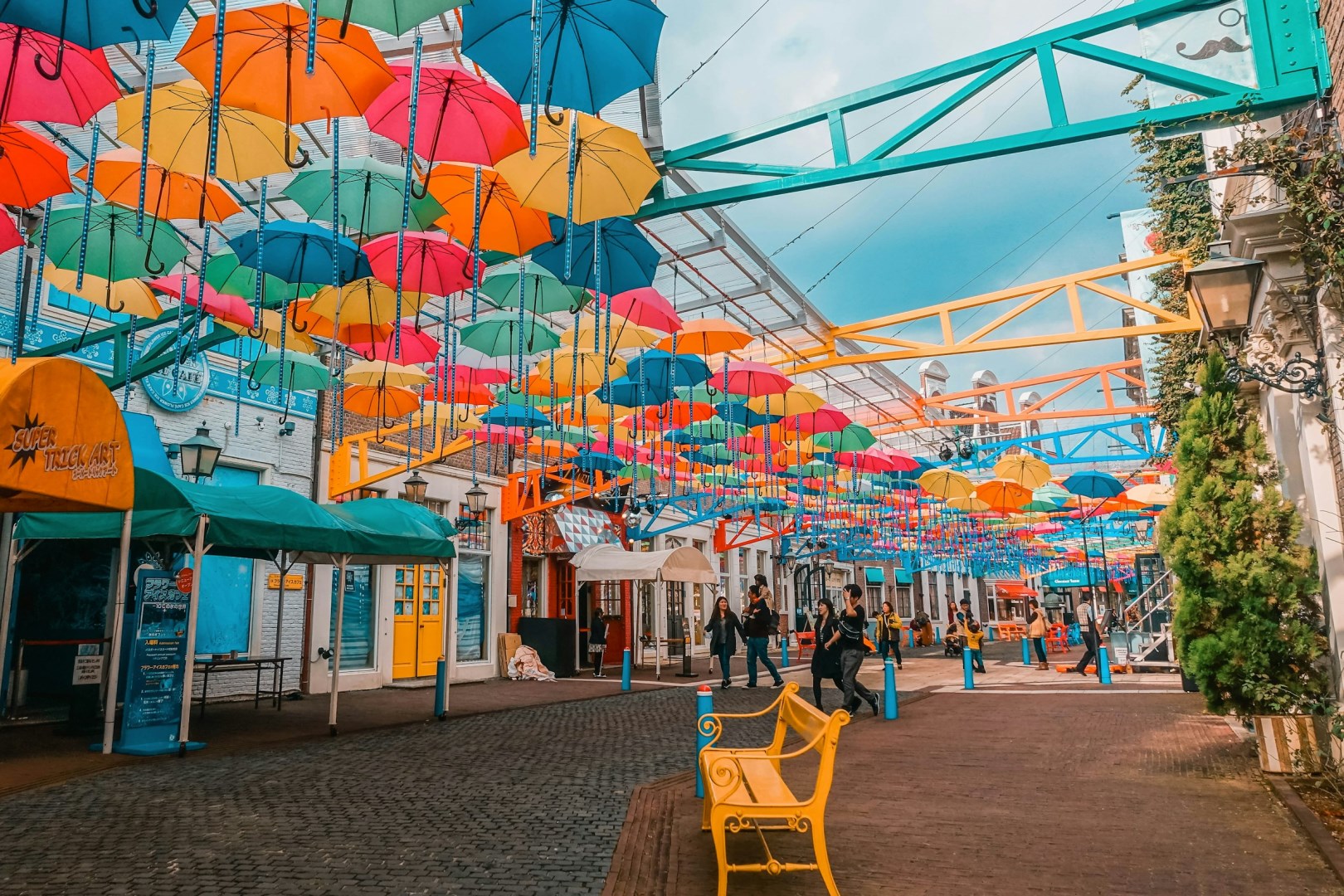
Sasebo is a port city in Nagasaki Prefecture on the northwestern coast of Kyushu, shaped by its sheltered harbor, islands, and long maritime connections. Its identity reflects both Japanese and international influences, with naval facilities, American cultural connections, and a busy waterfront existing alongside traditional neighborhoods. The city is also a gateway to the Kujukushima area, a coastal landscape known for its many small islands and winding shorelines.
