
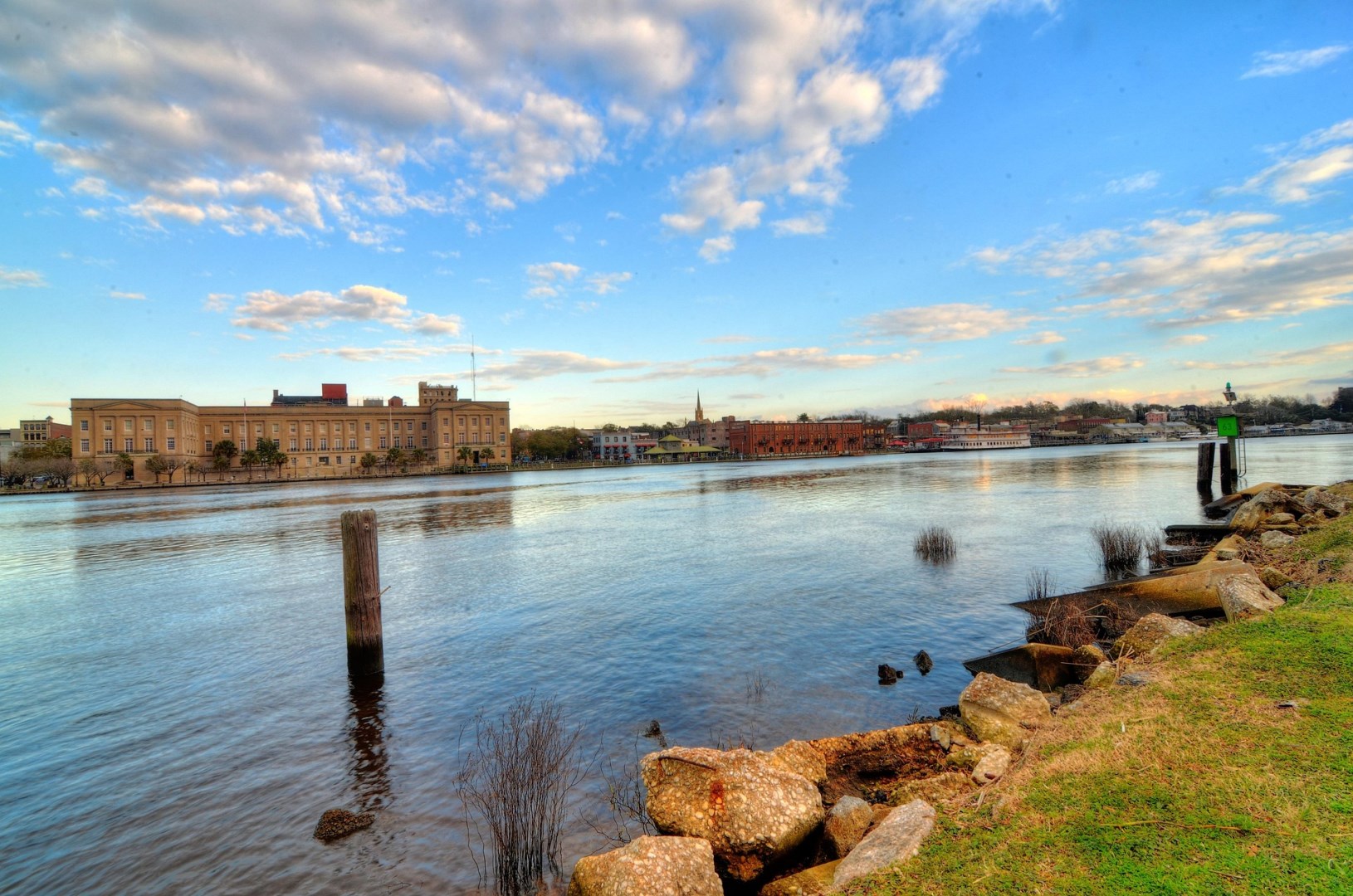
Wilmington
Wilmington was the only open seaport in the Confederacy from 1863 until the last months of the war - nearly two years. Visit Fort Fisher which kept the port open to blockade runners. Afterwards, tour another historic treasure, the Bellamy Mansion Museum of History and Design Arts. In 1865, it was commandeered as headquarters for the Union forces.

Vang Vieng
Vang Vieng, nestled along the banks of the Nam Song River in central Laos, is an adventurer's paradise surrounded by stunning limestone karsts and verdant landscapes. Known for its laid-back atmosphere and natural beauty, this small town has transformed from a backpacker haven into a more sophisticated destination offering a mix of adventure, relaxation, and cultural experiences.

Ilok
Ilok, the easternmost town in Croatia on the Danube River, may be small but it has a lot to offer. A well-preserved Franciscan monastery and a 15th century castle make it a popular day trip for domestic as well as foreign tourists. Its wine-making tradition is even older; some say the region's viniculture dates back as early as 280 AD.

St. Croix
It's the largest of the three U.S. Virgin Islands, lying 40 miles south of St. Thomas and St. John. While its history is laced with tales of pirates and privateers, the island today maintains a slower, more quiet pace than its sisters to the north.

Pinhão
Pinhão, nestled in the heart of Portugal’s Douro Valley, is a small town with a big reputation for its world-renowned port wine and stunning landscapes. Surrounded by terraced vineyards that cascade down to the banks of the Douro River, Pinhão is a paradise for wine lovers and nature enthusiasts alike.
