
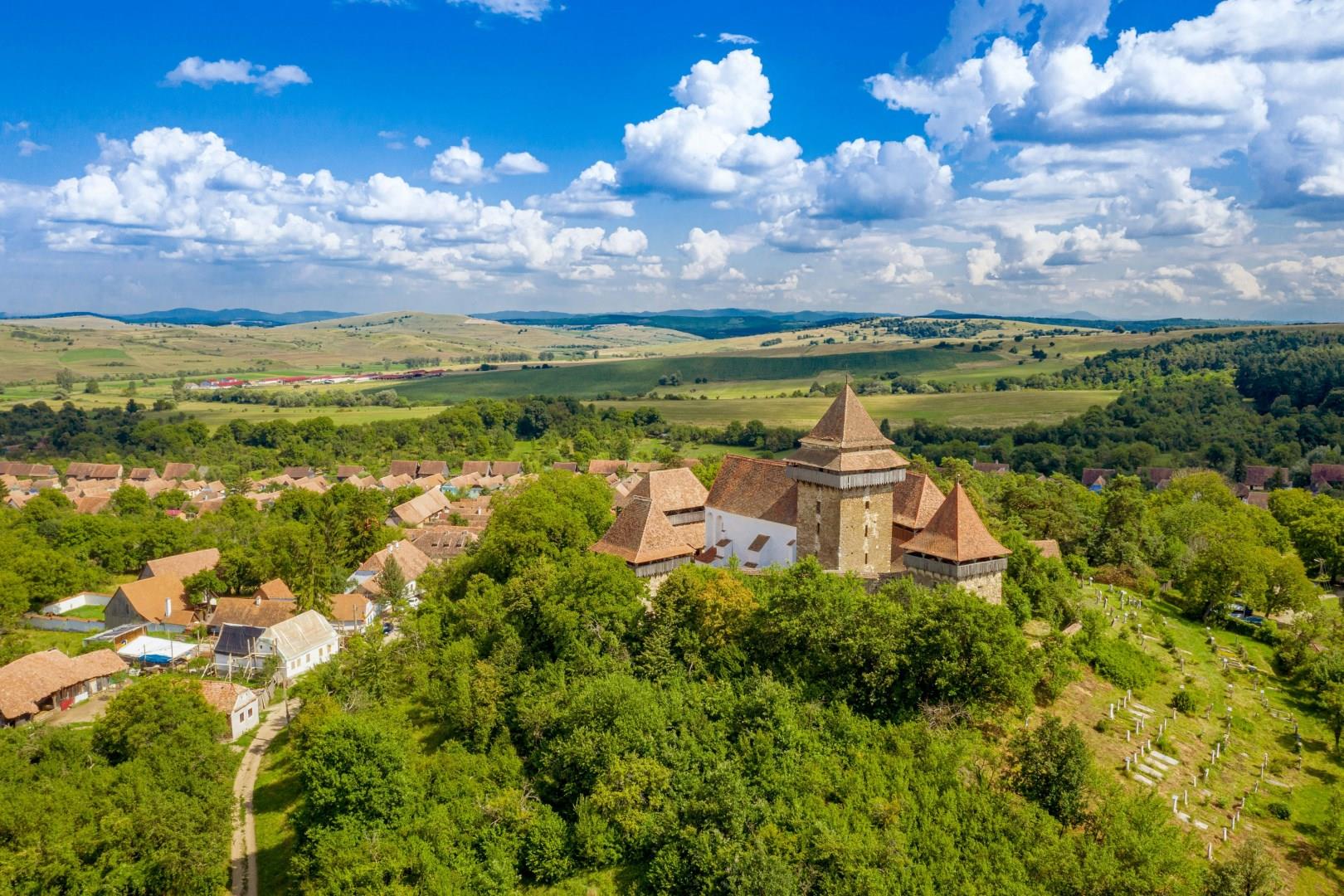
Transylvania
Transylvania is a historical region in central Romania, bordered by the Carpathian Mountains. It is known for its forested landscapes, medieval towns, and a mix of cultural influences shaped by Romanian, Hungarian, and Saxon communities. Cities such as Cluj-Napoca and Brașov serve as regional centers with preserved old quarters and growing modern districts. The region is often associated with folklore, but its identity is grounded in everyday rural life and long-standing settlement patterns.
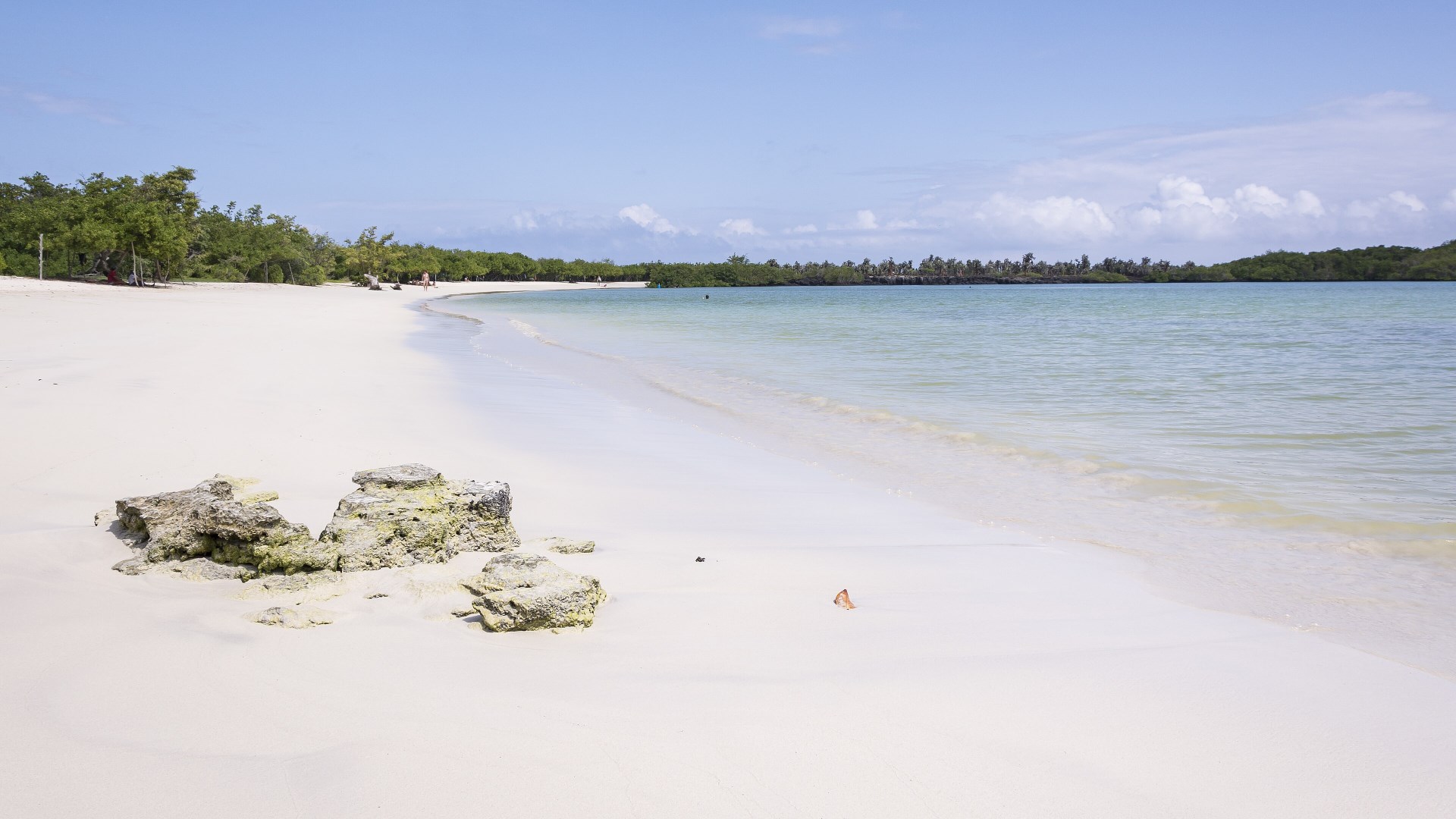
Santa Cruz Island
Santa Cruz Island is the beating heart of the Galápagos and is home to the largest town in the archipelago, Puerto Ayora, and a key access point for travelers exploring this unique region. But beyond its small port and shops, the island reveals a surprising range of ecosystems, from black lava shores to lush highlands where giant tortoises roam freely.
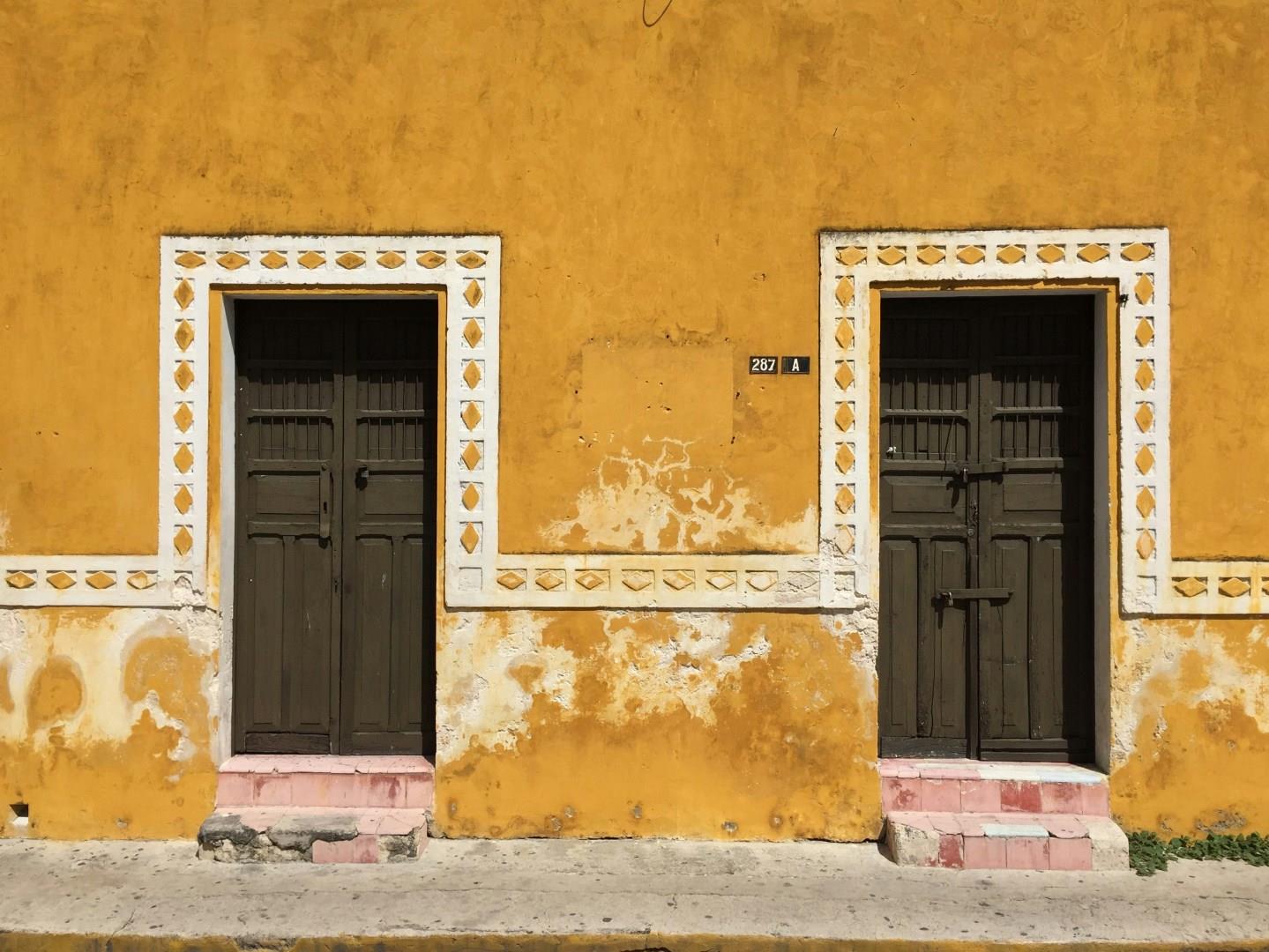
Izamal
Izamal, located in the heart of Yucatán, stands out as a city where centuries of history are layered in plain sight. Known as the “City of Three Cultures,” it combines ancient Maya ruins, Spanish colonial architecture, and modern-day Yucatecan life. One of the most striking features of Izamal is its golden-yellow buildings, painted this distinctive color in honor of Pope John Paul II’s visit in 1993.
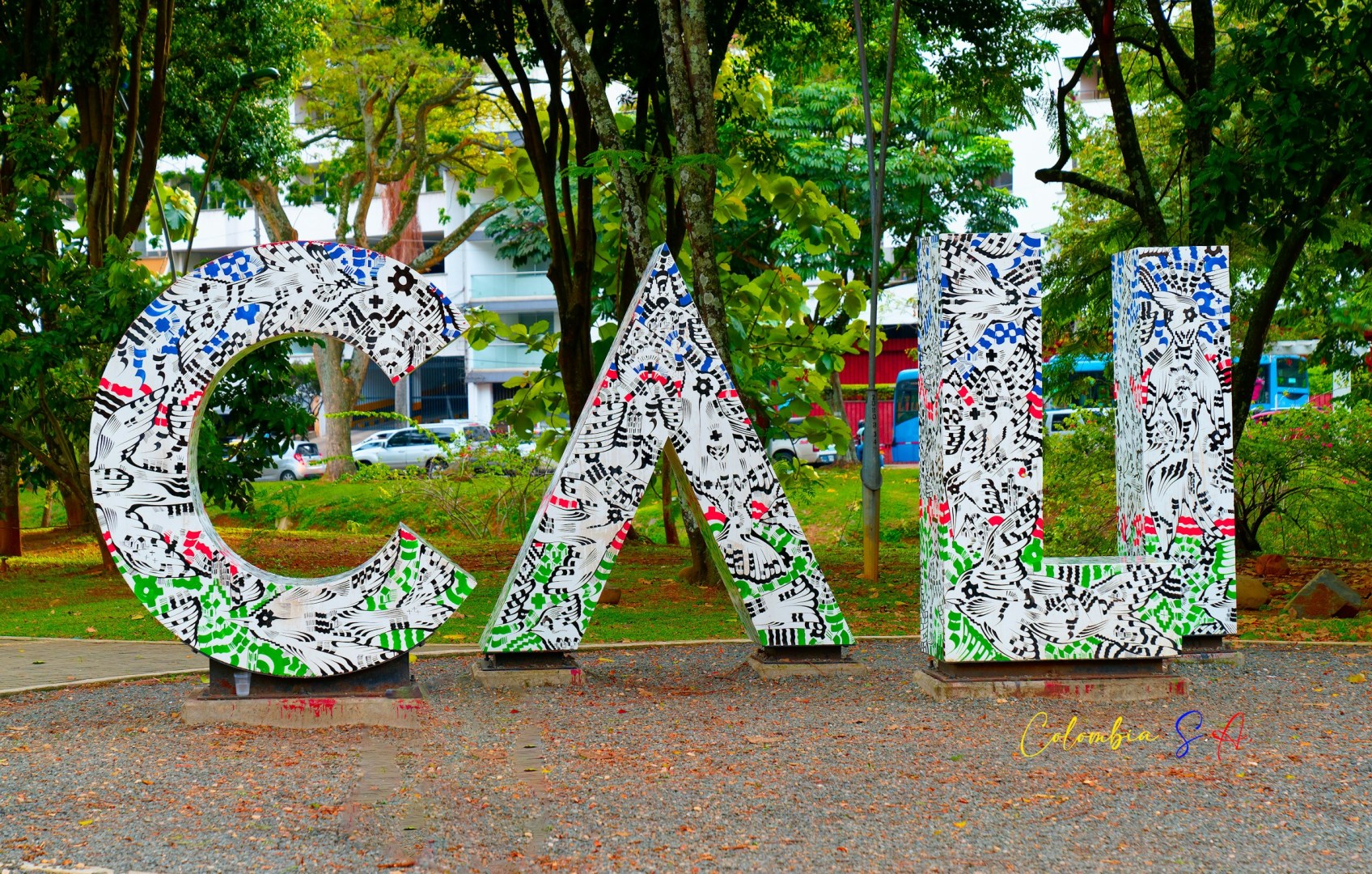
Cali
A lovely city between the Central and Western mountain ranges, it is known as the capital of salsa music and claims to be home to the most beautiful women in the world.
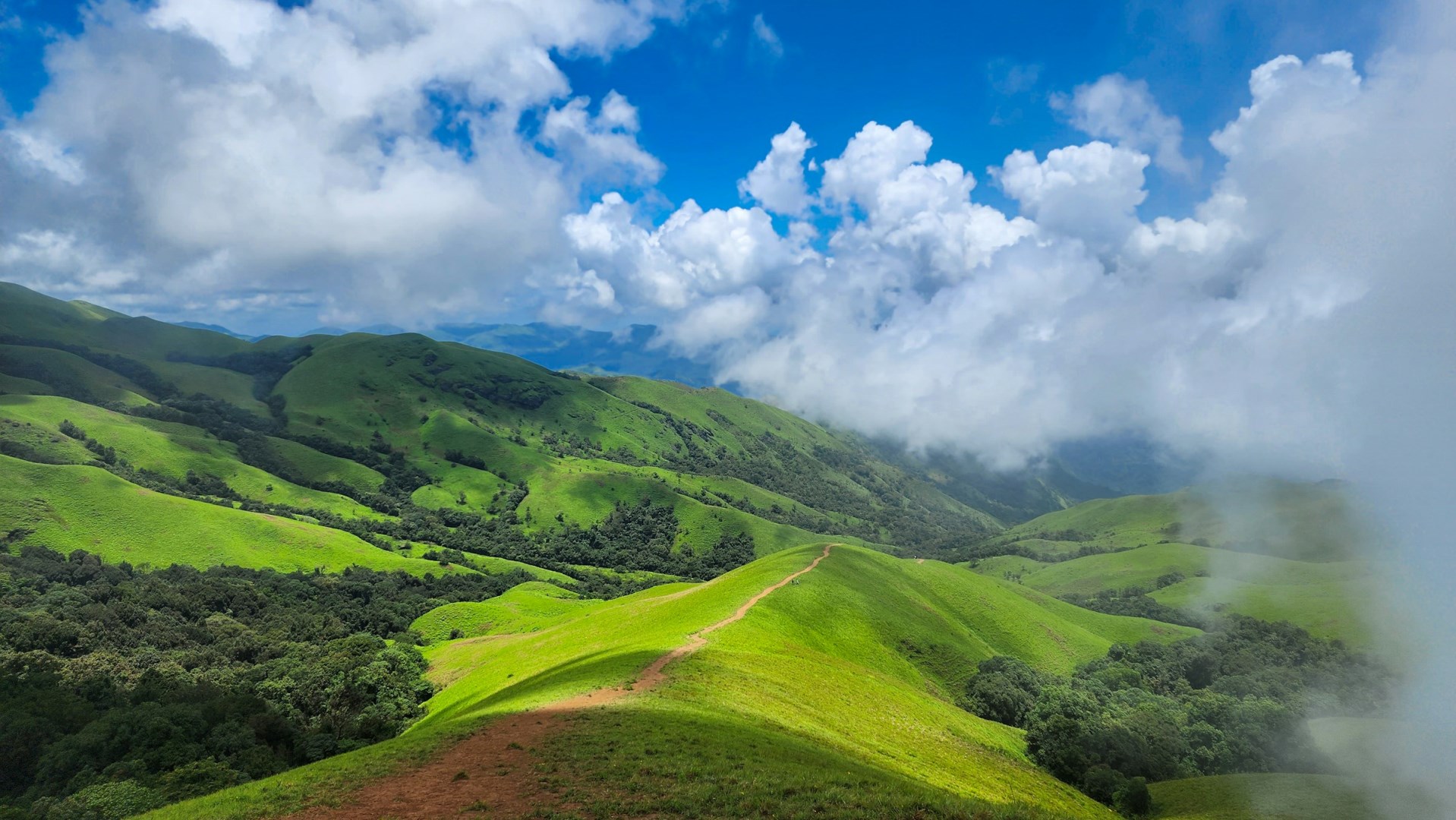
Chikmagalur
Chikmagalur is a hill town in Karnataka’s Malnad region, surrounded by the Western Ghats and known for coffee plantations, forested slopes, and mountain landscapes. The town sits at the center of a coffee-growing district where estates cover the hills around the Bhadra River basin. Chikmagalur’s setting combines plantation country with nearby peaks, streams, and dense forests, making it a base for exploring the western Karnataka highlands.
