
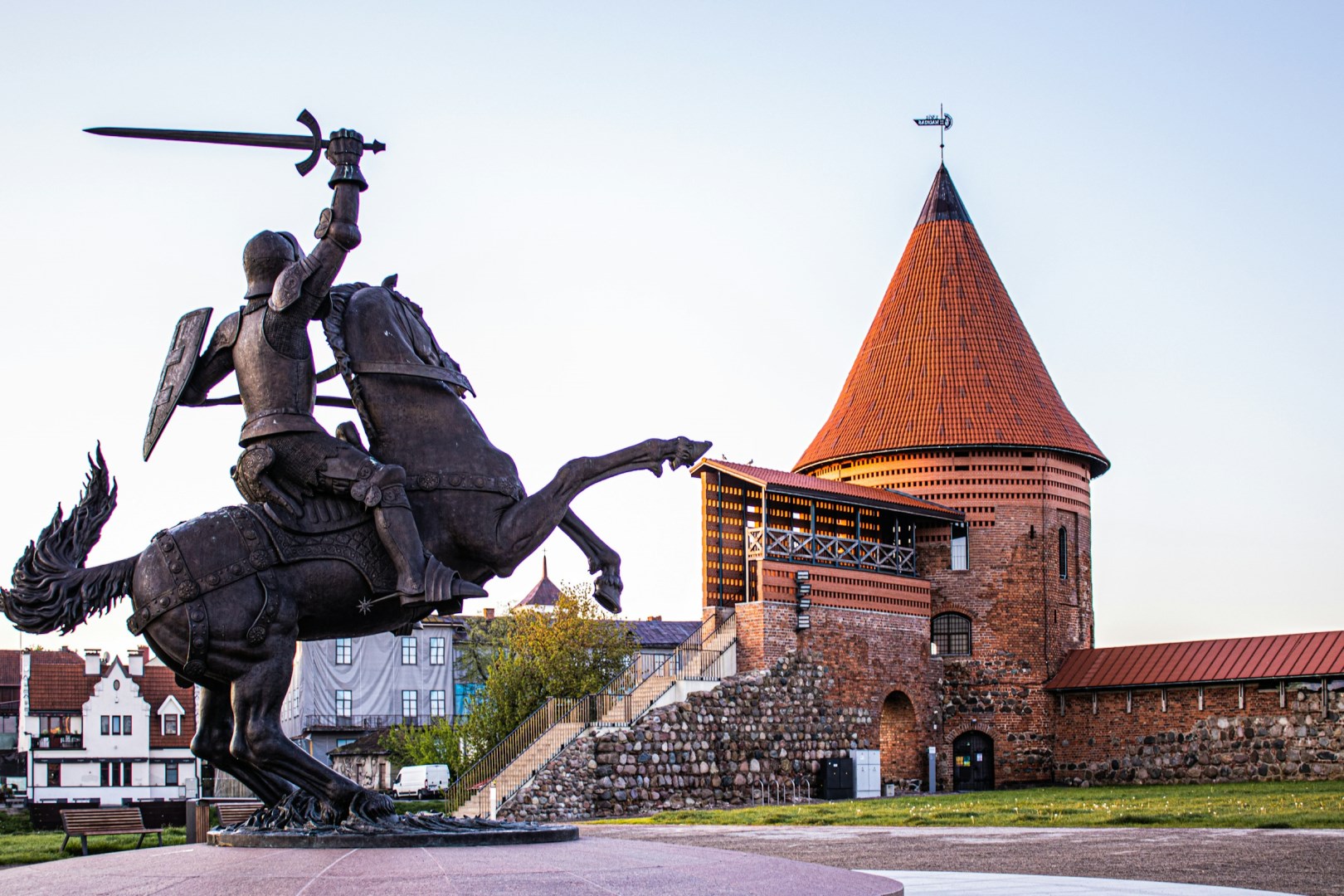
Kaunas
Kaunas is Lithuania’s second-largest city, located at the confluence of the Nemunas and Neris rivers in the country’s central region. Its historic center combines a compact Old Town of Gothic, Renaissance, and Baroque buildings with the broader streets and distinctive architecture of the New Town. Kaunas Castle, standing near the river confluence, is one of the city’s best-known landmarks, while Laisvės Alėja forms a long pedestrian boulevard through the central districts.
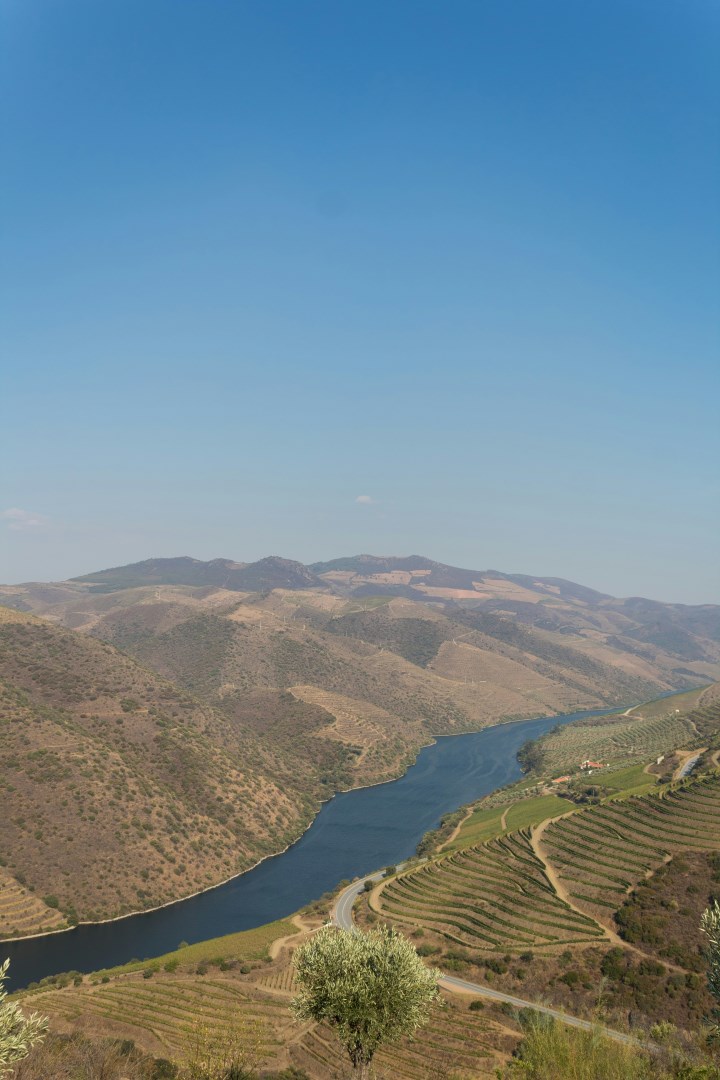
Côa Valley
Coa Valley lies in northeastern Portugal near the Douro River, in a landscape shaped by steep hills, schist cliffs, vineyards, olive groves, and almond trees. The area is best known for its open-air prehistoric rock engravings, spread across the banks of the Coa River and protected as a UNESCO World Heritage Site.
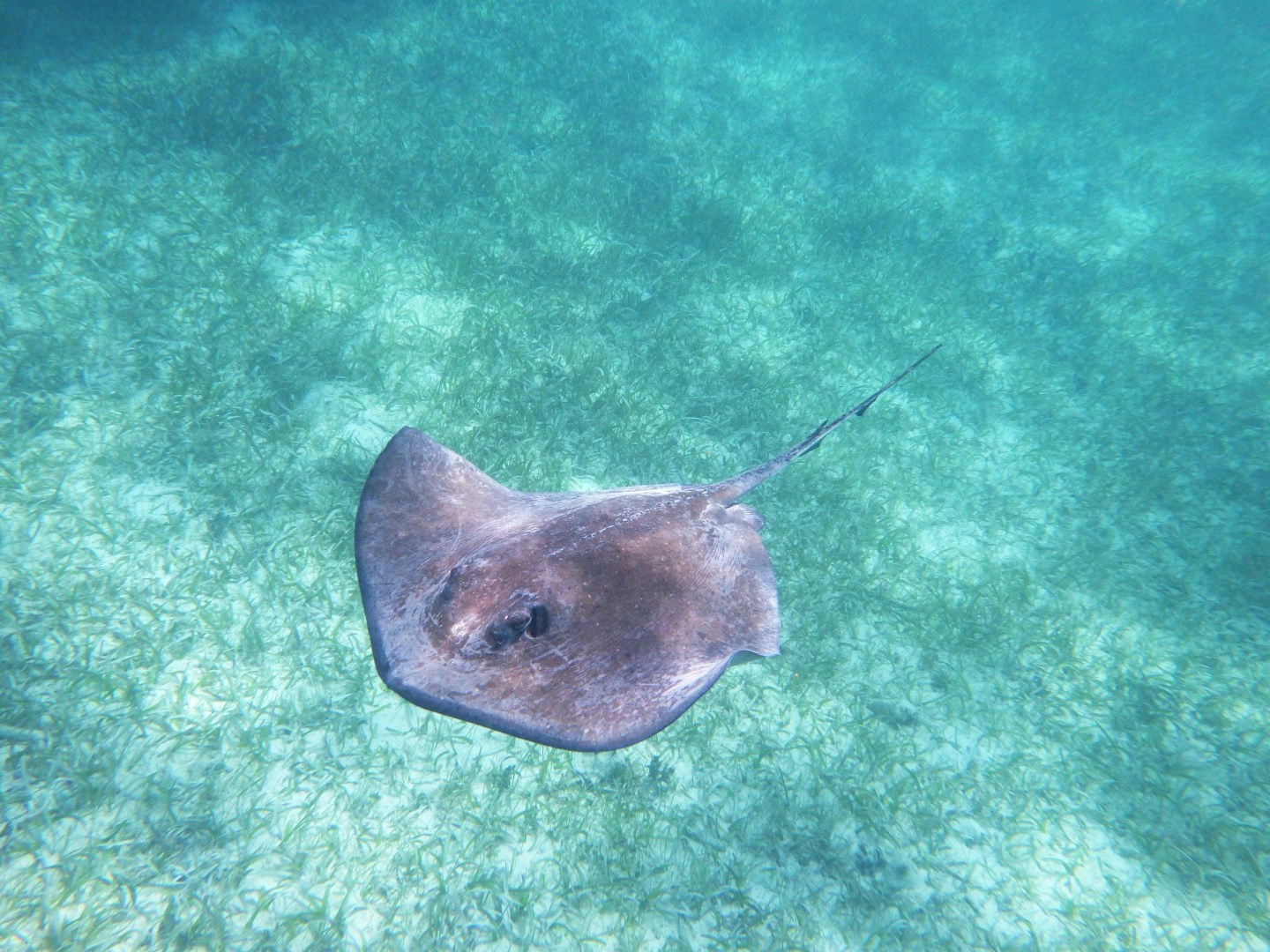
Hol Chan Marine Reserve
Hol Chan Marine Reserve lies off the southern coast of Ambergris Caye, near San Pedro in northern Belize. The protected area covers coral reefs, seagrass beds, mangroves, and channels that form part of the Belize Barrier Reef. Its name comes from the Maya words for “little channel,” referring to a natural break in the reef that allows water to move between the Caribbean Sea and the shallow lagoon.
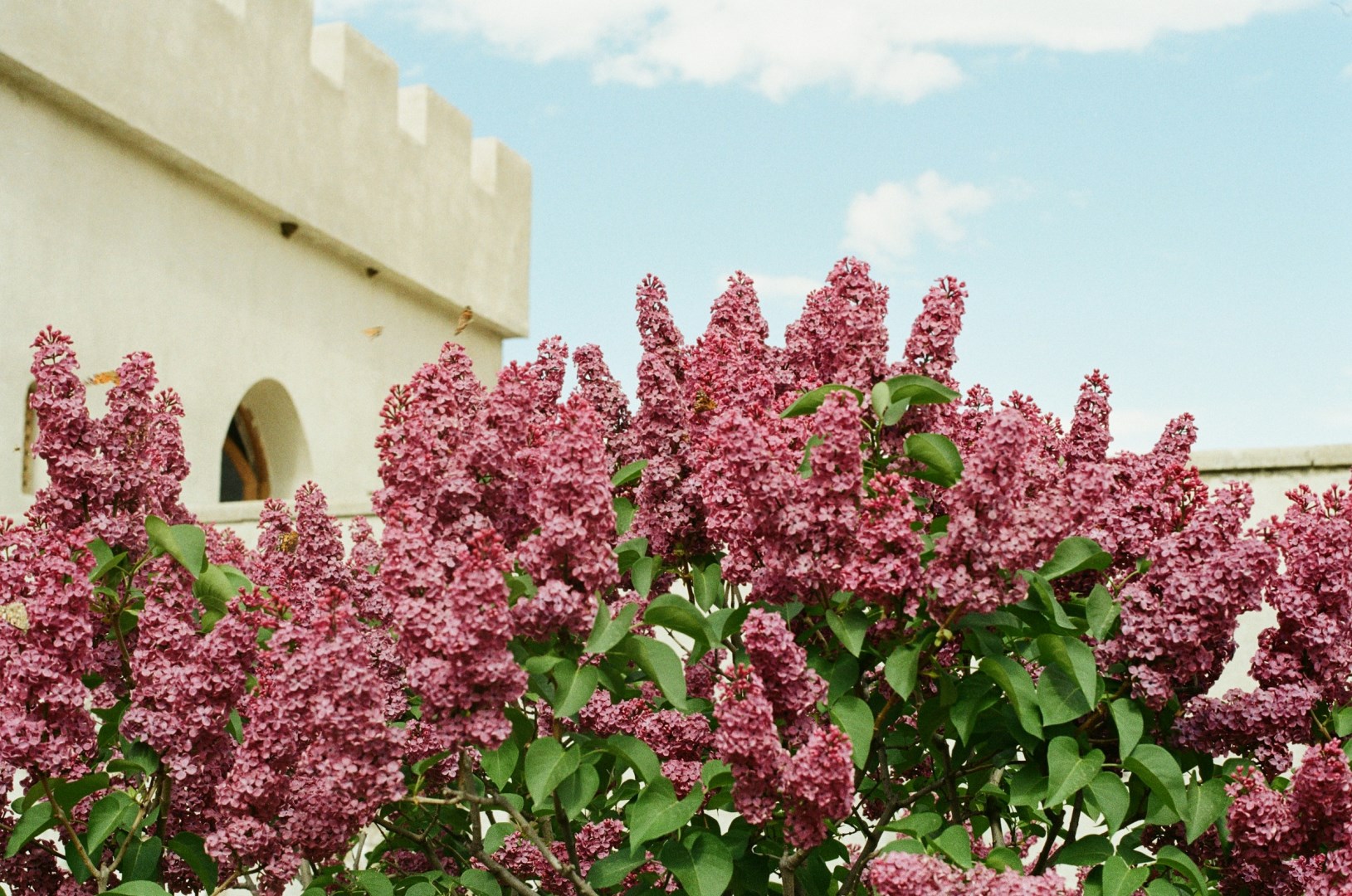
Akhaltsikhe
Akhaltsikhe is a regional center in southern Georgia's Samtskhe-Javakheti region, situated in a broad valley along the Potskhovi River. The city is best known for Rabati, its hilltop fortress complex, but its identity extends into an older quarter of stone houses, religious buildings, and traditional streets. The name Akhaltsikhe means “new fortress,” reflecting the city's long association with its fortified center.
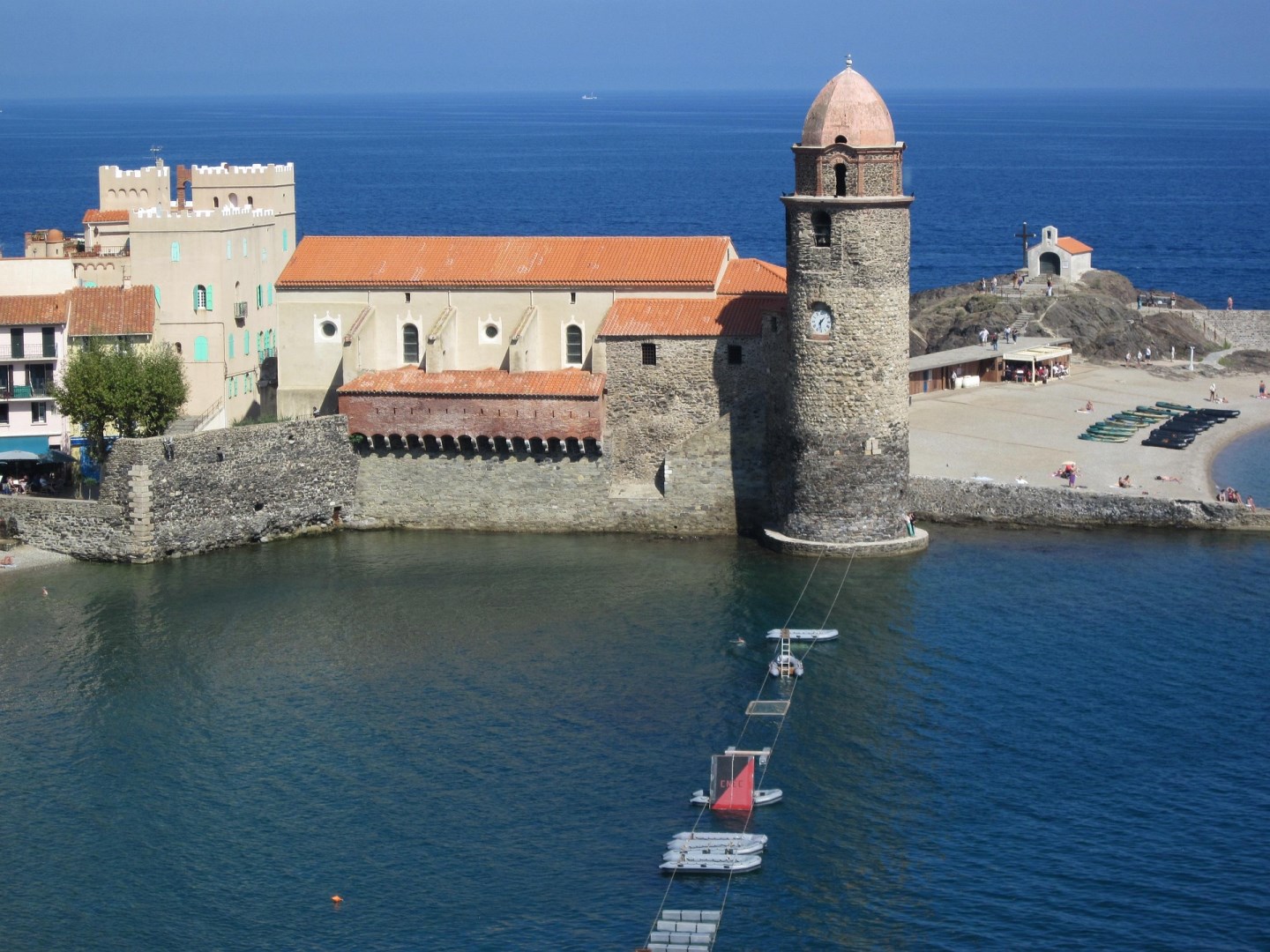
Collioure
Collioure, just before the Spanish border, aims its charms at its own people. It's the ideal small town-without-the-glitz antidote to condo city Riviera. Like an ice cream shop, Collioure offers 31 flavors of pastel houses and six petite scooped-out beach-sprinkled lightly with beachgoers.
