
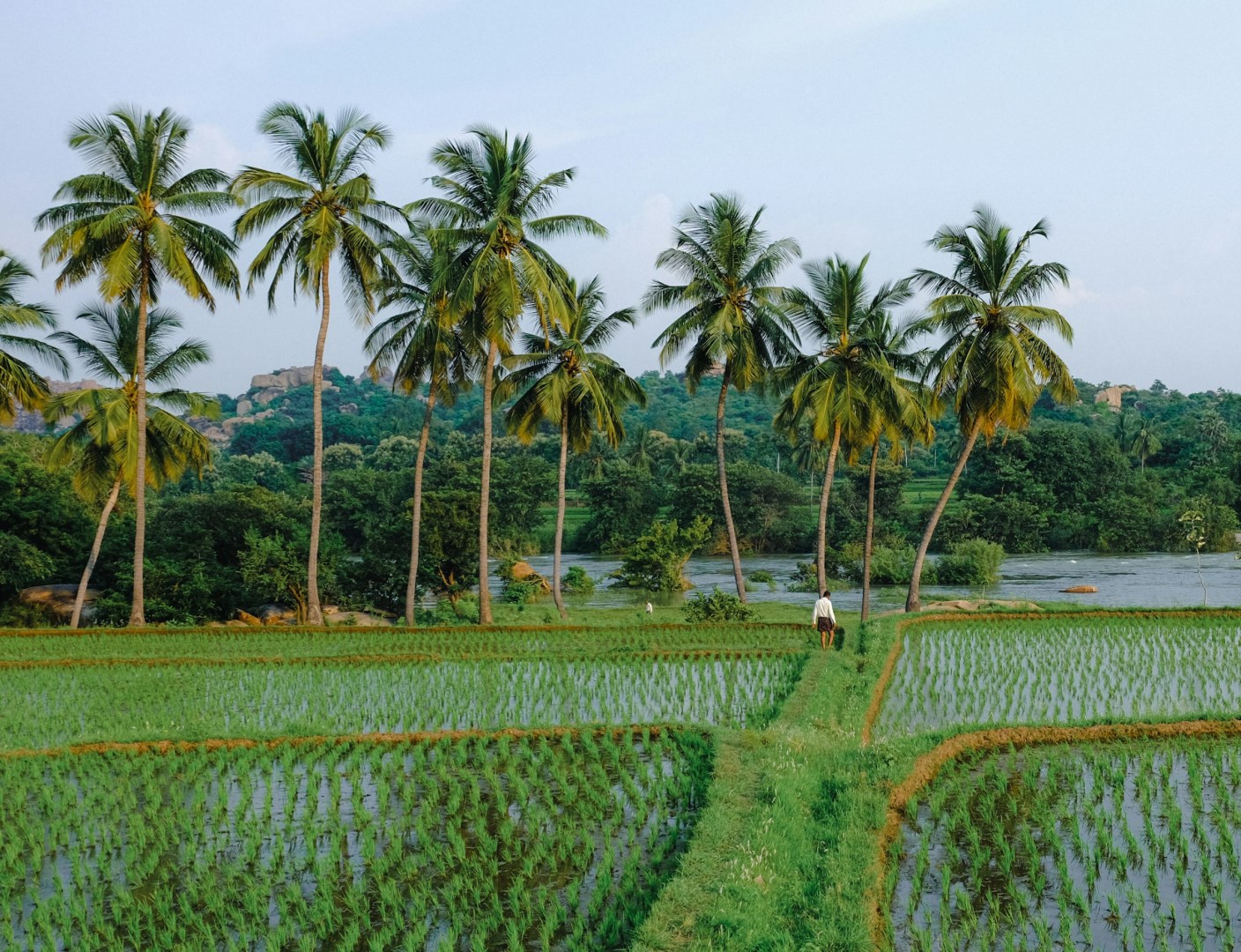
Hampi
Hampi is a historic village and archaeological landscape in Karnataka, set among dramatic granite boulders, rocky hills, banana plantations, and the Tungabhadra River. The ruins belong to the former capital of the Vijayanagara Empire and cover a wide area of temples, gateways, markets, palaces, shrines, and water structures. The landscape is notable for the way monumental architecture sits among natural rock formations and agricultural fields. Hampi is recognized as a UNESCO World Heritage Site
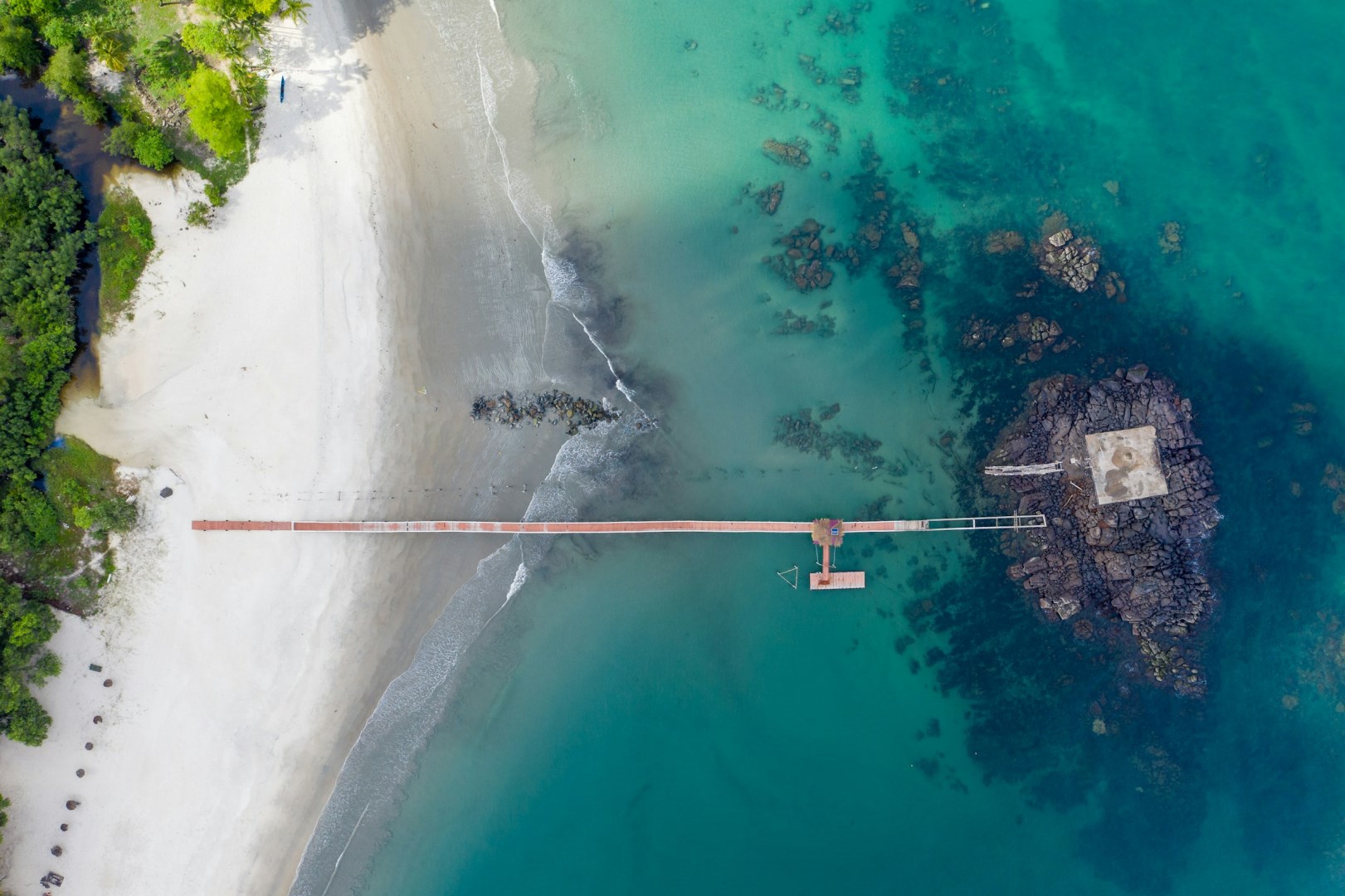
Tokeh
Tokeh is a coastal town on Sierra Leone’s Freetown Peninsula in the Western Area Rural District, between River No. 2 and York. Fishing and tourism are important parts of the local economy, while the town is surrounded by forested hills and the Atlantic Ocean.

Taupō
Taupō, located in the heart of New Zealand’s North Island, is built along the shores of Lake Taupō, which is the largest freshwater lake in Australasia, formed nearly two thousand years ago by a massive volcanic eruption. That eruption was so powerful, it was recorded in ancient Chinese and Roman texts, even though it occurred halfway across the world. Today, the lake is calm, clear, and central to life in the region, offering everything from trout fishing to kayaking and lakeside cycling.
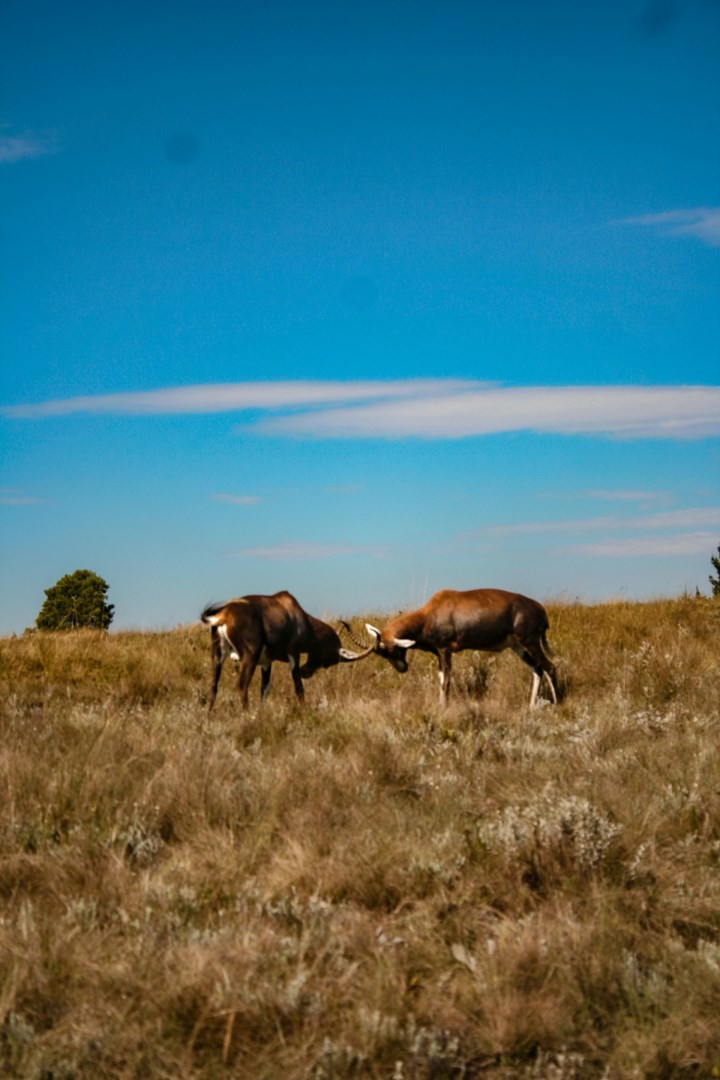
Malolotja National Park
Malolotja Nature Reserve, often referred to as Malolotja National Park, lies in the northwestern highlands of Eswatini, close to the South African border. Covering more than 18,000 hectares, it protects one of the country’s largest areas of mountain wilderness, with rolling grasslands, deep valleys, wetlands, woodland, and mistbelt forest.
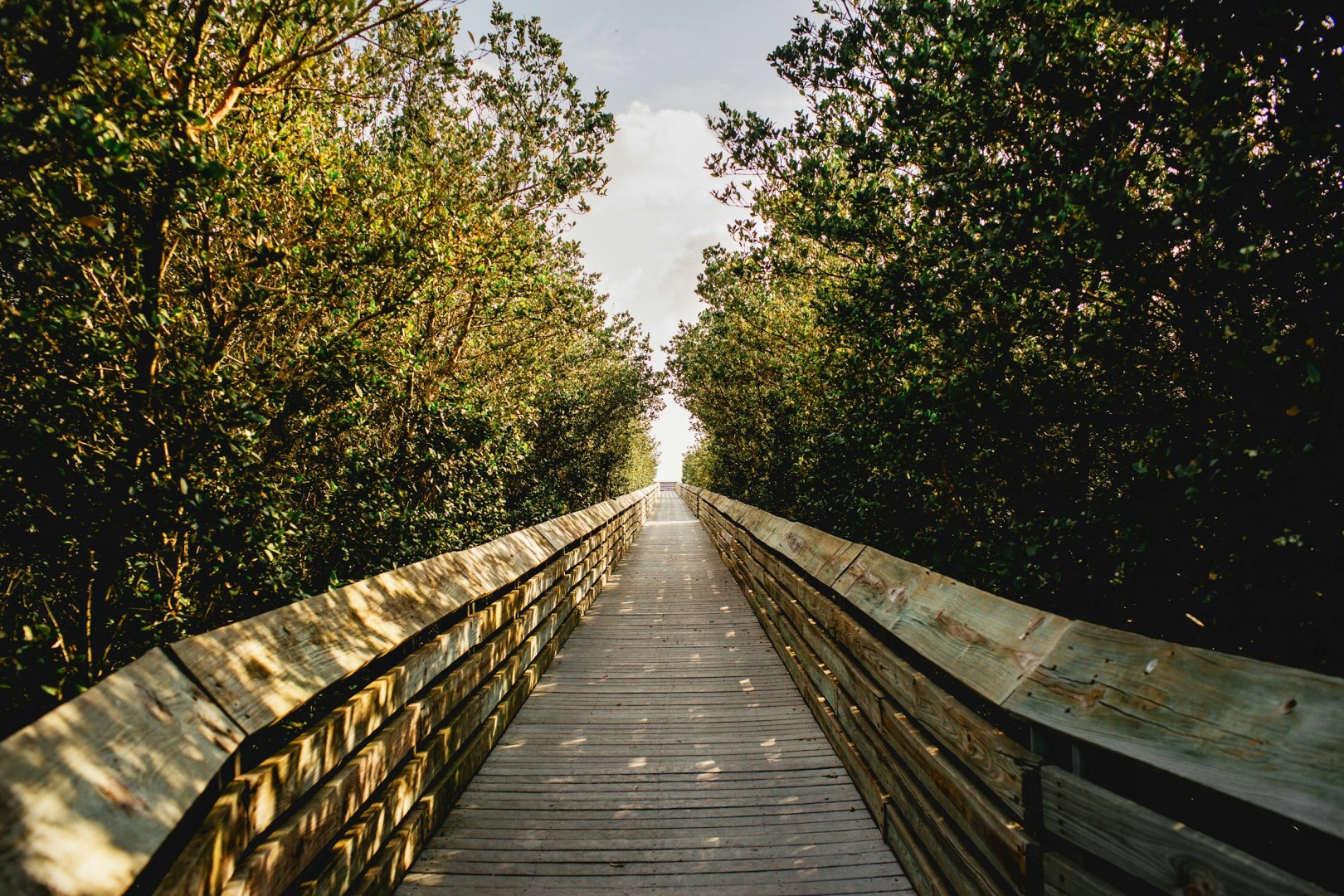
Padre Island
Padre Island is a long barrier island along the Texas Gulf Coast, extending beside the Gulf of Mexico from the Corpus Christi area toward the southern tip of Texas. Much of the island consists of broad beaches, coastal dunes, grasslands, tidal flats, and shallow lagoons. The northern section is closely associated with Corpus Christi, while South Padre Island is a developed resort community farther south.
