
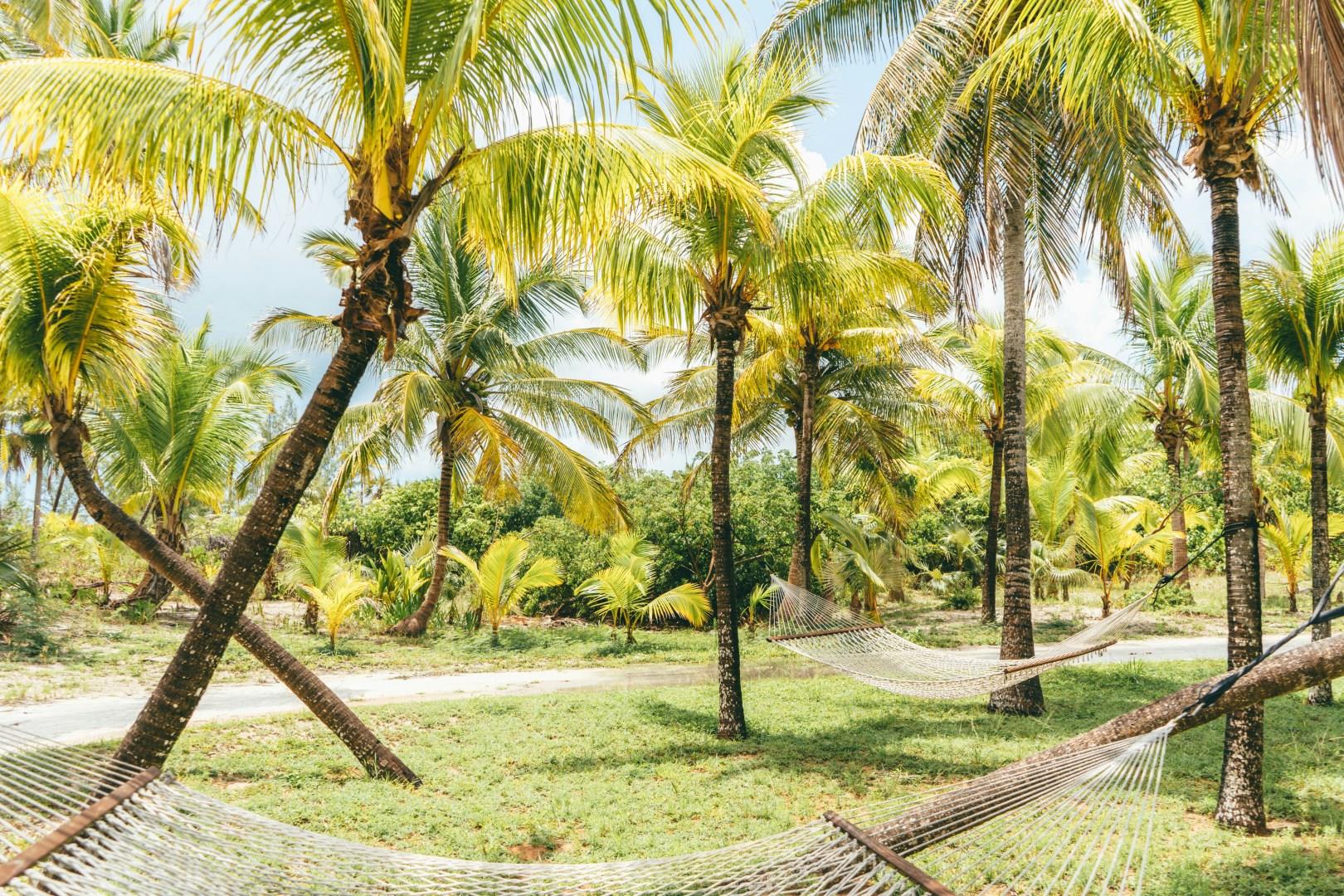
Eleuthera Island
Eleuthera Island, one of the gems of the Bahamas, is an enticing blend of natural beauty and laid-back charm. Known for its pink sand beaches and crystal-clear waters, this island stretches over 100 miles, offering visitors an intimate escape from the bustle of larger tourist destinations. A must-see for beach lovers is Harbour Island, just a short ferry ride away, where the famed Pink Sands Beach provides a stunning backdrop of pale rose-colored sand against the turquoise sea.
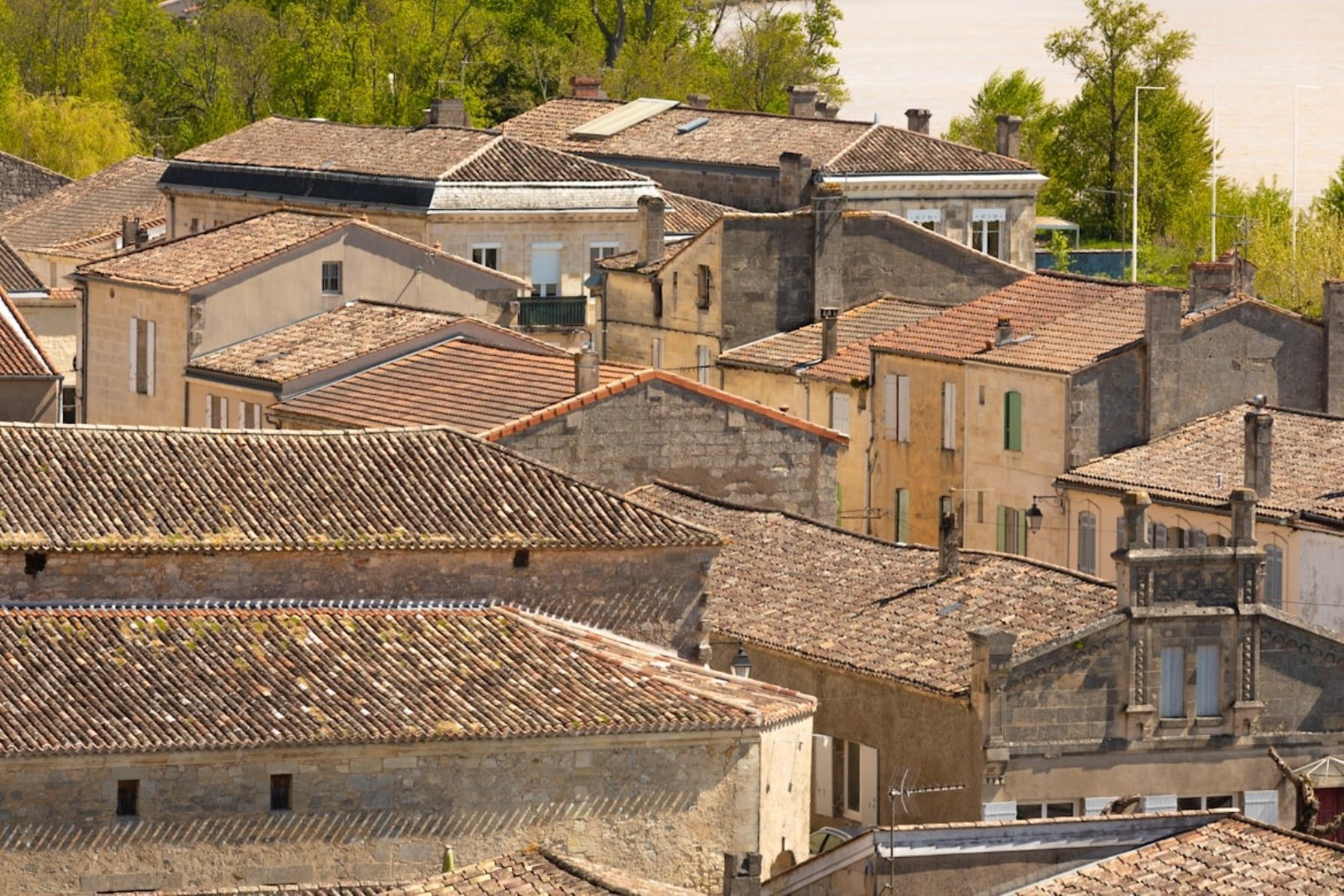
Bourg
Bourg is a small riverside town set along the Dordogne estuary in southwestern France. Its position above the water gives it a quiet but strategic presence, with stone houses rising along narrow lanes that lead toward the harbor. One of Bourg’s most intriguing features lies beneath its streets. Guided visits reveal hidden staircases, carved stone rooms, and cool corridors that offer a completely different perspective from the sunlit streets above.
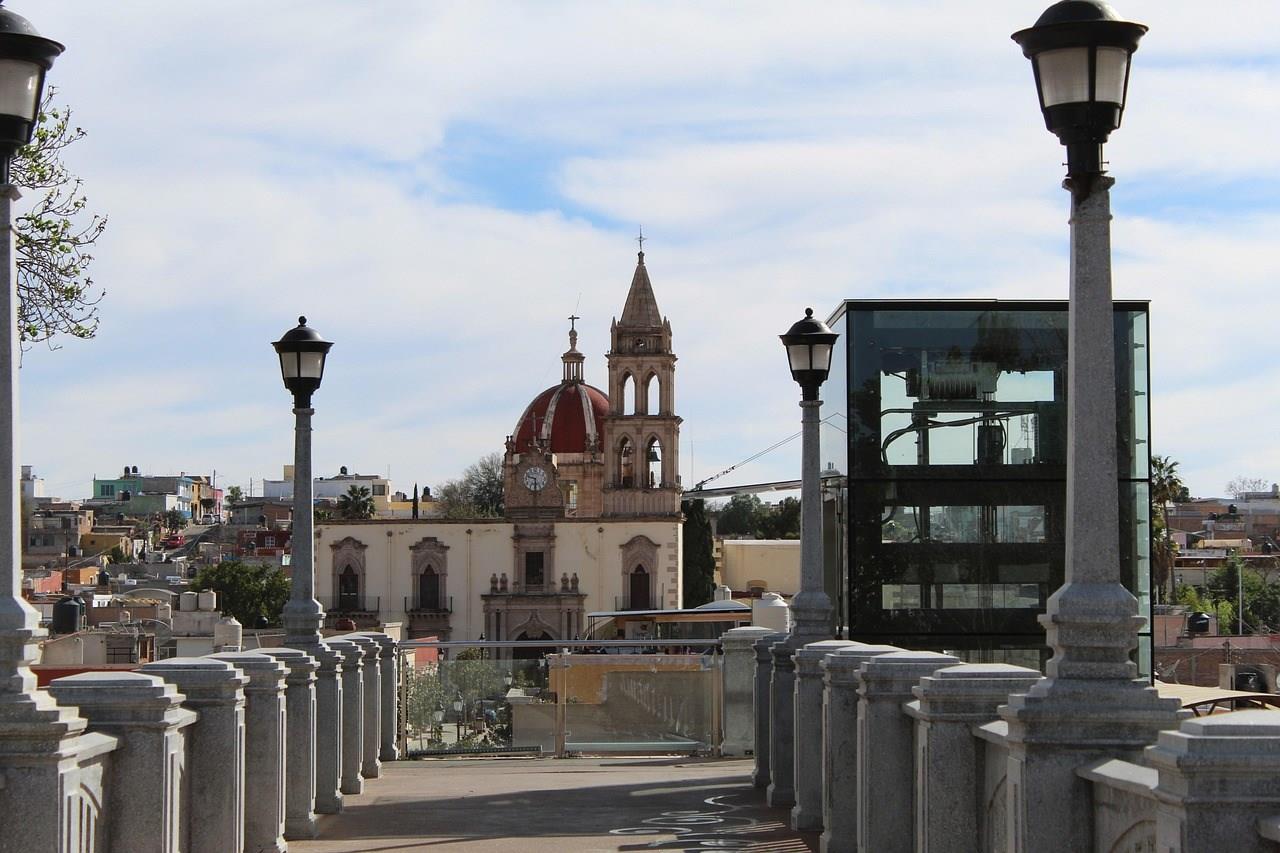
Durango
Victoria de Durango rises on a high plateau Mexico’s Sierra Madre Occidental, founded in 1563 by Francisco de Ibarra. Its streets trace layers of history: the historic center holds the most listed buildings in northern Mexico and remains a notable stop on the Camino Real de Tierra Adentro, now a UNESCO World Heritage route.

Lake Mburo National Park
Lake Mburo National Park is a protected area in southwestern Uganda, situated between Kampala and the western highlands. It is centered on a chain of lakes and a landscape of rolling hills, open grassland, woodland, wetlands, and rocky outcrops. Lake Mburo is the largest of the park’s lakes and forms an important part of its ecosystem.
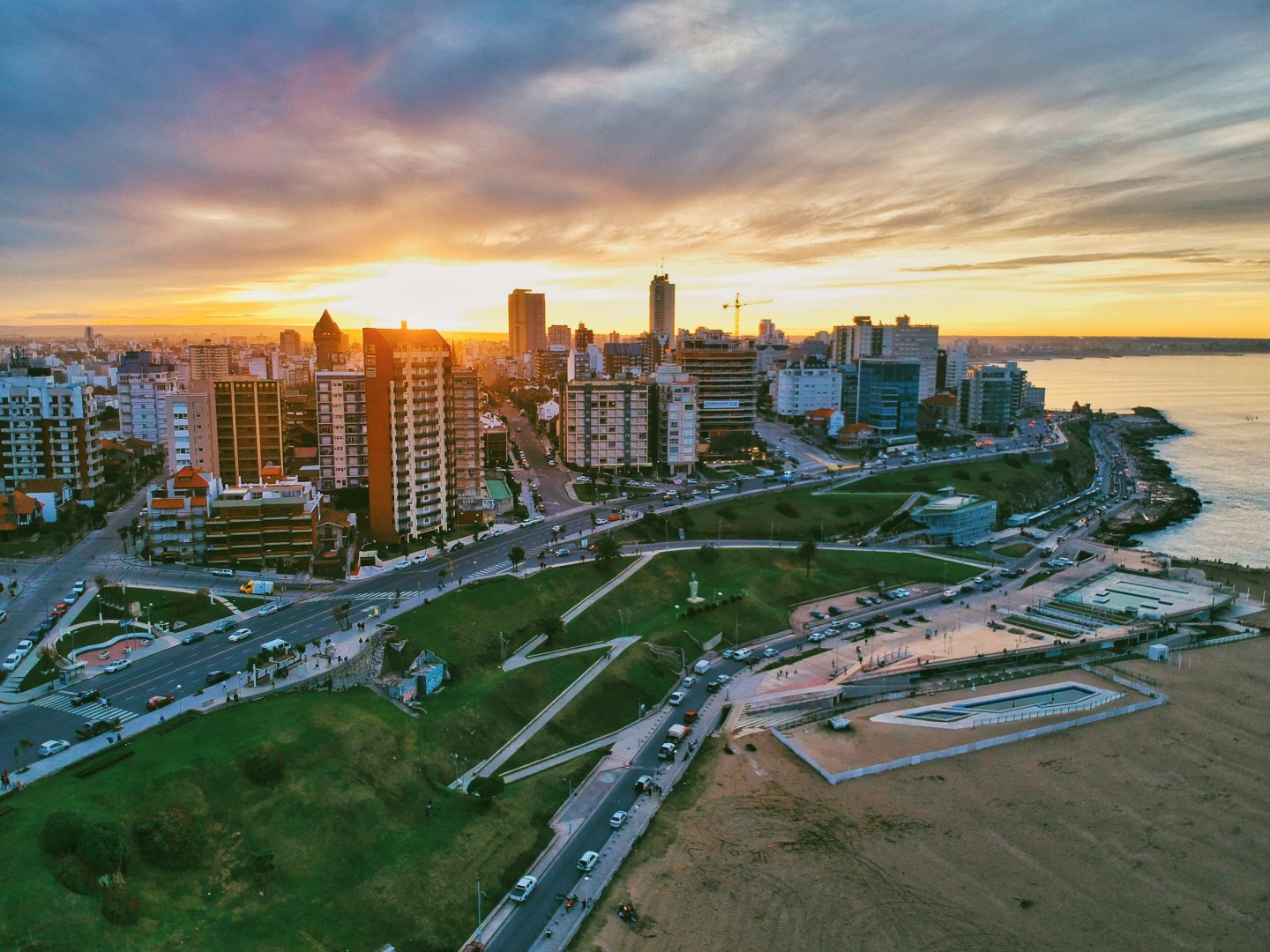
Mar Del Plata
If summer means the beach to the inhabitants of Greater Buenos Aires, Mar del Plata is most often the beach they are thinking of. Situated on the northern Atlantic coast, 400km from the capital, beaches in this area sprawl for eight km, with sophisticated mansions (reflecting the area's upper-class origins) mingling with the new middle-class resorts. Sea lions keep an eye on the fishing activities around the wharves, and a replica of the grotto of Lourdes is a kitsch paradise.
