
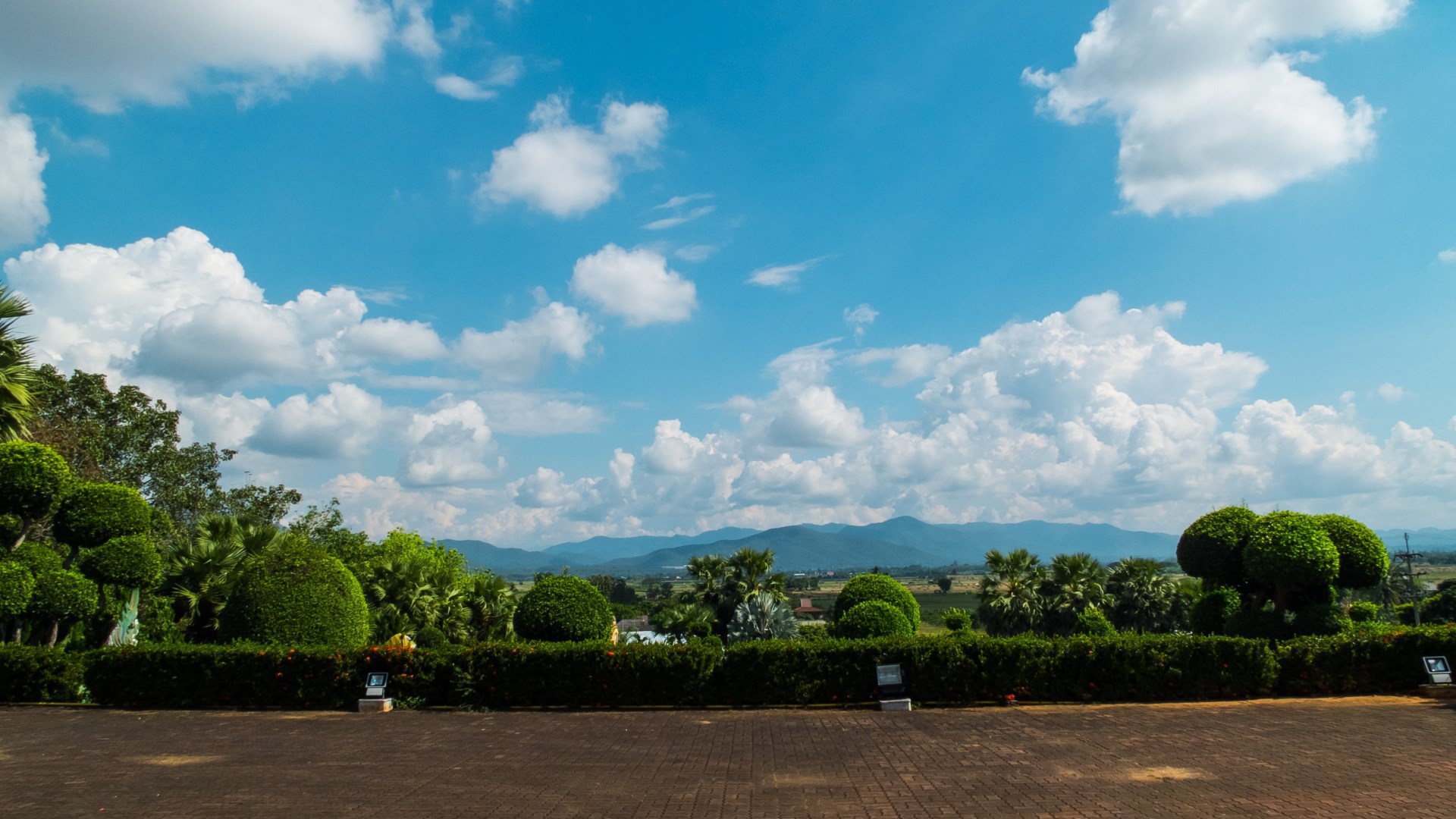
Mae Taeng
Set in the lush northern hills of Mae Taeng, Chiang Mai Province, Thailand, this district offers a quieter gateway into Thailand’s countryside. Just beyond the bustle of Chiang Mai, the landscape shifts into rolling mountains, dense forests, and winding rivers. The Mae Taeng River flows steadily through the valley, shaping both the scenery and daily life.
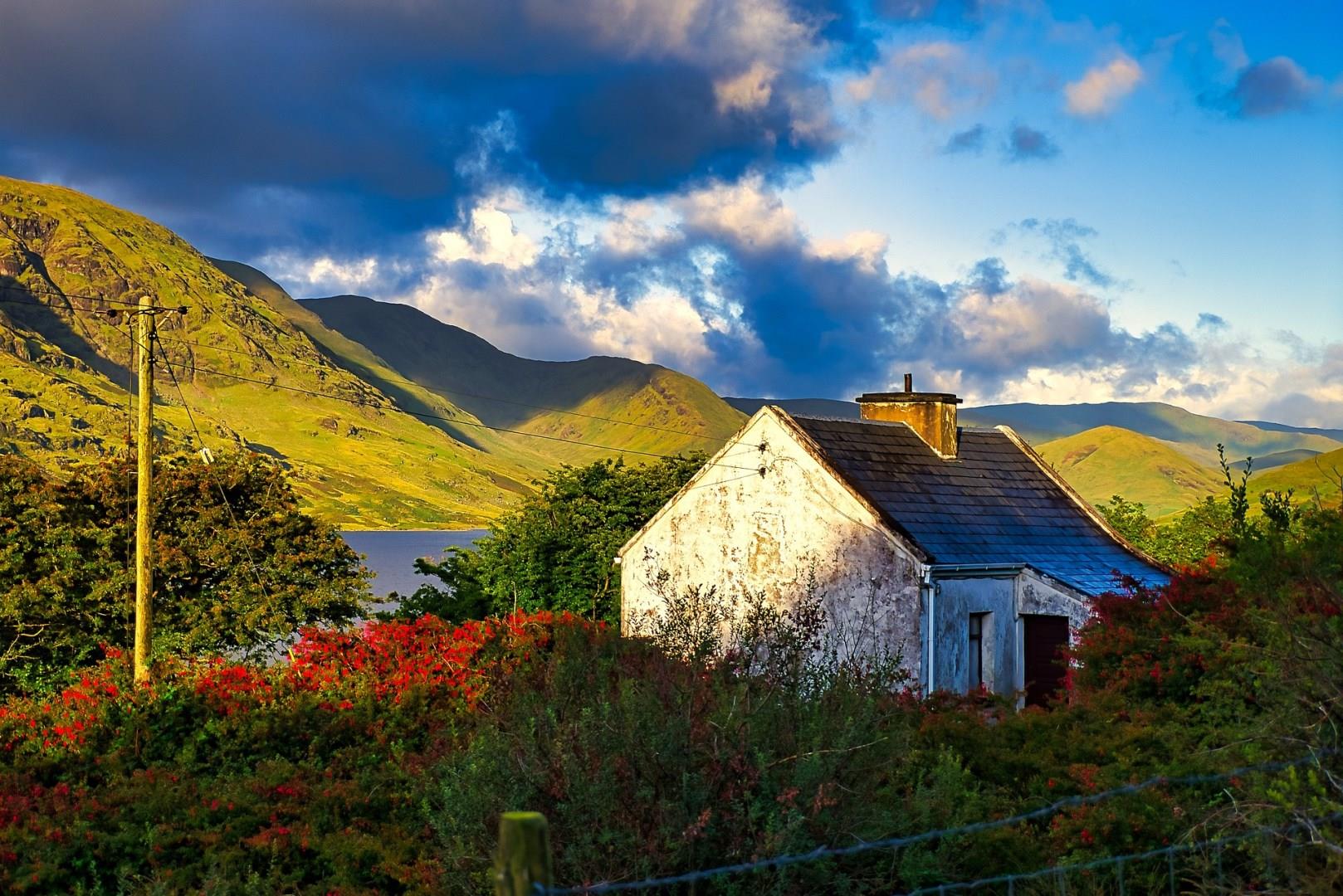
Connemara
Connemara, on Ireland’s rugged west coast in County Galway, is a region defined by its untamed landscapes, Gaelic traditions, and tranquil pace of life. Known for its windswept boglands, heather-covered hills, and granite mountains, Connemara feels both remote and deeply authentic, a place where Irish language and culture remain vibrant. The area has long inspired artists and writers drawn to its wild beauty and poetic solitude.
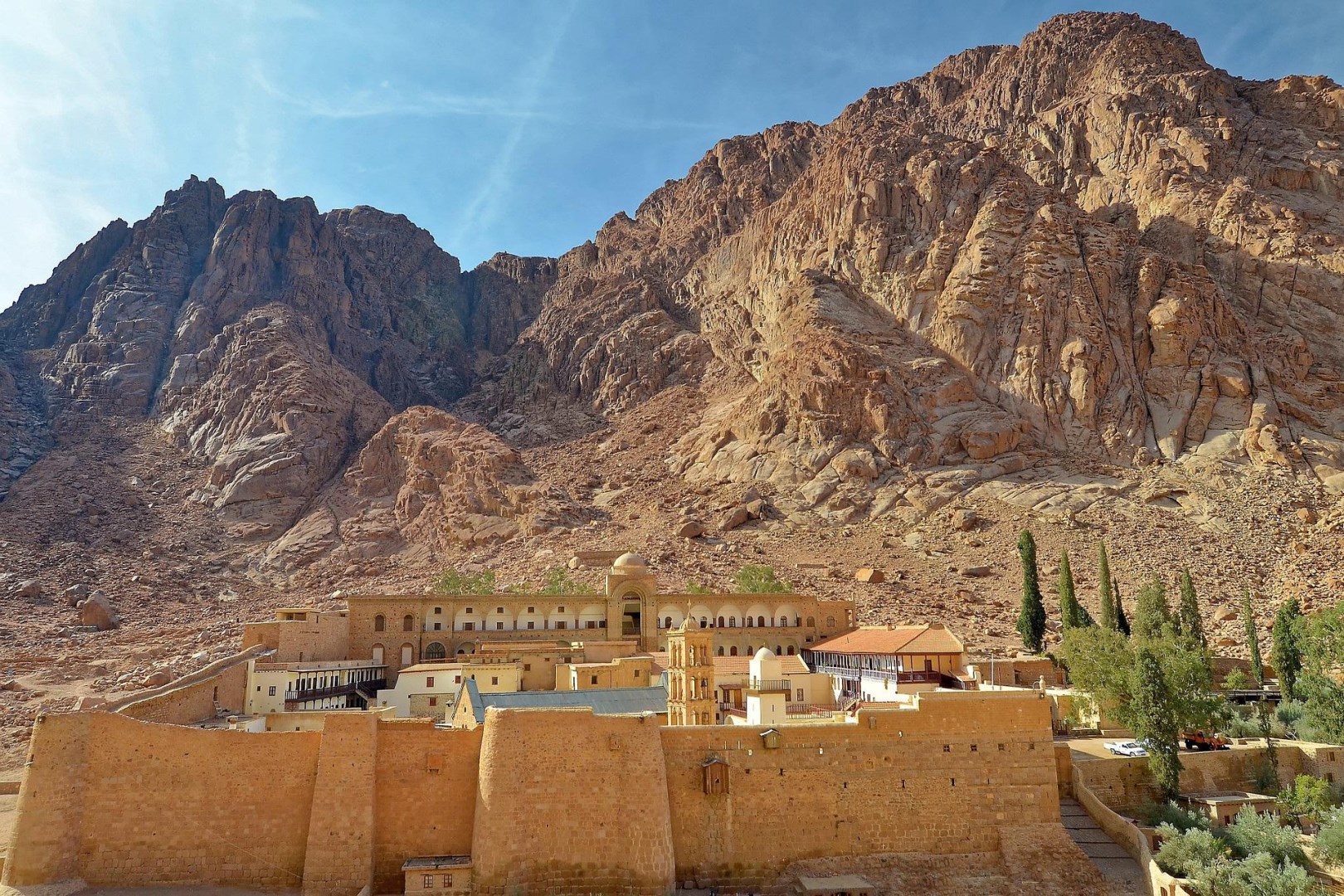
St. Catherine's Monastery
St. Catherine's Monastery, nestled at the foot of Mount Sinai in Egypt, is a beacon of historical and spiritual significance. Founded in the 6th century by Emperor Justinian, this ancient monastery is one of the world's oldest continuously operating Christian monasteries and is a UNESCO World Heritage Site.
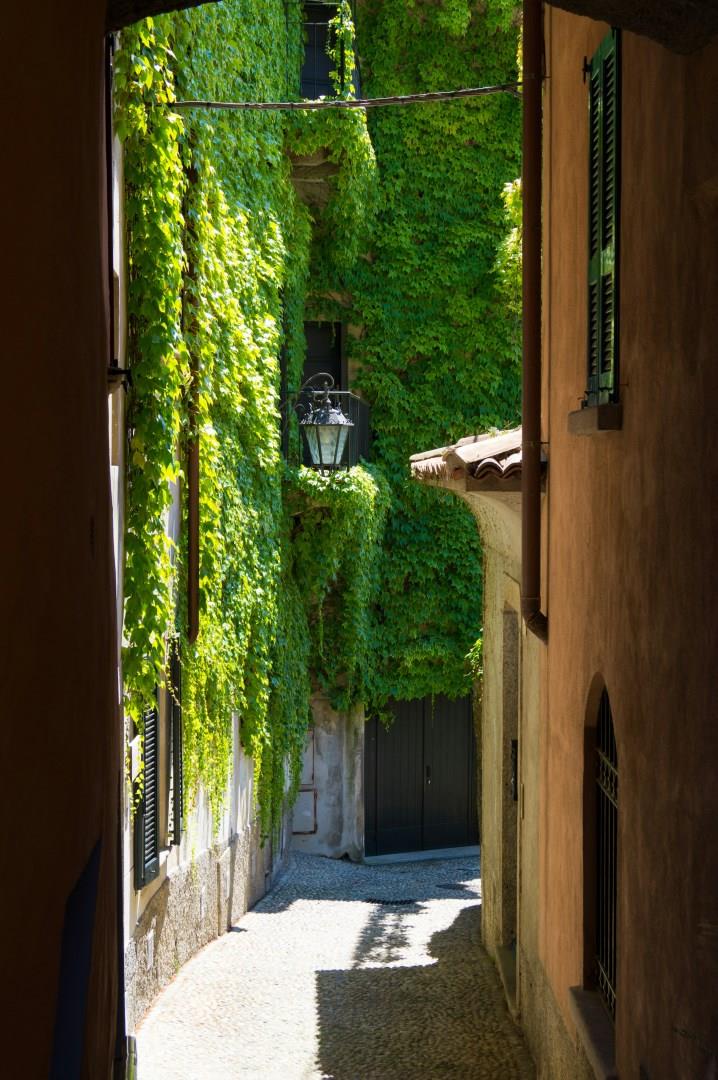
Bellagio
Perched at the meeting point of Lake Como’s three branches, Bellagio is often called the “Pearl of Lake Como” for its spectacular setting and timeless elegance. This Italian village has been a retreat for centuries, drawing poets, aristocrats, and travelers alike with its harmonious blend of natural beauty, refined architecture, and relaxed sophistication.
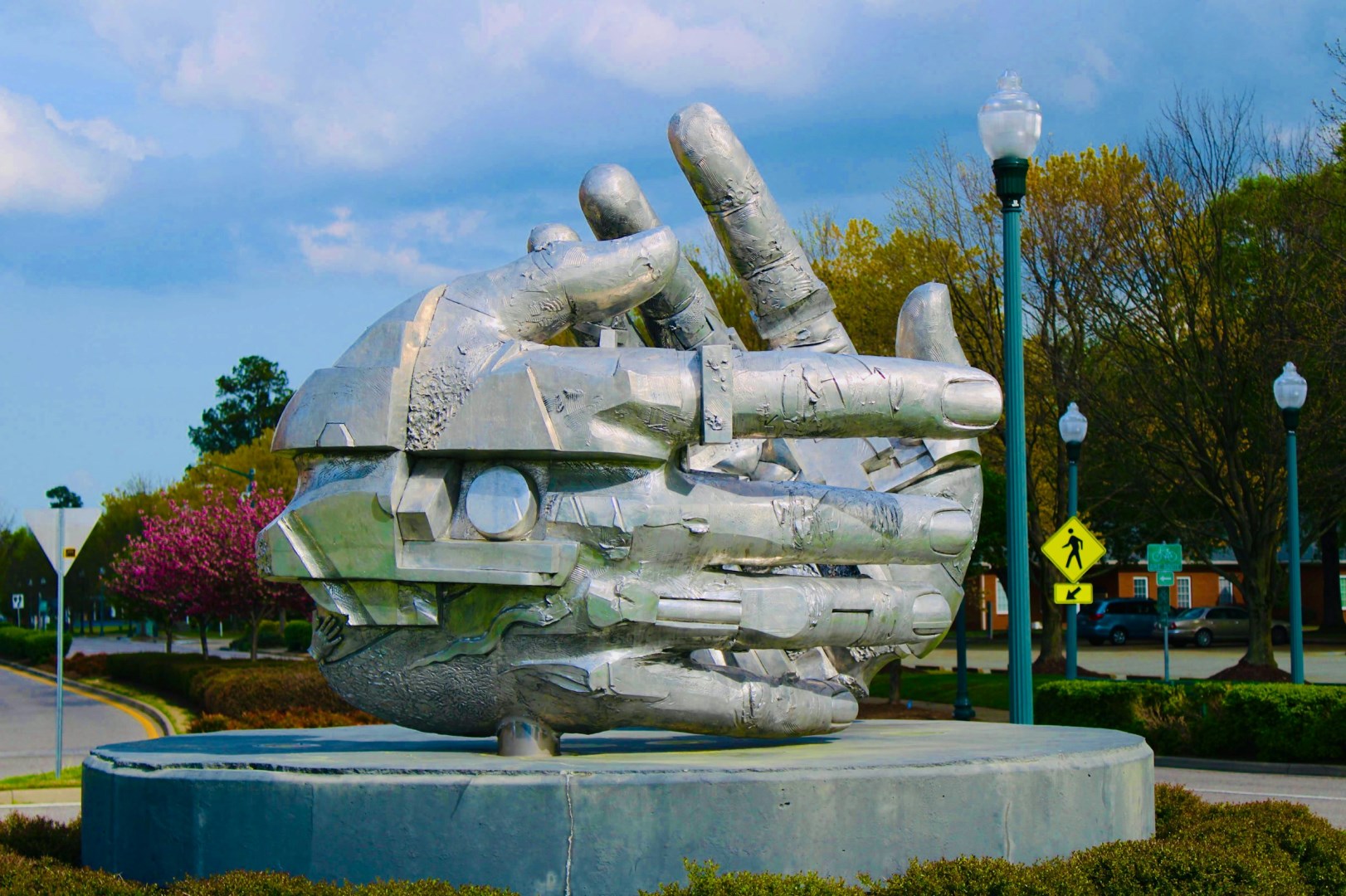
Newport News
Newport News, independent industrial city, southeastern Virginia, at the mouth of the James River; incorporated as a city 1896. With nearby harbors it forms the Port of Hampton Roads, one of the principal commercial ports in the U.S.
