
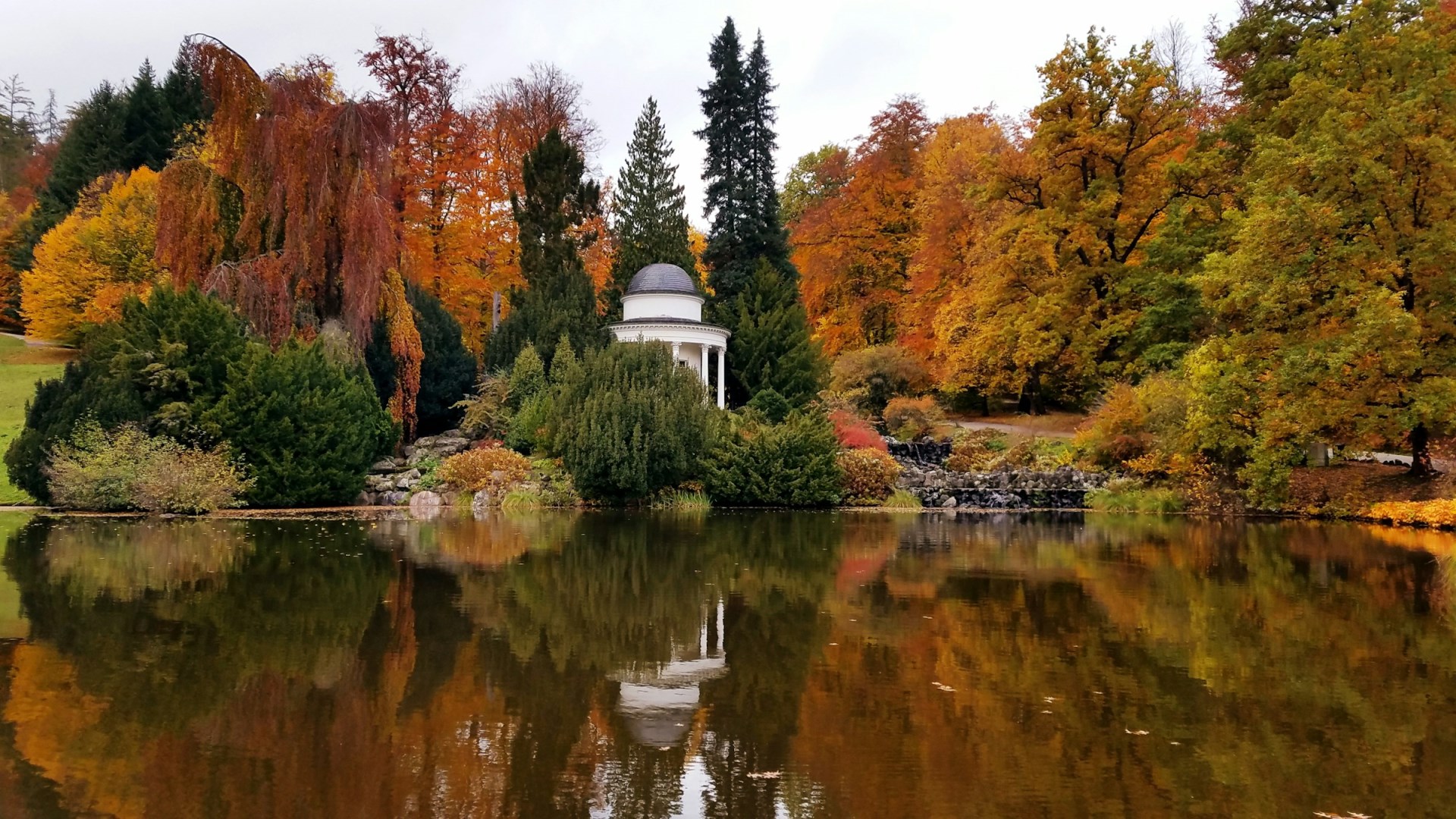
Kassel
Nearly 80% of the city was destroyed in WWII. It is now known for its many museums, including the Museum of Tapestry, the Brothers Grimm Museum and Fredericianum Museum.
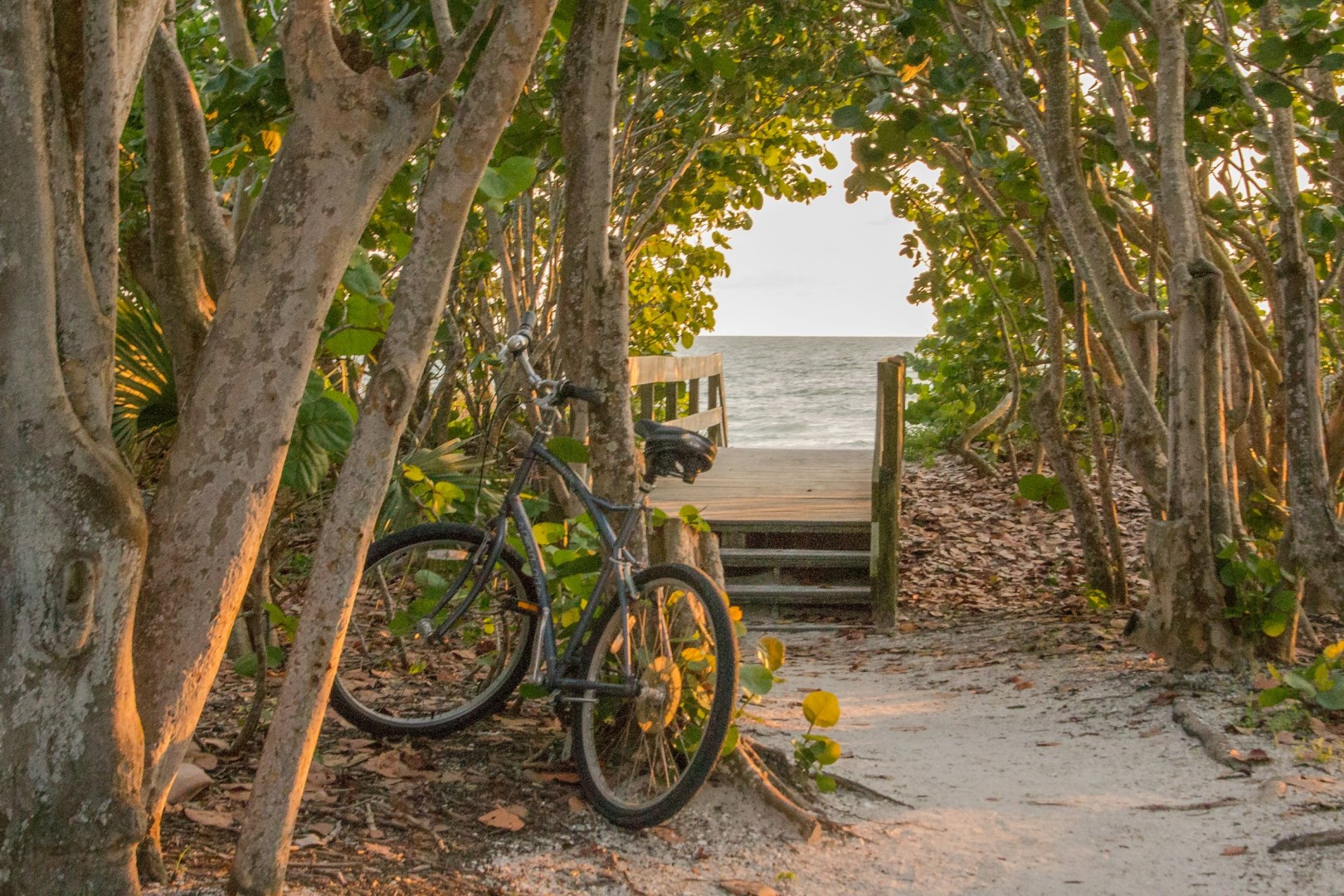
Sanibel Island
Half of the land on Sanibel island is designated as natural areas with two preserves protecting the island ecology and wildlife, while the other half offers resort and glistening beaches.

Coromandel Peninsula
The Coromandel Peninsula on New Zealand’s North Island is a place where coastline and culture come alive in ways that stay with visitors long after they’ve left. Stretching for about 110 kilometers between the Hauraki Gulf and the Bay of Plenty, this region has deep roots that go back to the arrival of Māori long before Europeans stepped ashore.
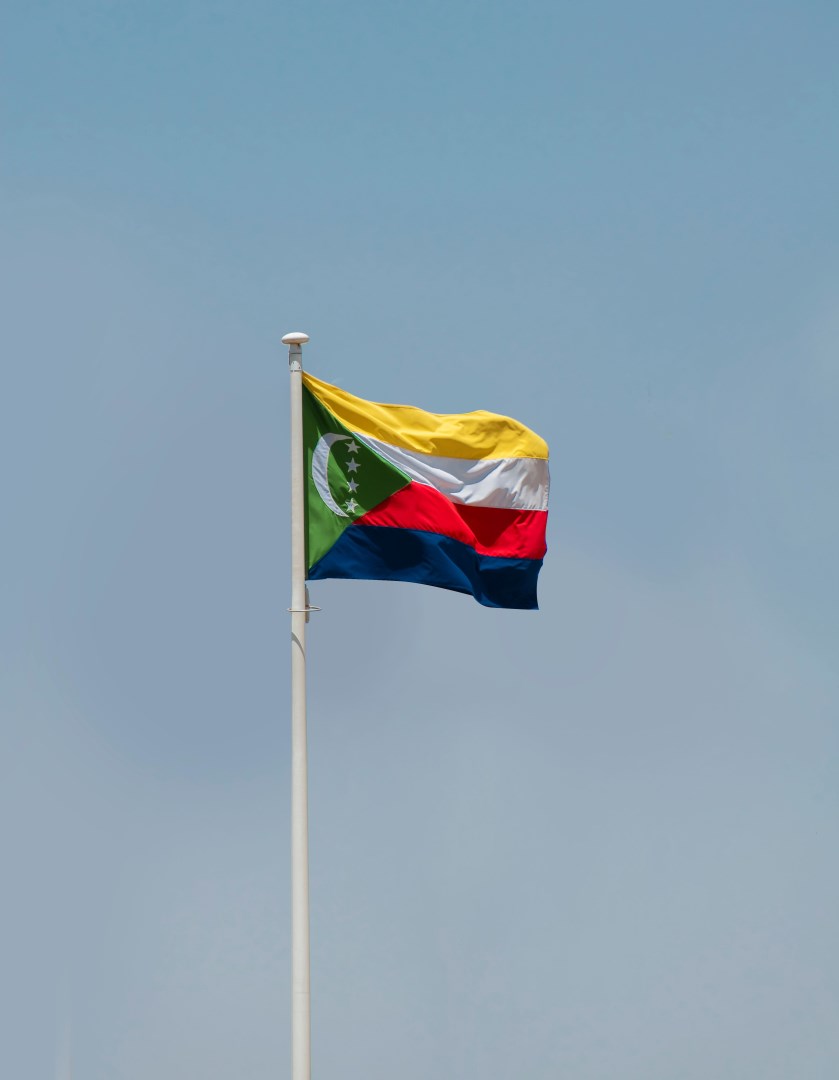
Comoros
Comoros, independent state comprising a group of islands located at the northern entrance of the Mozambique Channel, between the African mainland and the island of Madagascar. Officially called the Federal Islamic Republic of the Comoros, the archipelago includes four major islands.
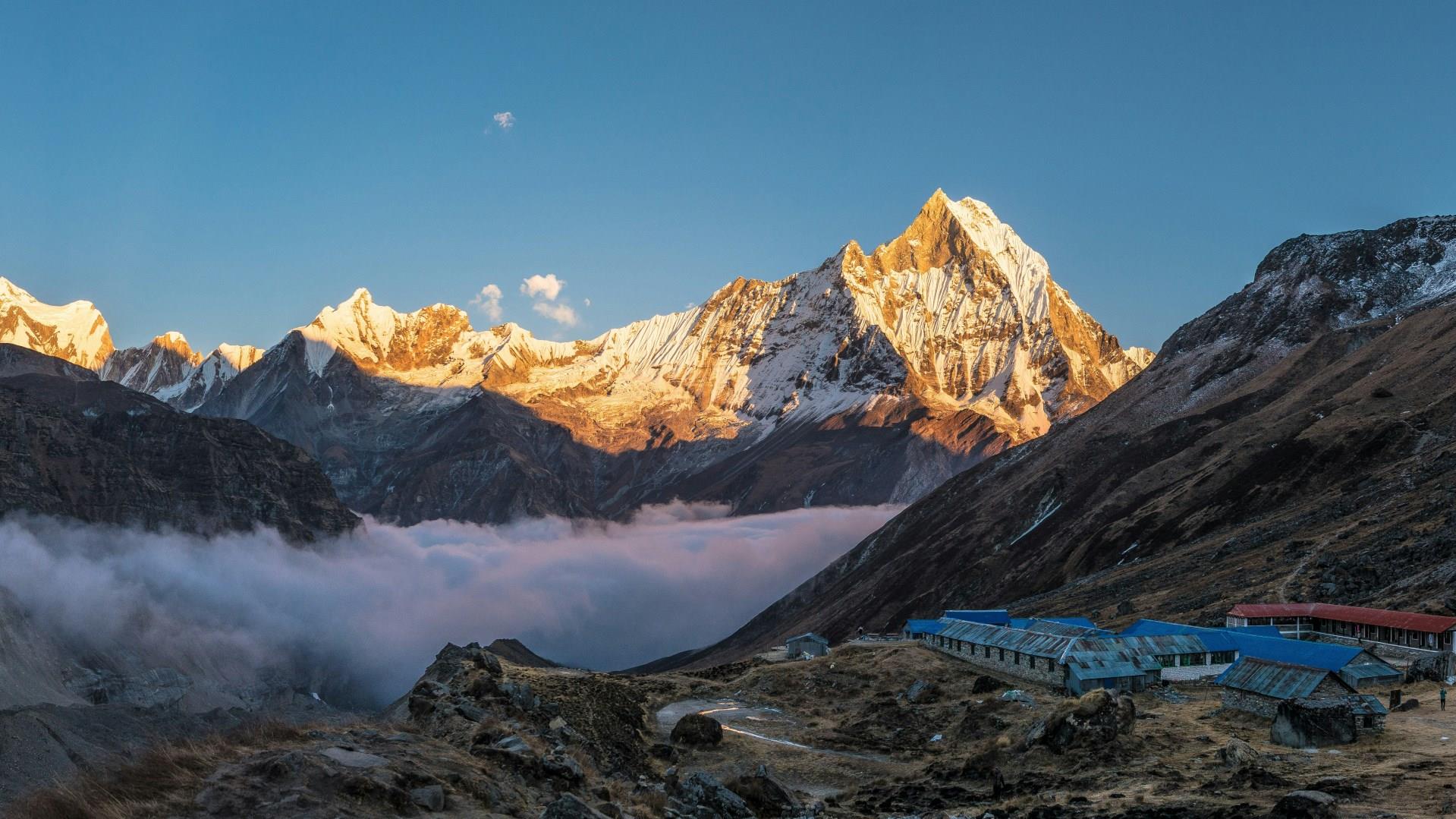
Annapurna
The Annapurna region of central Nepal is defined by both cultural depth and extreme topography. Home to a wide range of ethnic communities, including Gurung, Thakali, and Manangi peoples, the area has long been shaped by trans-Himalayan trade routes and mountain agriculture.
