
Islamabad
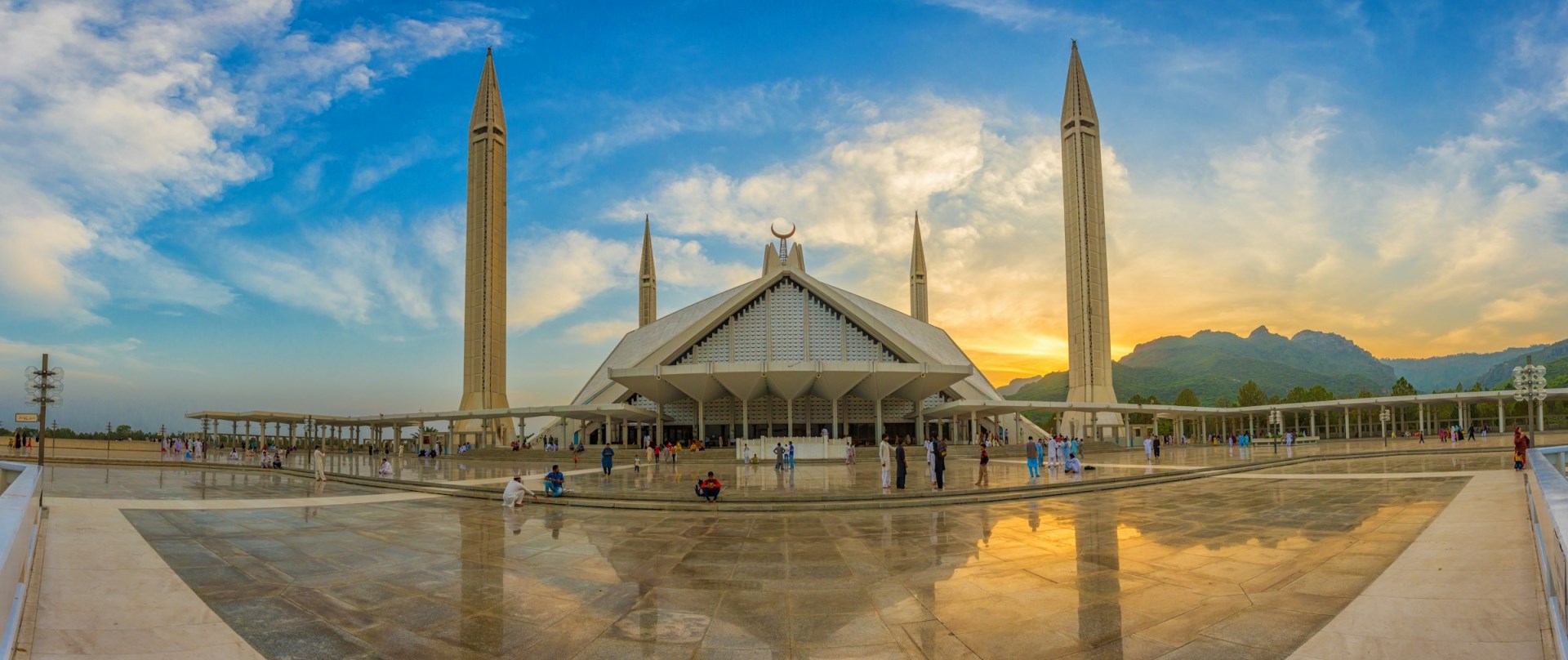
Islamabad is the capital of Pakistan, set against the wooded slopes of the Margalla Hills in the north of the country. Planned as a purpose-built capital, the city is organized around broad avenues, landscaped sectors, parks, and green belts, giving it a different character from Pakistan’s older cities. The Faisal Mosque is its most recognizable landmark, with its tent-shaped design and prominent position beneath the hills.
St. Andrews
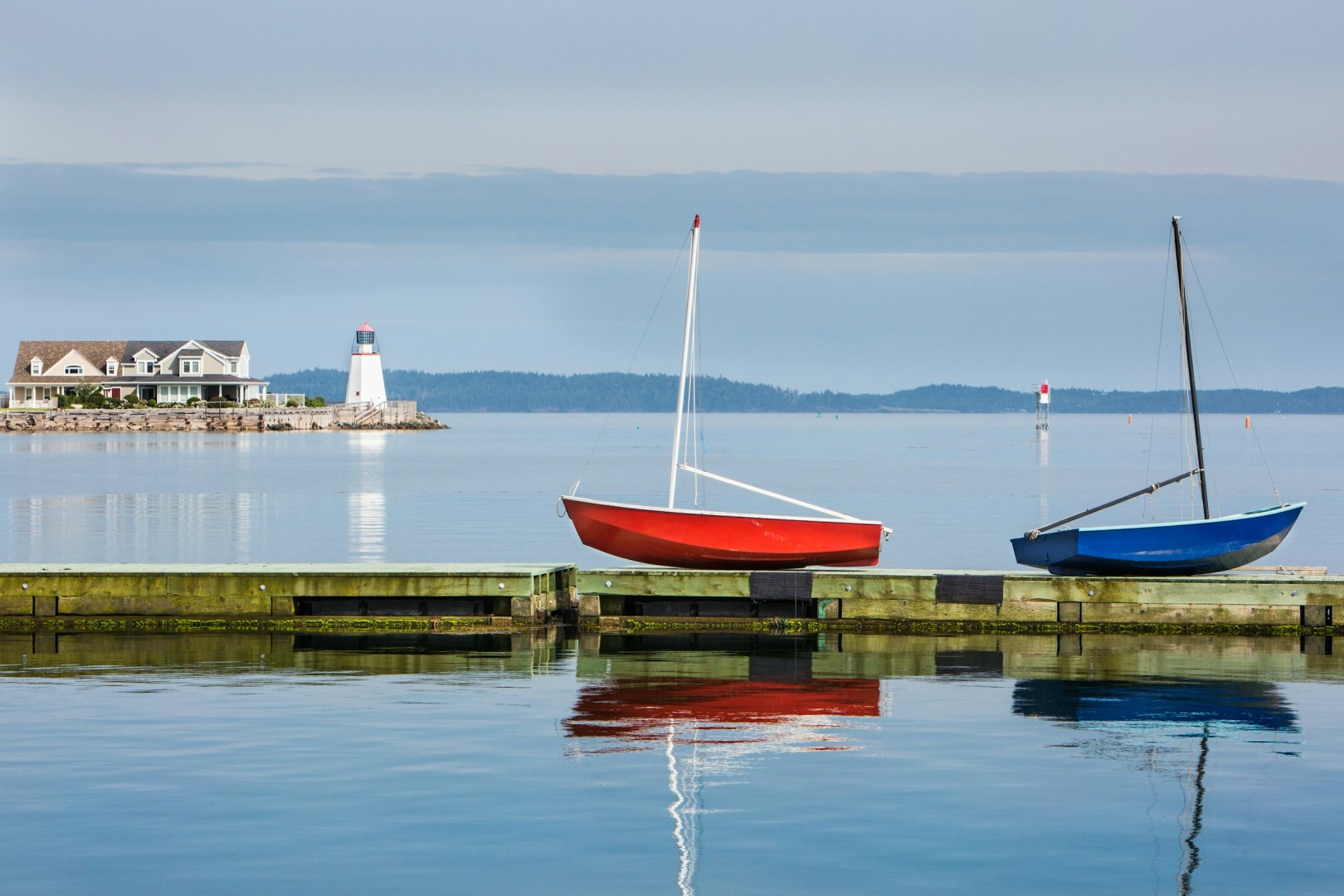
Surrounded by Passamaquoddy Bay, St. Andrews' relaxed pace can be linked to the rhythm of powerful tides that can rise over 28 feet. The intertidal zone is an ever-changing landscape that nourishes a rich diversity of marine creatures. A guided walk over the tidal flats will prepare you to explore the area's many coves and islands.
East and Southeast Asia
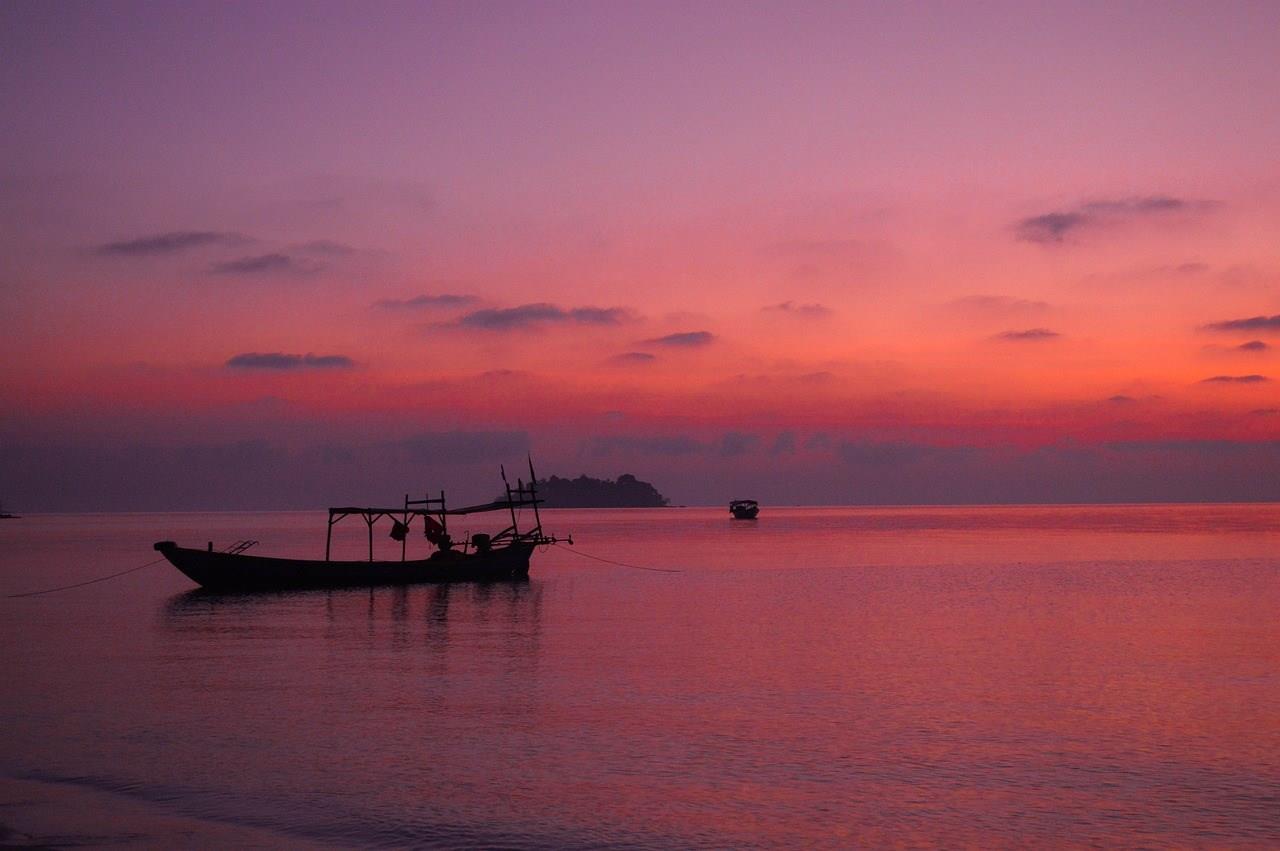
East and Southeast Asia encompass a vast and diverse region, stretching from the towering peaks of the Himalayas to the turquoise waters of the South China Sea. This area is home to some of the world’s most vibrant cities, tranquil rural landscapes, and a rich blend of traditions.
Yasuni National Park
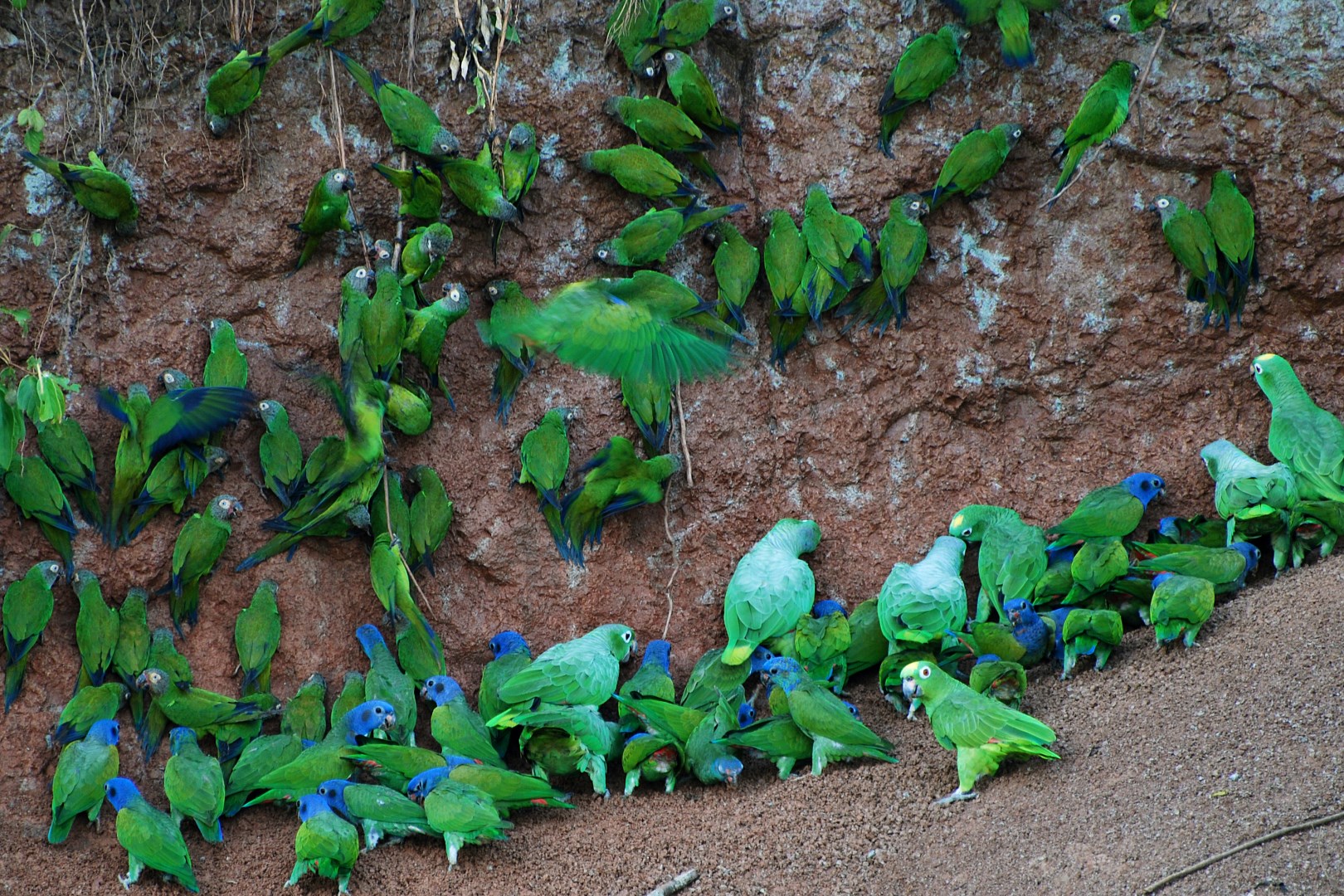
Yasuní National Park lies in Ecuador’s Amazon region, between the Napo and Curaray rivers, and protects one of the country’s largest areas of lowland rainforest. The park contains dense tropical forest, rivers, lagoons, swamps, and seasonally flooded areas, creating a wide range of habitats. Its location near the equator and its varied terrain support exceptionally high biological diversity.
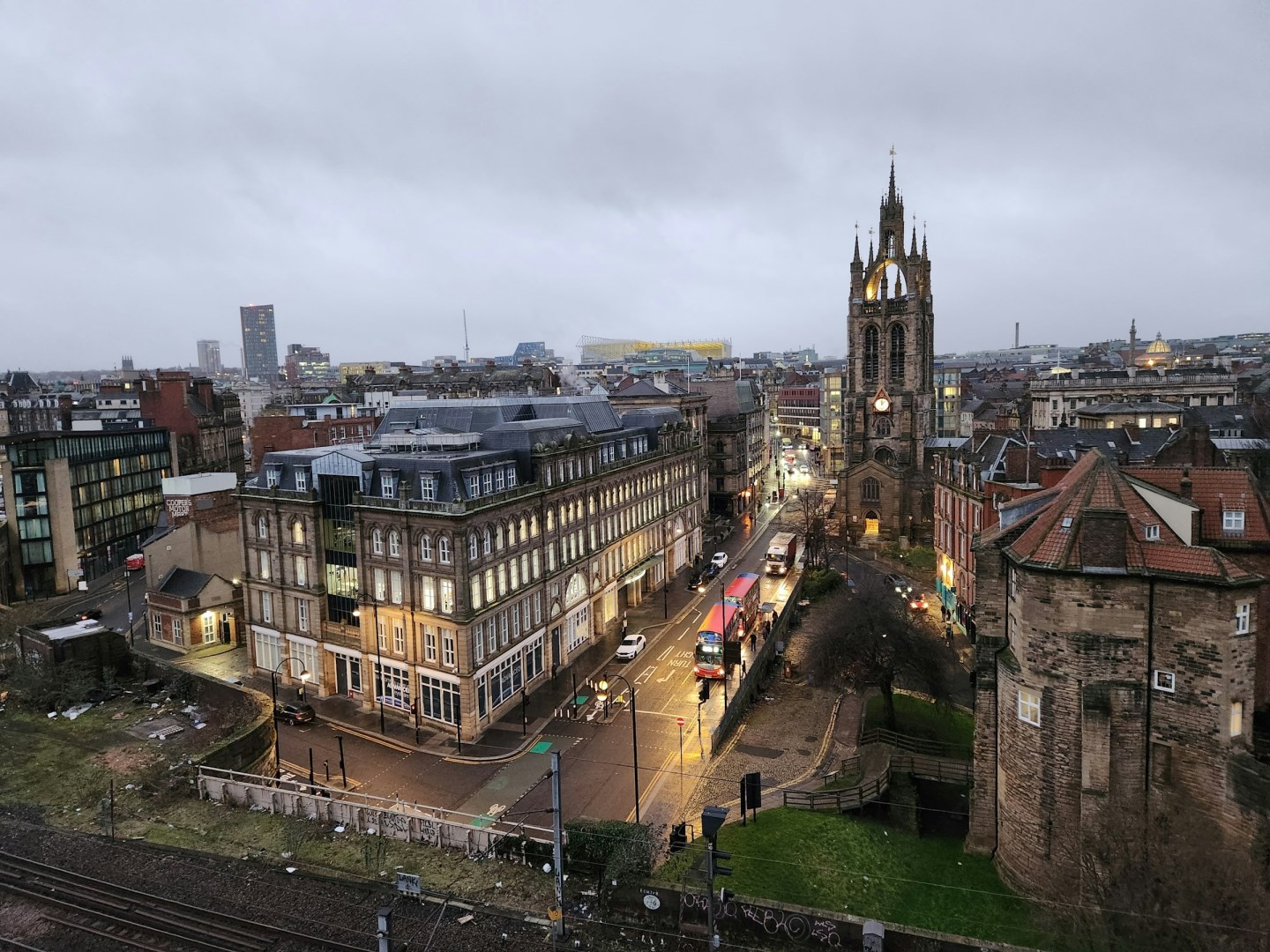
Newcastle
There's nowhere else like it in Britain. Once you reach Newcastle you know you've arrived. By road or rail - all at once everything drops from view except the Tyne Bridge. An impressive sight, the bridge is the symbol of Newcastle the world over.
