
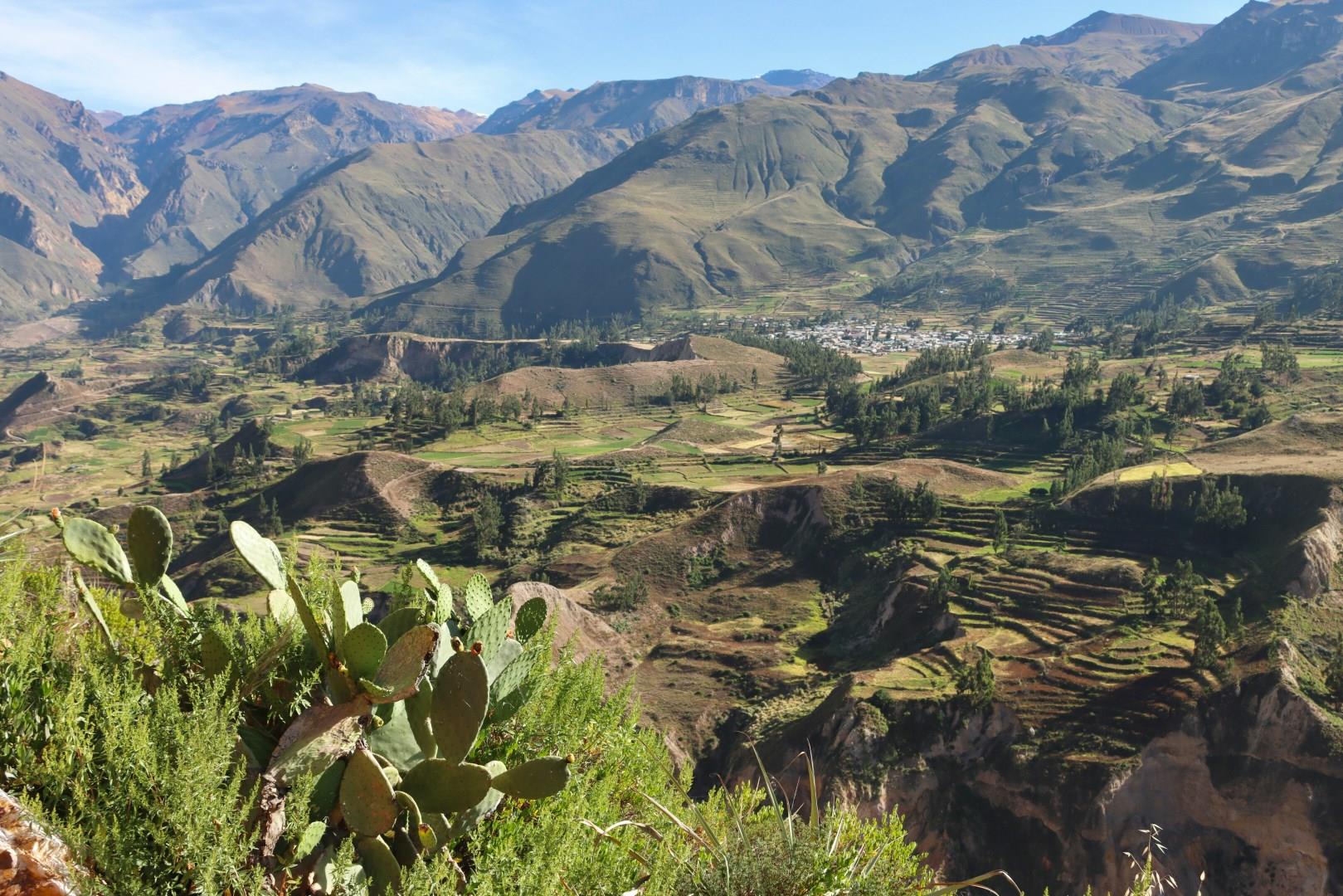
Colca Canyon
Colca Canyon, located in southern Peru’s Arequipa region, is one of the deepest canyons in the world, twice as deep as the Grand Canyon in some areas. What makes it stand out even more is how human settlements have coexisted with the landscape for centuries. Along its walls, pre-Inca agricultural terraces still hold crops like corn and quinoa. One of the main draws of the canyon is the opportunity to see Andean condors in flight.

Kalamata
Kalamata is a coastal city in the southwestern Peloponnese, set at the head of the Messinian Gulf beneath the slopes of Mount Taygetos. Its long waterfront includes sandy beaches, cafés, restaurants, and walking areas, while the city center contains pedestrian streets, neoclassical buildings, churches, and lively squares. Kalamata serves as the administrative and commercial center of Messinia and provides a useful base for exploring the wider region.
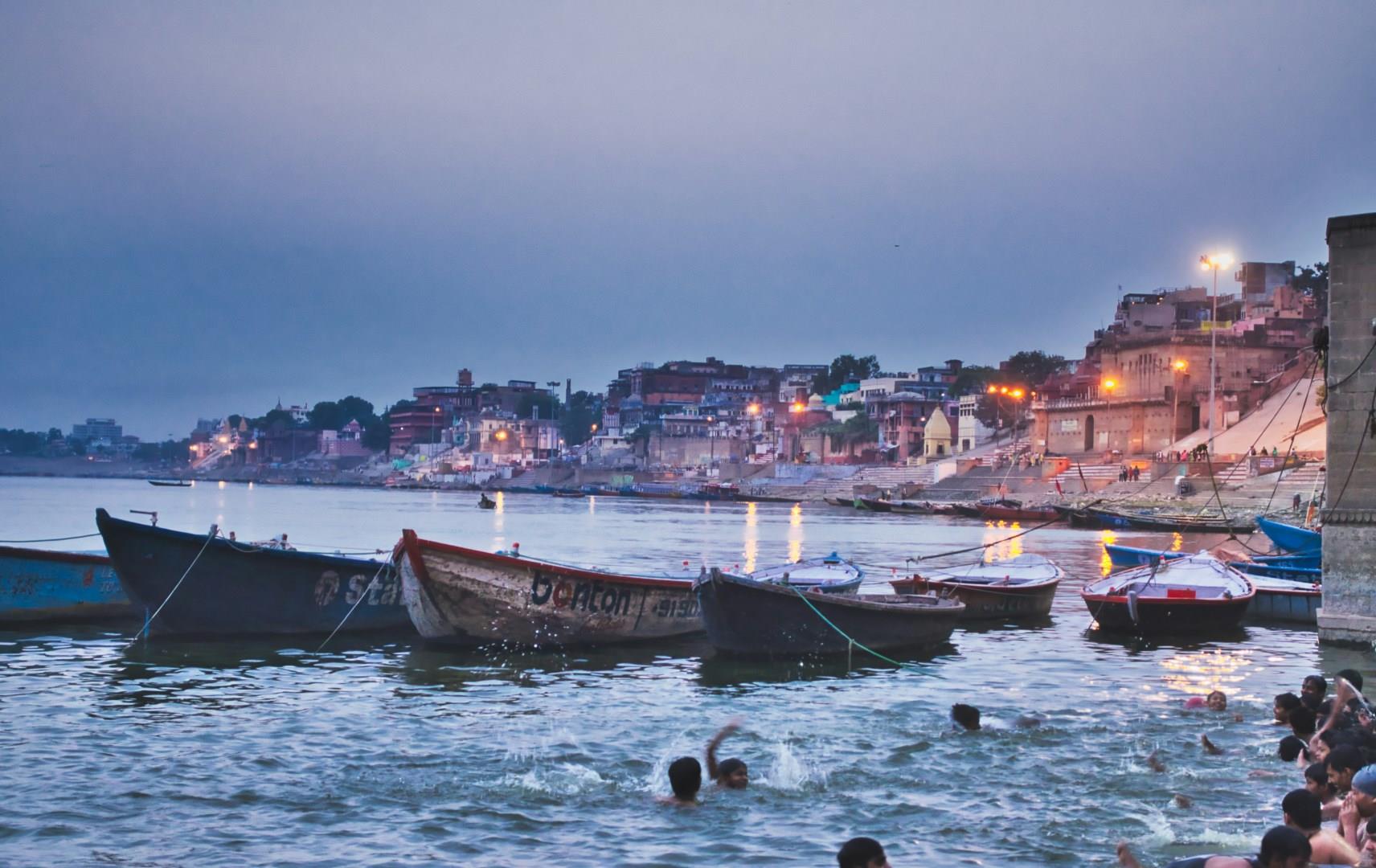
Varanasi
Varanasi sits along the sacred Ganges River in northern India as one of the oldest continuously inhabited cities in the world. It is a place where daily life and rituals flow together on the long stone steps called ghats that reach down to the water. Visitors often rise early for a sunrise boat ride, watching as light spreads across the river and pilgrims make gentle offerings to the water.

Nuku Hiva Island
Nuku Hiva is the largest of the Marquesas Islands in French Polynesia, a place where scale and isolation shape both history and daily life. Long before European contact, the island supported complex Marquesan societies known for stone architecture, tattoo traditions, and ceremonial sites, many of which remain scattered across its valleys.
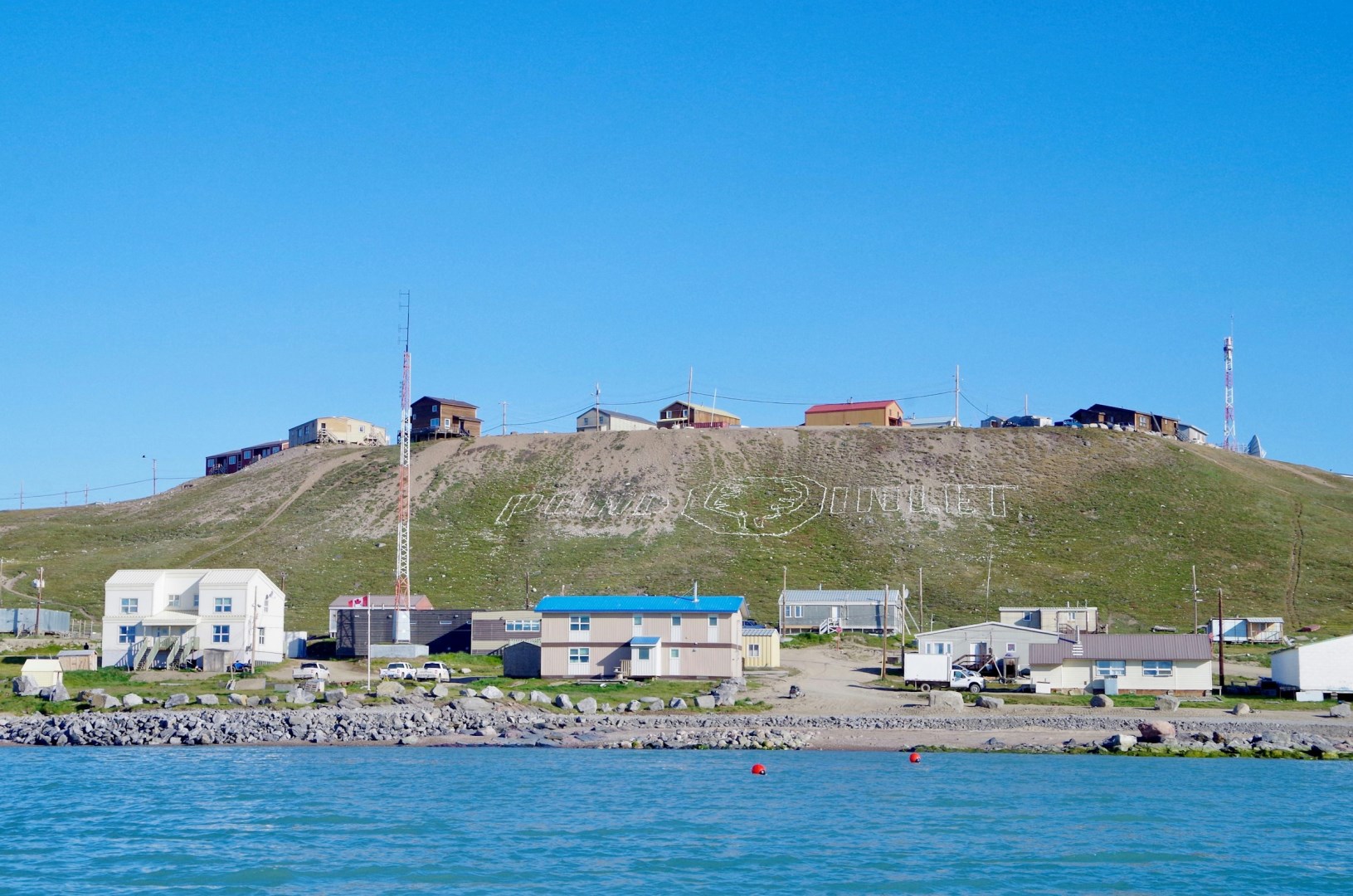
Pond Inlet
Pond Inlet is an Inuit community on the northern coast of Baffin Island in Nunavut, positioned beside Eclipse Sound and surrounded by rugged mountains, rocky islands, and Arctic tundra. The community is known in Inuktitut as Mittimatalik, a name associated with the area's traditional Inuit identity.
