

Nelson
Nelson sits along the West Arm of Kootenay Lake in southeastern British Columbia, embraced by the rugged peaks of the Selkirk Mountains and threaded with over 350 heritage buildings that tell the story of its silver-rush beginnings. A short trip outside town leads to spots like the Salmo–Troup Rail Trail, a wide, gentle path that follows an old rail line for kilometers through forest and alongside rivers.
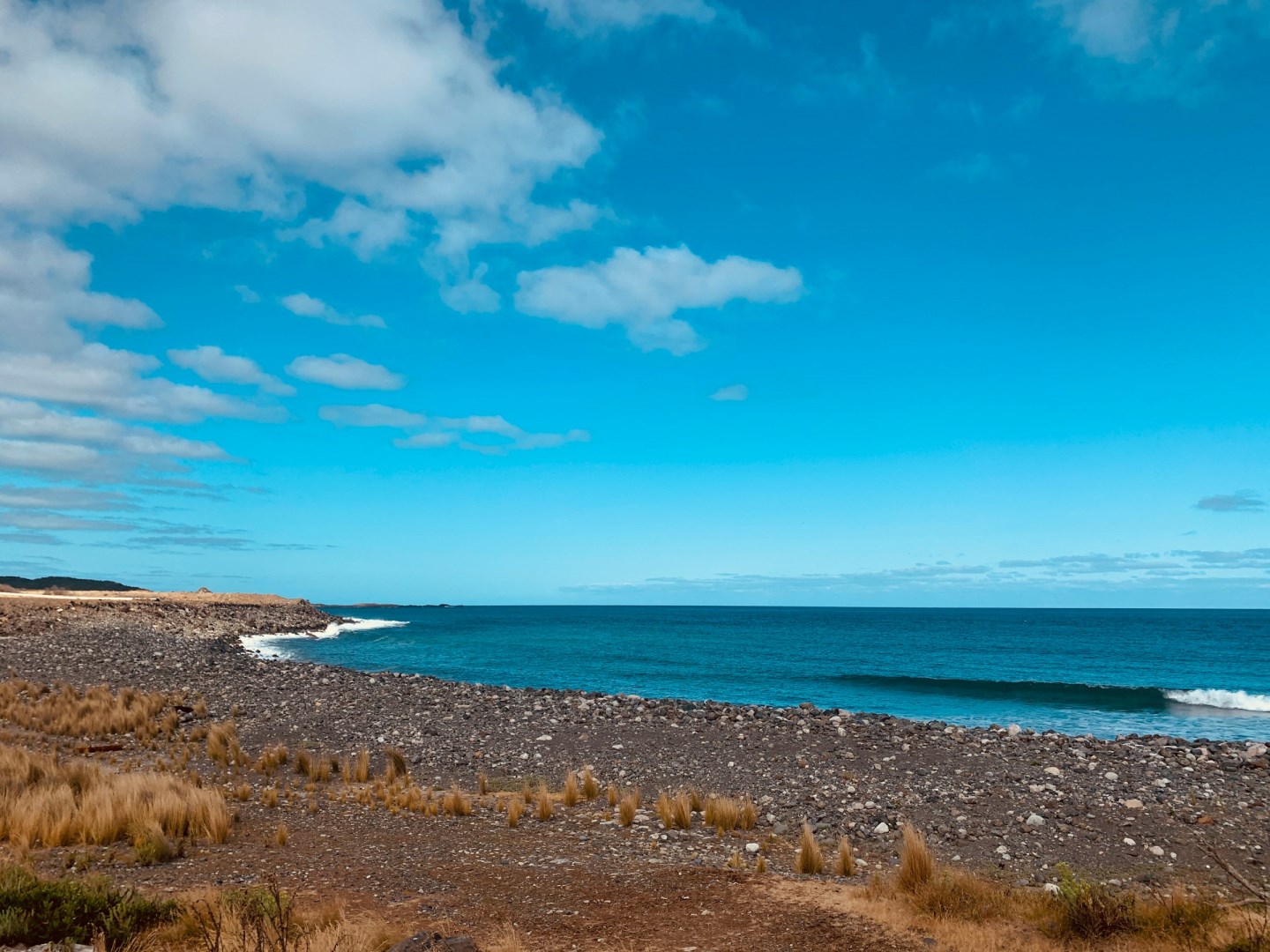
King Island Tasmania
King Island was discovered in 1798, and was a preferred breeding area for sea elephants and seals. Around the island are many shipwrecks, caused by the rough seas of the Bass Strait.
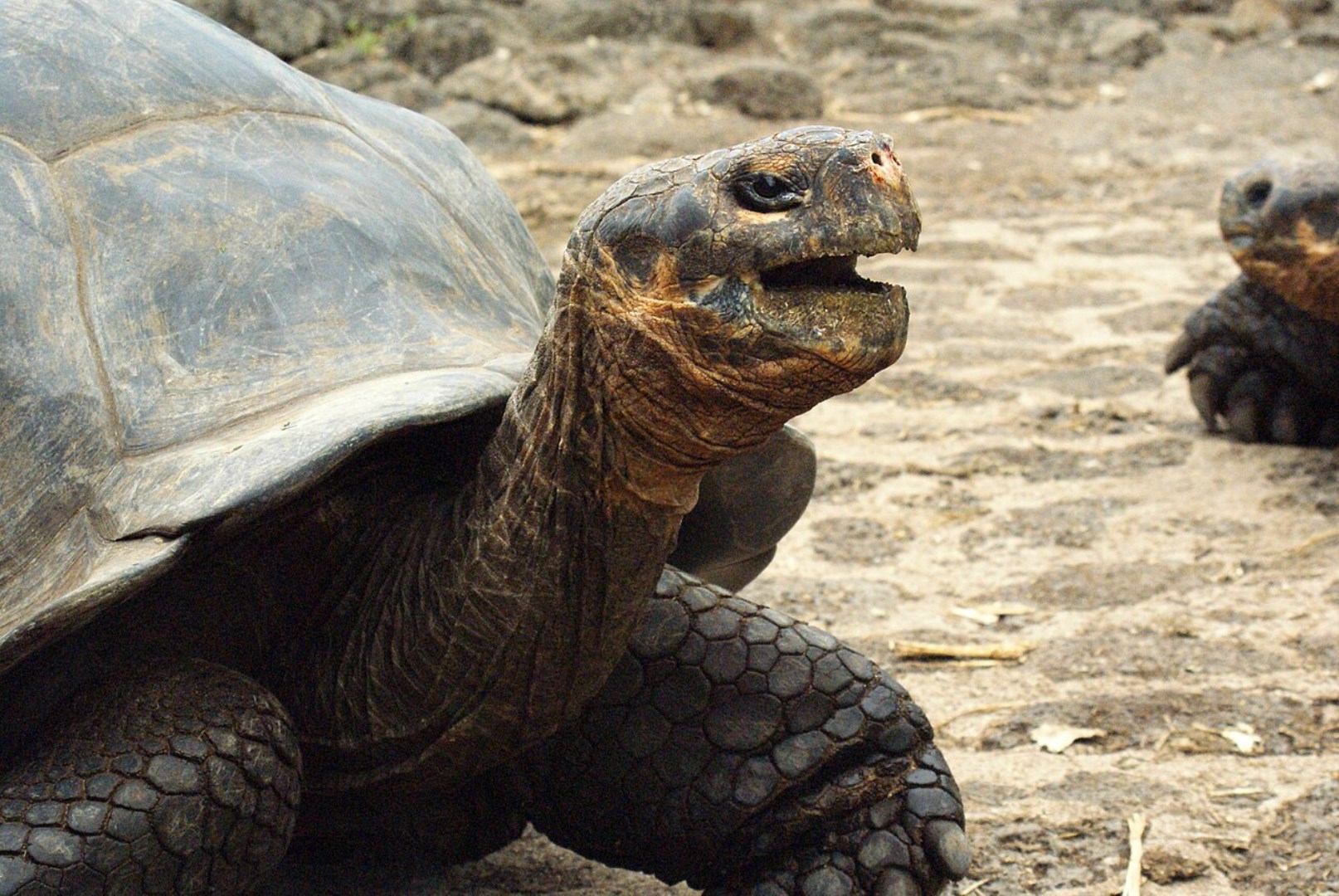
Charles Darwin Research Station
Set along the shoreline of Santa Cruz Island in the Galápagos, the Charles Darwin Research Station introduces visitors to a living laboratory shaped by volcanic land and rare wildlife. Located near Puerto Ayora, the station stands as the scientific heart of the islands, where researchers from around the world work side by side to understand and protect species found nowhere else on Earth.
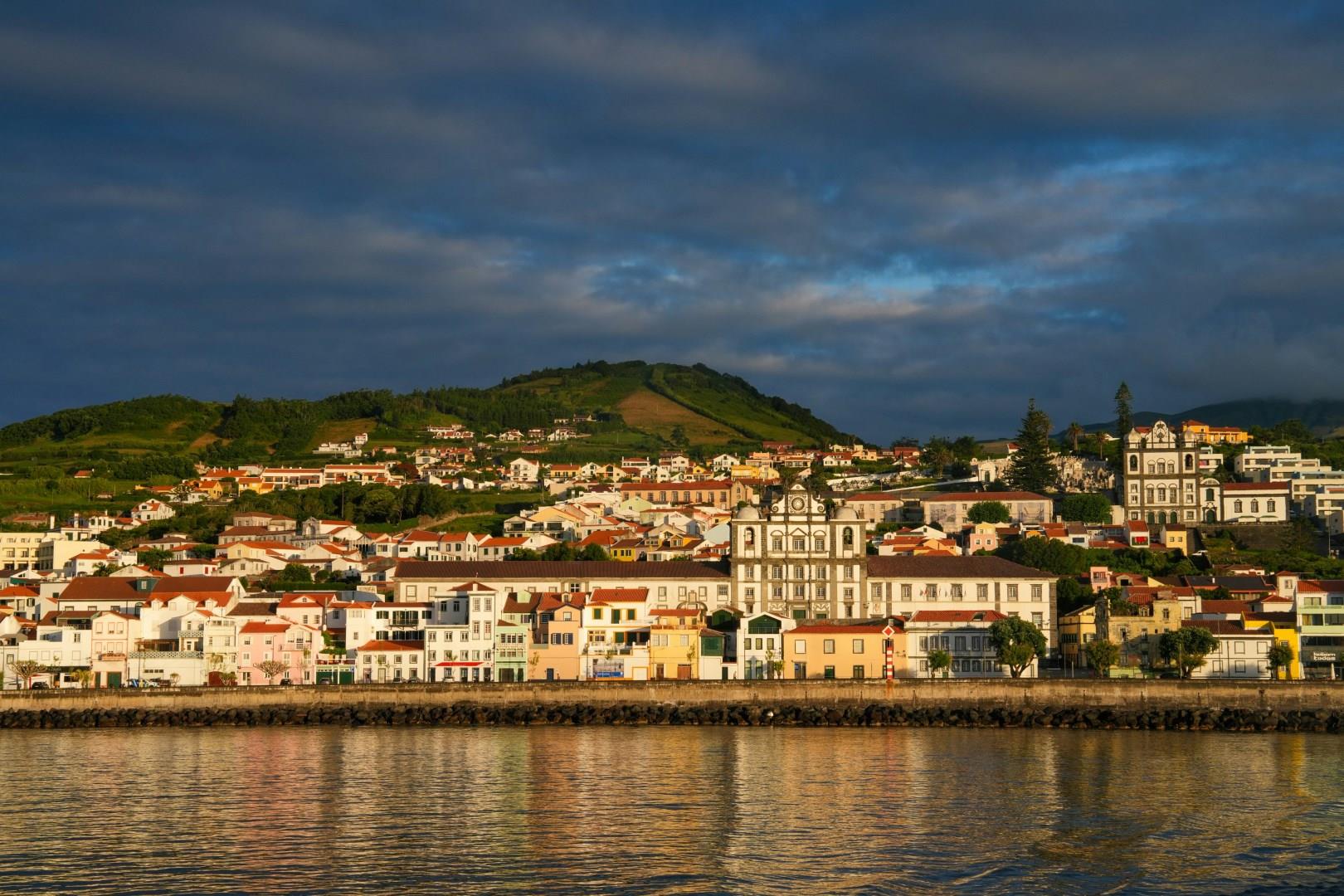
Horta Faial Island
Horta sits on the southeastern coast of Faial Island in the Azores, long defined by its position in the mid-Atlantic. For centuries it served as a critical stop for whaling ships, transatlantic sailors, and later yachts crossing between Europe and the Americas.
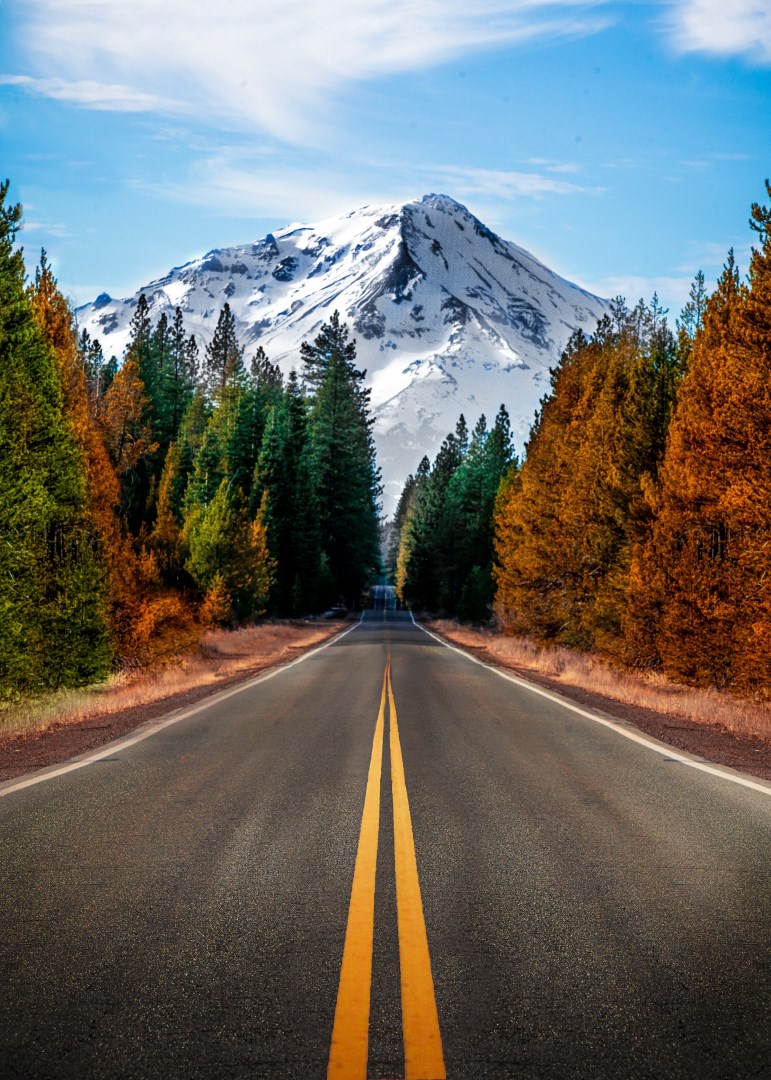
Mount Shasta
Mount Shasta is a small city in Northern California at the foot of the volcanic peak that shares its name. The community sits in the upper Sacramento River watershed, surrounded by conifer forests, mountain meadows, and the broader Cascade Range. Mount Shasta rises prominently to the east and reaches more than 14,000 feet, making it one of the most recognizable mountains in the state.
