

Montana
Montana, known as "Big Sky Country," offers a breathtaking blend of natural beauty and outdoor adventure. At the heart of Montana’s allure is Glacier National Park, a haven for nature lovers and hikers. Spanning over a million acres, the park features dramatic landscapes including glaciers, alpine lakes, and rugged mountains.
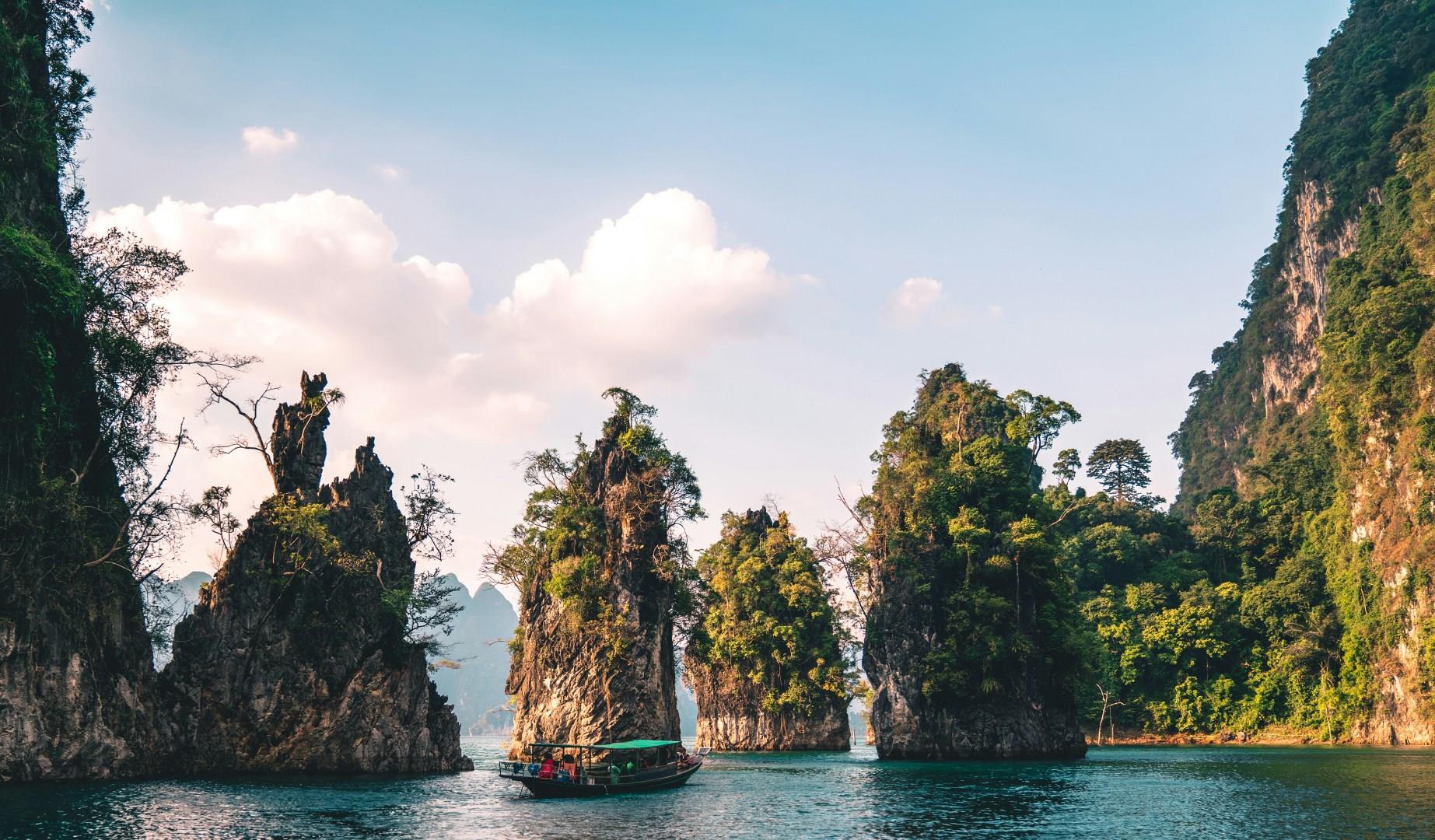
Khao Sok National Park
Khao Sok National Park in Thailand is a stunning natural haven that promises a truly immersive experience for nature lovers and adventure seekers. Nestled in southern Thailand, this sprawling park is renowned for its lush rainforests, dramatic limestone cliffs, and tranquil lakes. The park’s centerpiece, Cheow Lan Lake, is a breathtaking expanse of emerald waters surrounded by towering karst formations, ideal for boat tours and exploring floating lodges.

Copan
Copán, Honduras, is a hidden gem in Central America that beckons travelers with its extraordinary blend of ancient history, lush landscapes, and vibrant local culture. Known as the "Athens of the Maya," Copán is home to one of the most significant and well-preserved archaeological sites of the Mayan civilization, a UNESCO World Heritage Site.
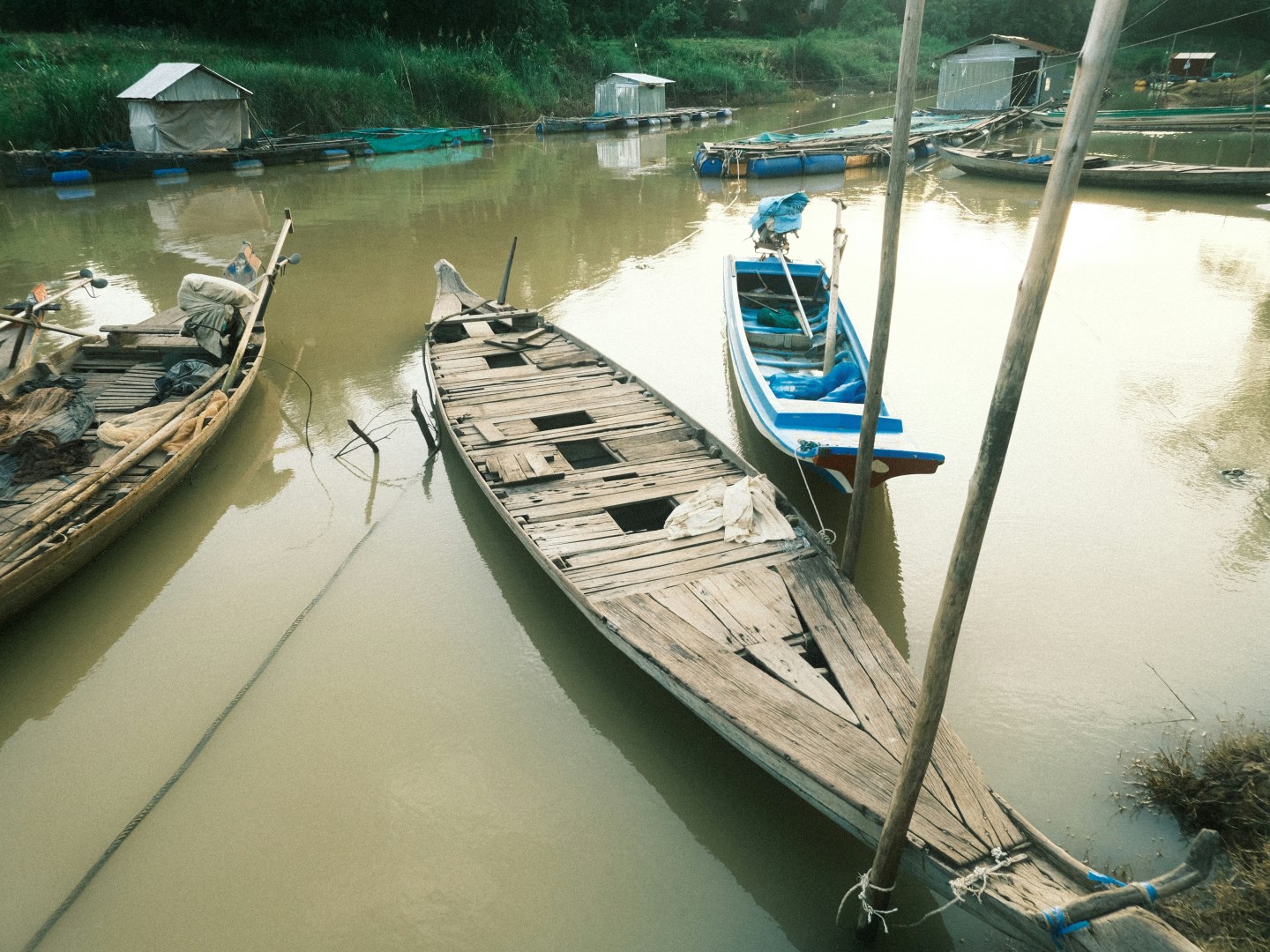
Krong Battambang
Krong Battambang is a riverside city in northwestern Cambodia, known for its preserved colonial-era architecture, rice-growing countryside, and long connection to Cambodian arts and education.
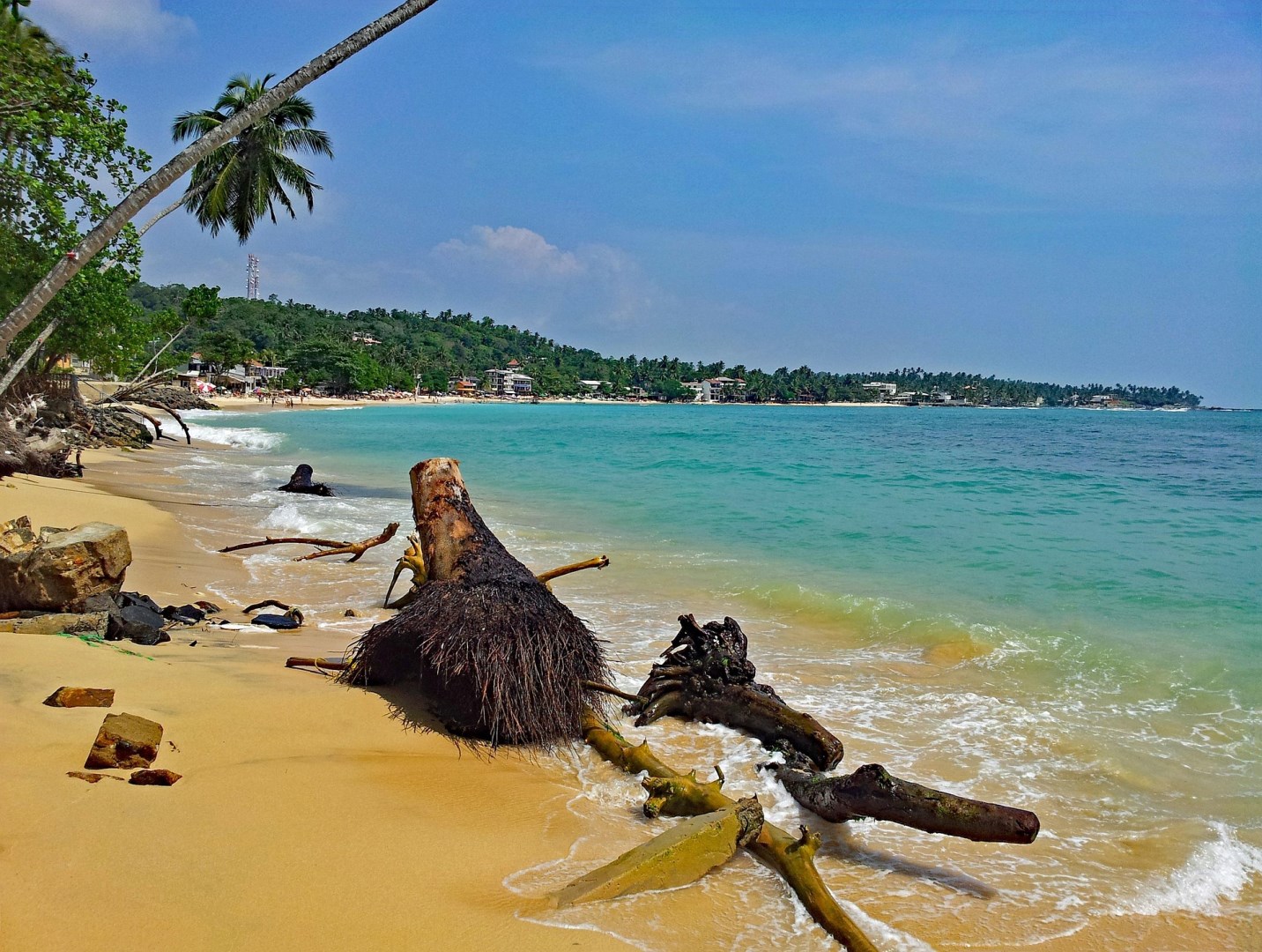
Unawatuna
Unawatuna lies along Sri Lanka’s southern coast, shaped by maritime trade, colonial encounters, and a long relationship with the sea. Once a small fishing village, it developed near historic Galle and reflects layers of Portuguese, Dutch, and British influence that passed through the region.
