
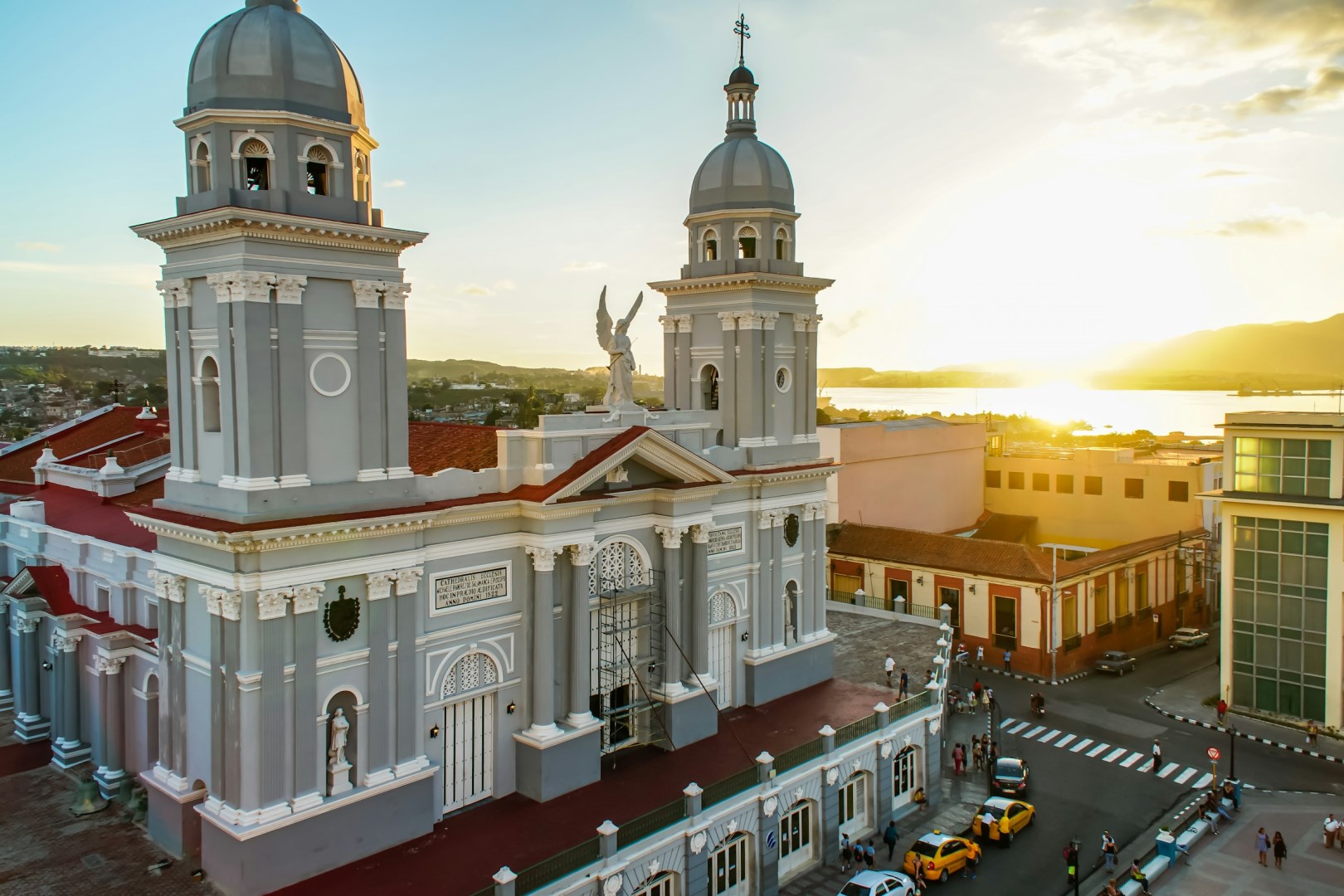
Santiago de Cuba
Santiago, the cultural capital of Cuba, is a passionate, unique destination, second in size and importance only to Havana, the governmental capital of the island. Some of Cuba's most famous musicians were born here, as well as the Bacardi brand of spirits, and the UNESCO World Heritage describes the local citadel of San Pedro de la Roca as "the most complete, best-preserved example of Spanish-American military architecture."
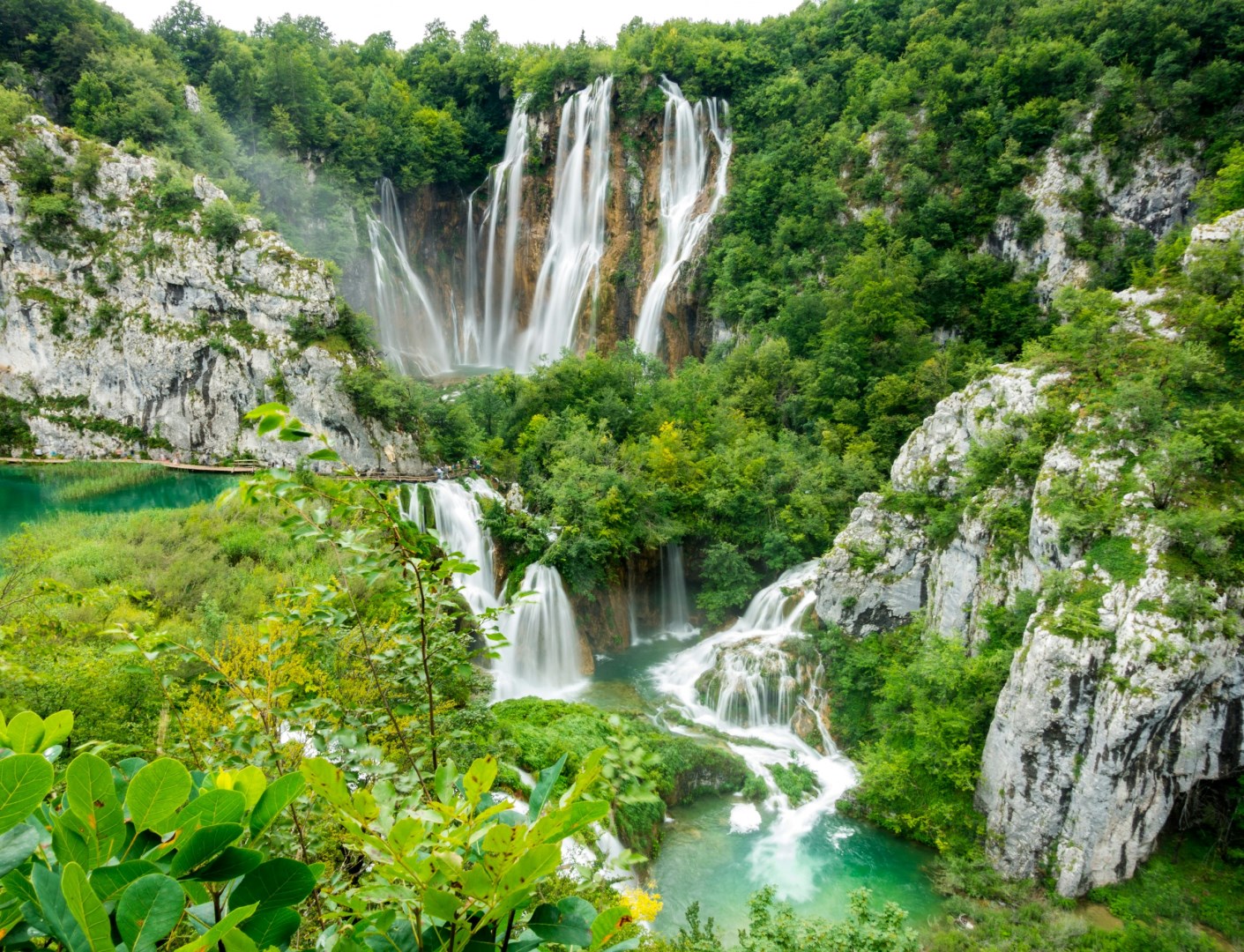
Plitvice Lakes
Plitvice Lakes National Park, a UNESCO World Heritage Site since 1979, is one of Croatia’s most captivating natural wonders. Located in the heart of the country, this mesmerizing park is renowned for its cascading lakes, lush greenery, and a network of waterfalls that create an enchanting landscape. The park’s 16 terraced lakes, connected by a series of waterfalls, range in color from emerald green to sapphire blue due to the unique mineral content and the reflection of sunlight. Visitors can ex
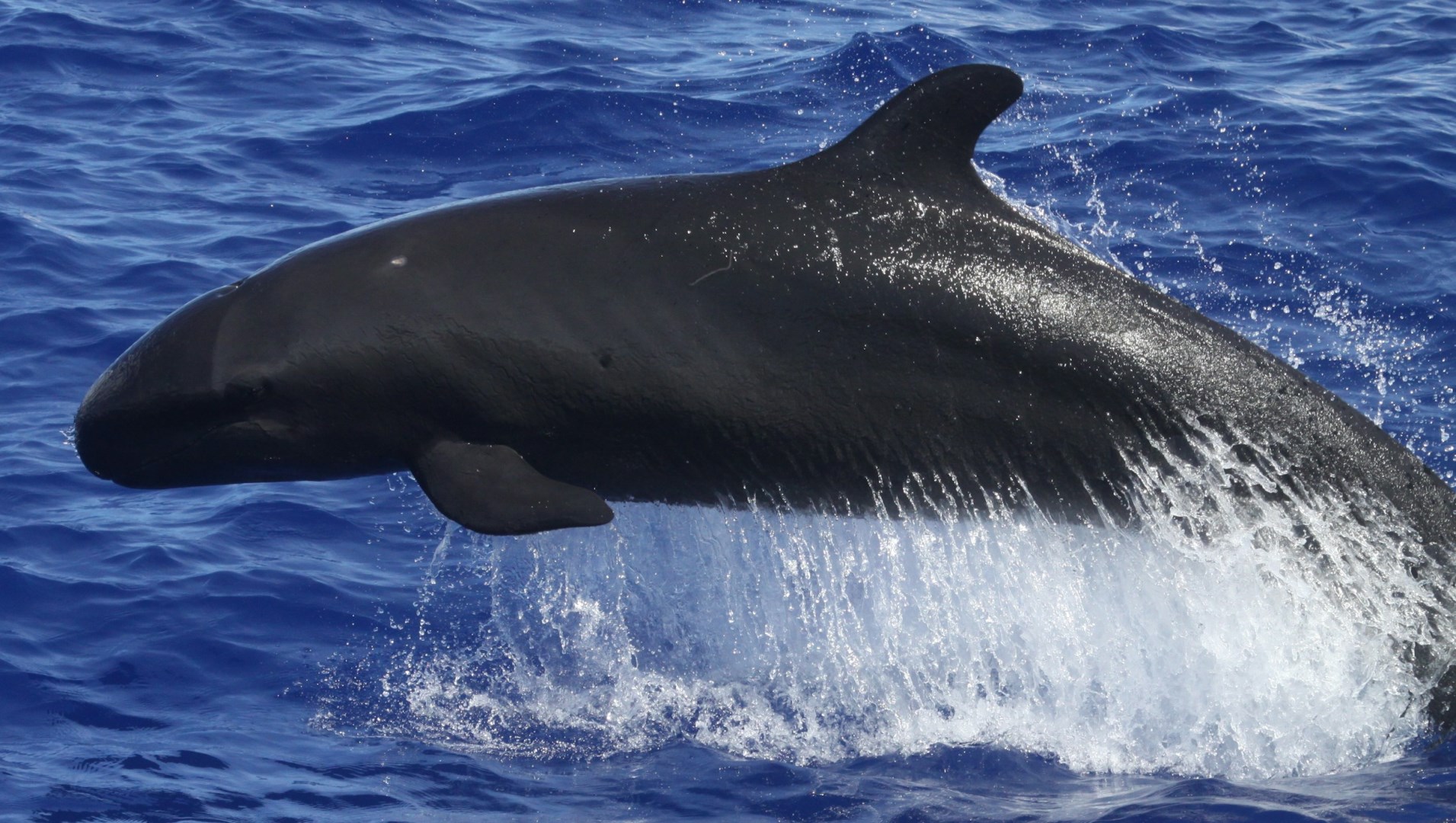
Rota Island
Rota is the southernmost island in the Northern Mariana Islands, situated between Guam and the larger islands farther north in the archipelago. Its landscape combines limestone hills, coastal cliffs, sandy beaches, forests, and small farming areas.
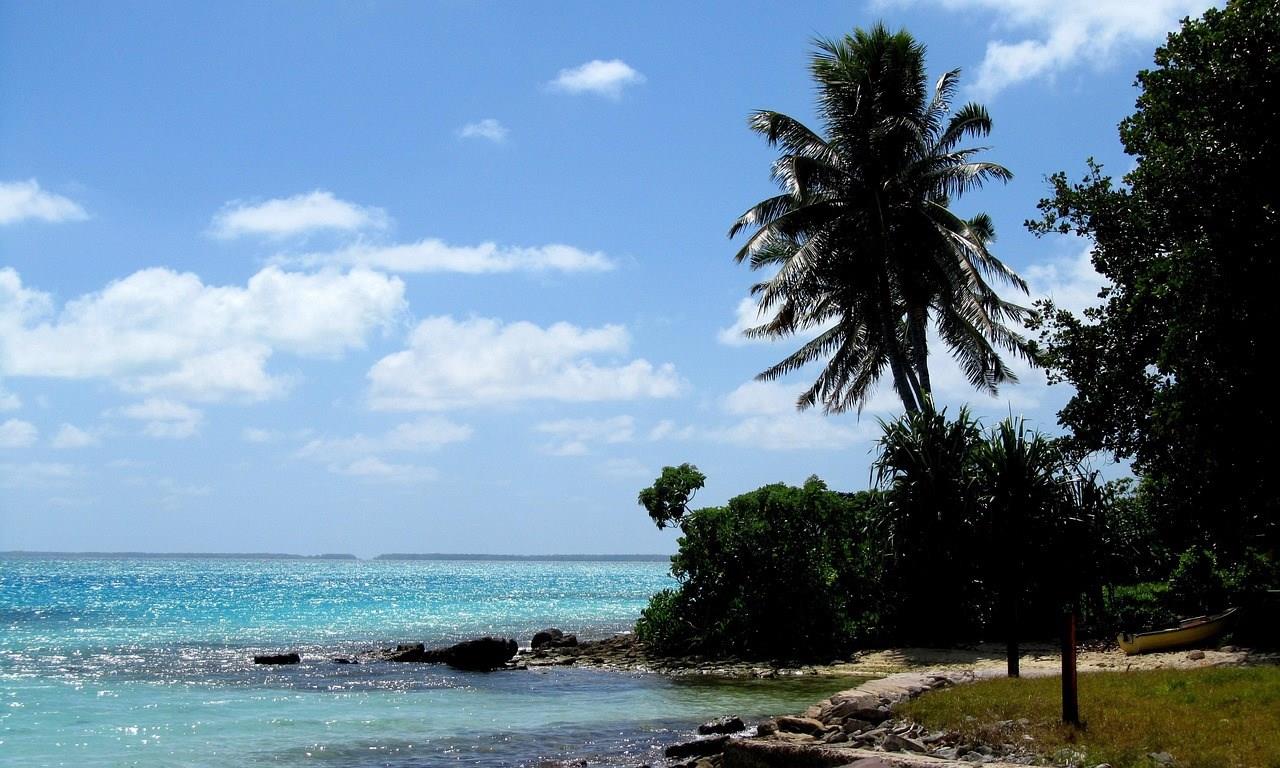
Fanning Island
Fanning Island, also known as Tabuaeran, is one of the Line Islands in the Republic of Kiribati. Sitting just four degrees north of the equator, this remote atoll is a rare find for travelers seeking raw, untouched Pacific beauty. With no large hotels or chain resorts, visitors often arrive by cruise or private yacht and are welcomed with coconut-leaf garlands and traditional songs.
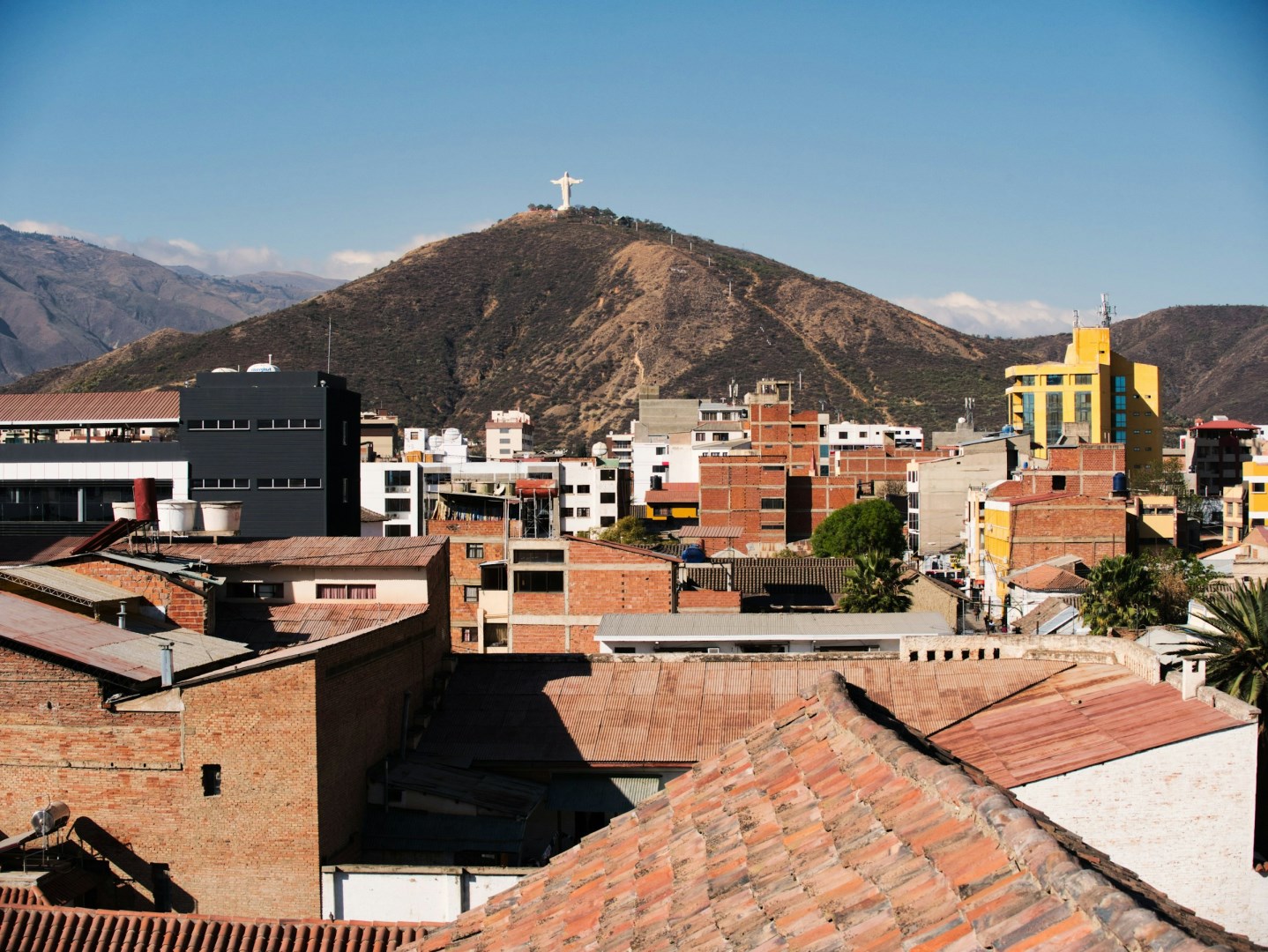
Cochabamba
Bolivia's third largest city, it lies high in the valley of Cordillera Oriental. It is an agricultural hub of the country, especially for grains. Founded in 1574 by a conquistador, it is the home of an excellent archeological museum.
