

Coromandel Peninsula
The Coromandel Peninsula on New Zealand’s North Island is a place where coastline and culture come alive in ways that stay with visitors long after they’ve left. Stretching for about 110 kilometers between the Hauraki Gulf and the Bay of Plenty, this region has deep roots that go back to the arrival of Māori long before Europeans stepped ashore.

Nuevo Vallarta
Nuevo Vallarta, located along the Bahía de Banderas in the state of Nayarit, is a coastal destination known for its wide, sandy beaches and marina-lined canals. Originally developed as a tourism project in the late 20th century, it has grown into a well-organized resort area with luxury hotels, golf courses, and waterfront condos. Unlike older beach towns with colonial roots, Nuevo Vallarta was designed from the start to offer modern comfort while being surrounded by natural landscapes.
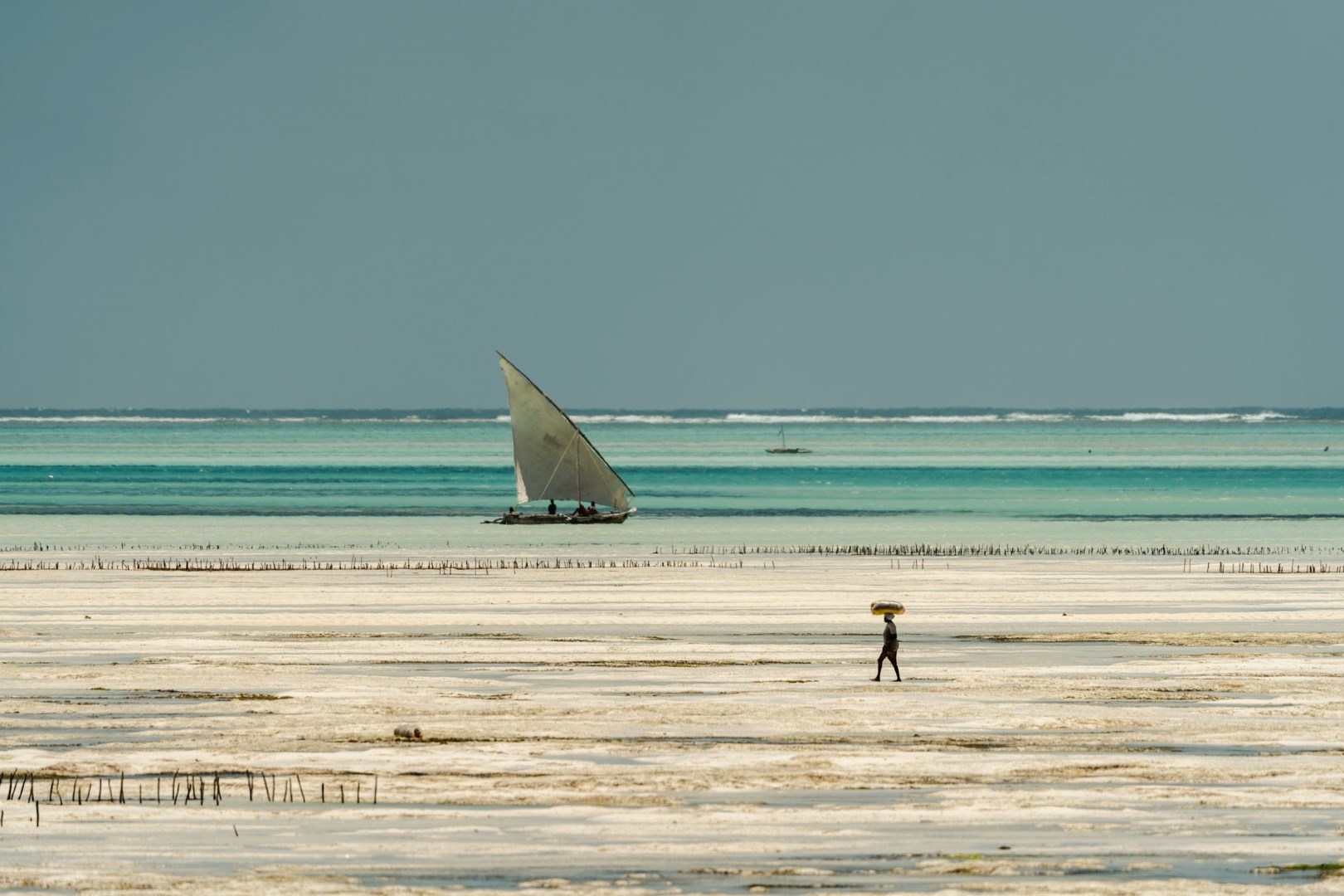
Jambiani
Jambiani is a coastal village on Zanzibar’s southeastern shore, facing the Indian Ocean along a long stretch of white sand and shallow turquoise water. The village extends along the coast between Paje and Makunduchi, with traditional homes, small guesthouses, fishing areas, and local businesses spread between the beach and inland fields.
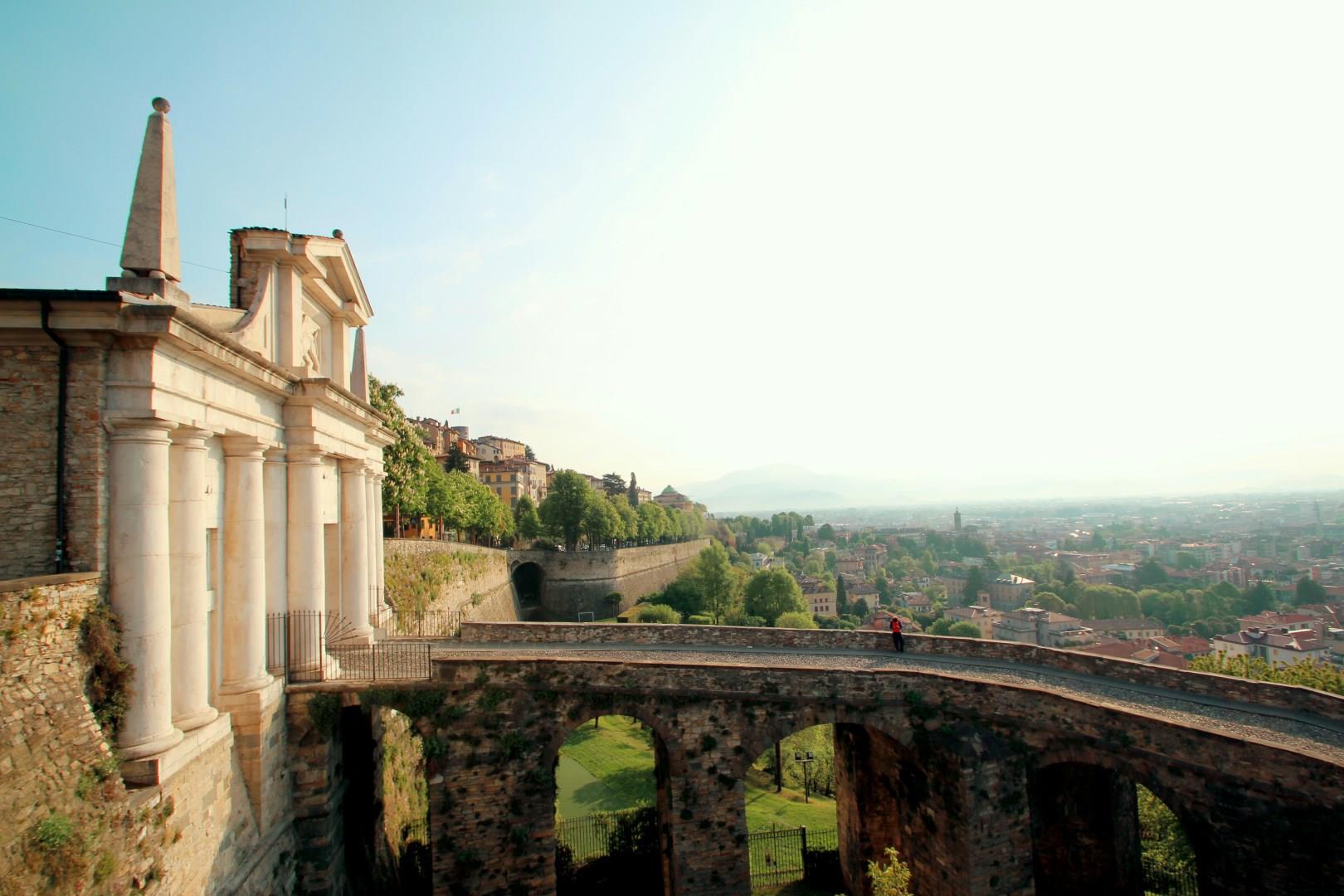
Bergamo
Bergamo, in northern Italy’s Lombardy region, is a city of striking contrasts, divided into the historic upper town and the modern lower town. The upper town, perched on a hill and encircled by Venetian walls, offers cobblestone streets, medieval architecture, and panoramic views over the surrounding plains and the distant Alps.
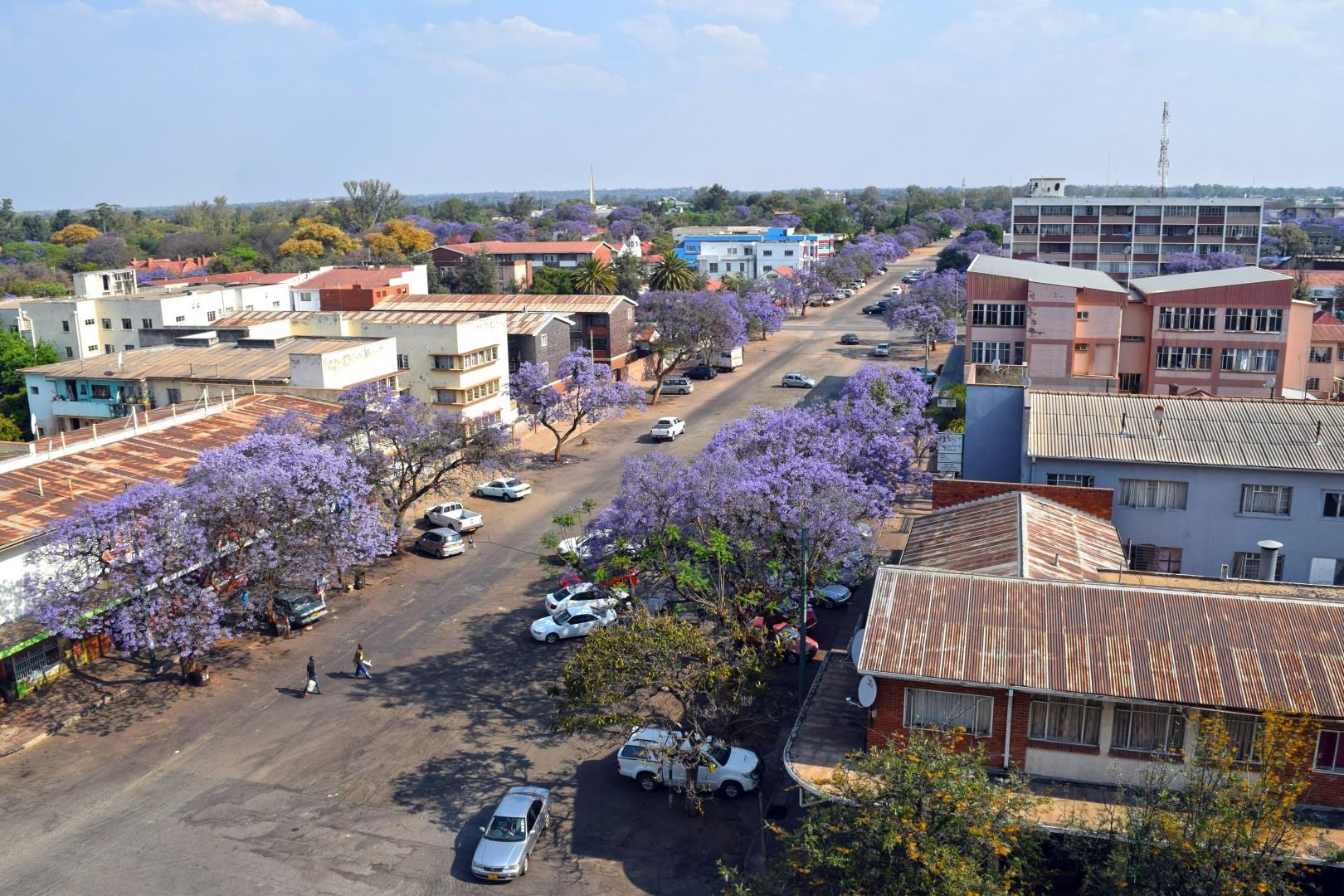
Bulawayo
Bulawayo is Zimbabwe’s second-largest city and a place where industrial heritage and deep cultural roots intersect. Founded near the former capital of the Ndebele kingdom, the city carries strong historical significance tied to King Lobengula and the resistance to colonial expansion.
