
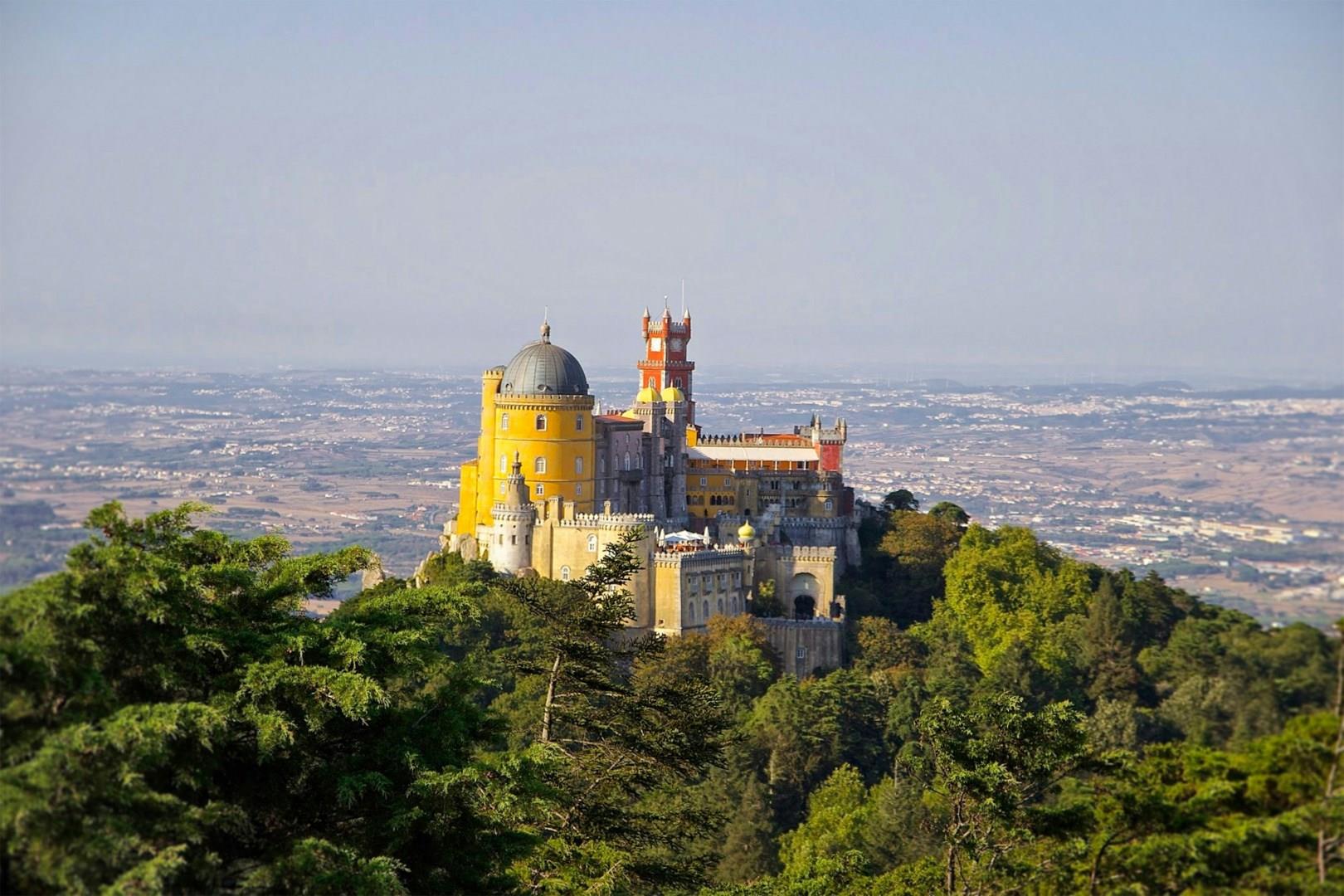
Sintra
Sintra, located just 40 minutes from Lisbon, feels like a world apart. Tucked into the hills of the Serra de Sintra, this town has drawn kings, poets, and explorers for centuries. It was once the summer retreat of Portuguese royalty, who left behind palaces and gardens that seem pulled from a storybook. The most famous, Palácio da Pena, is perched high above the town with bold red and yellow towers that blend Romanticism with Moorish and Gothic styles.
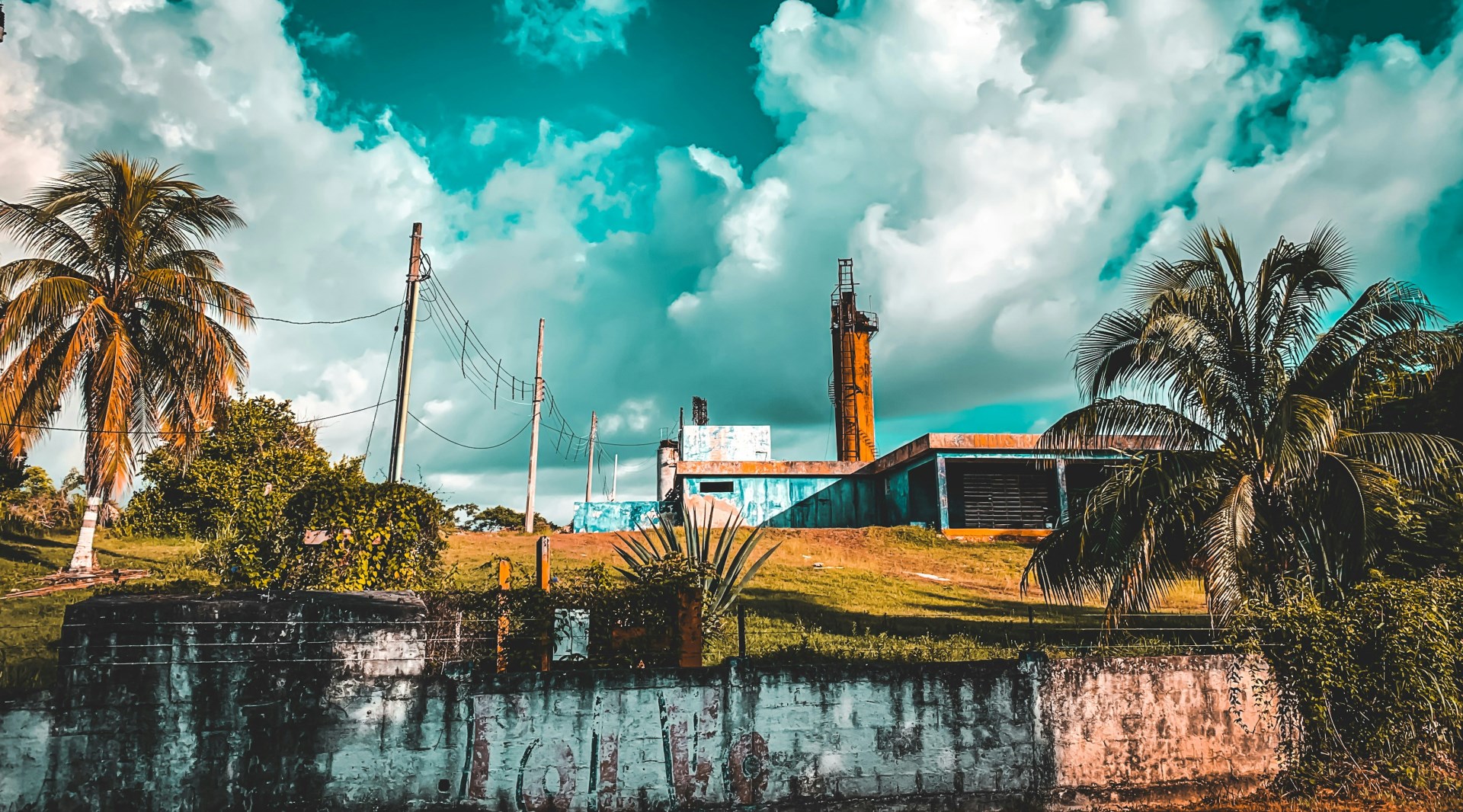
Chetumal
Chetumal is the capital of the Mexican state of Quintana Roo, located near the border with Belize on the western side of Chetumal Bay. Unlike the large resort centers farther north on the Caribbean coast, the city functions primarily as a government, commercial, and cultural center.
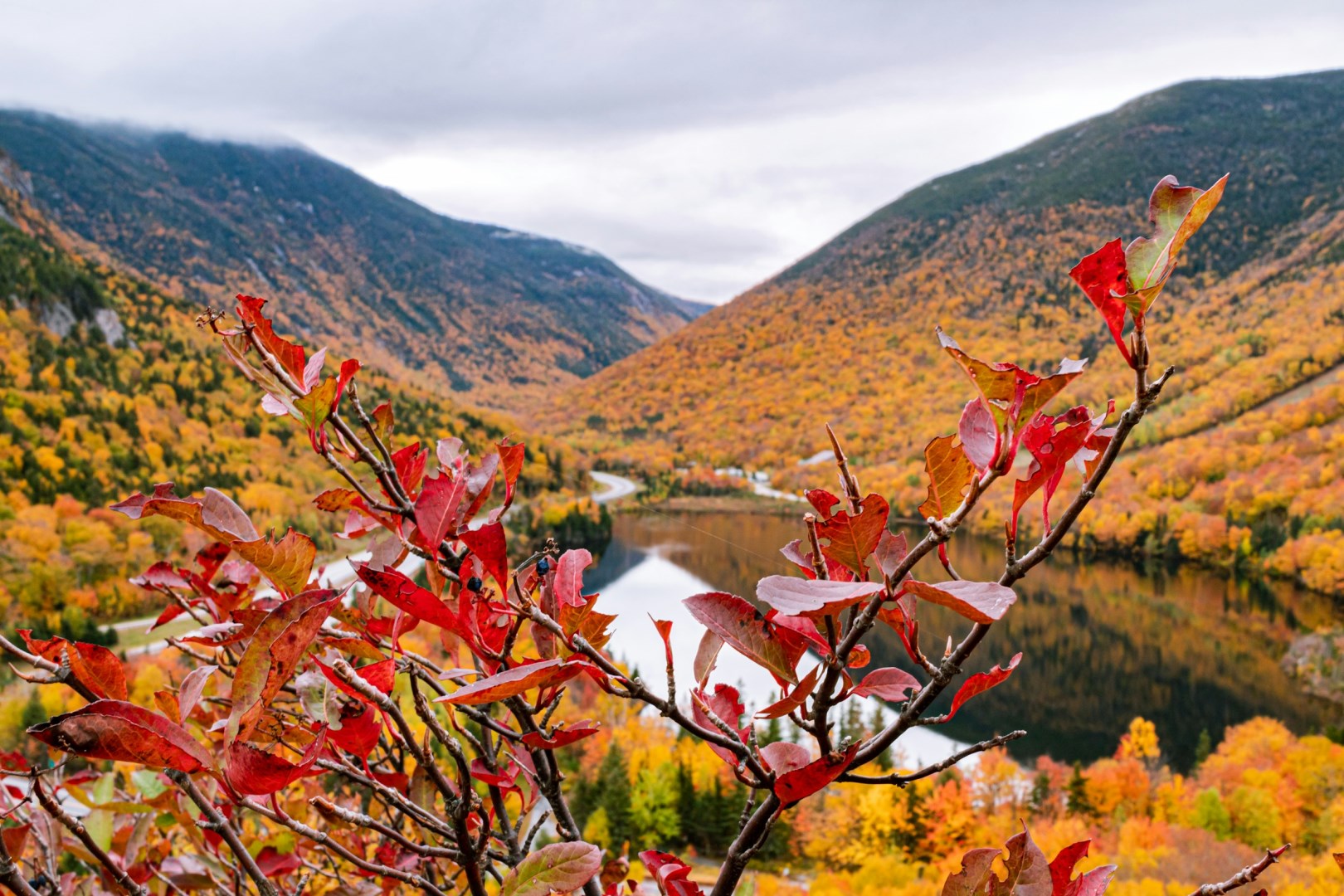
Franconia
Franconia is a small town in northern New Hampshire set within the White Mountains, with a landscape shaped by steep forested slopes, mountain valleys, and the Pemigewasset River. The town is closely associated with Franconia Notch, a dramatic mountain pass that separates the Kinsman and Franconia ranges. Its location places it near several of the region’s best-known natural landmarks while retaining a distinct village identity.
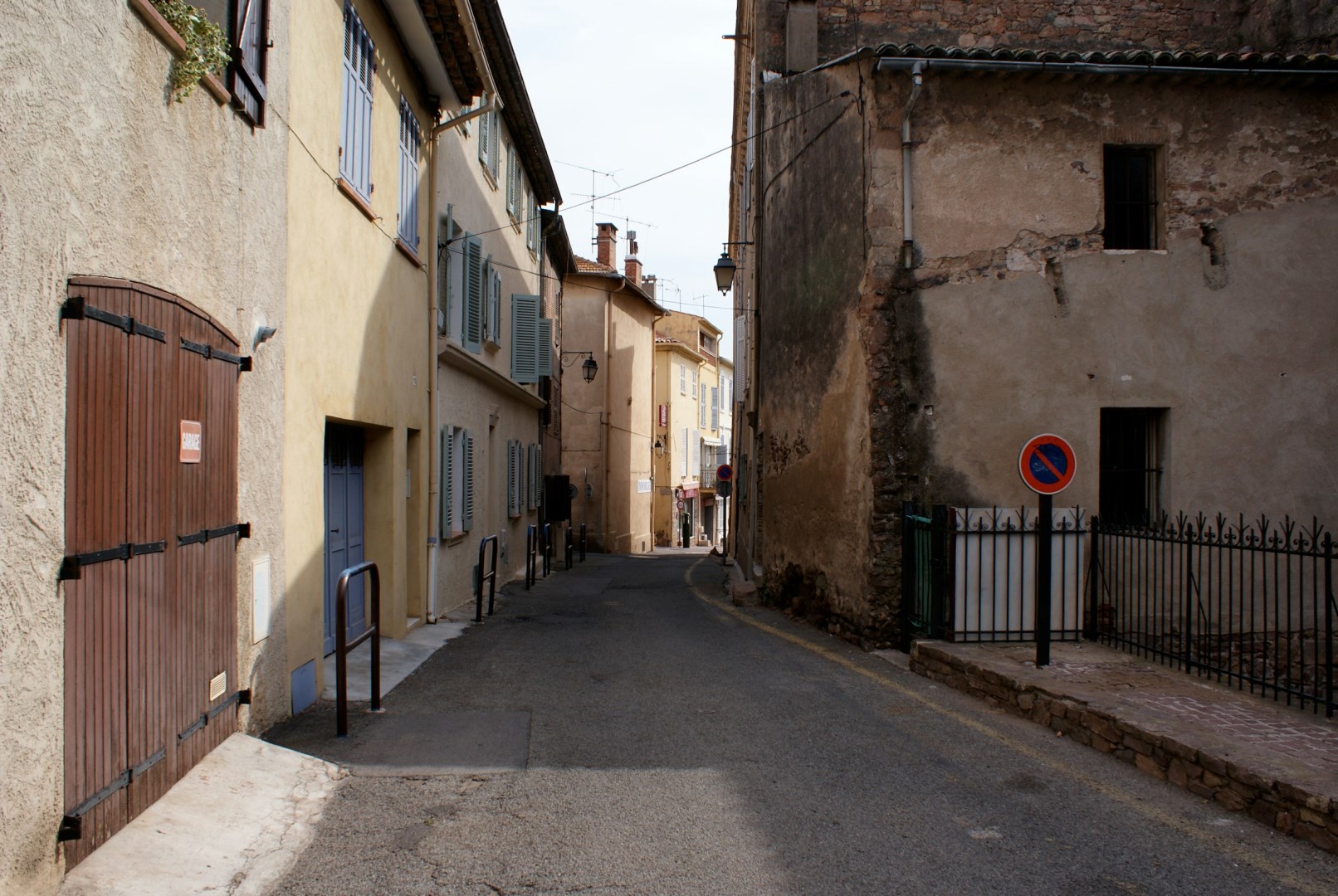
Fréjus
Fréjus is a Mediterranean city in southeastern France’s Var department, situated between the Esterel hills and the coast. Its identity combines a substantial Roman heritage with a historic Provençal center and a modern seaside district. The city stretches from the old town toward Fréjus-Plage and Port-Fréjus,
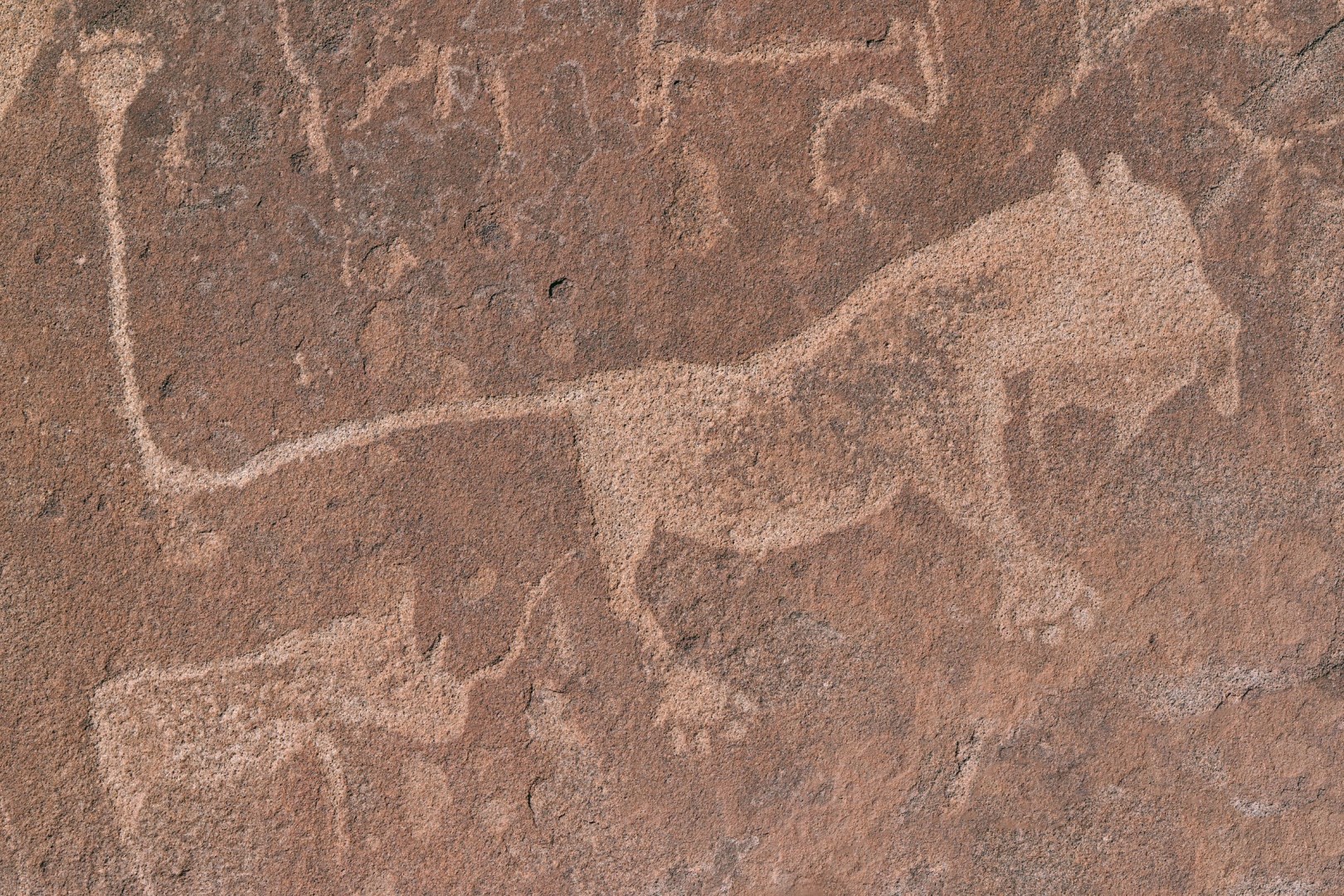
Twyfelfontein
Twyfelfontein is a cultural heritage site in the rugged Damaraland region of northwestern Namibia, known for one of Africa’s largest concentrations of ancient rock engravings. The site lies among sandstone cliffs, dry valleys, and open plains where water is scarce and vegetation is adapted to arid conditions. Twyfelfontein or /Ui-//aes is recognized as a UNESCO World Heritage Site because of its extensive collection of engravings and painted rock shelters
