

Isabela Island
Isabella Island is the largest of the Galapagos islands, on the western end of the archipelago. Shaped like a seahorse when viewed from above, Isabella is home to more wild tortoises than any other island, as well as a wide variety of other animal, bird and marine life.

K’gari
Fraser Island, or K’gari as it is known to its Traditional Owners, the Butchulla people, is a gem off the coast of Queensland, Australia. The world's largest sand island, stretching over 120 kilometers, is a place where nature dazzles and adventure beckons. Renowned for its unique ecosystems, Fraser Island offers a diverse landscape of lush rainforests growing on sand, crystal-clear freshwater lakes, and expansive sand dunes.
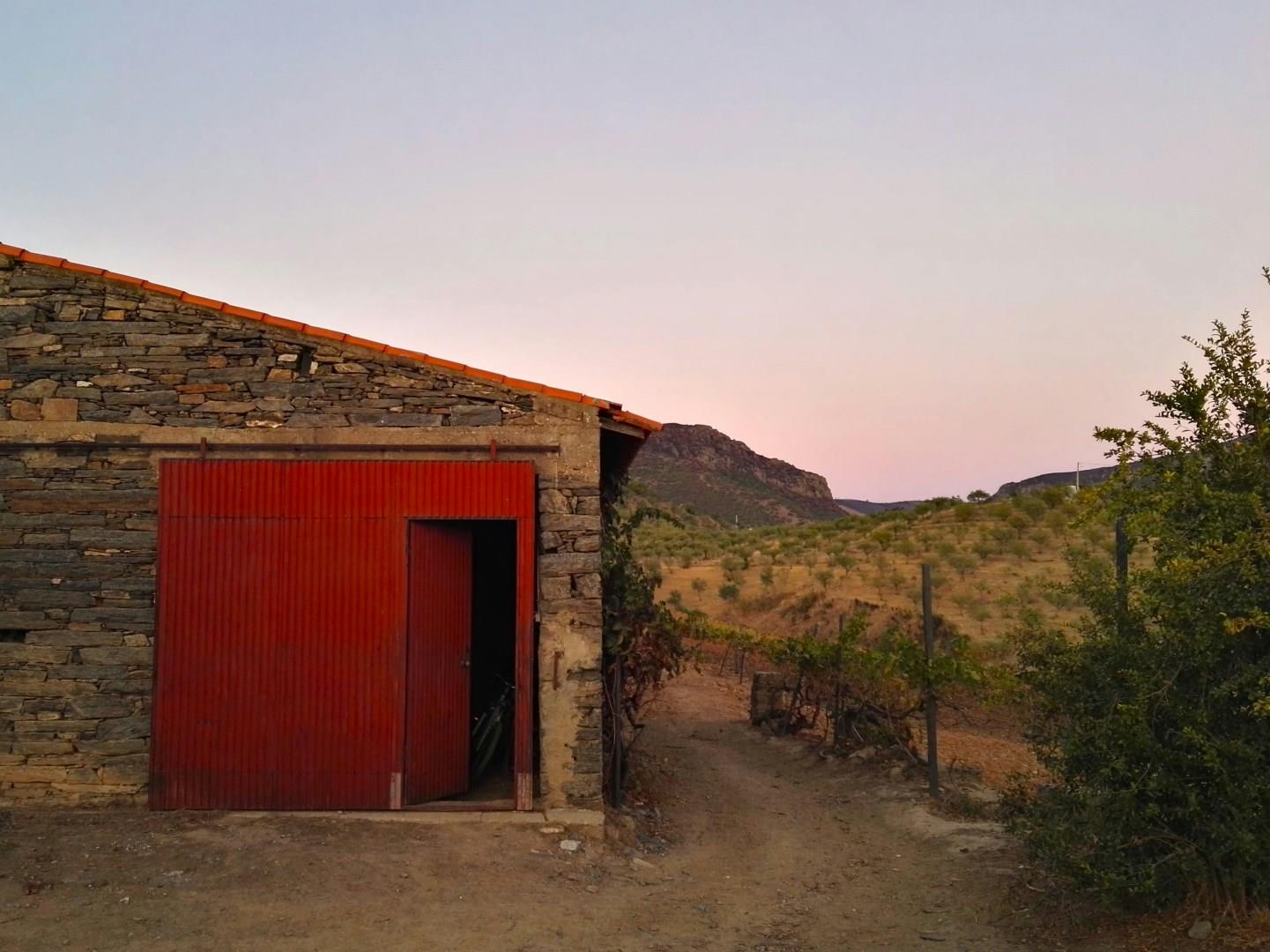
Barca d'Alva
Barca d'Alva sits quietly along the Douro River, right at Portugal’s eastern border with Spain. Once the final stop on the historic Douro railway line, this riverside village remains relatively untouched by mass tourism. The surrounding landscape filled with terraced vineyards, olive groves, and almond trees form part of the UNESCO-listed Alto Douro Wine Region.
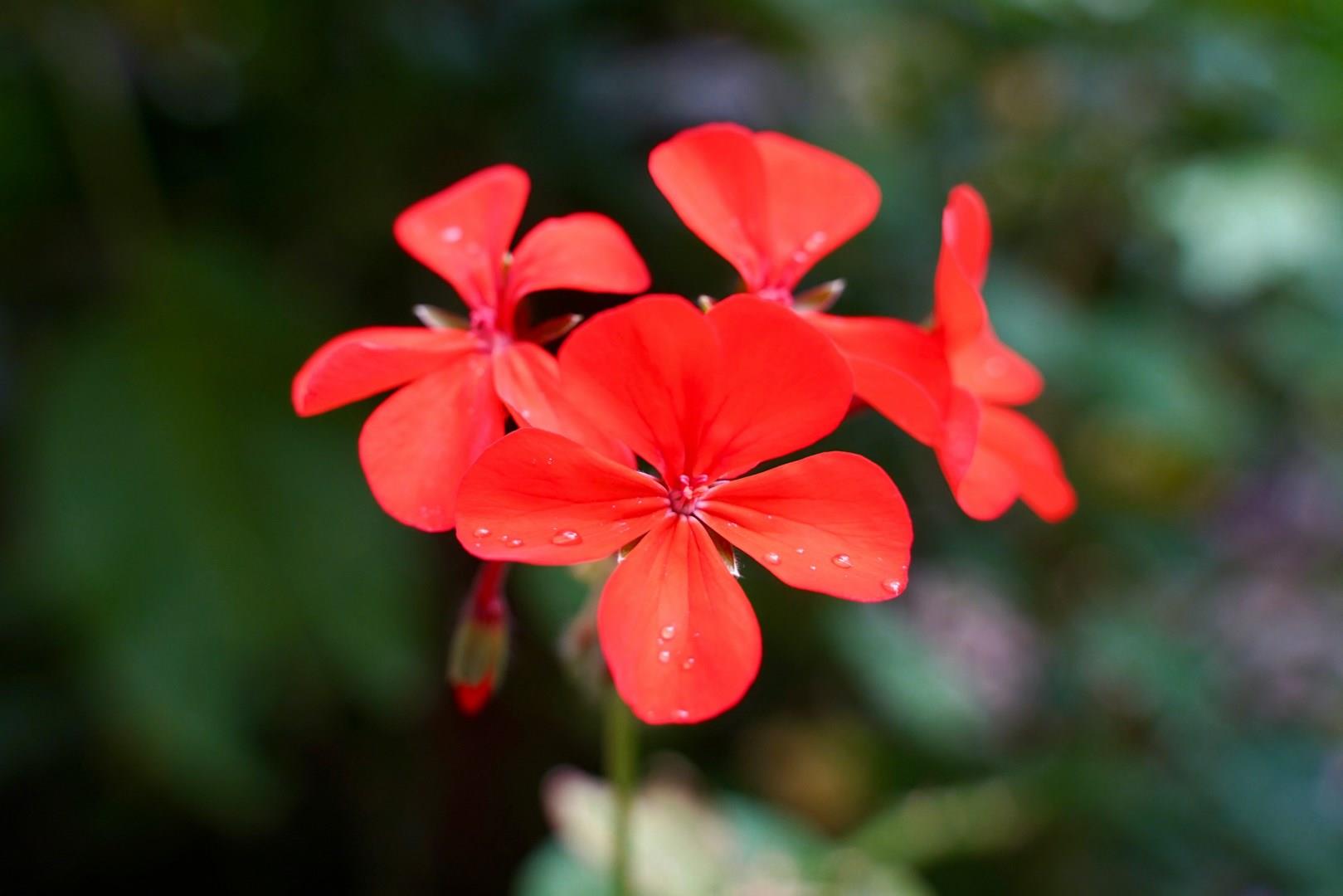
Aguas Calientes
Aguas Calientes, officially called Machupicchu Pueblo, sits in a narrow valley below the ruins of Machu Picchu, shaped almost entirely by geography and access. The town grew around the railway and hot springs that give it its name, becoming a necessary stopping point rather than a destination planned in advance. Its identity is closely tied to movement, with most people arriving on foot or by train and staying briefly before heading uphill.
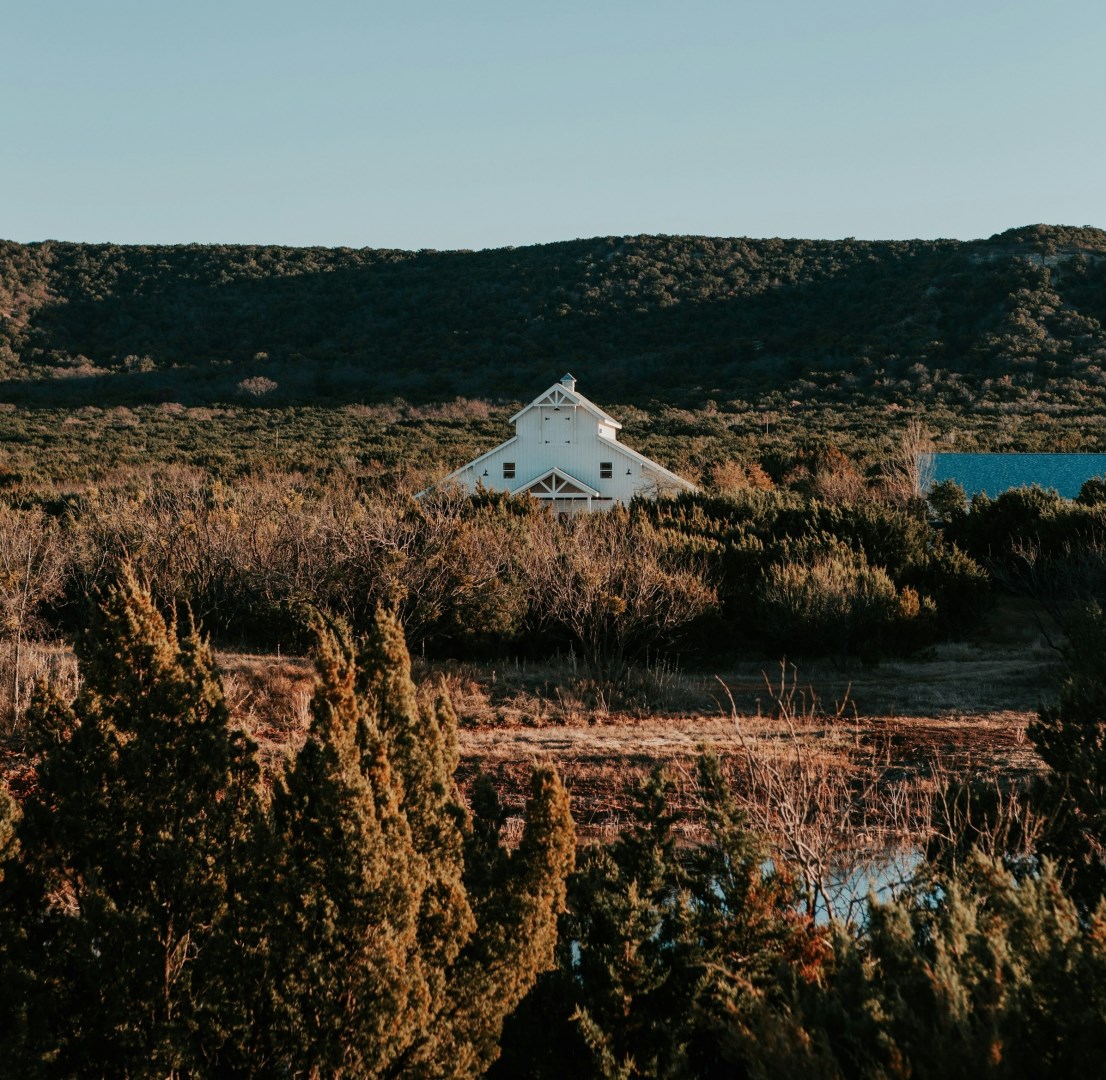
Abilene
Abilene is no-nonsense and traditional, but it's just as capable of having a good time as any rip-roaring cowpoke. When you're in Abilene, take time to see the Abilene Zoo, particularly the Texas Plains exhibit, a unique collection of species native to that part of the country (if you've never seen a javelina, here's your chance).
