
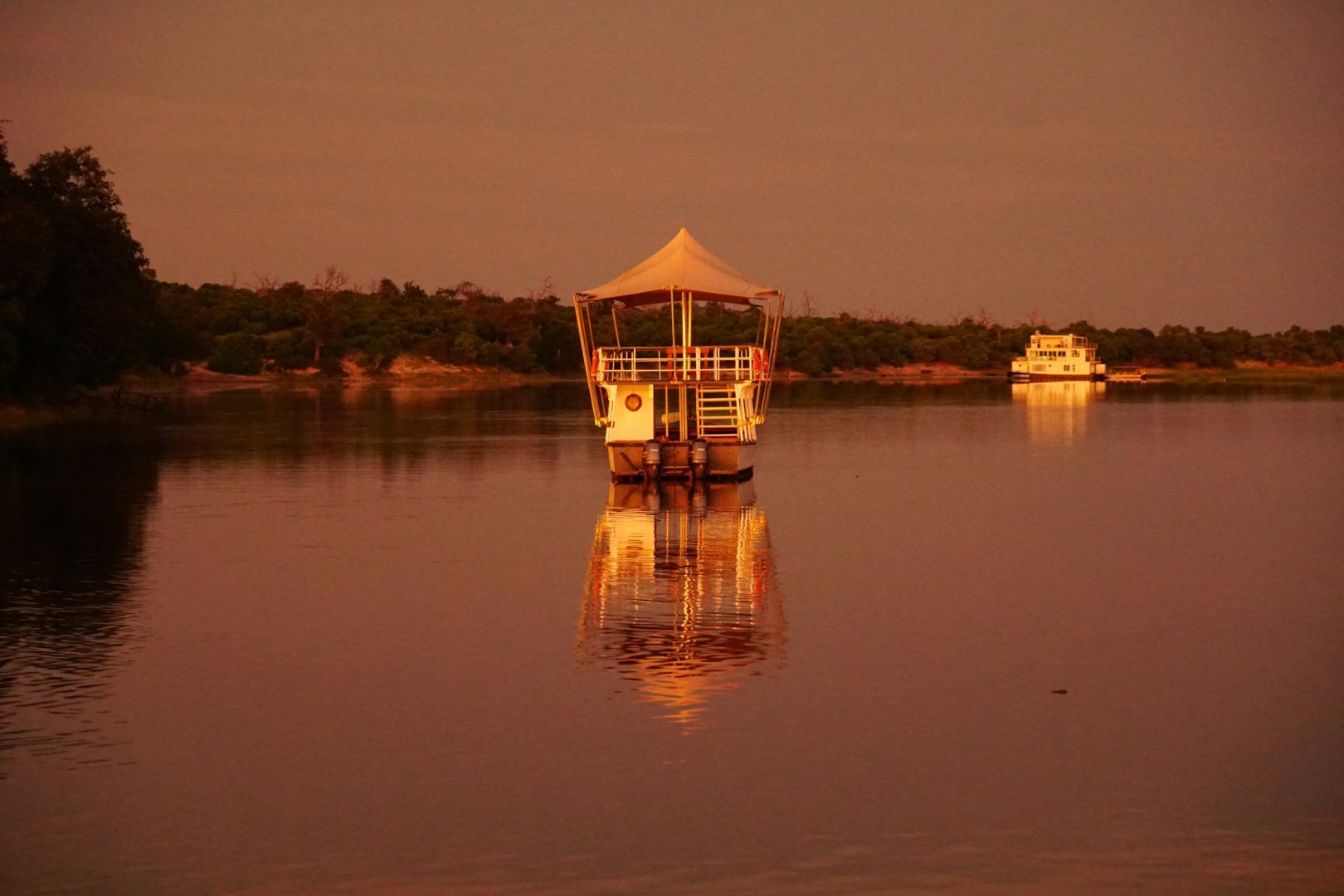
Caprivi
Caprivi, now officially known as the Zambezi Region of Namibia, is a narrow, water-rich area in the country's far northeast, extending between Angola, Zambia, Botswana, and Zimbabwe. Unlike much of Namibia's dry interior, Caprivi contains perennial rivers, floodplains, wetlands, woodland, and riverine forests.
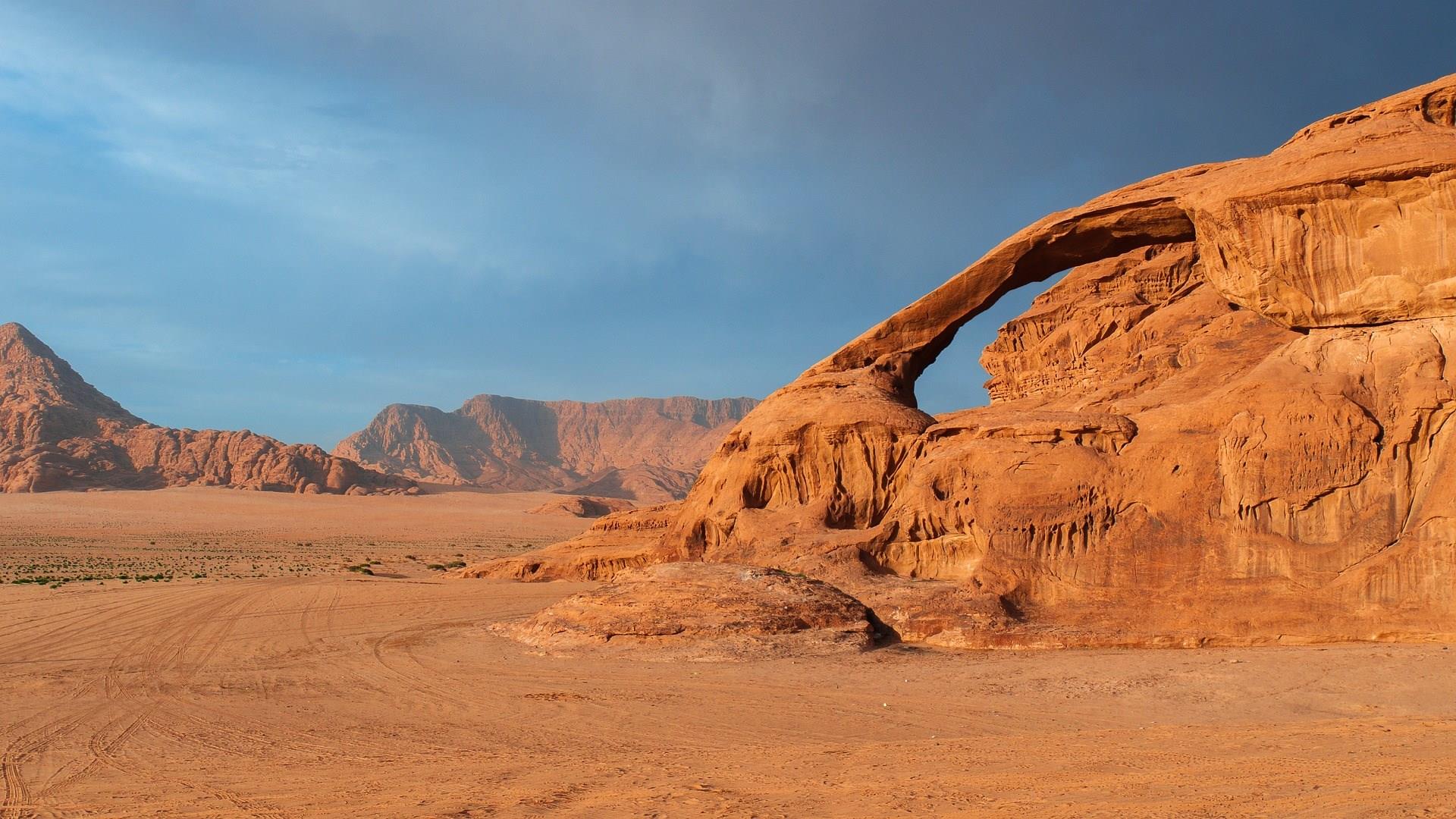
Wadi Rum
Wadi Rum, often called the “Valley of the Moon,” is a desert landscape in southern Jordan renowned for its dramatic sandstone mountains, sweeping red sand dunes, and ancient history carved into the rock. Its vast, otherworldly scenery has made it both a UNESCO World Heritage Site and a backdrop for films set on distant planets.

Dominica
Dominica, known as the “Nature Island of the Caribbean,” is a haven for eco-tourists and adventure seekers. Nestled between the French islands of Guadeloupe and Martinique, this lush island boasts a remarkable landscape of volcanic mountains, dense rainforests, and stunning waterfalls. Dominica’s most iconic natural wonder is the Boiling Lake, the second-largest hot spring in the world.
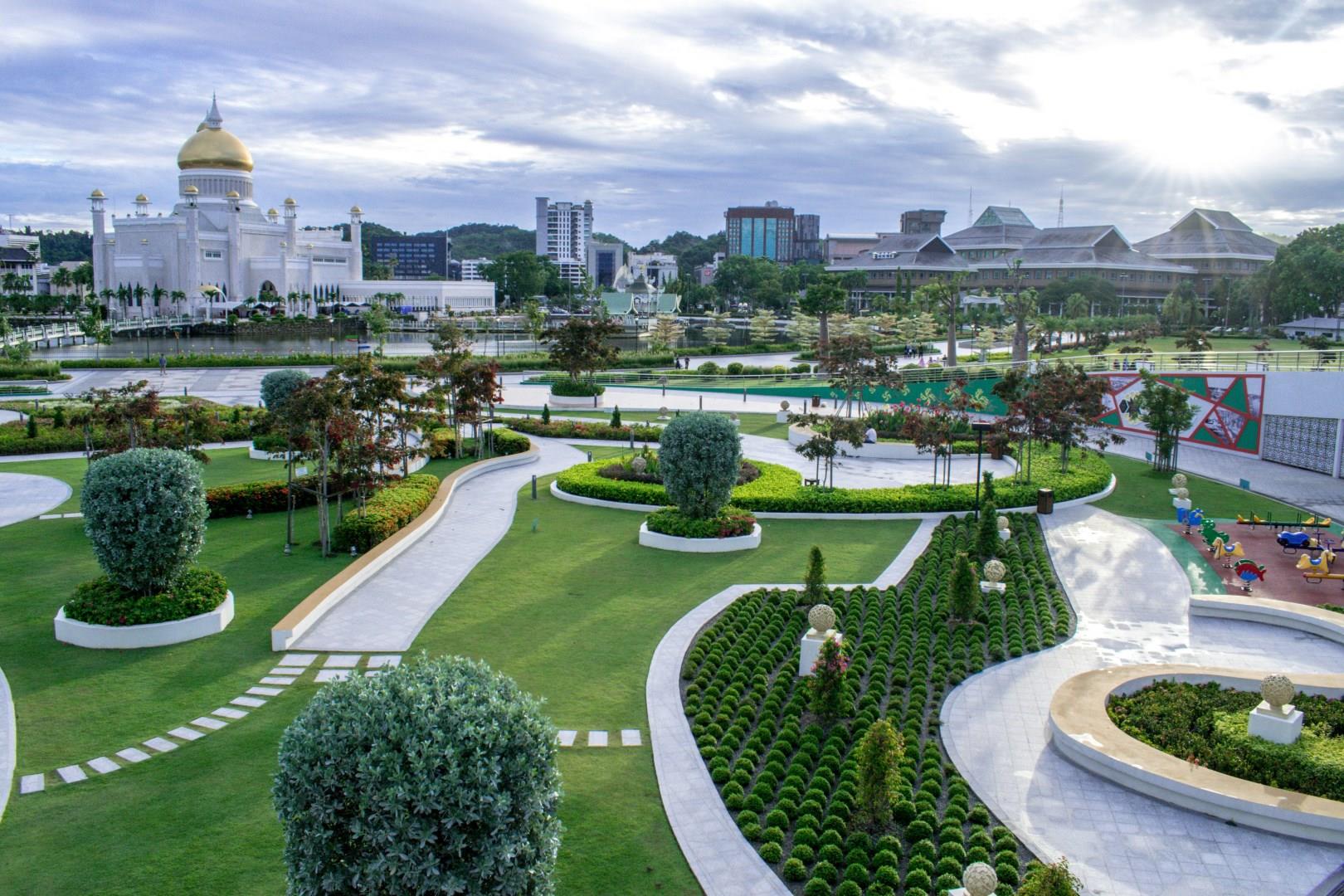
Brunei
Brunei is a small country on the island of Borneo known for its wealth, tropical rainforests, and rich cultural heritage. The country’s landscapes are a mix of dense jungles, rivers, and coastal mangroves, offering a peaceful environment where nature remains largely intact.
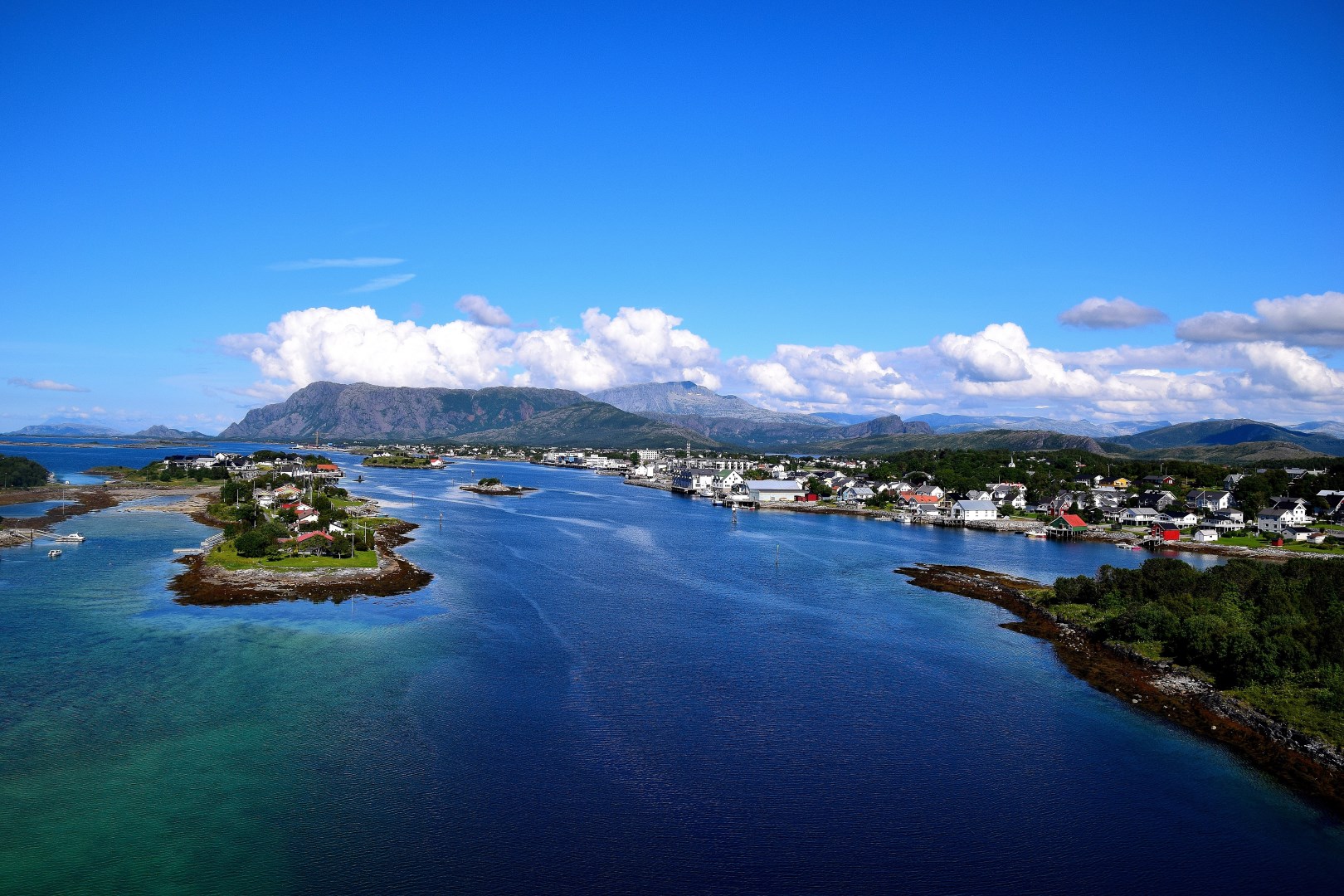
Bronnoysund
Brønnøysund sits along the Helgeland coast in Norway, surrounded by islands, narrow straits, and open sea. The town serves as a natural gateway to this coastal landscape, where boats move between scattered islets and fishing communities. Its harbor remains central to daily life, with working vessels sharing space with coastal cruise ships that pass through on longer journeys. The setting offers constant change, as weather and light reshape the view from hour to hour.
