
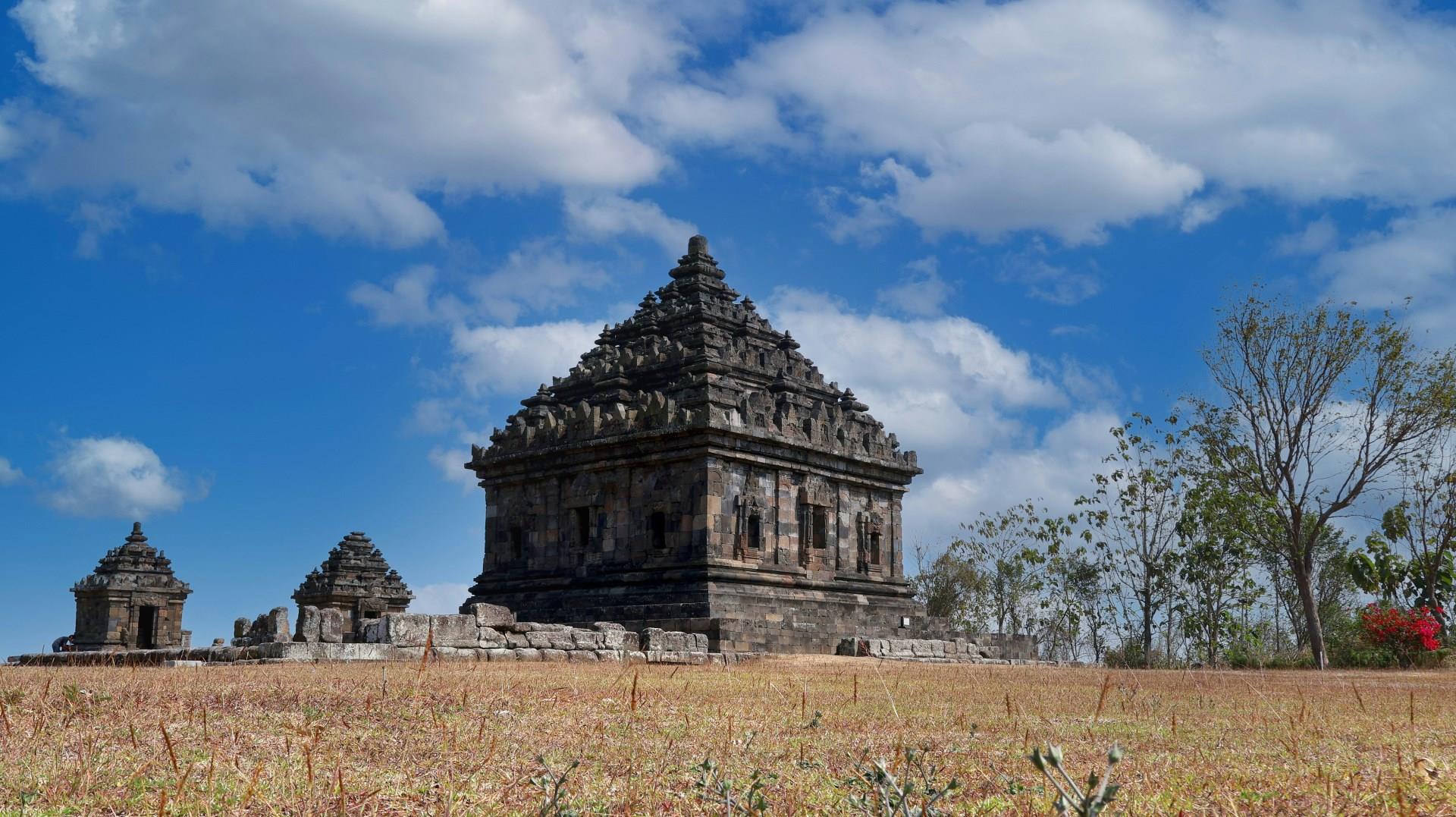
Yogyakarta Java
Yogyakarta, on the island of Java, is often described as Indonesia’s cultural capital, a reputation grounded in living tradition rather than nostalgia. It remains the seat of a functioning sultanate, and the royal palace, or kraton, anchors the city’s identity through ceremonies, crafts, and court arts that continue to shape everyday life. The city also played a key role in Indonesia’s struggle for independence, giving it a strong sense of civic pride and historical awareness.
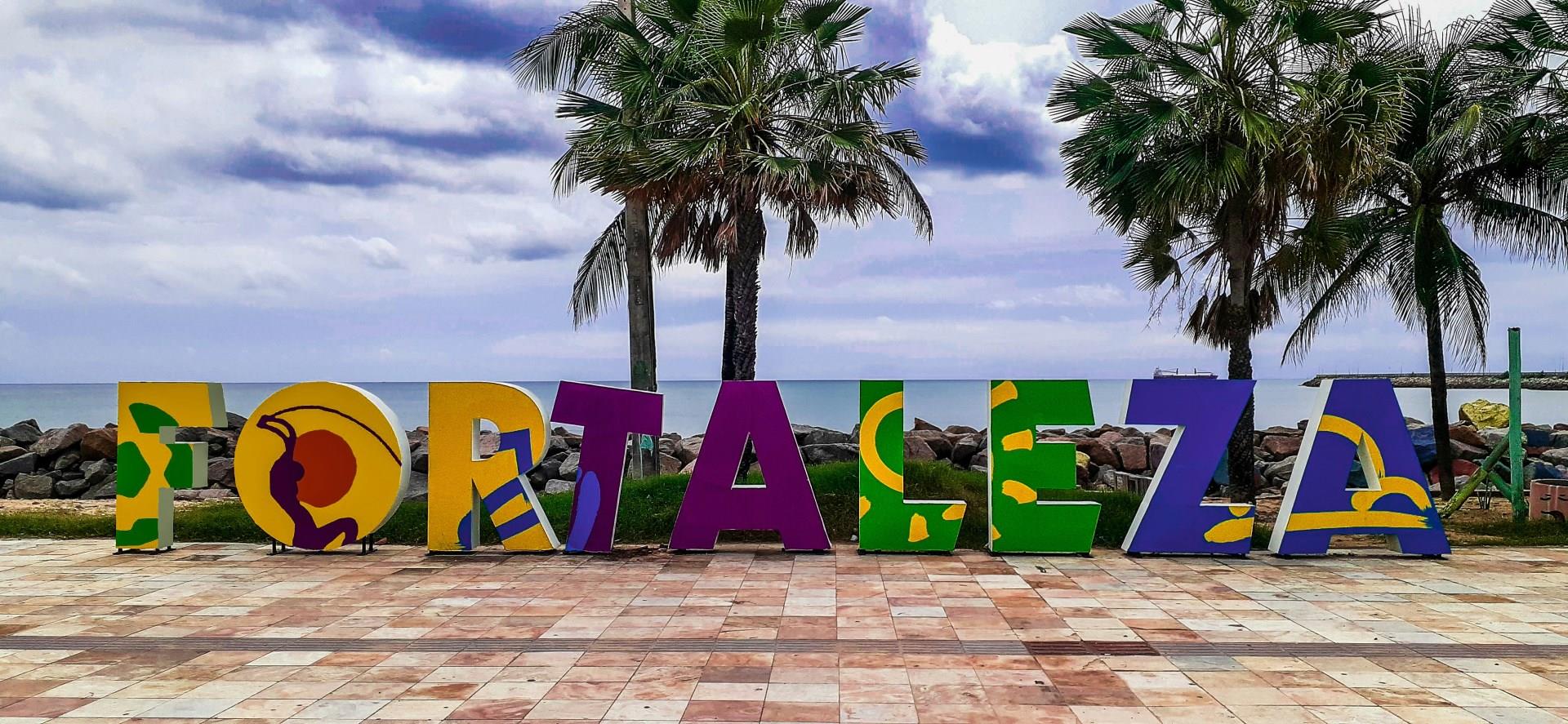
Fortaleza
Fortaleza, on Brazil’s northeastern Atlantic coast, greets visitors with wide sandy beaches that stretch for miles along warm, blue water. Beyond the city’s shoreline, dramatic dunes and inviting waters make Fortaleza an ideal base for exploring nearby beach towns like Cumbuco and Canoa Quebrada, each with its own rhythms and landscapes.
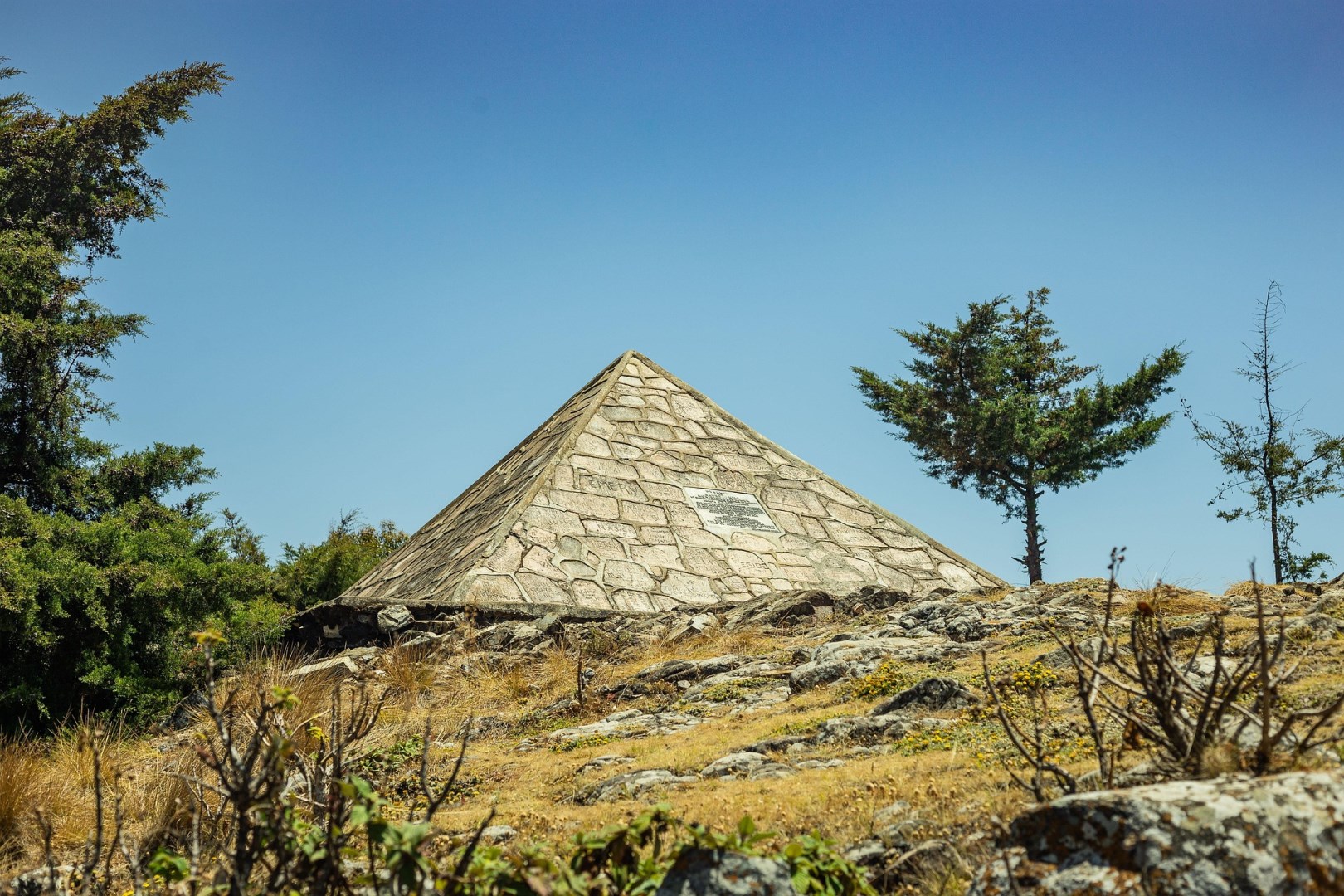
Burundi
Burundi, a small country tucked along the shores of Lake Tanganyika, offers travelers a deeply authentic experience that few destinations can match. Known as the “Heart of Africa” due to its location, Burundi is home to dramatic landscapes, from rolling hills and volcanic mountains to wide plains and ancient forests. One of its most remarkable natural features is the southern tip of the Nile River, which begins near Rutovu.

Coffee Axis
Nestled in the heart of the Andean mountains, Colombia's Coffee Region, or “Eje Cafetero,” is a lush tapestry of rolling hills, fertile valleys, and towering wax palms. This UNESCO World Heritage-listed landscape is more than just the epicenter of Colombia's coffee production—it is an invitation to explore a culture steeped in tradition, warmth, and a deep appreciation for the natural world.
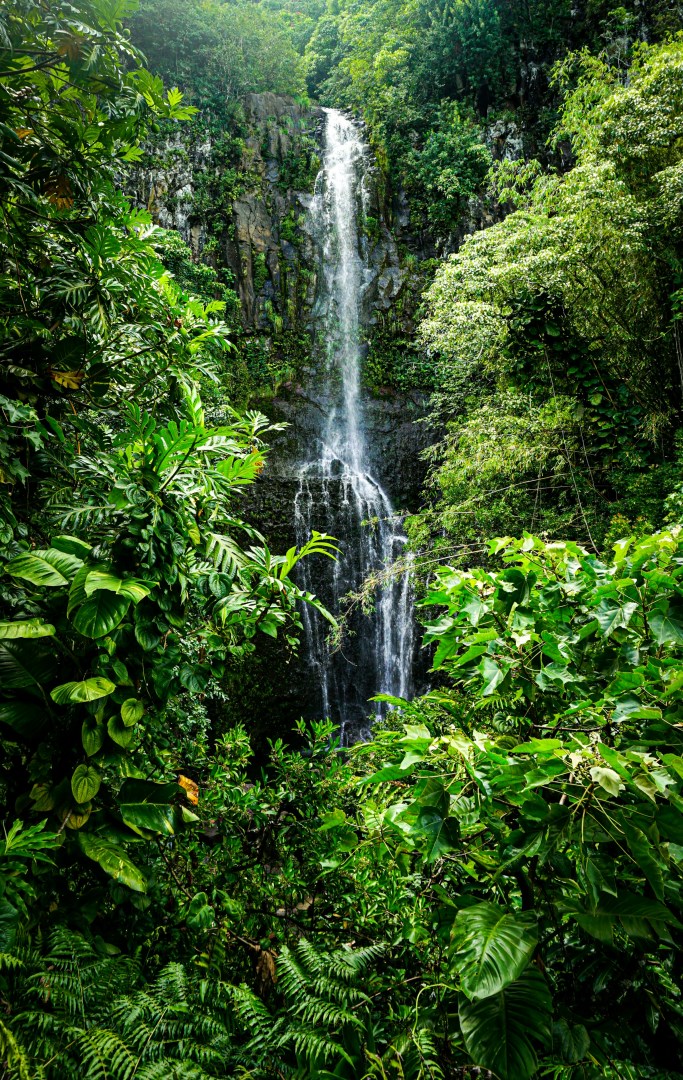
Hana, Maui
Located on the Island of Maui, Hawaii in the Pacfic Ocean, Hana is noted for its isolated location and quiet atmosphere.
